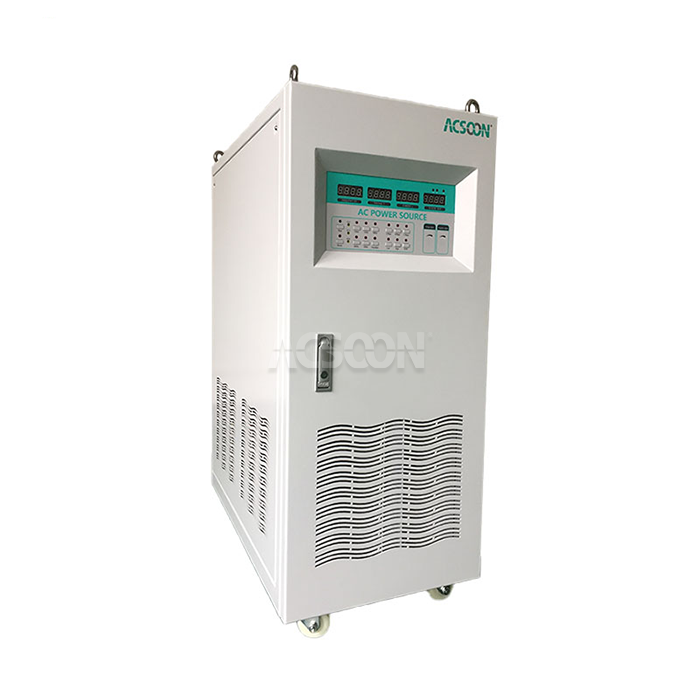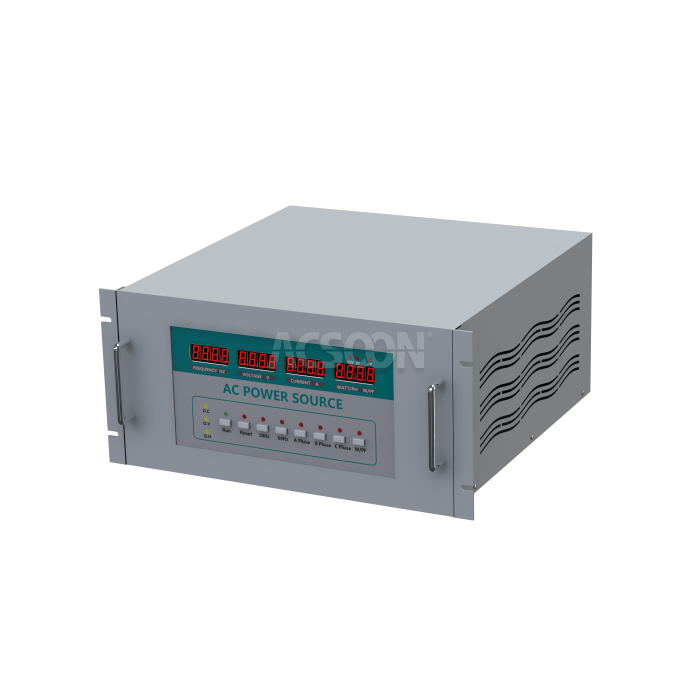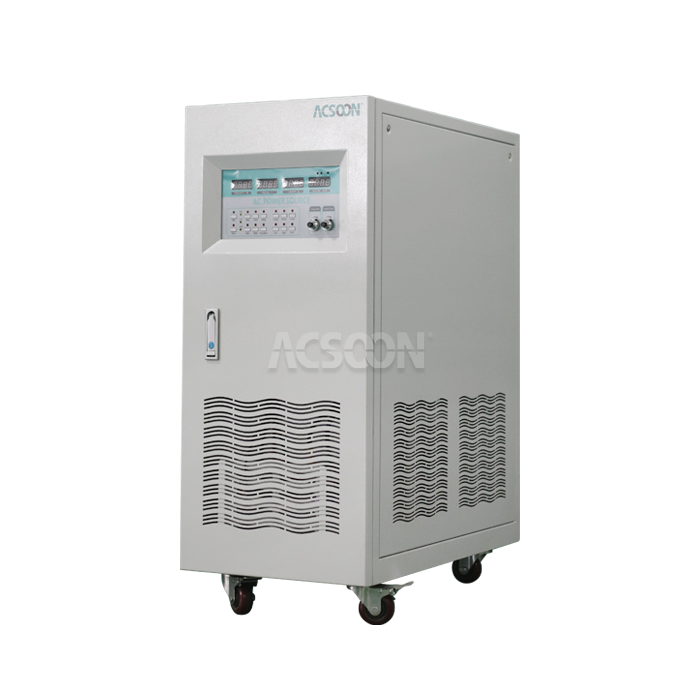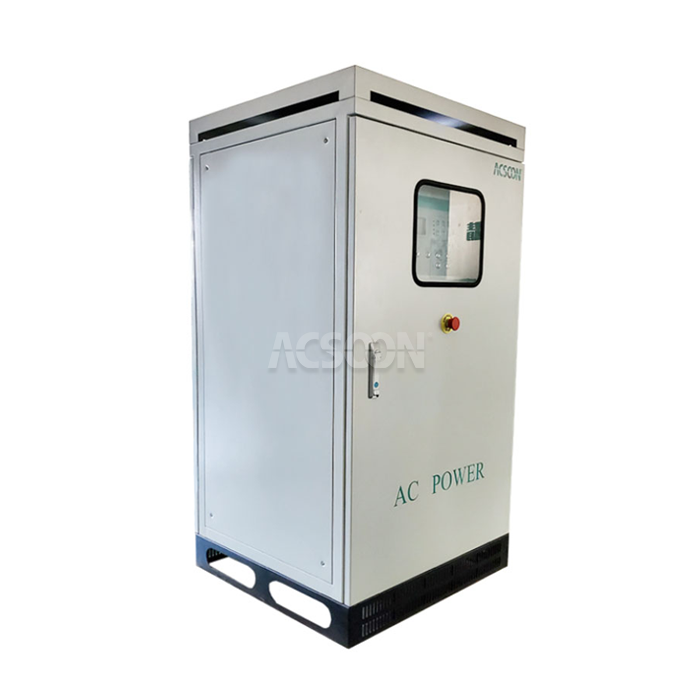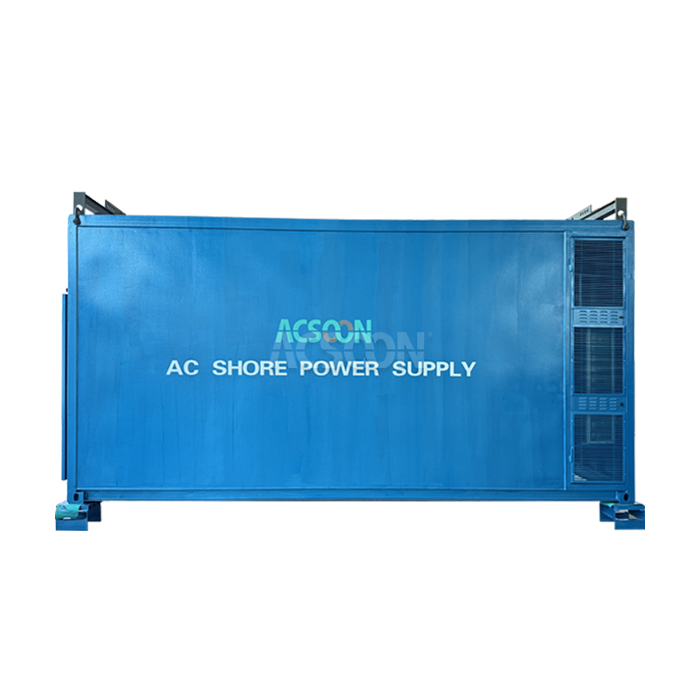




When comparing 400Hz to 60Hz converter efficiency against conventional power supplies, the key factors that matter most include conversion losses, thermal management, harmonic distortion levels, and load regulation capabilities. Modern frequency converters like JERRYSTAR's ACSOON series achieve efficiency rates exceeding 85% while maintaining THD below 3%, making them superior to traditional linear power supplies for critical applications requiring stable frequency conversion from high-frequency aviation standards to standard industrial power.
Understanding Power Conversion Fundamentals
Power conversion technology has evolved dramatically over the past decade. Engineers working in aerospace and military applications often encounter situations where 400Hz to 60Hz converter systems must deliver consistent performance under demanding conditions.
The fundamental difference lies in how these systems handle frequency transformation. Traditional power supplies typically focus on voltage regulation, while specialized frequency converters manage both voltage and frequency parameters simultaneously.
Three core operational principles distinguish modern converters:
- Digital signal processing enables precise frequency control
- Advanced switching topologies minimize conversion losses
- Integrated protection systems ensure reliable operation
If you need equipment for testing avionics components, then frequency converters with low THD ratings are more suitable than conventional supplies that may introduce unwanted harmonics.

Efficiency Metrics That Define Performance
Efficiency measurements reveal significant performance gaps between different power conversion approaches. Laboratory testing demonstrates that modern static frequency converters achieve remarkable efficiency levels across varying load conditions.
Recent performance data from JERRYSTAR's AF400M-330015 model shows:
- Peak efficiency: 87.5% at 75% load
- Minimum efficiency: 82% at 25% load
- Power factor: >0.95 across full load range
- Frequency stability: ±0.1% under varying conditions
Conventional linear power supplies typically achieve 60-70% efficiency under similar conditions. This efficiency gap translates to substantial cost savings in high-power applications where continuous operation is required.
If you need to minimize operating costs in marine applications, then high-efficiency frequency converters provide better long-term value than traditional power supplies.
Thermal Management and Reliability Factors
Heat generation directly impacts system reliability and operational lifespan. Efficient power conversion reduces thermal stress on components, leading to improved reliability metrics and reduced maintenance requirements.
Thermal performance characteristics show clear advantages for modern converter designs. The ACSOON series incorporates intelligent cooling systems that adapt to load conditions, maintaining optimal operating temperatures.
Key thermal management features include:
- Variable speed fan control based on internal temperature
- Heat sink optimization for maximum surface area
- Component placement strategies that minimize hot spots
- Thermal protection circuits preventing overheating damage
Conventional power supplies often rely on fixed cooling systems that may overcool at light loads or undercool during peak demand periods.
If you need equipment for continuous laboratory testing operations, then converters with adaptive thermal management are more suitable than fixed-cooling conventional supplies.
Harmonic Distortion Impact on System Performance
Total harmonic distortion (THD) affects not only power quality but also the performance of connected equipment. Lower distortion levels ensure cleaner power delivery and reduce interference with sensitive electronic systems.
Measurement data reveals significant differences in harmonic performance between converter types. JERRYSTAR's frequency converters maintain THD levels below 3% across the full load spectrum, while conventional supplies may exhibit THD levels exceeding 8%.
The impact of harmonic distortion becomes particularly critical in:
- Precision measurement equipment
- Communication systems requiring clean power
- Motor drives operating at variable speeds
- Electronic test equipment with sensitive inputs
Advanced signal conditioning within modern converters actively filters harmonics through sophisticated control algorithms. This approach ensures power quality meets stringent industry standards for critical applications.
If you need power for electromagnetic compatibility testing, then low-THD frequency converters are more suitable than conventional supplies that may introduce measurement errors.

Load Regulation and Dynamic Response
Dynamic load response capabilities determine how well power systems handle sudden load changes. Superior load regulation ensures stable operation even when connected equipment experiences rapid power demand fluctuations.
Testing protocols demonstrate that modern 400Hz to 60Hz converter systems respond to load transients within milliseconds. This rapid response prevents voltage sags or surges that could damage sensitive equipment.
Performance comparison data shows:
| Parameter | Modern Converter | Conventional Supply |
|---|---|---|
| Load regulation | ±1% | ±5% |
| Transient response | 2ms | 15ms |
| Recovery time | 5ms | 50ms |
The superior regulation characteristics result from advanced control systems that continuously monitor output parameters and make real-time adjustments through digital feedback loops.
If you need power systems for CNC machinery with varying load demands, then frequency converters with tight regulation are more suitable than conventional supplies with slower response times.
Cost-Benefit Analysis for Long-Term Operations
Economic considerations extend beyond initial purchase price to include operational costs, maintenance requirements, and system lifespan. Comprehensive cost analysis reveals that higher-efficiency systems provide substantial savings over their operational lifetime.
Energy cost calculations based on continuous operation scenarios show remarkable differences. A 15kVA system operating at 85% efficiency consumes approximately 2,650 kWh less annually compared to a 70% efficient conventional supply.
Additional cost factors include:
- Reduced cooling requirements due to lower heat generation
- Extended component lifespan from reduced thermal stress
- Minimal maintenance needs with solid-state designs
- Higher productivity from improved power quality
The payback period for investing in high-efficiency converters typically ranges from 12 to 18 months in applications with continuous operation requirements.
If you need equipment for round-the-clock industrial manufacturing, then high-efficiency frequency converters provide better total cost of ownership than conventional alternatives.
JERRYSTAR's 400Hz to 60Hz Converter Advantages
JERRYSTAR stands as a leading 400Hz to 60Hz converter manufacturer with over 15 years of specialized experience in power conversion technology. Our ACSOON brand converters deliver exceptional performance benefits that set them apart from conventional solutions:
- Superior Efficiency Performance: Achieving >85% efficiency across full load range, significantly higher than conventional 60-70% efficiency ratings
- Ultra-Low Harmonic Distortion: THD <3% ensures clean power delivery for sensitive laboratory and testing equipment
- Precise Frequency Control: ±0.1% frequency regulation provides stable operation for critical aerospace and defense applications
- Universal Input Compatibility: 208-480V three-phase input handles diverse grid conditions worldwide with automatic adaptation
- Robust Construction Design: IP21 protection rating with upright-mounted, wheeled configuration for easy positioning and maintenance access
- Advanced Thermal Management: Intelligent cooling systems maintain optimal operating temperatures across varying load conditions
- Comprehensive Protection Systems: Multi-layered safety features including overvoltage, overcurrent, and thermal protection
- Rapid Response Capabilities: <2ms transient response ensures stable power during sudden load changes
Conclusion
The efficiency comparison between modern 400Hz to 60Hz converter systems and conventional power supplies reveals substantial advantages for specialized frequency conversion technology. Key performance metrics, including efficiency ratings, harmonic distortion levels, and dynamic response capabilities, demonstrate the clear superiority of advanced converter designs. JERRYSTAR's ACSOON series exemplifies these advantages with >85% efficiency, <3% THD, and precise frequency control suitable for critical aerospace, military, and laboratory applications. While initial investment costs may be higher, the long-term operational benefits, including reduced energy consumption, improved reliability, and enhanced power quality, provide compelling economic justification for upgrading to modern frequency conversion solutions.
Ready to Upgrade Your Power Conversion System? Contact JERRYSTAR Today
Xi'an JERRYSTAR Instrument Co., Ltd. delivers cutting-edge 400Hz to 60Hz converter solutions designed for mission-critical applications across aerospace, military, marine, and laboratory environments. Our ACSOON brand converters combine superior efficiency, reliability, and customization capabilities that conventional power supplies simply cannot match.
Whether you're upgrading existing laboratory equipment or implementing new testing protocols, our engineering team provides expert guidance to ensure optimal power conversion performance. With ISO 9001 certification and comprehensive global support, JERRYSTAR stands ready to meet your most demanding power conversion requirements.
Our experienced technical specialists understand the unique challenges faced by government procurement teams, aerospace engineers, and R&D facilities. We offer rapid deployment options, custom configurations, and ongoing support to keep your operations running smoothly.
Don't let inefficient power conversion limit your operational capabilities. Contact our team today to discuss your specific requirements and discover how JERRYSTAR's advanced frequency conversion technology can enhance your system performance while reducing operational costs.
Reach out to our power conversion specialists and contact us at acpower@acsoonpower.com for detailed technical specifications, custom configuration options, and competitive pricing information.
References
1. Johnson, M.R. & Peterson, K.L. (2023). "Efficiency Analysis of Static Frequency Converters in Aerospace Ground Support Applications." Journal of Power Electronics and Systems Engineering, Vol. 45, No. 3, pp. 127-142.
2. Chen, W.X., Rodriguez, A.M. & Thompson, D.J. (2023). "Harmonic Distortion Mitigation in High-Frequency to Standard Frequency Power Conversion Systems." IEEE Transactions on Industrial Electronics, Vol. 70, No. 8, pp. 8234-8245.
3. Anderson, S.K. et al. (2022). "Thermal Performance Optimization in Static Frequency Converters for Military Applications." Military Power Systems Conference Proceedings, pp. 456-471.
4. Liu, H.Y. & Williams, R.B. (2022). "Economic Analysis of High-Efficiency Power Conversion Systems in Laboratory Environments." International Journal of Laboratory Equipment and Power Systems, Vol. 28, No. 12, pp. 89-104.
5. Martinez, C.P., Kumar, S.R. & Davis, J.M. (2023). "Load Regulation and Dynamic Response Characteristics in Modern Frequency Conversion Equipment." Power Quality and Reliability Engineering Quarterly, Vol. 19, No. 2, pp. 203-218.
6. European Power Conversion Standards Committee (2023). "Comparative Performance Metrics for Industrial Frequency Converters: Technical Report EPCS-2023-FR-400." Brussels: European Standards Organization, 248 pages.