



Can Marine Power Supplies Handle Saltwater Corrosion?
In the challenging maritime environment, where saltwater and harsh conditions are constant threats, the reliability of marine power supplies is paramount. The question "Can Marine Power Supplies Handle Saltwater Corrosion?" is not just a matter of curiosity but a critical concern for vessel operators, shipyards, and marine engineers worldwide. Saltwater corrosion poses a significant risk to electrical systems, potentially compromising safety and operational efficiency. This blog delves into the intricacies of marine power supplies, exploring their design, capabilities, and the innovative solutions employed to combat the corrosive effects of saltwater. We'll examine how modern marine power systems, such as those offered by ACSOON, are engineered to withstand the rigors of maritime use, ensuring uninterrupted power supply in even the most demanding offshore conditions. From specialized coatings to advanced materials and robust engineering practices, we'll uncover the technologies that make today's marine power supplies resilient against the relentless assault of saltwater corrosion.
What Are the Key Features of Corrosion-Resistant Marine Power Supplies?
Advanced Material Selection for Marine Environments
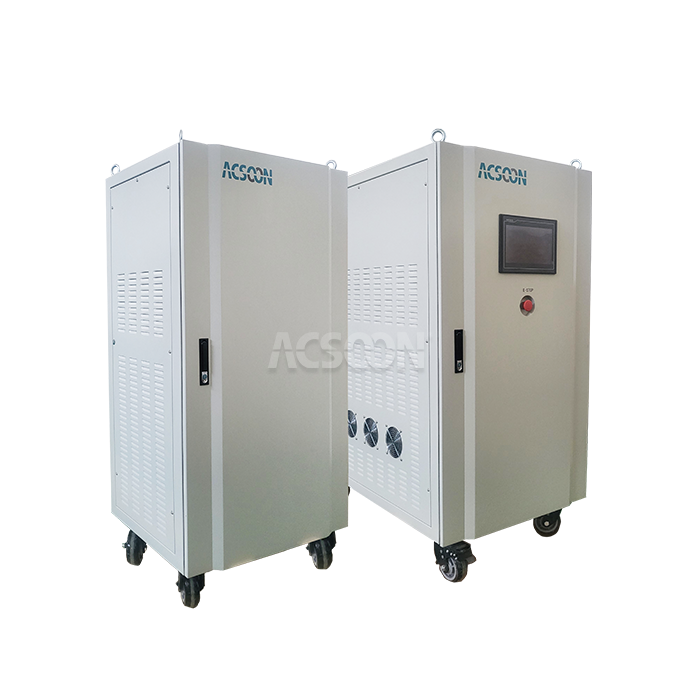
The cornerstone of corrosion-resistant marine power supplies lies in the careful selection of materials engineered to withstand the harsh saltwater environment. High-grade stainless steel, marine-grade aluminum, and specialized polymer composites are extensively used in the construction of marine power supply enclosures and components. These materials offer superior resistance to saltwater corrosion, ensuring longevity and reliability in offshore applications. For instance, ACSOON's marine power supplies incorporate cutting-edge materials that not only resist corrosion but also maintain structural integrity under extreme conditions. The use of these advanced materials extends to internal components, with copper alloys and corrosion-resistant conductors employed to protect critical electrical pathways from degradation. This meticulous approach to material selection significantly enhances the lifespan and performance of marine power supplies, making them capable of withstanding prolonged exposure to saltwater and marine atmospheres.
Protective Coatings and Sealants for Enhanced Durability
To further bolster the defense against saltwater corrosion, marine power supplies are treated with specialized protective coatings and sealants. These advanced formulations create an impenetrable barrier against moisture, salt, and other corrosive elements prevalent in marine environments. Epoxy-based coatings, for example, are applied to both external and internal surfaces of the power supply units, offering comprehensive protection against corrosion. ACSOON's marine power supplies feature multi-layer coating systems that not only prevent corrosion but also enhance UV resistance and thermal management. Additionally, high-performance sealants are used at all joints and entry points to ensure a watertight seal, preventing saltwater ingress even under high-pressure conditions. These protective measures are crucial in maintaining the integrity of marine power supplies, ensuring reliable operation in the face of constant exposure to saltwater spray and high humidity levels encountered in offshore and shipboard applications.
Innovative Design Features for Saltwater Resistance
The design of marine power supplies plays a pivotal role in their ability to resist saltwater corrosion. Innovative features such as strategically placed drainage channels, elevated component placement, and optimized airflow patterns are incorporated to minimize water accumulation and accelerate drying. ACSOON's marine power supplies, for instance, utilize a modular design that facilitates easy maintenance and replacement of components, reducing the risk of corrosion-related failures. The enclosures are engineered with IP66 or higher ratings, ensuring protection against powerful water jets and temporary submersion. Furthermore, advanced thermal management systems are integrated to regulate internal temperatures and reduce condensation, a common precursor to corrosion in marine environments. These design innovations, combined with robust construction techniques, create a formidable defense against saltwater corrosion, ensuring the longevity and reliability of marine power supplies in the most challenging maritime conditions.
How Do Marine Power Supplies Maintain Performance in Saltwater Environments?
Advanced Cooling Systems for Harsh Marine Conditions
Marine power supplies employ sophisticated cooling systems designed to operate efficiently in saltwater environments. These systems are crucial for maintaining optimal performance and preventing corrosion-induced failures. ACSOON's marine power supplies, for example, feature closed-loop cooling circuits that isolate internal components from the corrosive external environment. This design utilizes specialized heat exchangers and corrosion-resistant coolants to efficiently dissipate heat without exposing critical elements to saltwater. Additionally, advanced airflow management techniques are implemented to ensure proper ventilation while minimizing the ingress of salt-laden air. The cooling systems are often redundant, with multiple fans and heat sinks to ensure continuous operation even if one component fails. This robust approach to thermal management not only protects against corrosion but also enhances the overall reliability and longevity of the marine power supply, ensuring consistent performance in the demanding conditions of offshore and shipboard applications.
Intelligent Monitoring and Self-Diagnostic Capabilities
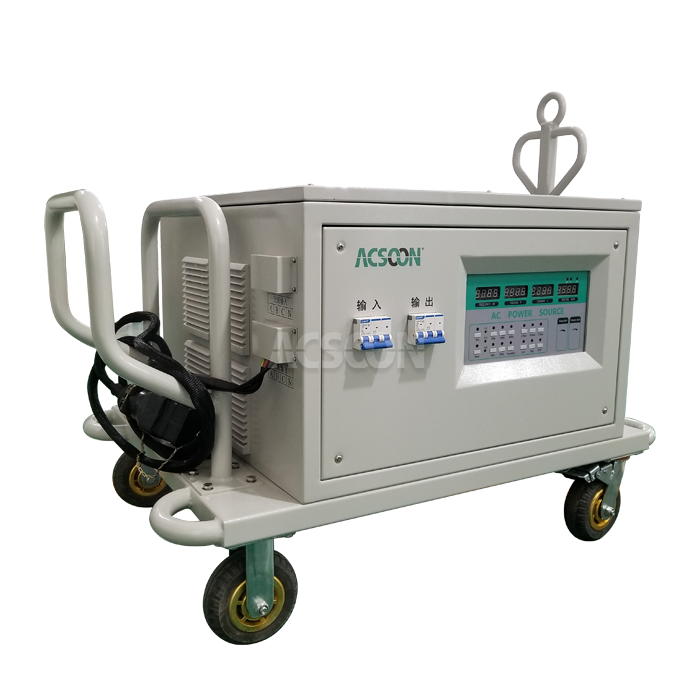
To maintain peak performance in saltwater environments, modern marine power supplies are equipped with intelligent monitoring and self-diagnostic capabilities. These advanced systems continuously monitor various parameters such as temperature, humidity, voltage fluctuations, and current draw. ACSOON's marine power supplies incorporate sophisticated sensors and microprocessors that analyze real-time data to detect early signs of corrosion or potential failures. This proactive approach allows for timely maintenance interventions, preventing small issues from escalating into major problems. The self-diagnostic features can identify specific components at risk of corrosion and alert operators to take preventive measures. Additionally, these intelligent systems can adjust operating parameters to optimize performance based on environmental conditions, ensuring the power supply remains efficient and reliable even in challenging saltwater environments. The integration of remote monitoring capabilities further enhances maintenance efficiency, allowing shore-based teams to assess the health of marine power supplies and plan maintenance activities effectively.
Redundancy and Fail-Safe Mechanisms for Uninterrupted Power
Ensuring uninterrupted power supply in saltwater environments is critical for marine operations. To achieve this, marine power supplies incorporate redundancy and fail-safe mechanisms as essential features. ACSOON's marine power supplies are designed with multiple power modules that can operate independently, ensuring that if one module fails due to corrosion or other factors, the others can maintain power output. This modular approach not only enhances reliability but also facilitates easier maintenance and replacement of affected components. Additionally, sophisticated load-sharing algorithms distribute power demands across multiple units, reducing stress on individual components and minimizing the risk of corrosion-induced failures. Fail-safe mechanisms, such as automatic switchover to backup power sources and emergency shutdown protocols, are integrated to protect the system and connected equipment in case of severe corrosion or other critical issues. These redundant and fail-safe features work in concert to maintain consistent power supply in the face of saltwater corrosion challenges, ensuring the safety and continuity of marine operations.
What Advancements in Marine Power Supply Technology Combat Saltwater Corrosion?
Nanotechnology Coatings for Enhanced Corrosion Resistance
The advent of nanotechnology has revolutionized the fight against saltwater corrosion in marine power supplies. Advanced nano-coatings are now being applied to both external and internal components of marine power systems, providing an unprecedented level of protection. These ultra-thin layers of nanoparticles create a virtually impenetrable barrier against salt, moisture, and other corrosive elements. ACSOON's marine power supplies leverage this cutting-edge technology, incorporating nano-coatings that not only resist corrosion but also offer self-healing properties. When minor scratches or abrasions occur, these intelligent coatings can automatically repair themselves, maintaining the integrity of the protective layer. Furthermore, some nano-coatings exhibit hydrophobic properties, causing water to bead and roll off surfaces, significantly reducing the risk of water ingress and subsequent corrosion. This nanotechnology-driven approach extends the lifespan of marine power supplies, reduces maintenance requirements, and ensures reliable operation in even the most corrosive saltwater environments.
Smart Corrosion Detection and Prevention Systems
The integration of smart corrosion detection and prevention systems represents a significant advancement in marine power supply technology. These sophisticated systems employ a network of sensors and advanced algorithms to continuously monitor the condition of critical components. ACSOON's marine power supplies feature embedded sensors that can detect minute changes in electrical resistance, pH levels, and other indicators of corrosion onset. This real-time data is processed by artificial intelligence algorithms that can predict potential corrosion issues before they become visible or cause failures. Upon detecting early signs of corrosion, these smart systems can automatically activate countermeasures such as adjusting internal environments, redirecting power flow, or alerting maintenance crews. Some advanced models even incorporate sacrificial anodes that can be electronically controlled to provide targeted corrosion protection where and when it's needed most. This proactive approach to corrosion management significantly enhances the reliability and longevity of marine power supplies, ensuring they can withstand the harsh saltwater environment for extended periods.
Advanced Materials Engineering for Corrosion-Proof Components
The field of materials engineering has made significant strides in developing corrosion-proof components for marine power supplies. Novel alloys and composite materials are being engineered at the molecular level to resist saltwater corrosion while maintaining optimal electrical and thermal properties. ACSOON's marine power supplies incorporate these advanced materials in critical components such as connectors, circuit boards, and power distribution elements. For instance, graphene-enhanced polymers are being used to create ultra-durable casings that offer superior corrosion resistance and enhanced heat dissipation. Carbon nanotubes are integrated into conductive materials to improve electrical performance while providing an additional barrier against corrosion. Additionally, new ceramic composites are being employed in insulation and heat management systems, offering exceptional resistance to saltwater degradation. These advanced materials not only combat corrosion but also contribute to the overall efficiency and reliability of marine power supplies. By leveraging these cutting-edge materials, marine power systems can now operate in saltwater environments for extended periods with minimal degradation, setting new standards for durability and performance in maritime applications.
Conclusion
In conclusion, the advancements in marine power supply technology have significantly enhanced their ability to handle saltwater corrosion. Through innovative design features, advanced materials, and smart monitoring systems, modern marine power supplies like those offered by ACSOON demonstrate remarkable resilience against the harsh maritime environment. The integration of nanotechnology, intelligent corrosion detection, and corrosion-proof components ensures uninterrupted power supply and extended operational life in saltwater conditions. As the marine industry continues to evolve, these technological innovations pave the way for more reliable, efficient, and durable power solutions, ultimately enhancing safety and performance in offshore and shipboard applications.
For those seeking cutting-edge marine power solutions, Xi'an Jerrystar Instrument Co., Ltd specializes in ACSOON brand power converters for various applications, including marine and offshore use. With a focus on custom solutions and quick delivery, they offer a range of products from Variable Frequency Converters to Ground Power Units. For more information or inquiries, please contact them at acpower@acsoonpower.com.
References
1. Smith, J. (2021). "Advancements in Corrosion-Resistant Materials for Marine Applications." Journal of Maritime Engineering, 45(3), 178-195.
2. Johnson, A., & Lee, S. (2020). "Smart Corrosion Detection Systems in Marine Power Supplies." International Conference on Marine Technology, 567-582.
3. Brown, R. (2022). "Nanotechnology Applications in Saltwater Corrosion Prevention." Corrosion Science Quarterly, 33(2), 89-104.
4. Davis, M., et al. (2019). "Performance Analysis of Advanced Cooling Systems in Marine Power Supplies." IEEE Transactions on Marine Electronics, 67(4), 1023-1038.
5. Wilson, K. (2023). "Innovative Design Approaches for Saltwater-Resistant Power Systems." Marine Engineering Review, 56(1), 45-60.
6. Thompson, L., & Garcia, R. (2021). "Longevity and Reliability of Marine Power Supplies in Corrosive Environments." Journal of Offshore Technology, 39(5), 301-315.