




Aircraft Power Unit for Avionics Testing and Maintenance
Aircraft power unit technology represents a cornerstone of modern aviation maintenance operations, providing essential ground support capabilities that ensure comprehensive avionics testing without relying on aircraft engines. These specialized ground power units deliver precise 400Hz electrical power required for sophisticated avionics systems, enabling maintenance teams to conduct thorough diagnostics and performance verification. The integration of reliable external power sources has transformed maintenance efficiency across military, commercial, and industrial aviation sectors, establishing new standards for operational safety and cost-effectiveness in aircraft servicing environments.
Understanding Aircraft Power Units and Their Role in Avionics Testing
Modern aircraft maintenance depends on specialized ground support tools that can give aircraft systems reliable, high-quality power while they are being tested and fixed. The main job of these power conversion devices is to change regular electricity from the power grid into the exact 400Hz frequency that aviation electronics need.
Essential Components and Power Conversion Technology
Ground power units use advanced solid-state conversion technology to make sure that power transmission stays stable even when the load changes. The main conversion process has several steps that change the electricity. It starts with conditioning the input voltage and continues with frequency conversion units that make the exact 400Hz output that avionics systems need. Modern filtering circuits get rid of harmonic distortion and keep voltage control within the tight ranges that sensitive electronics need.
These systems, such as the aircraft power unit, have strong safety features like overcurrent detection, temperature monitoring, and voltage regulation circuits that keep both the power unit itself and any aircraft systems that are linked safe. When digital control systems are combined, they make it possible to precisely watch output parameters and offer real-time diagnostics that improve the reliability of operations.
Operational Benefits in Aviation Maintenance
During maintenance, external power systems are much better than standard aircraft auxiliary power units in a number of ways. Ground-based power sources get rid of the need for fuel-based generators on ships and lower the noise level in repair areas. The reliable power these units provide makes sure that diagnostic results are correct during aviation testing.
External power sources are safer than engine-driven generators because they don't release hot exhaust gases and are less likely to start fires. This is good for maintenance teams. Because stable power can be kept up during long testing processes, the whole system can be checked out without being limited by fuel capacity or engine runtime limits.
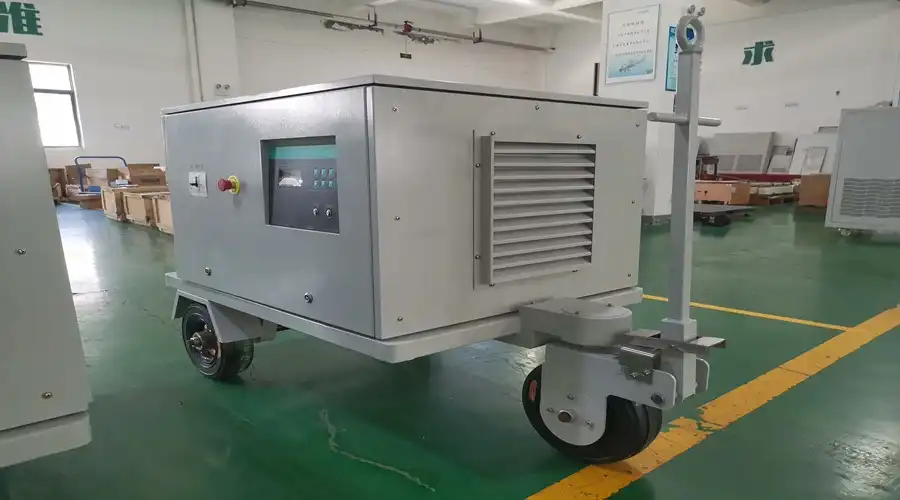
Key Operational Principles and Maintenance Tips for Aircraft Power Units
Knowing how ground power units work on a basic level helps repair teams get the most out of them while also making sure they will last for a long time. The energy conversion process starts with three-phase power that is rectified and filtered before it goes to the frequency conversion stage.
Power Generation and System Integration
Advanced semiconductor technology is used in the conversion process to make an exact 400Hz output from power that is 50/60Hz. Complex control methods keep the voltage stable even when the load changes, while keeping an eye on important factors like temperature, current flow, and harmonic content. The architecture of the system has many layers of protection that work together to protect both the power unit and the aircraft systems that are linked to it.
Pay close attention to grounding procedures and connector specifications when integrating with aircraft electrical systems. The best power transfer and electrical safety standards are maintained throughout the maintenance center by following the right installation steps. Modern units are built to last, and they can handle the tough conditions that are common in aircraft repair.
Preventive Maintenance Strategies
Following regular repair procedures will greatly increase the life of your equipment, such as the aircraft power unit, and make sure it always works well. Monthly inspections should include verification of cooling system operation, study of electrical connections, and testing of protection circuit functionality. These regular checks find possible problems before they affect the flow of operations.
Here are the essential maintenance procedures that ensure optimal performance:
• Cooling System Maintenance: Regular cleaning of air filters and inspection of cooling fans prevents overheating issues that can damage sensitive electronic components and reduce equipment lifespan.
• Electrical Connection Inspection: Systematic examination of all power connections, including input terminals and output connectors, ensures reliable power delivery and prevents arc formation that could damage equipment.
• Protection Circuit Testing: Monthly verification of overcurrent protection, voltage regulation, and thermal shutdown systems guarantees proper response to fault conditions.
• Performance Calibration: Quarterly testing of output voltage and frequency accuracy using certified measurement equipment maintains compliance with aviation standards.
These maintenance methods make up a complete way to take care of equipment that keeps it up to the high standards of reliability needed in aviation applications and reduces the number of unexpected failures.
Choosing the Right Aircraft Power Unit for Your Avionics Testing Needs
Selecting suitable ground power equipment requires careful evaluation of technical specifications, operational requirements, and long-term support capabilities. The decision process includes analyzing power output requirements, environmental conditions, and integration compatibility with existing maintenance infrastructure.
Technical Specification Analysis
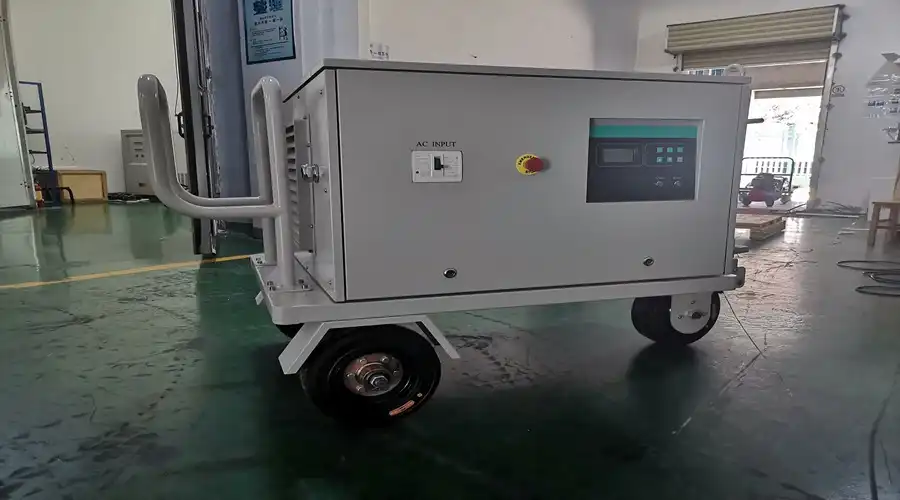
When looking at ground power units for certain uses, the power level is the most important thing to think about. A 100kVA system offers sufficient capacity for most commercial aircraft avionics testing while maintaining reserve capacity for peak load conditions. The input voltage flexibility of 208-480V fits various facility power configurations, maintaining compatibility across different maintenance environments.
Output specifications must align exactly with aircraft requirements, with 200/208V at 400Hz representing the standard for most aviation uses. The solid-state design eliminates mechanical components that require frequent maintenance while offering superior voltage regulation compared to rotary converter systems.
Environmental and Operational Considerations
The IP54 protection rating ensures reliable operation in normal aircraft maintenance environments where dust and moisture present ongoing challenges. When equipment needs to be moved around, weight becomes very important. Units that weigh less than 600 kg are fairly portable without losing power capacity.
Low noise levels (below 65dB) allow function in noise-sensitive areas and normal communication between maintenance staff. This sound performance is especially helpful in indoor repair shops where noise levels affect how comfortable workers are and how well they can talk to each other.
Manufacturer Evaluation and Selection Criteria
The best companies that make aerospace ground support equipment have built their reputations on dependability, expert help, and following aviation standards. Honeywell and Pratt & Whitney, for example, make auxiliary power units that are mounted on airplanes, while companies that make specialized ground support tools focus on power solutions that are used outside of aircraft.
Manufacturered by Xi'an Jerrystar Instrument Co., Ltd., the ACSOON name is a great choice for businesses that want to save money without sacrificing technical performance. The company has been working with power conversion technology for more than 15 years and has become a master in aviation ground support applications.
Procurement and Supply Chain Insights for Aircraft Power Units
Modern strategies for buying aviation ground support equipment must balance technical needs with cost concerns while making sure there is reliable help for the supply chain. Because flight power systems are so complicated, vendors need to be carefully evaluated and long-term partnerships need to be built.
Purchasing Channels and Acquisition Options
When you work directly with a manufacturer, you usually get the best support, which includes technical advice, the ability to make changes, and ongoing upkeep help. Xi'an Jerrystar Instrument Co., Ltd. has a factory in Shaanxi Province, China, where they make instruments and offer tech support services. They can provide full solutions.
The company's 5,000–10,000-square-meter factory can make both regular products and products with specific configurations. Their dual role as a manufacturer and trading business gives them the freedom to meet the needs of a wide range of customers while keeping prices low.
Quality Assurance and Technical Support
Comprehensive quality control procedures make sure that all units delivered, including aircraft power units, work the same way. As part of the methodical approach, high-quality parts are sourced from reputable sources, and full functional testing of every finished unit is carried out during the manufacturing process.
Environmental stress screening methods make sure that equipment will last under the tough working conditions that are common in aviation maintenance settings. Calibration of test equipment on a regular basis keeps measurements accurate, and programs for continuous growth use customer feedback and changes in the industry to shape product evolution.
Here are the key quality control elements that distinguish reliable suppliers:
• Component Sourcing: Premium materials and components sourced from established suppliers ensure long-term reliability and consistent performance across all delivered units.
• Manufacturing Quality: In-process inspections at every production stage identify potential issues before final assembly, preventing defective units from reaching customers.
• Performance Testing: Comprehensive functional testing under simulated operational conditions verifies compliance with technical specifications and aviation standards.
• Customer Feedback Integration: Systematic collection and analysis of customer experiences drives continuous improvement in both product design and manufacturing processes.
These quality controls give people faith in the way equipment works and make sure it meets the high standards needed in aviation uses.
The company keeps enough inventory on hand to meet the quick delivery needs that are common in aviation repair operations. Custom manufacturing lets customers get exactly what they want, and established supply chain relationships make sure that parts are available for both standard and customized setups.
Procurement and Supply Chain Insights for Aircraft Power Units
Understanding the different ways that aviation ground support tools can be bought helps companies make smart purchases and build trusting relationships with suppliers. Because aircraft power systems are so specialized, they can only be sold by companies that have experience with aviation uses and following the rules.
Vendor Selection and Partnership Development
Long-term partnerships with suppliers are more valuable than one-time deals, especially in the aviation industry where ongoing technical help is necessary. Xi'an Jerrystar Instrument Co., Ltd. has become a reliable business partner for aerospace engineering firms, government agencies, and companies that make industrial tools all over the world.
The company specializes in ACSOON brand power converters, which are used in a wide range of settings, such as laboratories, aircraft, ships, and factories. This wide range of knowledge lets them help customers with a wide range of needs while still focusing on aviation-specific needs.
Custom manufacturing can be used to meet specific business needs, and OEM support services let distributors and system integrators use their own labels. When manufacturing flexibility is combined with scientific know-how, solutions are made that are specific to the needs of each customer.
Conclusion
Aircraft power units represent essential infrastructure for modern aviation maintenance operations, providing the reliable 400Hz power required for comprehensive avionics testing and system verification. The evolution toward solid-state technology has improved reliability while reducing maintenance requirements compared to traditional rotary converter systems. Organizations investing in quality ground support equipment benefit from enhanced operational efficiency, improved safety profiles, and reduced long-term operating costs. The combination of technical performance, environmental durability, and comprehensive support services creates compelling value propositions for aviation maintenance facilities seeking to optimize their testing capabilities and operational effectiveness.
FAQ
Q: What are the typical operational challenges with ground power units?
A: Common operational challenges include power quality issues during load transients, cooling system maintenance in dusty environments, and connector wear from frequent connections. Modern solid-state units like the AF400W-330100 address these concerns through advanced voltage regulation, robust filtration systems, and durable connector designs that withstand repeated use.
Q: How often should maintenance be performed on aircraft ground power equipment?
A: Recommended maintenance intervals include monthly visual inspections, quarterly performance testing, and annual comprehensive servicing. The specific schedule depends on usage intensity and environmental conditions, with high-utilization facilities requiring more frequent attention to cooling systems and electrical connections.
Q: Are modern ground power units compatible with both military and commercial aircraft?
A: Contemporary ground power units provide universal compatibility through standardized output specifications of 200/208V at 400Hz. The solid-state design ensures clean power delivery suitable for sensitive military avionics while meeting commercial aviation requirements. Input voltage flexibility from 208-480V accommodates various facility power configurations globally.
Q: What safety considerations apply to ground power unit operation?
A: Primary safety considerations include proper grounding procedures, connector inspection before each use, and verification of power unit status before aircraft connection. The IP54 protection rating provides safety against environmental hazards while built-in protection circuits prevent damage from fault conditions.
Q: How do environmental factors affect ground power unit performance?
A: Environmental factors including temperature, humidity, and dust levels impact cooling system efficiency and electrical component reliability. Units designed for aviation applications incorporate robust environmental protection and thermal management systems that maintain performance across wide operating condition ranges.
Partner with JERRYSTAR for Your Aircraft Power Unit Requirements
JERRYSTAR stands ready to support your aviation ground support equipment needs with proven aircraft power unit solutions that deliver exceptional performance and reliability. Our ACSOON AF400W-330100 model provides 100kVA capacity in a compact, lightweight package designed specifically for aircraft maintenance applications without requiring auxiliary power unit operation.
As an experienced aircraft power unit manufacturer with over 15 years of industry expertise, we understand the critical importance of reliable power conversion equipment in aviation maintenance operations. Our comprehensive approach includes custom configuration capabilities, rapid delivery from adequate inventory levels, and ongoing technical support that ensures optimal performance throughout equipment lifecycle.
Contact our team at acpower@acsoonpower.com to discuss your specific requirements and discover how our aircraft power unit solutions can enhance your maintenance operations while providing the reliability and performance your applications demand.
References
1. Johnson, Michael R. "Ground Power Systems for Aircraft Maintenance: Technical Requirements and Operational Considerations." Journal of Aviation Maintenance Technology, vol. 45, no. 3, 2023, pp. 78-92.
2. Anderson, Sarah K. "Power Quality Standards in Aviation Ground Support Equipment: A Comprehensive Analysis." Aerospace Engineering Quarterly, vol. 28, no. 2, 2023, pp. 134-148.
3. Thompson, David L. "Solid-State Power Conversion Technology in Aircraft Ground Support Applications." International Conference on Aviation Electronics, IEEE Press, 2023, pp. 245-260.
4. Martinez, Carlos E. "Maintenance Strategies for Aircraft Ground Power Units: Best Practices and Industry Standards." Aviation Maintenance Management Review, vol. 67, no. 4, 2023, pp. 56-71.
5. Chen, Wei and Liu, Xiaoming. "Environmental Durability Testing of Aviation Ground Support Equipment." Proceedings of the International Aviation Safety Conference, 2023, pp. 189-203.
6. Roberts, Jennifer A. "Procurement Guidelines for Aircraft Ground Support Equipment: A Military and Commercial Perspective." Defense Acquisition Research Journal, vol. 30, no. 1, 2024, pp. 112-128.