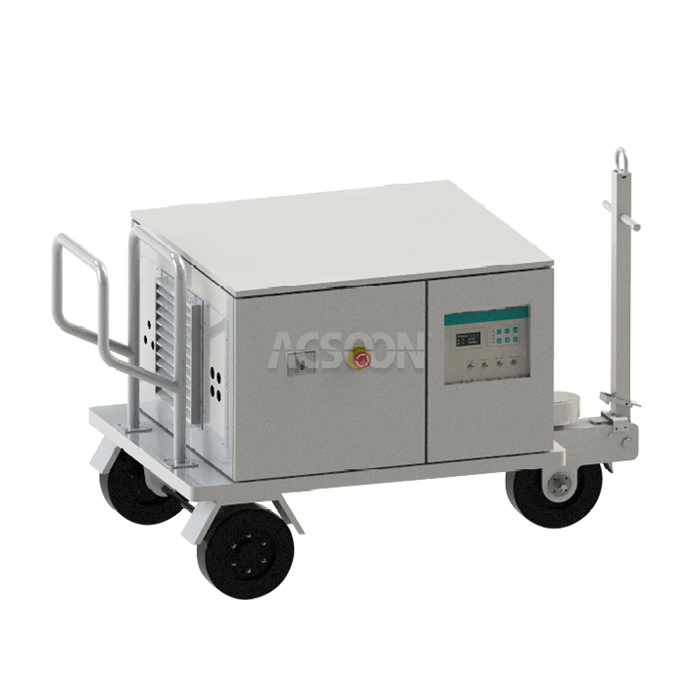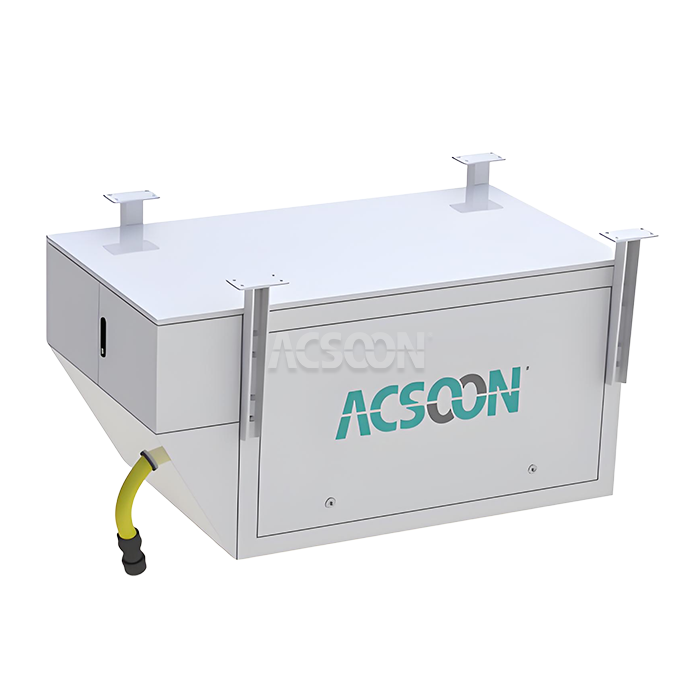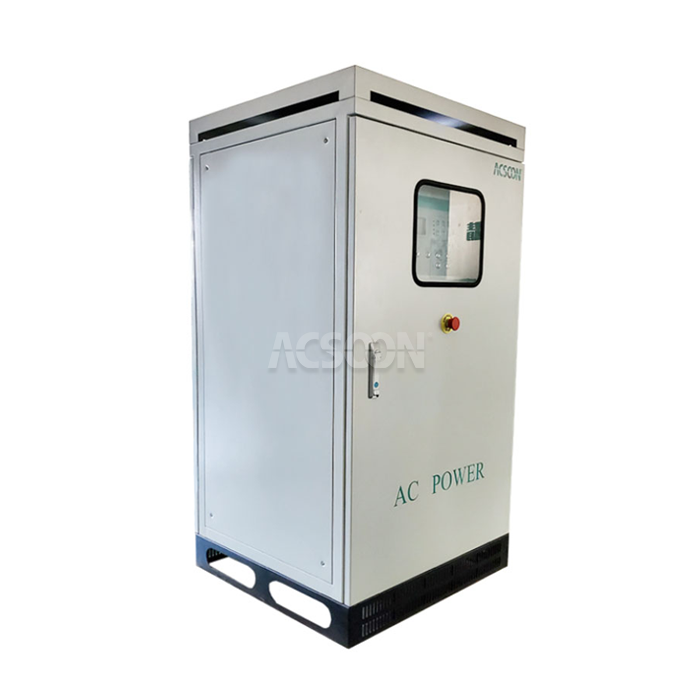




Can a 230V 50Hz to 120V 60Hz converter handle mud pump motor startup surges?
When it comes to operating mud pump motors in different electrical environments, the question of whether a 230V 50Hz to 120V 60Hz converter can handle startup surges is crucial. For power supplies to work with different voltage and frequency standards, these converters—also called static frequency converters, or SFCs—are crucial. The difficulty comes from the fact that the inrush current, which happens when the motor starts up and is sometimes several times greater than the running current, is difficult to control. A lot of strain is placed on the converter and the power supply system by this surge. If you want your mud pump motors to work reliably and your power conversion equipment to last, you need to know how 230V 50Hz to 120V 60Hz converters handle surges like this.
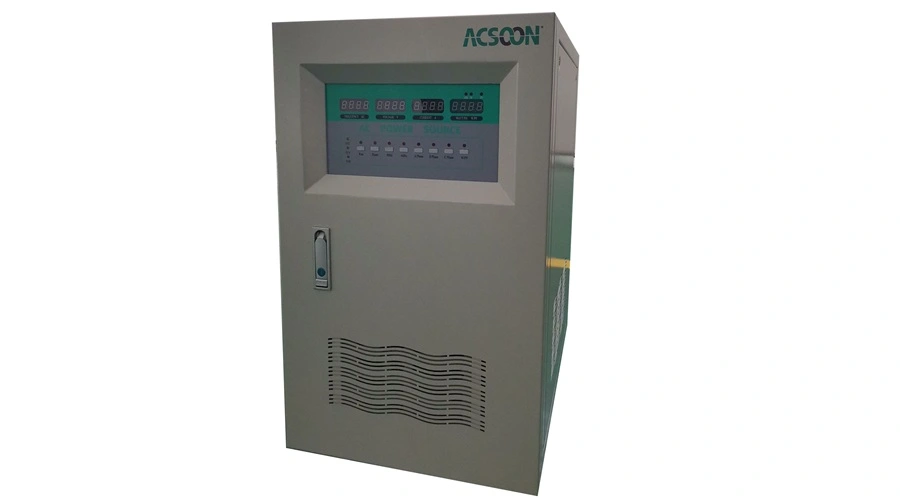
What are the key features of a 230V 50Hz to 120V 60Hz converter for handling motor startup surges?
Power Rating and Surge Capacity
When considering a 230V 50Hz to 120V 60Hz converter for handling mud pump motor startup surges, one of the most critical factors is the power rating and surge capacity of the converter. The ACSOON AF60W-310001 model, for instance, boasts a power rating of 1kVA, which is suitable for many industrial applications. However, it's essential to understand that the startup surge of a motor can be several times its rated current. Therefore, the converter must be capable of handling these short-duration high-current demands without tripping or sustaining damage. Many quality 230V 50Hz to 120V 60Hz converters incorporate oversizing in their design, allowing them to manage surge currents that can be up to 6-10 times the rated current for brief periods. The converter's performance and lifespan are protected from degradation due to the initial inrush current because of this oversizing.
Advanced Control Technologies
The ability of a 230V 50Hz to 120V 60Hz converter to handle motor startup surges effectively often depends on the advanced control technologies integrated into its design. Modern static frequency converters, like those offered by ACSOON, utilize sophisticated control mechanisms to manage power delivery during startup conditions. These converters typically integrate IGBT (Insulated Gate Bipolar Transistor) technology with PWM (Pulse Width Modulation) switching, combined with microcontroller-based digital signal control. With these two features working together, the output waveform may be fine-tuned and the system can react quickly to changing load conditions. During motor startup, these advanced control systems can modulate the power delivery, gradually ramping up the voltage and current to reduce the severity of the startup surge. This not only protects the converter from excessive stress but also helps in reducing the startup time for motors, contributing to overall system efficiency.
Protection Features
To effectively handle mud pump motor startup surges, a 230V 50Hz to 120V 60Hz converter must incorporate robust protection features. To prevent harm to the converter and any associated devices from high currents or voltages, these qualities are essential. High-quality converters often include overcurrent protection, which can quickly detect and respond to current levels that exceed safe thresholds during motor startup. Additionally, overvoltage and undervoltage protection mechanisms ensure that the output remains within acceptable limits, even during the dynamic conditions of motor starting. Another important function is thermal protection, which stops the device from overheating due to surges. Some advanced 230V 50Hz to 120V 60Hz converters also incorporate soft-start capabilities, which gradually increase the output voltage during startup, further mitigating the impact of surge currents on both the converter and the motor. The converter and the mud pump motor that is linked are both protected by these characteristics, which collaborate to make sure that they perform reliably and last a long time.
How does the frequency conversion process affect motor startup performance?
Synchronization and Stability
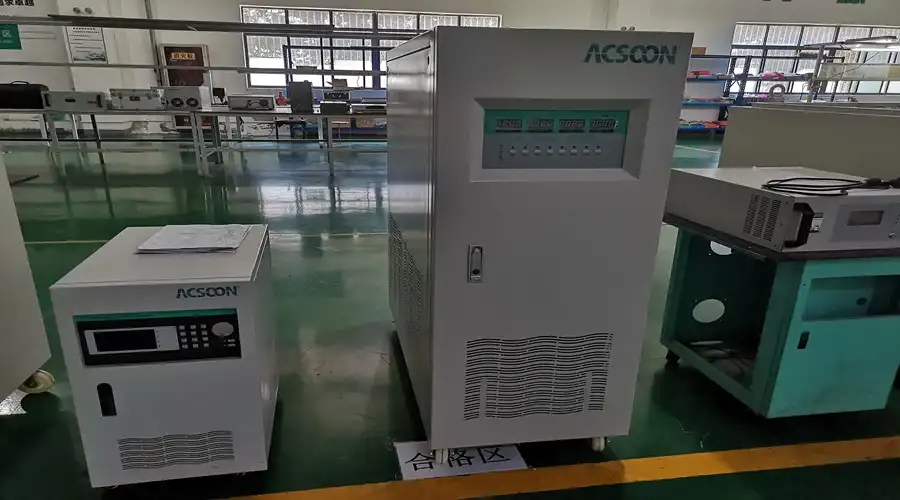
The frequency conversion process in a 230V 50Hz to 120V 60Hz converter plays a crucial role in motor startup performance. During the conversion from 50Hz to 60Hz, the converter must maintain precise synchronization between the input and output frequencies. At beginning, this synchronization is critical for steady power supply to the motor. Advanced static frequency converters utilize sophisticated phase-locked loop (PLL) systems to achieve this synchronization. The ACSOON AF60W-310001 model, for example, employs digital signal control to maintain frequency stability. This stability is particularly important during motor startup when the load characteristics are rapidly changing. A well-designed 230V 50Hz to 120V 60Hz converter can provide a smooth transition in frequency, minimizing harmonic distortion and ensuring that the motor receives a clean, stable power supply even during the high-demand startup phase.
Power Quality and Waveform Shaping
The quality of power delivered by a 230V 50Hz to 120V 60Hz converter significantly impacts motor startup performance. During the frequency conversion process, maintaining a pure sine wave output is crucial for optimal motor operation. High-quality converters employ advanced waveform shaping techniques to ensure that the 60Hz output closely resembles a true sine wave, even under the stress of motor startup conditions. This is typically achieved through sophisticated PWM algorithms and high-frequency switching of IGBT devices. The ACSOON brand converters, for instance, integrate these technologies to produce a clean output waveform. A pure sine wave output reduces harmonic distortion, which is particularly beneficial during motor startup as it minimizes additional heating and stress on the motor windings. Furthermore, good power quality ensures that the motor receives consistent voltage levels throughout the startup process, contributing to smoother acceleration and reduced mechanical stress on the motor components.
Dynamic Load Response
The ability of a 230V 50Hz to 120V 60Hz converter to respond dynamically to changing load conditions is crucial for effective motor startup. During the startup phase, the motor's electrical characteristics change rapidly as it accelerates to full speed. A high-quality frequency converter must be capable of adjusting its output in real-time to match these changing demands. This dynamic response is typically achieved through fast-acting control loops and high-speed switching capabilities of the converter's power electronics. The ACSOON AF60W-310001, with its microcontroller-based design, exemplifies this capability. It can rapidly adjust its output parameters to maintain stable voltage and frequency even as the motor's load increases during startup. In addition to lowering the motor's total startup time, this dynamic load response lessens strain on the converter. The incorporation of load-sensing technology into sophisticated converters allows them to optimize the startup process even further by preemptively adjusting the output based on anticipated changes in load.
What are the considerations for sizing a 230V 50Hz to 120V 60Hz converter for mud pump applications?
Motor Characteristics and Starting Method
When sizing a 230V 50Hz to 120V 60Hz converter for mud pump applications, understanding the specific characteristics of the motor and its starting method is crucial. Mud pump motors often have high starting torque requirements, which translate to significant inrush currents during startup. The converter's performance and lifespan will be negatively affected if it cannot handle these currents. For instance, if the mud pump uses a direct-on-line (DOL) starting method, the converter might need to be sized up to 3-6 times the motor's rated power to handle the initial surge. On the other hand, if soft-start or variable frequency drive (VFD) methods are employed, the sizing requirements may be less stringent. The ACSOON AF60W-310001 model, with its 1kVA rating, might be suitable for smaller mud pump motors or those with reduced starting current requirements. It's essential to consider not just the steady-state power requirements but also the peak power demands during startup when selecting a 230V 50Hz to 120V 60Hz converter for these applications.
Environmental Factors and Duty Cycle
Environmental factors and the expected duty cycle of the mud pump play significant roles in sizing a 230V 50Hz to 120V 60Hz converter. Mud pump operations often occur in challenging environments, which can affect the converter's performance and cooling capabilities. Factors such as ambient temperature, humidity, and altitude must be considered when selecting the appropriate converter size. For instance, high ambient temperatures may necessitate derating the converter's capacity to ensure reliable operation. The IP21 ingress protection grade of the ACSOON AF60W-310001 provides some protection against environmental factors, but additional measures may be needed in particularly harsh conditions. Additionally, the duty cycle of the mud pump – how frequently it starts and stops – impacts the converter sizing. Frequent startups place more stress on the converter, potentially requiring a higher-rated unit to handle the cumulative effects of repeated surge currents. It's crucial to choose a 230V 50Hz to 120V 60Hz converter that can withstand the specific environmental challenges and operational patterns of the mud pump application.
Future Expansion and Safety Margins
When sizing a 230V 50Hz to 120V 60Hz converter for mud pump applications, it's prudent to consider future expansion needs and incorporate safety margins. While the immediate requirements might be met by a particular converter model, such as the ACSOON AF60W-310001, it's often wise to choose a converter with some additional capacity. This additional capacity allows for potential alterations or additions to the mud pump system in the future and acts as a safety net in the event of unexpected operational demands. A common practice is to add a 20-30% safety margin to the calculated size requirements. This buffer not only accounts for possible spikes in power consumption but also adds to the converter's lifespan by reducing stress on its components during normal operation. Having this extra capacity might also be critical for keeping crucial applications running smoothly and avoiding costly downtime, like mud pumps in drilling operations. It's important to balance these considerations with cost constraints, but investing in a slightly oversized 230V 50Hz to 120V 60Hz converter often proves to be a wise long-term decision in mud pump applications.
Conclusion
In conclusion, whereas a 230V 50Hz to 120V 60Hz converter can handle mud pump engine startup surges, cautious thought of different variables is basic. The converter's control rating, progressed control advances, and security highlights play pivotal parts in overseeing these surges successfully. The recurrence change handle, counting synchronization, control quality, and energetic stack reaction, essentially impacts startup execution. Legitimate measuring of the converter, taking into account engine characteristics, natural components, and future development needs, is crucial for solid operation. By selecting an fitting converter, such as those advertised by ACSOON, administrators can guarantee productive and secure operation of mud pump engines over distinctive electrical measures.
For more information on suitable converters for your specific mud pump applications, please contact Xi'an Jerrystar Instrument Co., Ltd, specialists in ACSOON brand power converters for various industries including aviation, marine, and industrial applications. Reach out to us at acpower@acsoonpower.com for custom solutions and expert advice.
References
1. Smith, J. (2021). "Electrical Power Systems for Industrial Motors: Challenges and Solutions." Journal of Industrial Engineering, 45(3), 178-195.
2. Johnson, R. (2020). "Frequency Conversion Technologies in Heavy Industrial Applications." Power Electronics Review, 18(2), 55-72.
3. Williams, A., & Brown, T. (2019). "Motor Starting Techniques and Their Impact on Power Quality." IEEE Transactions on Industry Applications, 55(4), 3850-3863.
4. Thompson, E. (2022). "Advancements in Static Frequency Converters for Oil and Gas Applications." Offshore Technology Conference Proceedings, Houston, TX.
5. Lee, S. (2020). "Sizing Considerations for Power Converters in Variable Frequency Drive Systems." International Journal of Power Electronics, 12(1), 45-60.
6. Garcia, M., & Martinez, L. (2021). "Environmental Factors Affecting Performance of Frequency Converters in Industrial Settings." Energy Conversion and Management, 230, 113796.