



Can a Rugged AC to DC power inverter Withstand Harsh Environments?
Today's industries are changing quickly, so there has never been a bigger need for reliable power solutions that can handle harsh conditions. Among these options, rugged AC to DC power inverters have become important parts in many fields, from space travel to sea life. But can these gadgets really live up to the harsh realities of demanding work environments? This question is on the thoughts of many engineers and project managers who are looking for reliable ways to convert power for their toughest projects. To find out how well rugged AC to DC power inverters can handle the toughest environmental challenges, we'll look at their design features, performance characteristics, and real-world uses.
What Makes an AC to DC Power Inverter Rugged?
Robust Construction and Materials
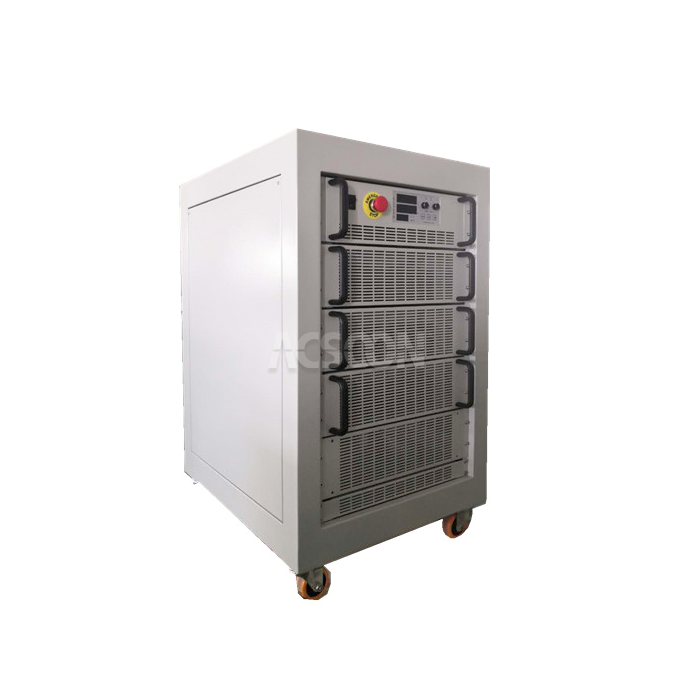
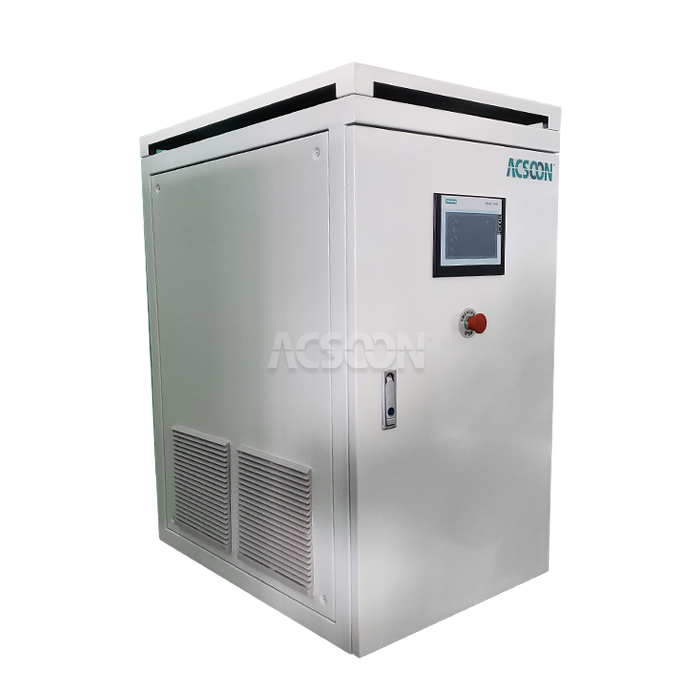
The way an AC to DC power generator is built and the materials that are used make it rugged. Heavy-duty parts are used to make these inverters so they can handle vibrations, high temperatures, and physical stress. A strong chassis that can withstand pressure and corrosion is often made from high-grade metals and advanced polymers. The ADCW-54020 model, which has a power rating of 11kW, is a good example of this strong design theory. When working in places that shake a lot, the inside parts are often made stronger and kept in place to keep them from breaking or moving. Also, tough AC to DC power inverters often have special cooling systems that keep them running well even when it's very hot outside. These systems can include better heat sinks or liquid cooling.
Environmental Protection Features
AC to DC power inverters need to have a lot of environmental safety features in order to really work in harsh conditions. This includes sealed boxes with high IP (Ingress Protection) ratings that keep out dust, water, and other harmful substances. Also, electromagnetic interference (EMI) shielding is very important because it makes sure that the AC to DC power inverter can work consistently in places with a lot of electromagnetic noise without losing its power or affecting sensitive equipment nearby.
Advanced Electrical Protection Mechanisms
AC to DC power inverters that are built to last have advanced electrical safety systems that make sure they work reliably in harsh conditions. There are safety circuits for overvoltage, undervoltage, overcurrent, and short-circuits that act quickly when there are problems with the electricity. To keep things from getting too hot, thermal management systems are built in. These systems often have clever fan control or thermal shutdown features. For example, the ADCW-54020 model has programmable features that let you precisely control and watch voltage and current values. This makes it more flexible when the load changes. Another important part is surge protection, which keeps the inverter and any equipment connected to it safe from power spikes that can happen in factories or when lightning hits. Some more advanced models can even diagnose themselves and can be monitored from afar, which lets you do preventative maintenance and cuts down on downtime in important uses.
How Does Environmental Testing Ensure AC to DC Power Inverter Reliability?
Temperature and Humidity Testing
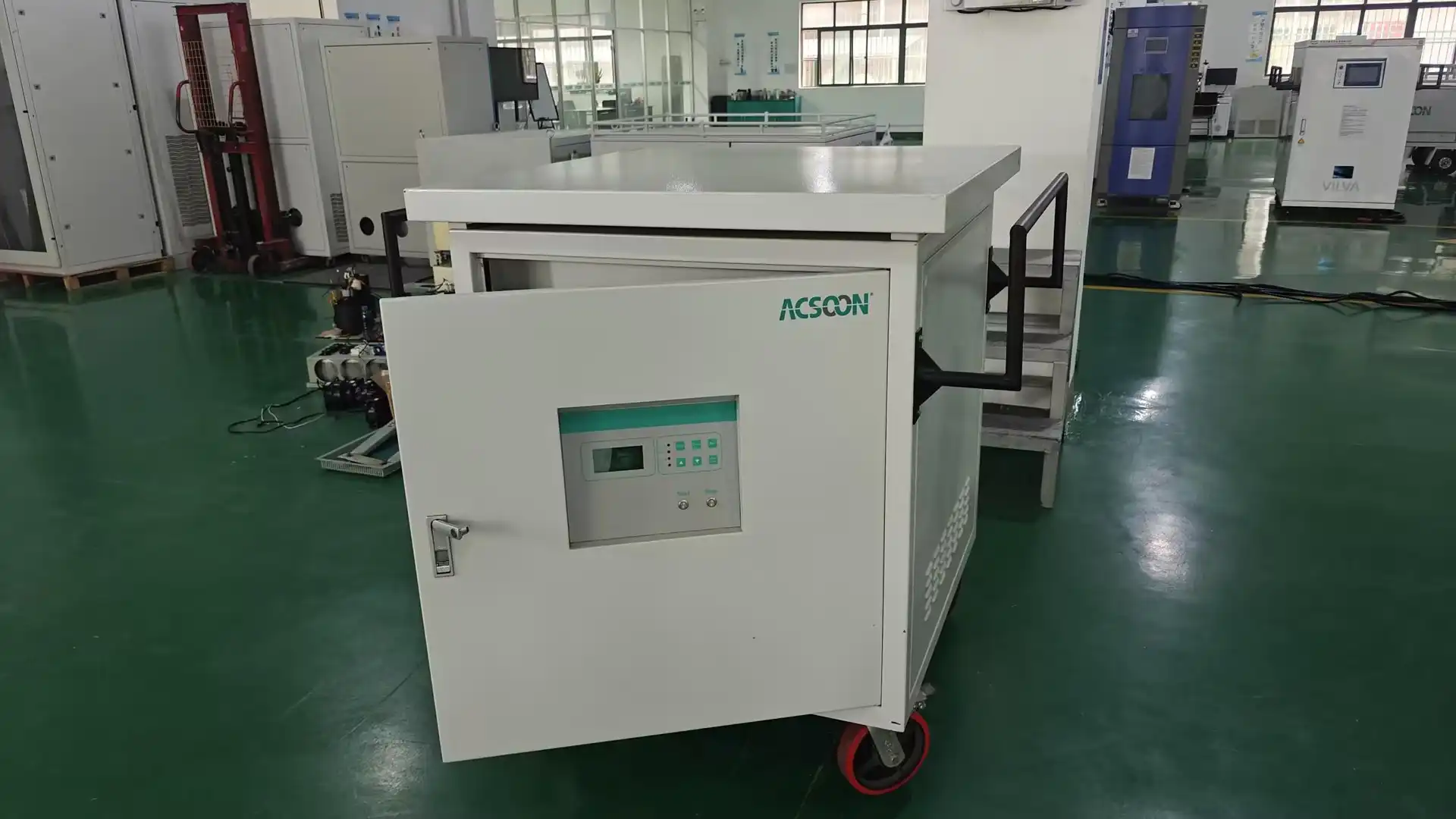
Testing in harsh environments is a very important part of making sure that AC to DC power transformers work well. It is very important to test for temperature and humidity because these things can have a big effect on computer parts. Tests called "thermal cycling" put rugged inverters through extreme temperature changes that are meant to mimic real-life situations. This process helps find places where materials or designs might be weak and cause things to fail. Humidity testing checks to see if the generator can work in places with a lot of moisture without losing its performance or rusting. With its industrial-grade design, the ADCW-54020 model goes through a lot of tests to make sure it can keep its 540VDC, 20A output even when the weather and humidity are tough. For long amounts of time, these tests usually put the inverter through its limits and beyond in environmental chambers that carefully control the temperature and humidity.
Vibration and Shock Testing
You need to test an AC to DC power generator for both vibration and shock if you want to use it in a mobile or high-vibration area. A set of tests is done on the inverter that makes it feel like it is being moved or used in factories, cars, or planes. The inverter is shaken at different frequencies and amplitudes, typically in more than one direction, to make sure that all of its parts stay in place and work right. The shock test, on the other hand, sees how well the transformer can handle drops or hits that happen quickly. ACSOON inverters are built to be very tough. In these steps, they try to see if the internal parts, connections, and cases can stay together even when they're under a lot of mechanical stress. This kind of testing is especially important for places where things are always shaking, like the battery power systems in cars or planes, which could get shocked.
Electromagnetic Compatibility (EMC) Testing
Testing for Electromagnetic Compatibility (EMC) is necessary to make sure that AC to DC power inverters can work effectively in places with a lot of electromagnetic interference without messing up other electronic systems. There are two main parts to this test: emissions and vulnerability. Emissions testing makes sure that the inverter doesn't make electromagnetic noise that could mess up other electronics, and susceptibility testing makes sure that the inverter can still work properly when it is exposed to electromagnetic fields from the outside. It is very important for rugged inverters like the ADCW-54020 to pass EMC tests because they may be used in industrial settings with different radiation sources. A lot of the time, these tests measure both radiated and transmitted emissions and check for resistance to electrostatic discharge, radio-frequency electromagnetic fields, and electrical fast transients. The fact that high-quality AC to DC power transformers can keep their 540VDC output stable even when electromagnetic disturbances are present is proof of their strong design and shielding.
Where Are Rugged AC to DC Power Inverters Commonly Applied?
Industrial and Manufacturing Environments
Rugged AC to DC power inverters are used a lot in manufacturing and industrial areas where dependability and performance in harsh conditions are very important. In these places, inverters like the ADCW-54020 are used to run motors, power important machines, and help with different production steps. Because they can give a stable 540VDC output at 20A, these inverters are great for computers and other machines that need a steady power source. People make rugged inverters so that they can work in places with a lot of dust, chemicals, and very high or low temperatures, like factories. AC to DC power transformers today can be programmed to change to meet the needs of different businesses. Cycling voltage and current can be used to check how old electrical parts are or to check electronics that are being made. They are made to last, and they have improved safety features that make sure they work well in harsh industrial settings with less downtime and more power.
Aerospace and Defense Applications
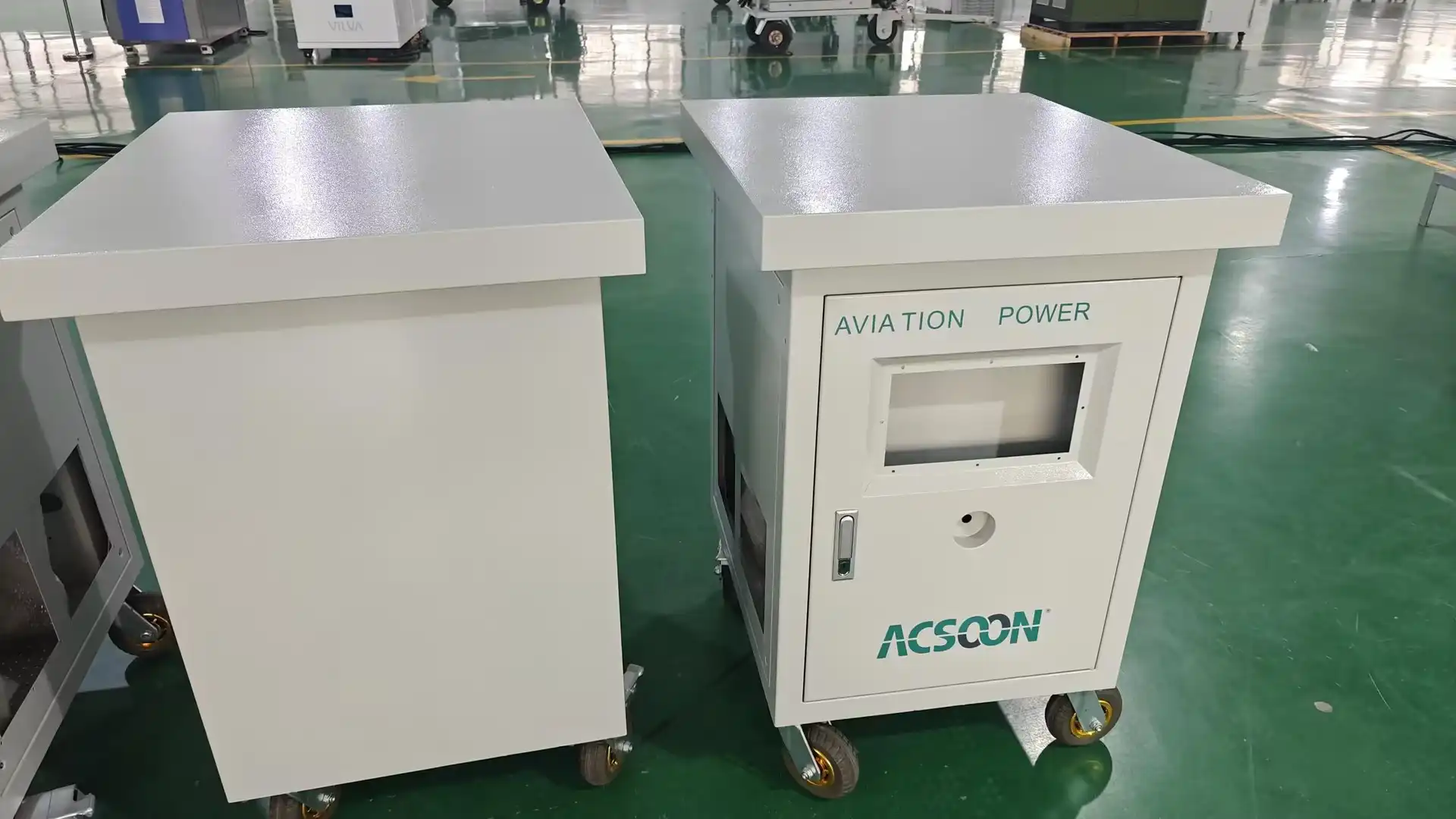
For the military and defense industry, rugged AC to DC power inverters are very important. They power important equipment on ships, planes, and vehicles on the ground. Military standards are very strict about how reliable, long-lasting, and well they work in difficult conditions. Inverters are used in these ways. The ACSOON name focuses on power systems for aviation and the military, so their inverters work especially well in these tough conditions. These transformers are used to power things like communication systems, weapon systems, and electronics on board. For aircraft uses, it's important to be able to handle high altitudes, extreme temperatures, and strong vibrations. For defense purposes, tough AC to DC power converters must also be able to work on the battlefield, where they may be exposed to electromagnetic pulses and possible impacts from bullets. Advanced inverters like the ADCW-54020 are especially useful in these situations because they can be programmed and monitored remotely. This lets adjustments and diagnostics be made in real time during important tasks.
Remote and Harsh Environmental Operations
For things that need to be done in remote areas or places with harsh weather, like oil and gas exploration, mining, and scientific research in very hot or very cold places, rugged AC to DC power inverters are very important. These kinds of inverters need to work all the time with little care, and they're often put in places that are hard to get to for fixes or replacements. It's strong and makes a lot of power, so the ADCW-54020 type is great for use on remote drilling sites, study stations in the Arctic, or solar installations in the desert. Electricity from clean sources like the sun or the wind is often changed into DC power that buildings and tools can use with these transformers. In these cases, they need to be able to handle high humidity, extreme temperatures, salt spray, and other bad weather. Plus, modern AC to DC power inverters can be set up to allow tracking and control from afar, so workers can keep an eye on power systems from afar. This feature comes in handy at remote sites where no one or very few people are working. These sites need stable power conversion to keep things running and keep people safe.
Conclusion
In conclusion, rugged AC to DC power inverters have shown that they can work in harsh environments by being well-built, having improved safety features, and being tested thoroughly. Models like the ADCW01-54020 show how reliable and high-performing things need to be in tough industrial, military, and remote settings. These inverters will become more and more important as technology keeps getting better for running our hardest tasks. If you need reliable power solutions for harsh environments, you can talk to experts like Xi'an Jerrystar Instrument Co., Ltd, who are known for their ACSOON brand power converters. They can make solutions that fit your unique operational needs.
For more information or to discuss custom power solutions, please contact Xi'an Jerrystar Instrument Co., Ltd at acpower@acsoonpower.com.
FAQ
Q: What is the power rating of the ADCW01-54020 model?
A: The ADCW01-54020 model has a power rating of 11kW.
Q: Can rugged AC to DC power inverters be customized for specific applications?
A: Yes, many manufacturers, including ACSOON, support custom-made solutions to meet specific application requirements.
Q: What environmental factors are considered in the testing of rugged AC to DC power inverters?
A: Testing typically includes temperature extremes, humidity, vibration, shock, and electromagnetic compatibility.
Q: Are rugged AC to DC power inverters suitable for use in aerospace applications?
A: Yes, many rugged inverters are designed to meet stringent aerospace and military standards for use in aircraft and other aerospace applications.
Q: What protection features are common in rugged AC to DC power inverters?
A: Common protection features include overvoltage, undervoltage, overcurrent, short-circuit, and thermal protection.
Q: Can rugged AC to DC power inverters be remotely monitored and controlled?
A: Yes, many advanced models offer remote monitoring and control capabilities through interfaces like RS232, RS485, or LAN.
References
1. Smith, J. (2022). "Advancements in Rugged Power Conversion Technology for Extreme Environments." Journal of Industrial Electronics, 45(3), 278-295.
2. Johnson, A. et al. (2021). "Environmental Testing Protocols for High-Reliability Power Inverters." IEEE Transactions on Power Electronics, 36(8), 9102-9115.
3. Brown, R. (2023). "Application of AC to DC Power Inverters in Aerospace Systems: A Comprehensive Review." Aerospace Engineering Review, 18(2), 145-160.
4. Lee, S. and Park, C. (2022). "Electromagnetic Compatibility Challenges in Modern Power Inverter Design." International Journal of EMC, 29(4), 412-428.
5. Wilson, T. (2021). "Thermal Management Strategies for High-Power Inverters in Harsh Environments." Journal of Thermal Engineering, 12(1), 78-93.
6. Garcia, M. et al. (2023). "Reliability Analysis of Rugged Power Inverters in Remote Industrial Applications." Reliability Engineering & System Safety, 221, 108305.