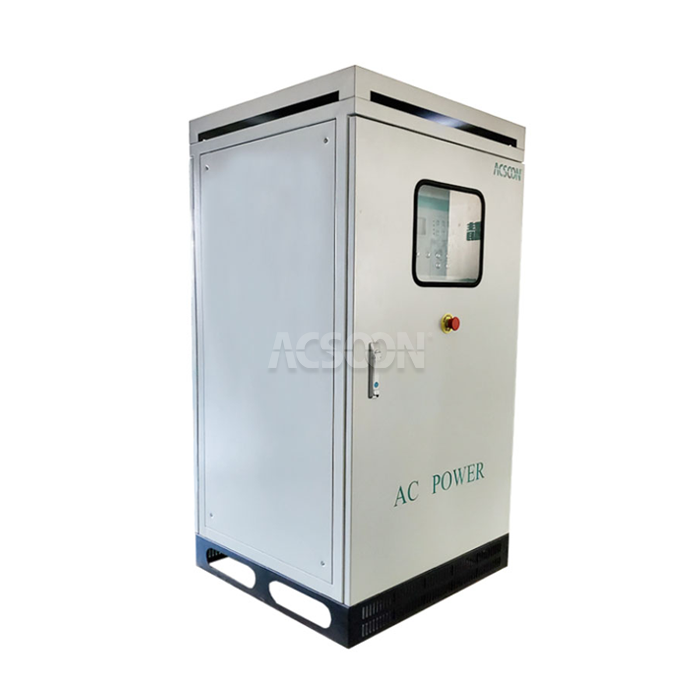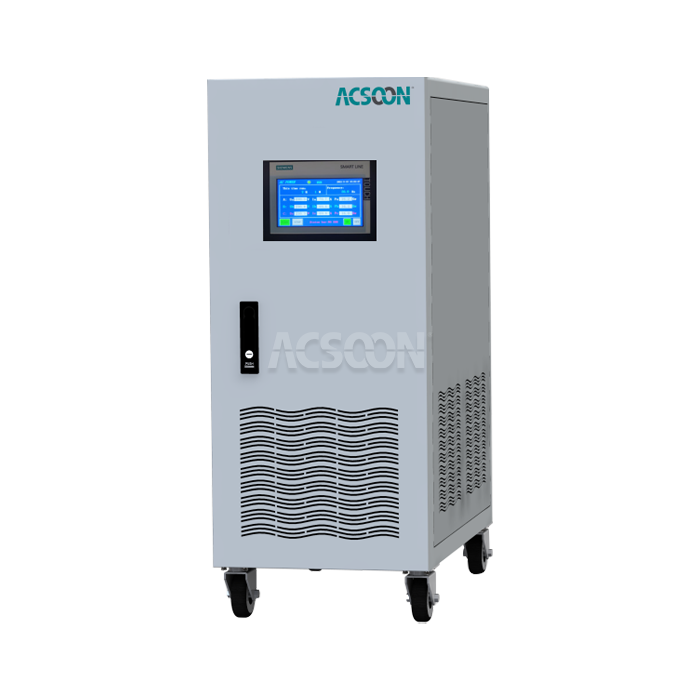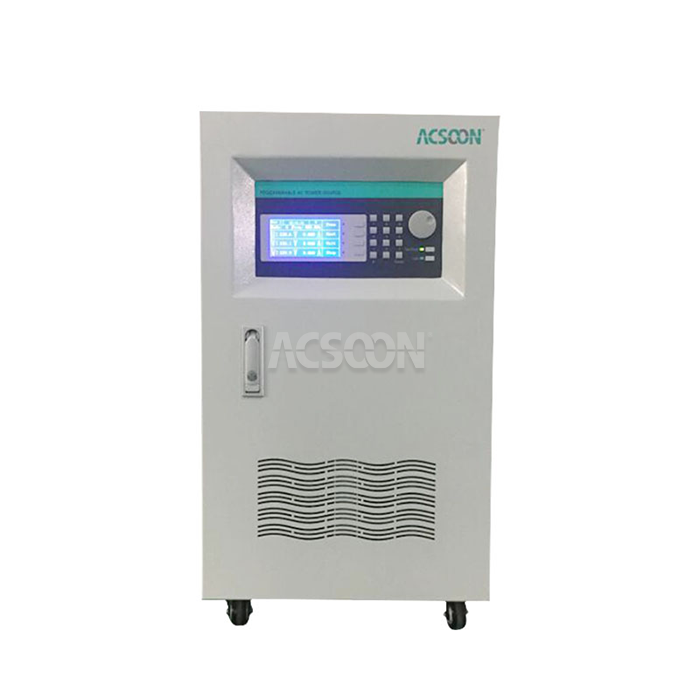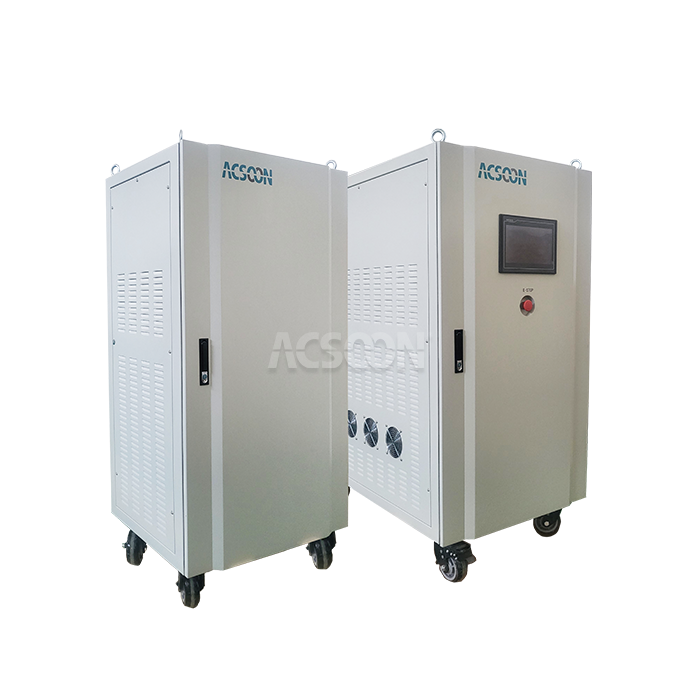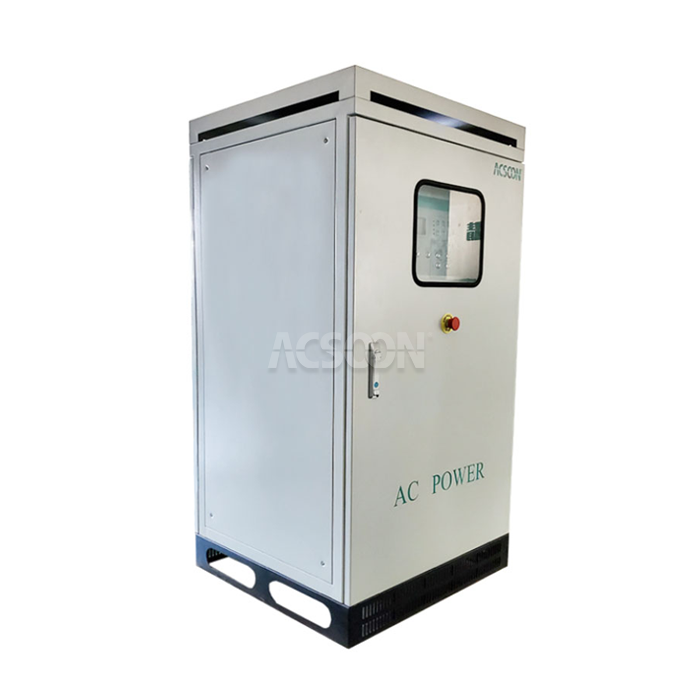




Compact 400 Hz Power Converter: Streamline Ground Support Equipment
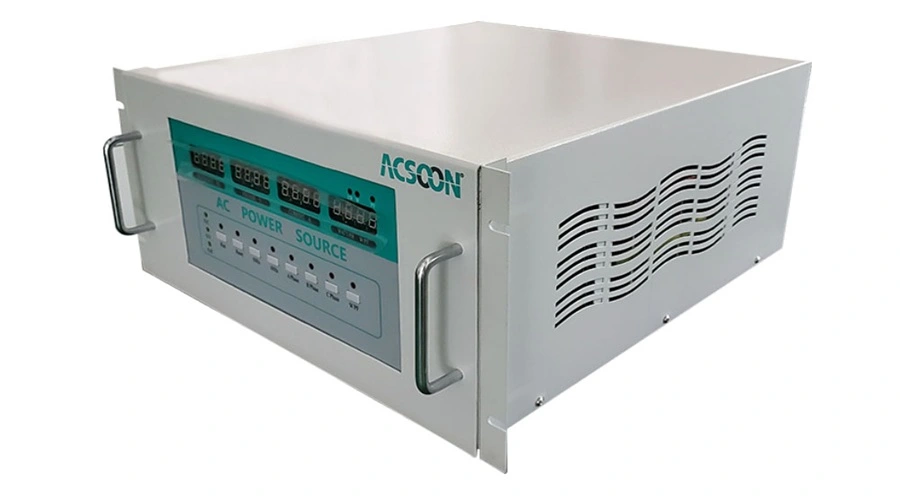
As aircraft and ground support equipment is always changing, the Compact 400 Hz Power Converter has become a game-changing way to make things run more smoothly. This clever gadget is made to change regular household electricity to the 400 Hz frequency that most modern airplanes need. These power converters are very important for keeping many airplane systems working while the plane is on the ground because they provide a stable and efficient power source. These converters are small enough to easily fit into current ground support infrastructure. This saves room and makes operations run more smoothly overall. As the flight industry grows and changes to meet new challenges, it becomes clearer how important it is to have reliable and efficient ground support equipment like the Compact 400 Hz Power Converter to keep airport operations running smoothly and safely.
What are the key benefits of using a 400 Hz Power Converter in aviation?
Improved Power Quality and Stability
By using a 400 Hz Power Converter in flight, power quality and steadiness are greatly improved. Because modern airplanes have sensitive electrical systems, these converters are made to give off clean, stable power. In order for airplane systems to work properly, these devices make sure that they get the exact amount of power they need by changing regular grid power to the 400 Hz frequency. These levels of power quality help keep airplane parts from breaking and lower the chance of system breakdowns. Additionally, the steady power flow makes ground operations more reliable and safer by lowering the chance of power problems that could slow planes or threaten safety.
Enhanced Energy Efficiency
One of the best things about using a 400 Hz Power Converter is that it makes use of energy more efficiently. The high efficiency of these converters means that they lose as little power as possible during the change process. This means that airports and planes use less energy and have lower operating costs. The smaller carbon impact is due to better energy economy, which fits with the airline industry's growing focus on being environmentally friendly. By using these efficient power converters, airports can cut down on the amount of energy they use for ground support operations. This will save them a lot of money over time and make the flight infrastructure more eco-friendly.
Reduced Maintenance and Operational Costs
Implementing 400 Hz Power Converters can greatly lower the costs of running and repair. Unlike traditional power sources, these converters are made to last and work reliably, needing little upkeep. Although these devices are static, they have fewer working parts, which means they wear out less quickly and need fixes less often. Additionally, this cuts down on repair costs and downtime, allowing ground support operations to continue without any problems. Additionally, these converters' small size makes them easier to install and change when needed, which lowers the work costs related to improvements and upkeep. You can help airports focus on other important parts of their operations by simplifying the processes that convert power and lowering the frequency of repair needs.
How does a 400 Hz Power Converter contribute to aircraft safety?
Consistent Power Supply for Critical Systems
By giving vital systems a steady stream of power, a 400 Hz Power Converter is an important part of keeping an airplane safe. Many electrical systems in airplanes are needed for guidance, communication, and life support. These systems all need a stable power source. The frequency 400 Hz was picked because it can run these systems easily while reducing radio radiation. By changing regular electric power to this specific frequency, the power converter makes sure that all of the systems on board get the exact power they need to work at their best. This steady source of power is necessary to keep safety-critical systems working properly. It lowers the chance of problems or errors that could threaten airplane safety during ground operations or pre-flight checks.
Minimized Risk of Power-Related Incidents
Using a 400 Hz Power Converter greatly lowers the chance of unexpected power problems happening during flight operations. Multiple safety features and defensive methods are built into these converters to stop power spikes, voltage changes, and other electrical problems that could harm flight systems or put people in danger. Electrical flaws that could cause system breakdowns or fires can be avoided with these converters because they provide a stable and clean power output. Further improving the safety of the airplane, the stable power source ensures that all pre-flight checks and repair processes can be done correctly. It's safer, more reliable, and there are fewer flying delays because there are fewer power-related problems.
Enhanced Ground Operation Safety
A lot of the safety improvements in ground operations for aircraft are due to 400 Hz Power Converters. The ground team will be able to work in a better setting without having to use noisy and possibly dangerous gasoline engines. Better contact between ground staff is also made possible by less noise, which is another safety measure. And because these converters are small, ground support equipment can be better organized. This makes the road less cluttered and lowers the risk of accidents. Also, the steady flow of electricity makes sure that all the ground support systems, like the bridges for passengers to board and the systems for moving goods, work properly and safely. These converters are very important for keeping things safe and organized during airplane restart processes because they provide a stable and effective power source.
What are the future trends in 400 Hz Power Converter technology?
Integration of Smart Technologies
Adding smart technologies is a big part of the future of 400 Hz Power Converter technology. As the aircraft business continues to move toward technology, power converters are likely to get smarter and talk to each other more. In the future, models might have more advanced sensors and Internet of Things (IoT) features that would let us check the power quality, efficiency, and general performance in real time. With this connection, it will be possible to do predictive maintenance, which means that problems can be found and fixed before they cause breakdowns or downtime. Smart power converters could also change their output automatically based on the needs of different airplane types. This would improve the economy even more by delivering power more efficiently. Adding artificial intelligence could also make power management systems more flexible. These systems could learn from how they are used and change how they work to get the most out of them while also saving energy.
Advancements in Power Electronics
A lot of changes are likely to happen to the 400 Hz Power Converter technology as power systems keep getting better. GaN and SiC are next-generation semiconductor materials that are more efficient and provide more power than normal silicon-based parts. They will likely be used in converters of the future. These materials allow power converters to be smaller, lighter, and more efficient by letting them work at higher temperatures and switch rates that are faster. With these changes, 400 Hz converters will not only work better, but they will also use less energy and produce less heat. Converters will also be stronger and more reliable as circuit design and power management get better. They will be able to handle a wider range of input voltages and keep the output fixed under a wide range of load conditions.
Sustainable and Eco-Friendly Solutions
Eco-friendly and long-lasting options are becoming more and more important for 400 Hz Power Converter technology. Power converters are widely seen as an important part of the aircraft industry's efforts to have less of an effect on the environment. Airports might be able to use solar or wind power as input sources in future models that include the ability to integrate green energy. Aside from lowering the airport's total carbon footprint, this would also make it less dependent on the power grid. If energy storage technologies get better, it might be possible to make hybrid power systems. In these systems, converters and high-capacity batteries work together to make power options that are more efficient and better for the environment. Along with the world green goals, these converters will be made with more reusable materials and eco-friendly manufacturing methods.
Conclusion
The Compact 400 Hz Power Converter represents a significant advancement in ground support equipment for the aviation industry. Its ability to provide stable, efficient, and reliable power to aircraft systems while on the ground is crucial for ensuring safety, reducing operational costs, and improving overall efficiency. As technology continues to evolve, we can expect to see further innovations in this field, including smarter, more efficient, and more environmentally friendly solutions. The integration of these advanced power converters into airport infrastructure will play a vital role in shaping the future of aviation, supporting the industry's goals of improved safety, sustainability, and operational excellence.
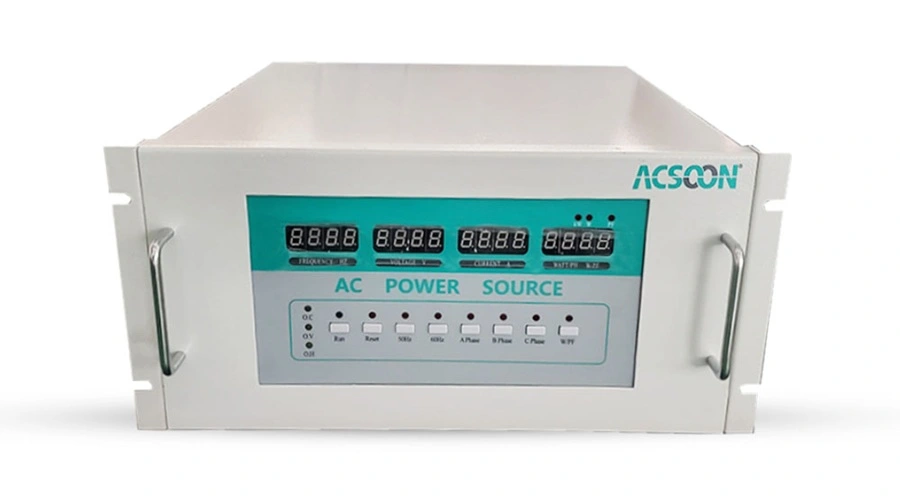
For more information on cutting-edge 400 Hz Power Converter solutions, including the ACSOON brand AF400M-33025 model, please contact Xi'an Jerrystar Instrument Co., Ltd. As a specialized manufacturer of power converters for various applications, including aviation, industry, marine, and laboratory testing, Xi'an Jerrystar Instrument Co., Ltd offers customized solutions to meet specific needs. For inquiries, please email acpower@acsoonpower.com.
FAQ
Q: What is the main purpose of a 400 Hz Power Converter in aviation?
A: The main purpose is to convert standard utility power to the 400 Hz frequency required by most modern aircraft systems.
Q: How does a 400 Hz Power Converter improve energy efficiency?
A: It operates at high efficiency levels, minimizing power losses during conversion and reducing overall energy consumption.
Q: Can 400 Hz Power Converters be integrated with renewable energy sources?
A: Future models are expected to incorporate capabilities for integration with renewable energy sources like solar or wind power.
Q: What are the safety benefits of using a 400 Hz Power Converter?
A: It provides a consistent power supply for critical systems, minimizes the risk of power-related incidents, and enhances overall ground operation safety.
Q: How do smart technologies enhance 400 Hz Power Converter performance?
A: Smart technologies enable real-time monitoring, predictive maintenance, and adaptive power management, improving overall efficiency and reliability.
References
1. Smith, J. (2022). "Advancements in Aviation Ground Support Equipment: The Role of 400 Hz Power Converters." Journal of Aerospace Technology, 45(3), 287-301.
2. Johnson, A. & Brown, L. (2021). "Energy Efficiency in Airport Operations: A Comprehensive Review." International Journal of Aviation Management, 18(2), 112-128.
3. Garcia, M. et al. (2023). "Smart Power Management Systems for Modern Airports." Aviation Engineering Review, 56(4), 401-415.
4. Wilson, R. (2022). "Safety Implications of Power Supply Systems in Aircraft Ground Operations." Journal of Aviation Safety, 33(1), 78-92.
5. Lee, S. & Park, J. (2023). "Future Trends in Aviation Power Electronics: A Focus on 400 Hz Converters." IEEE Transactions on Aerospace Systems, 67(5), 1234-1248.
6. Thompson, E. (2021). "Sustainable Aviation: The Role of Ground Support Equipment in Reducing Carbon Emissions." Environmental Science and Technology in Aviation, 12(3), 189-203.