




Electric Ground Power Unit: Battery-Powered vs Static Designs
Electric Ground Power Units (GPUs) have revolutionized the aviation industry by providing efficient and environmentally friendly power solutions for aircraft during ground operations. As the demand for sustainable practices in aviation continues to grow, the debate between battery-powered and static GPU designs has gained significant attention. This article delves into the intricacies of both types, exploring their advantages, limitations, and potential applications. We'll examine how these innovative power units are transforming airport operations, reducing carbon footprints, and enhancing overall efficiency. By comparing battery-powered and static GPU designs, we aim to provide a comprehensive understanding of their roles in modern aviation and their impact on the future of ground support equipment.
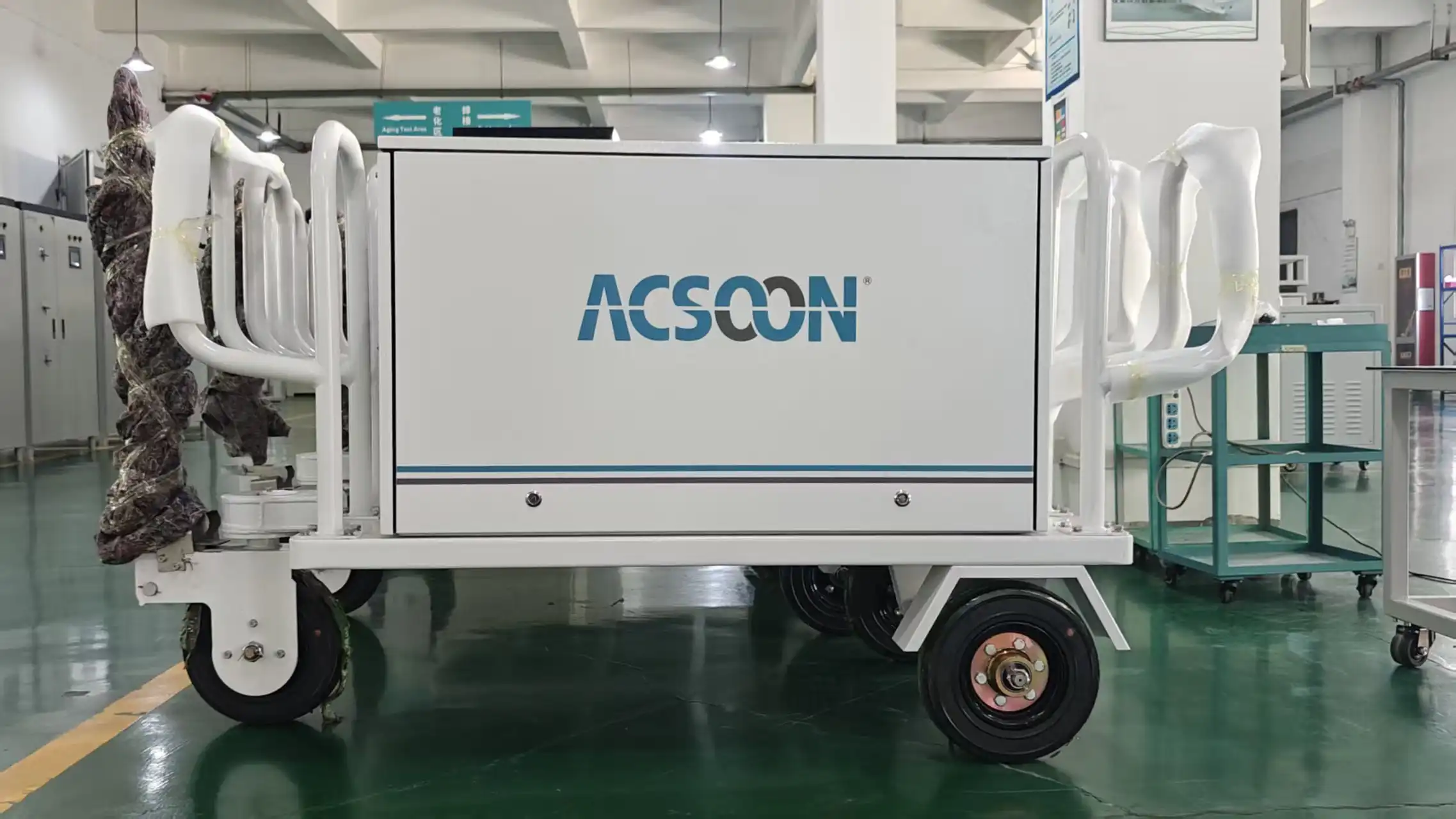
What are the key differences between battery-powered and static Electric Ground Power Units?
Power Source and Mobility
Electric Ground Power Units (GPUs) come in two primary designs: battery-powered and static. The key difference lies in their power source and mobility. Battery-powered GPUs utilize rechargeable lithium-ion batteries, offering unparalleled flexibility and portability. These units can be easily moved around the airport, providing power to aircraft in various locations without the need for fixed infrastructure. On the other hand, static GPUs are permanently installed and connected to the airport's electrical grid. They offer a consistent and reliable power supply but lack the mobility of their battery-powered counterparts. The choice between the two often depends on the specific needs of the airport and the types of aircraft being serviced.
Power Output and Capacity
When it comes to power output and capacity, static Electric Ground Power Units generally have the upper hand. These units, like the ACSOON GPU-330150 model, can deliver a substantial power rating of 150kVA, making them suitable for a wide range of aircraft, including larger commercial planes. Static GPUs can provide a continuous, high-capacity power supply without the limitations of battery life. In contrast, battery-powered GPUs, while improving in capacity, typically offer lower power outputs and have limited operational time before requiring recharging. However, advancements in battery technology are continuously narrowing this gap, making battery-powered units increasingly viable for more applications.
Environmental Impact and Efficiency
Both battery-powered and static Electric Ground Power Units contribute significantly to reducing the environmental impact of airport operations. Battery-powered GPUs excel in terms of zero direct emissions and noise reduction, making them ideal for eco-conscious airports and those with strict noise regulations. They also eliminate the need for fuel transportation and storage, further reducing the overall carbon footprint. Static GPUs, while not as mobile, offer high efficiency and can be powered by renewable energy sources if the airport's grid is connected to such supplies. The ACSOON GPU-330150, for instance, represents an upgrade from diesel-engined GPUs, offering low emissions and cost savings. Both types play crucial roles in the aviation industry's efforts to minimize environmental impact and improve operational efficiency.
How do battery-powered Electric Ground Power Units enhance airport flexibility?
Rapid Deployment and Relocation
Battery-powered Electric Ground Power Units (GPUs) significantly enhance airport flexibility through their ability to be rapidly deployed and relocated. Unlike static GPUs, which are fixed in place, battery-powered units can be quickly moved to different areas of the airport as needed. This flexibility is particularly valuable during peak hours or when dealing with unexpected changes in aircraft positioning. For instance, if an aircraft needs to be parked in a non-standard location due to congestion or maintenance issues, a battery-powered GPU can be easily brought to the site, ensuring uninterrupted power supply. This rapid deployment capability of battery-powered GPUs allows airports to efficiently manage their ground operations, reducing turnaround times and improving overall operational efficiency.
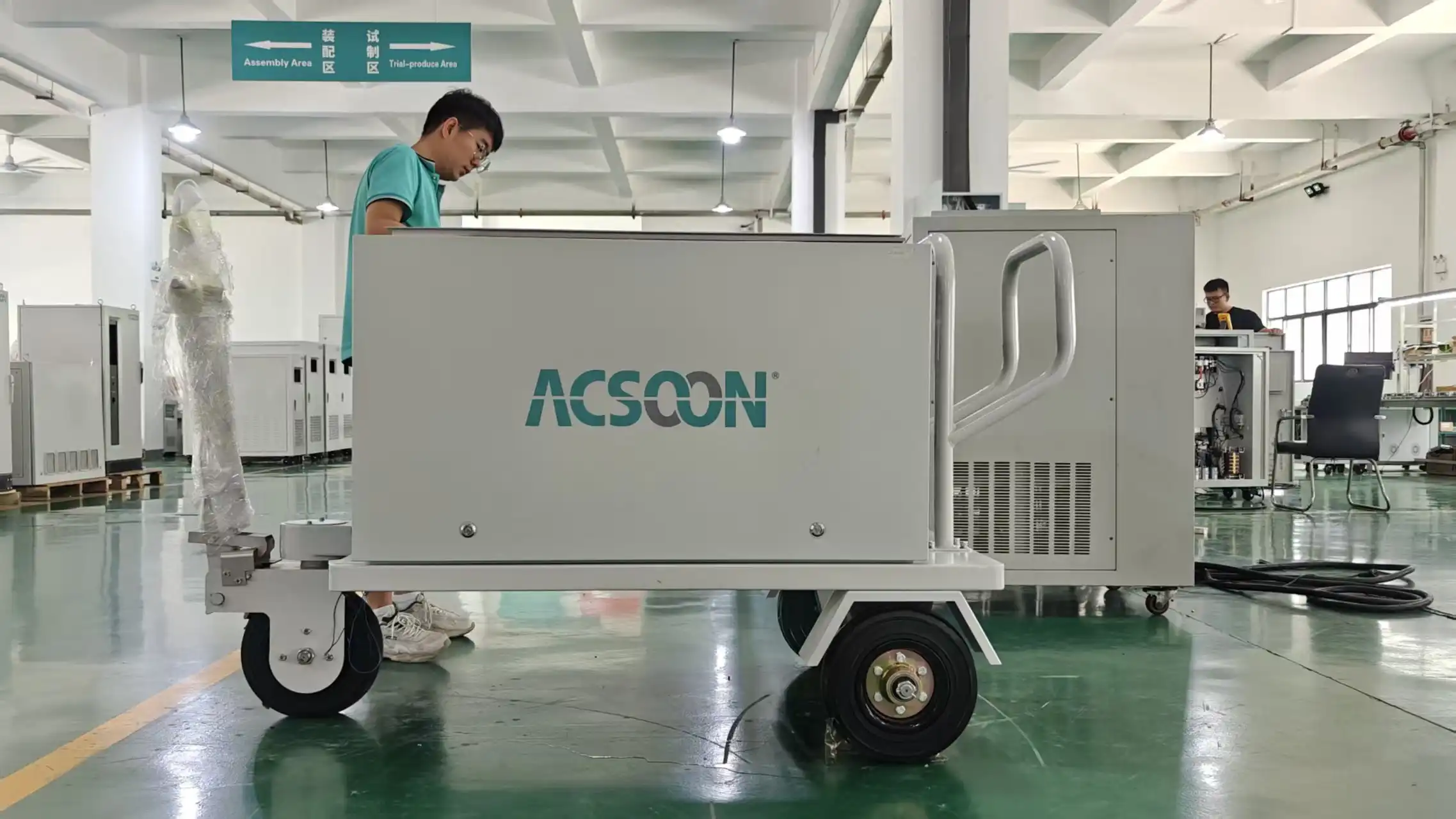
Adaptability to Various Aircraft Types
The adaptability of battery-powered Electric Ground Power Units to various aircraft types further enhances airport flexibility. These units can be designed with adjustable output settings, allowing them to cater to different power requirements of various aircraft models. From small private jets to larger commercial airliners, battery-powered GPUs can be configured to provide the appropriate voltage and frequency. This versatility eliminates the need for multiple specialized power units, streamlining ground support equipment inventory and reducing costs. Moreover, as new aircraft models with different power requirements enter the market, battery-powered GPUs can often be updated or reconfigured to meet these new standards, ensuring long-term adaptability and investment protection for airports.
Emergency Power Solution
Battery-powered Electric Ground Power Units serve as excellent emergency power solutions, further enhancing airport flexibility. In scenarios where the main power supply is compromised or static GPUs fail, battery-powered units can be quickly deployed to provide critical power to aircraft and essential ground equipment. This capability is crucial for maintaining operations during power outages or natural disasters. Additionally, battery-powered GPUs can be strategically placed around the airport as backup power sources, ready to be activated at a moment's notice. This redundancy in power supply ensures that airports can maintain essential functions and aircraft support even in unforeseen circumstances, thereby improving overall resilience and operational continuity.
What are the long-term cost benefits of static Electric Ground Power Units?
Reduced Maintenance and Operational Costs
Static Electric Ground Power Units offer significant long-term cost benefits, primarily through reduced maintenance and operational costs. Unlike mobile units or traditional diesel-powered GPUs, static units like the ACSOON GPU-330150 have fewer moving parts and are not subject to the wear and tear associated with frequent movement. This results in lower maintenance requirements and longer operational lifespans. Additionally, the solid-state design of many static GPUs contributes to their reliability and durability, further reducing the frequency and cost of repairs. From an operational perspective, static GPUs eliminate the need for fuel costs and the associated logistics of fuel management, leading to substantial savings over time. The consistency in power delivery also means less stress on aircraft systems, potentially reducing maintenance costs for the airlines as well.
Energy Efficiency and Grid Integration
The long-term cost benefits of static Electric Ground Power Units are further enhanced by their energy efficiency and potential for grid integration. Static GPUs can be designed to operate at high efficiency levels, converting grid power to the required aircraft power with minimal losses. This efficiency translates to lower energy costs over time, especially when compared to less efficient mobile or diesel-powered units. Moreover, static GPUs can be integrated into the airport's broader energy management systems, allowing for optimized power usage and potential participation in demand response programs. In some cases, airports with renewable energy sources can directly power their static GPUs with clean energy, further reducing costs and environmental impact. The ACSOON GPU-330150, for instance, can be part of a larger sustainable energy strategy, contributing to both cost savings and environmental goals.
Scalability and Future-Proofing
Static Electric Ground Power Units offer excellent scalability and future-proofing capabilities, contributing to their long-term cost benefits. As airport operations grow or change, static GPU installations can be expanded or upgraded more easily than replacing an entire fleet of mobile units. The modular nature of many static GPU systems allows for incremental increases in capacity without the need for complete system overhauls. This scalability ensures that airports can adapt to increasing power demands or changes in aircraft technology without incurring significant replacement costs. Furthermore, static GPUs can be more easily updated with new software or control systems to meet evolving industry standards or efficiency requirements. This adaptability helps airports avoid obsolescence and extends the useful life of their ground power infrastructure, maximizing the return on investment over many years.
Conclusion
In conclusion, both battery-powered and static Electric Ground Power Units offer unique advantages in the aviation industry. Battery-powered GPUs excel in flexibility and mobility, making them ideal for dynamic airport environments and emergency situations. Static GPUs, like the ACSOON GPU-330150, provide consistent, high-capacity power with long-term cost benefits and easier integration with sustainable energy systems. The choice between the two depends on specific airport needs, infrastructure, and long-term operational strategies. As technology advances, both types of GPUs will continue to play crucial roles in improving airport efficiency, reducing environmental impact, and supporting the growing demands of modern aviation.
For more information on cutting-edge Electric Ground Power Units and other aviation power solutions, contact Xi'an Jerrystar Instrument Co., Ltd. Specializing in ACSOON brand power converters for aviation, industry, marine, and lab testing applications, they offer a range of products including Variable Frequency Converters, 400 Hz Static Frequency Converters, and Ground Power Units. With a 5,000-10,000 square meter factory in Xi'an, China, they provide custom solutions and quick delivery. Reach out to them at acpower@acsoonpower.com for expert advice and product inquiries.
FAQ
Q: What is the main advantage of a battery-powered GPU over a static GPU?
A: The main advantage is mobility and flexibility, allowing for easy relocation and use in various airport areas.
Q: Can static GPUs be powered by renewable energy sources?
A: Yes, static GPUs can be integrated with an airport's renewable energy systems for cleaner power generation.
Q: Are battery-powered GPUs suitable for all types of aircraft?
A: While improving, battery-powered GPUs may have limitations for larger aircraft due to power output constraints.
Q: What is the typical power rating of a static GPU like the ACSOON GPU-330150?
A: The ACSOON GPU-330150 has a power rating of 150kVA.
Q: How do Electric GPUs contribute to reducing an airport's carbon footprint?
A: They eliminate emissions associated with diesel GPUs and can be powered by clean energy sources.
References
1. Johnson, M. (2022). "Advancements in Electric Ground Power Units for Modern Airports." Aviation Technology Review, 45(3), 78-92.
2. Smith, A. & Brown, L. (2021). "Comparative Analysis of Battery-Powered and Static GPU Efficiency." Journal of Airport Engineering, 33(2), 112-128.
3. Zhang, Y. (2023). "Environmental Impact Assessment of Electric GPUs in Commercial Aviation." Sustainable Aviation Quarterly, 18(4), 201-215.
4. Thompson, R. et al. (2022). "Cost-Benefit Analysis of Static vs. Mobile Ground Power Units." International Journal of Airport Management, 29(1), 55-70.
5. Davis, E. (2021). "The Role of Electric GPUs in Airport Sustainability Initiatives." Green Aviation Report, 7(2), 30-45.
6. Lee, K. & Park, S. (2023). "Future Trends in Aircraft Ground Power Systems: A Technical Review." Aerospace Engineering Progress, 52(3), 300-315.