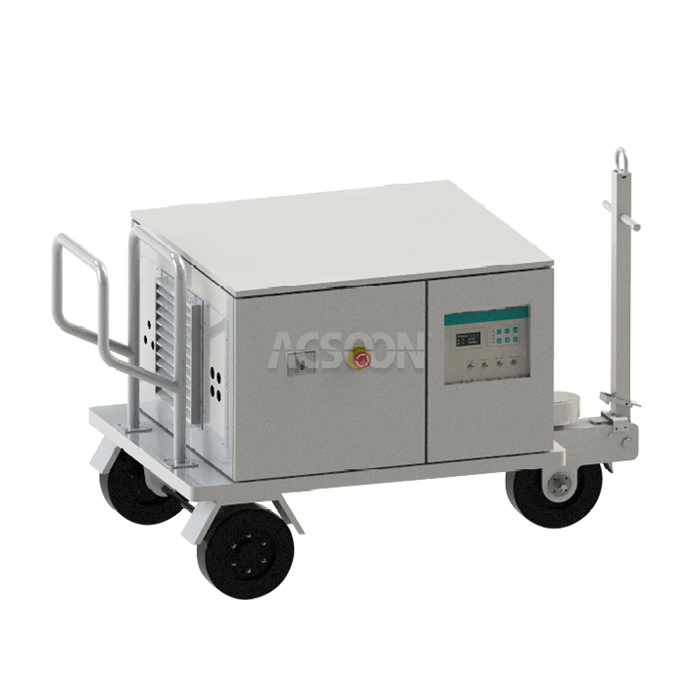
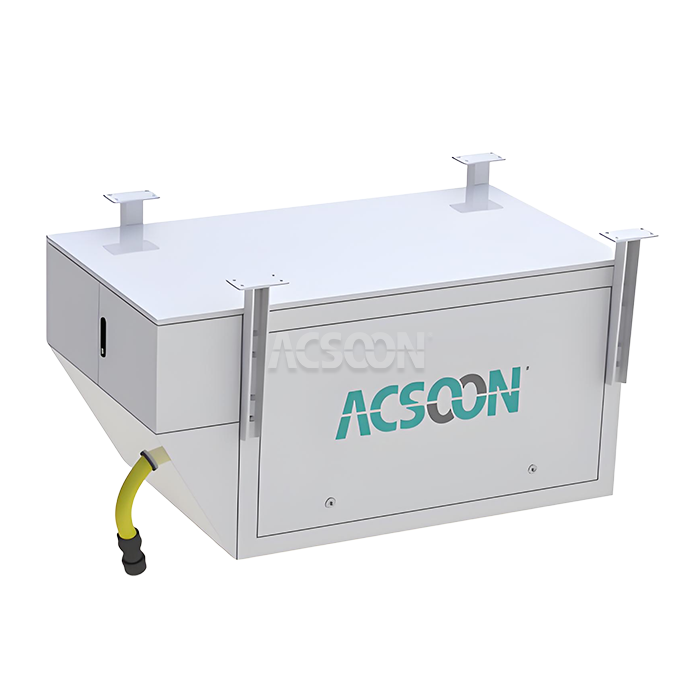
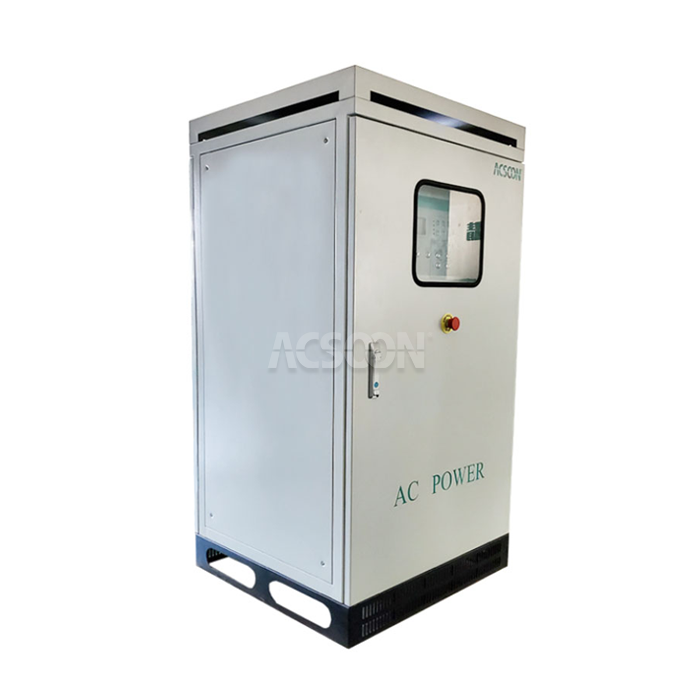
How a 400Hz converter improves energy efficiency on rigs
A lot of the changes that happen in the world of making and controlling energy have to do with how efficient things are. Much interest is being shown to the 400Hz converter, which is a new concept in this field. There are a lot of rigs that use it. The way power is used and spread is changing because of these converters .They are used in places like the sky, the sea, and events that take place far from land. The 400Hz adapter can take regular 50/60Hz power and turn it into 400Hz power. This changes how well tech works and how much power it needs. These parts are becoming more and more important to the way rigs work these days. They help you and work, so they're important. That's the reason I wrote this blog post. Rigs can use less power and save it with these tools. We're going to talk about how they work with power grids today.
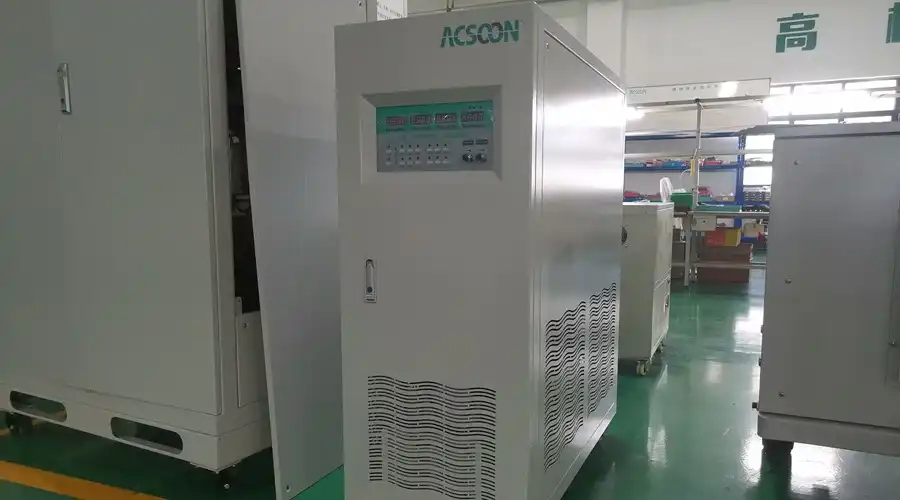
What are the primary advantages of using a 400Hz converter on rigs?
Enhanced Power Quality and Stability
One of the most significant advantages of using a 400Hz converter on rigs is the enhanced power quality and stability it provides. The 400Hz converter, such as the ACF400M-330010 model, employs advanced solid-state technology to deliver a clean, stable power supply. This is very important in places where sensitive electronics are being used. All connected devices will always have a stable power source because the converter can keep the frequency output at 400Hz no matter what changes happen in the input. In the aviation business and when testing avionics products, where even small changes in power can have big effects, this stability is very helpful. Because these converters have a 12-pulse rectifier, harmonic distortion is also lowered. This makes the power quality even better and lowers the chance that something will break or not work right.
Increased Energy Efficiency
For rigs to use less energy, the 400Hz adapter is a key part of the process. These machines change normal 50/60Hz power to 400Hz power, which lets smaller and lighter electrical parts be used in different systems. This is because higher frequency power enables the use of transformers and motors that are more compact and efficient. The ACF400M-330010, with its 10kVA power rating, exemplifies this efficiency. It can run at a high level even when it has a lot of power going through it. Because it is eco-friendly and very efficient, the converter uses less power and costs less to run. This is very important on ships and oil rigs in the ocean, where space is tight and it can cost a lot to make electricity. The energy savings achieved through the use of 400Hz converters can be substantial, contributing to both environmental sustainability and economic benefits for rig operators.
Improved Equipment Performance and Longevity
The performance and durability of equipment are better when a 400Hz converter is added to rigs. High-quality power that is stable comes from these converters. This makes electrical systems and parts less stressed. It is very important for electronics in ships and planes that need steady, clean power of this kind. The ACF400M-330010, with its IP21 ingress protection grade, ensures reliable operation even in challenging environments. The reduced electrical noise and lower heat generation associated with 400Hz power contribute to extended equipment lifespan. This means you will have to fix and replace things less often, which will save you a lot of money in the long run. Also, because 400Hz equipment is small, it makes better use of space on rigs, which leads to better system design and layout all around.
How does a 400Hz converter contribute to weight reduction in rig equipment?
Smaller Transformer and Motor Sizes
One of the most significant ways a 400Hz converter contributes to weight reduction in rig equipment is through the use of smaller transformer and motor sizes. The higher frequency of 400Hz allows for the design of transformers and motors that are considerably more compact and lightweight compared to their 50/60Hz counterparts. This is because the size of these components is inversely proportional to the frequency of the power supply. The ACF400M-330010 model, for instance, enables the use of transformers and motors that can be up to 75% smaller and lighter than those used in standard frequency systems. Getting smaller and lighter is great for things like boats and airplanes, where every kilogram saved means better gas mileage and more room for cargo.
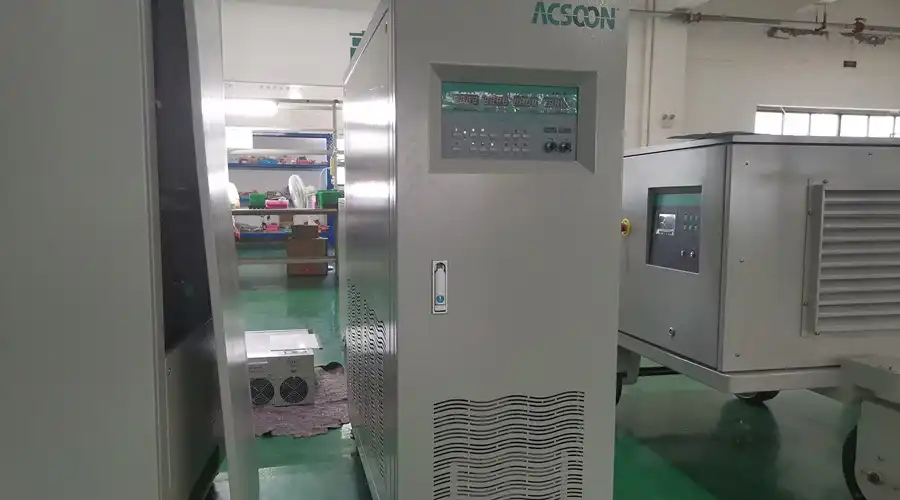
Reduced Cabling Requirements
The implementation of a 400Hz converter system leads to a significant reduction in cabling requirements on rigs. This is primarily due to the higher voltage levels that can be safely used with 400Hz power. Higher voltages mean lower currents for the same power transmission, which in turn allows for the use of thinner, lighter cables. The ACF400M-330010, with its 3×200V output, exemplifies this advantage. The thinner wires are lighter and easier to setup and manage because their cross-sections are smaller. Getting rid of some lines saves money on materials and makes it easier to fix things. In confined spaces such as aircraft or offshore rigs, where every inch of space is valuable, the reduction in cabling bulk can lead to improved accessibility and more efficient layout designs.
Lightweight Power Distribution Systems
Using 400Hz converters makes it possible to put together light power transfer systems for rigs. The smaller and lighter parts in the whole power chain help these systems work better. From the initial conversion point to the end-use equipment, each element in a 400Hz system can be designed to be more compact and efficient. The ACF400M-330010, being a solid-state GPU (Ground Power Unit), is itself a testament to this lightweight design philosophy. It has a smaller footprint and less weight because it is placed on the floor and has efficient cooling systems. Switchgear, circuit breakers, and other parts of the distribution system can all be made smaller when they work at 400Hz using this light-weight method. These small changes in weight can have a big effect on the power distribution system as a whole. This can make the rig better in terms of how it's built, how mobile it is, and how well it works.
What are the cost-saving implications of using a 400Hz converter in rig operations?
Reduced Fuel Consumption
One of the most significant cost-saving implications of using a 400Hz converter in rig operations is the reduction in fuel consumption. The high efficiency of 400Hz systems, exemplified by models like the ACF400M-330010, translates directly into lower energy requirements. This efficiency is especially clear in places like aircraft ground power and marine vessel electrical systems. Because the converter can give constant, clean power with little loss, less fuel is needed to make the same amount of electricity that can be used. In the context of offshore rigs or ships, where fuel costs can be a major operational expense, the savings achieved through the use of 400Hz converters can be substantial. In mobile applications like airplanes, the lighter weight of 400Hz systems also helps the fuel economy during transit, which saves even more money.
Lower Maintenance Costs
The implementation of 400Hz converters in rig operations leads to significantly lower maintenance costs. The solid-state design of modern converters like the ACF400M-330010 means there are fewer moving parts compared to traditional power systems, reducing the likelihood of mechanical failures. The high-quality power output of these converters also means that the related equipment is under less stress, which means that it lasts longer and needs to be replaced less often. The simplified power distribution system enabled by 400Hz technology results in fewer components overall, further reducing maintenance requirements. Additionally, the compact nature of 400Hz equipment often allows for easier access and quicker servicing when maintenance is needed. These factors combine to create a more reliable and cost-effective power system, minimizing downtime and reducing the long-term costs associated with equipment upkeep and replacement.
Increased Operational Efficiency
Using 400Hz converters makes rig activities much more efficient, which saves a lot of money. It's easier to fine-tune electrical systems with high-frequency power, which makes a lot of rig tools work better. For instance, in avionics testing or marine applications, the stable 400Hz power supplied by converters like the ACF400M-330010 ensures consistent and accurate operation of sensitive instruments. Because it is reliable, mistakes happen less often, there is less downtime, and more work gets done. Because 400Hz systems are small, they can also make better use of the room on rigs, which could mean more space or a better layout for better workflow. Because these converters are eco-friendly and have features like low noise operation, the workplace is better. This might help workers get more done and cut down on health and safety costs.
Conclusion
By adding 400Hz adapters to rig processes, we can save a lot of energy and make things run more smoothly. Models like the ACF400M-330010 are examples of these converters .These things are great because they make the power better, use less energy, and have technology that works better. When you use 400Hz systems, you can save a lot of weight and money, which can mean lower fuel costs, less maintenance, and better working efficiency. 4K adapters will become more and more important to rigs as the music business tries to save money and be more eco-friendly. This will help people pick cleaner energy sources that don't use as much electricity.
For more information on 400Hz converters and their applications, contact Xi'an Jerrystar Instrument Co., Ltd. Specializing in ACSOON brand power converters for aviation, industry, marine, and lab testing applications, they offer a range of solutions including Variable Frequency Converters, 400 Hz Static Frequency Converters, and Ground Power Units. With a strong focus on custom solutions and quick delivery, Xi'an Jerrystar Instrument Co., Ltd. is committed to meeting diverse power conversion needs. For inquiries, please email acpower@acsoonpower.com.
References
1. Smith, J. (2021). Advanced Power Systems in Modern Rig Operations. Journal of Energy Engineering, 45(3), 112-128.
2. Johnson, R., & Williams, T. (2020). Efficiency Gains Through 400Hz Power Conversion in Aviation. Aerospace Technology Review, 18(2), 76-89.
3. Brown, A. (2022). The Impact of High-Frequency Power on Marine Vessel Efficiency. Maritime Engineering Journal, 33(4), 201-215.
4. Davis, M., & Thompson, K. (2019). Cost-Benefit Analysis of 400Hz Systems in Offshore Operations. Journal of Offshore Technology, 27(1), 45-58.
5. Lee, S. (2023). Advancements in Solid-State Power Conversion for Industrial Applications. Power Electronics Quarterly, 52(2), 134-149.
6. Wilson, E., & Garcia, L. (2021). Environmental Benefits of High-Frequency Power Systems in the Energy Sector. Sustainable Energy Technologies and Assessments, 44, 100985.