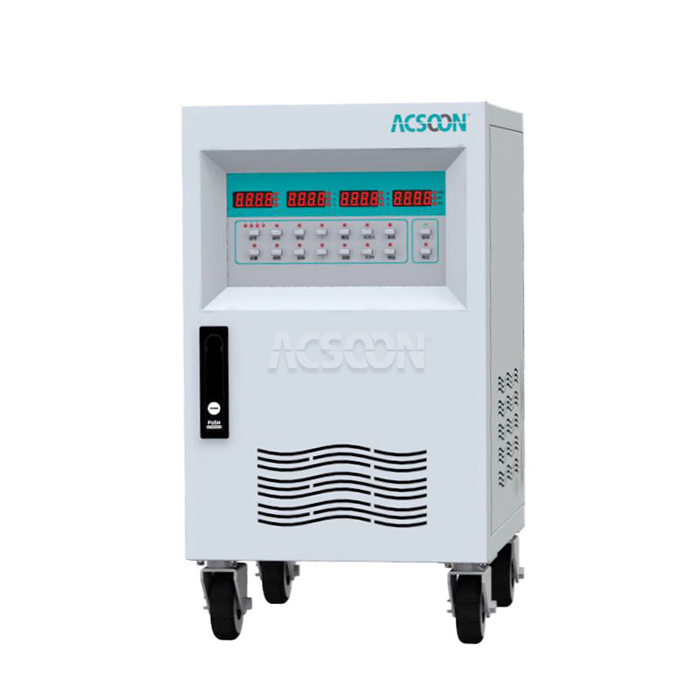
How Do Industrial Inverters DC AC Convert High-Voltage DC Safely?
Industrial inverters DC AC play a crucial role in modern power systems, providing a reliable means of converting high-voltage direct current (DC) to alternating current (AC) for various applications. These sophisticated devices are essential in sectors such as renewable energy, manufacturing, and telecommunications, where efficient power conversion is paramount. The safe conversion of high-voltage DC to AC is a complex process that requires advanced technology and stringent safety measures. Industrial inverters employ various techniques, including pulse width modulation (PWM), insulated-gate bipolar transistors (IGBTs), and sophisticated control algorithms to ensure smooth and safe power transformation. This article delves into the intricacies of how industrial inverters DC AC convert high-voltage DC safely, exploring the key components, working principles, and safety features that make these devices indispensable in today's industrial landscape.
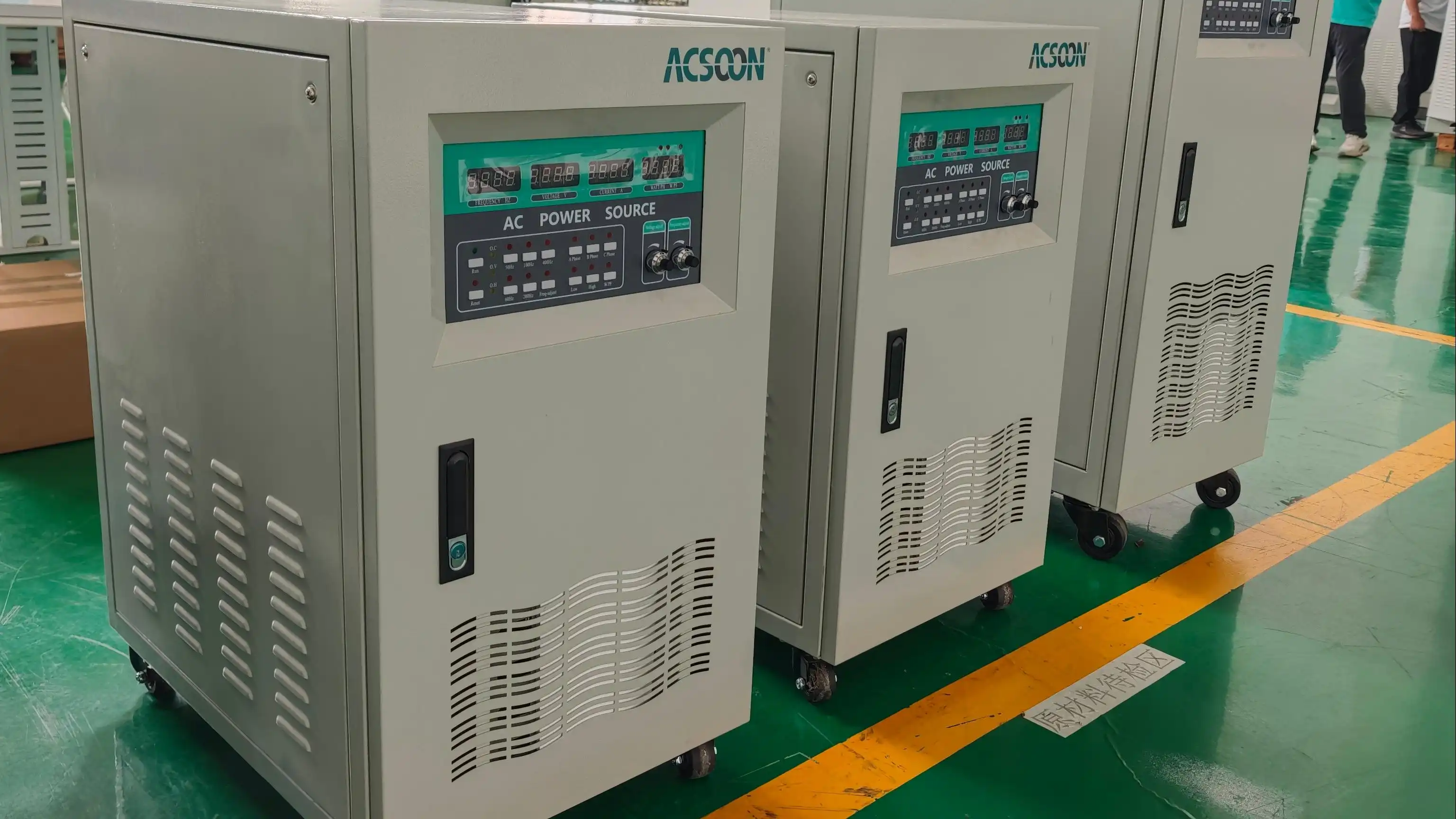
What are the Key Components of Industrial Inverters DC AC?
Power Electronics and Switching Devices
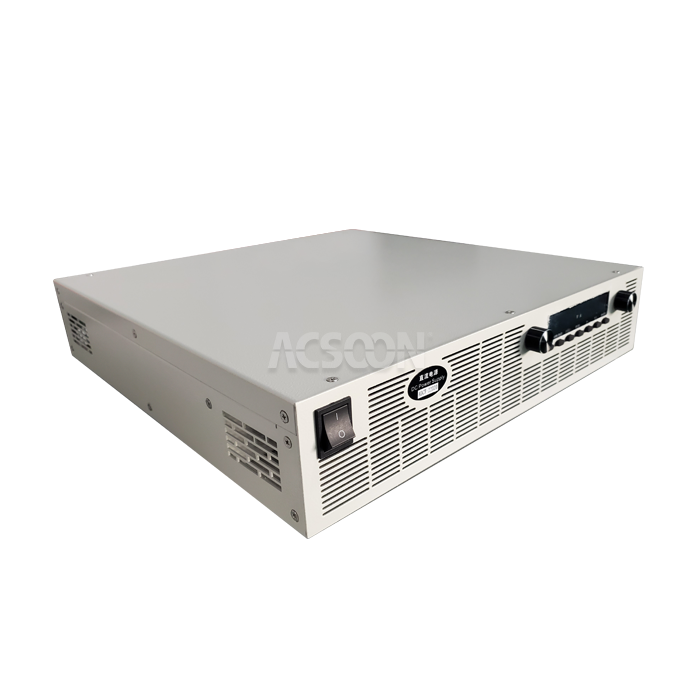
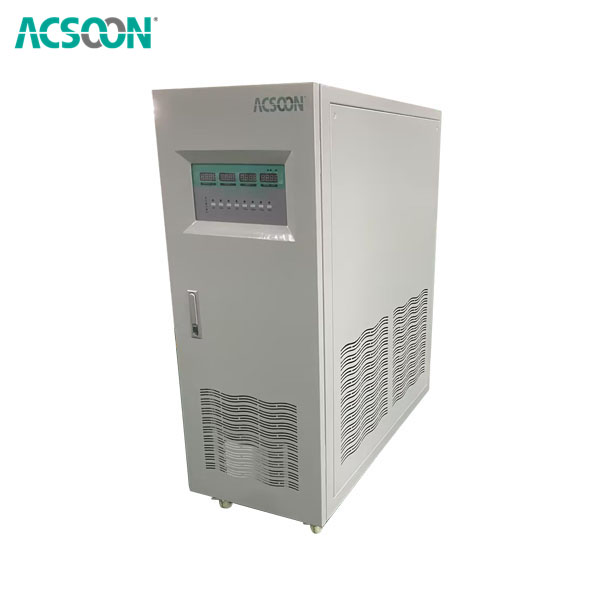
Industrial inverters DC AC rely heavily on advanced power electronics and switching devices to perform their voltage conversion tasks efficiently and safely. At the heart of these systems are high-power semiconductors, such as Insulated Gate Bipolar Transistors (IGBTs) and Metal-Oxide-Semiconductor Field-Effect Transistors (MOSFETs). These components are capable of handling high voltages and currents while maintaining rapid switching speeds. The ANDW110-130010 model, for instance, utilizes state-of-the-art switching devices to manage its 10kVA power rating and wide input voltage range of 110-230VDC. The precise control of these switching elements enables the inverter to generate a pure sine wave output, which is crucial for powering sensitive equipment in various applications, including civil, commercial, industrial, marine, and aviation sectors.
Control Systems and Microprocessors
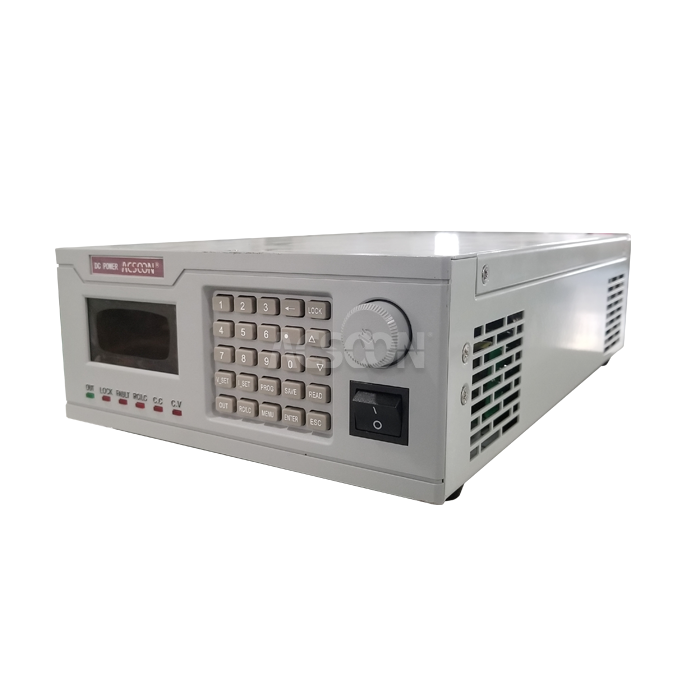
The safe and efficient operation of industrial inverters DC AC is largely dependent on sophisticated control systems and microprocessors. These intelligent components are responsible for monitoring input and output parameters, managing switching sequences, and implementing safety protocols. In high-voltage DC to AC conversion, the control system plays a vital role in maintaining voltage stability and frequency accuracy. For example, the ANDW110-130010 inverter can produce output voltages of 0-150V or 0-300V with frequencies ranging from 50Hz to 60Hz, all precisely regulated by its advanced control system. This level of control ensures that the inverter can adapt to varying load conditions and maintain optimal performance. Additionally, microprocessors in industrial inverters enable features such as overload protection, short circuit prevention, and thermal management, further enhancing the safety and reliability of the DC to AC conversion process.
Isolation and Protection Mechanisms
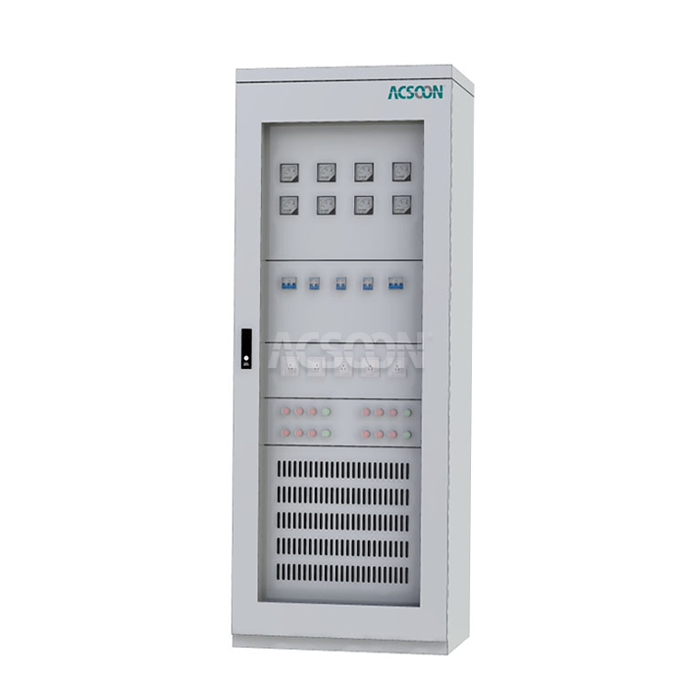
Safety is paramount in high-voltage DC to AC conversion, and industrial inverters DC AC incorporate various isolation and protection mechanisms to ensure safe operation. One key feature of the ANDW110-130010 model is its isolated output transformer, which provides galvanic isolation between the input and output circuits. This isolation is crucial for preventing the transfer of potentially harmful DC components to the AC output and protecting connected equipment from voltage spikes or faults. Moreover, industrial inverters employ multiple layers of protection, including overcurrent protection, overvoltage protection, and thermal protection. These safety features work in tandem to detect and respond to abnormal conditions, shutting down the inverter if necessary to prevent damage to the device or connected systems. The IP21 ingress protection grade of the ANDW110-130010 also ensures that the inverter is protected against solid objects and vertically falling water drops, making it suitable for various industrial environments.
How Does the DC to AC Conversion Process Work in Industrial Inverters?
Rectification and DC Bus Stabilization
The DC to AC conversion process in industrial inverters DC AC begins with the rectification and stabilization of the input DC voltage. For inverters like the ANDW110-130010 that accept a wide range of input voltages (110-230VDC), this stage is crucial for maintaining a consistent DC bus voltage. The input DC is first filtered to remove any ripples or fluctuations. Then, a DC-DC converter may be employed to step up or step down the voltage to the required level for the inverter's DC bus. This DC bus acts as an energy reservoir, providing a stable power source for the subsequent inverting stage. The use of high-capacity capacitors and sophisticated voltage regulation techniques ensures that the DC bus remains stable even under varying load conditions, which is essential for producing a clean AC output.
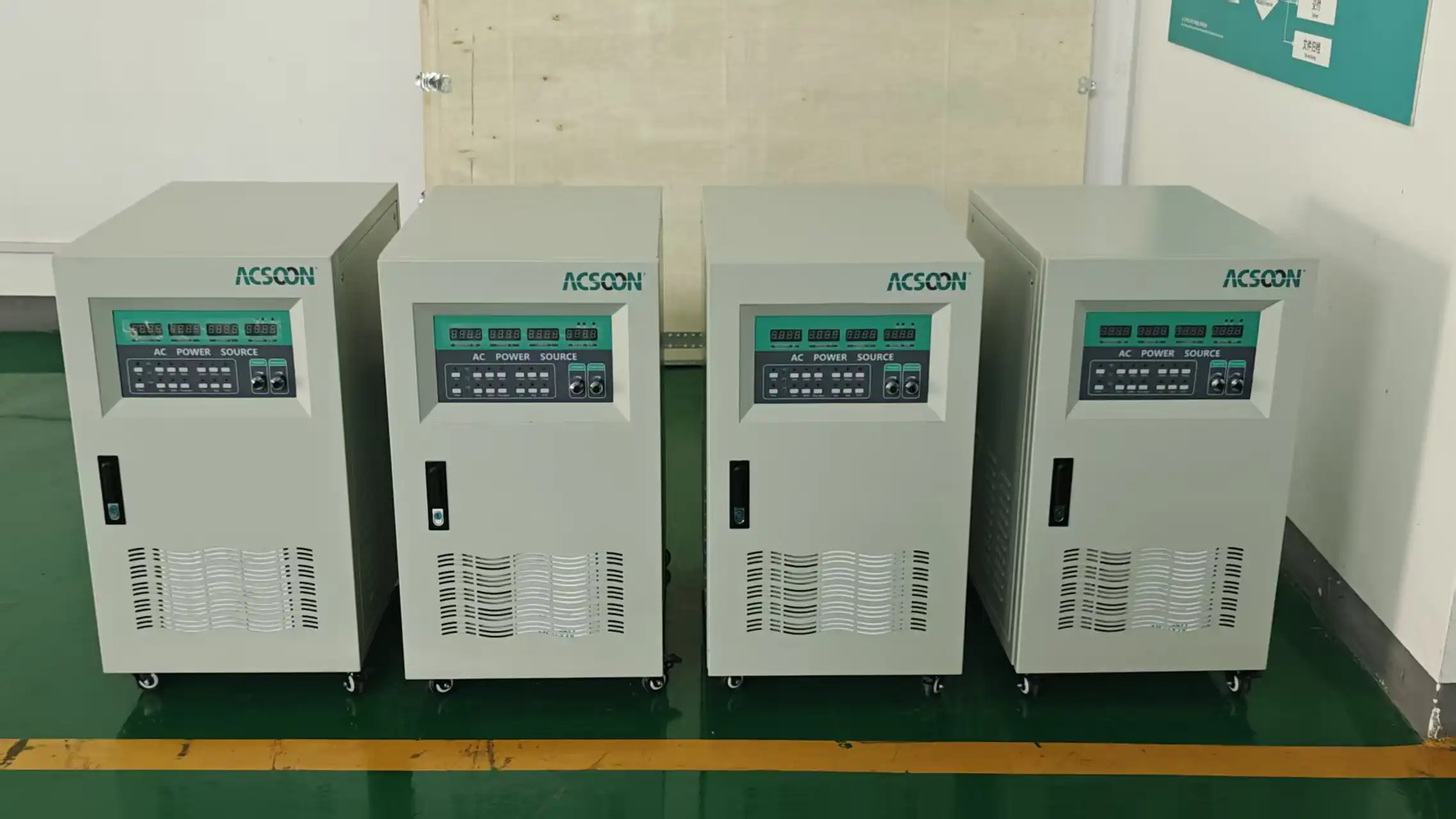
Inverting Stage and Waveform Generation
The heart of the DC to AC conversion process lies in the inverting stage, where the stabilized DC is transformed into AC. Industrial inverters DC AC like the ANDW110-130010 use advanced switching techniques, typically pulse width modulation (PWM), to generate a sinusoidal AC waveform. The inverter's control system rapidly switches the power semiconductors on and off, creating a series of pulses that, when filtered, produce a smooth sine wave. The frequency of this switching can be in the range of several kilohertz to tens of kilohertz, allowing for precise waveform shaping. The ANDW110-130010's ability to produce a pure sine wave output is crucial for powering sensitive equipment in various applications, from civil and commercial to industrial and marine environments. The inverter's control system continuously adjusts the PWM pattern to maintain the desired output voltage and frequency, even as the load changes.
Output Filtering and Conditioning
After the inverting stage, the AC waveform undergoes filtering and conditioning to ensure it meets the required quality standards. Industrial inverters DC AC employ various filtering techniques to remove high-frequency harmonics and smooth out the waveform. This typically involves a combination of inductors and capacitors that form a low-pass filter. In the case of the ANDW110-130010, which features an isolated output transformer, this component also plays a role in filtering and conditioning the output. The transformer not only provides galvanic isolation but also helps in voltage level adjustment and harmonic reduction. Advanced industrial inverters may also incorporate active filtering techniques to further improve the output power quality. The result is a clean, stable AC output suitable for powering a wide range of equipment. The ANDW110-130010's ability to produce outputs of 0-150V or 0-300V at 50Hz or 60Hz demonstrates the flexibility and precision of modern industrial inverters in meeting diverse application requirements.
What Safety Features are Incorporated in Industrial Inverters DC AC?
Overcurrent and Short Circuit Protection
Industrial inverters DC AC incorporate robust overcurrent and short circuit protection mechanisms to safeguard both the inverter and connected equipment. These safety features are designed to detect abnormal current conditions and respond rapidly to prevent damage. In the ANDW110-130010 model, for instance, advanced sensing circuits continuously monitor the output current. If the current exceeds predetermined thresholds, the inverter's control system can initiate a protective shutdown within milliseconds. This quick response time is crucial in high-power applications where even brief overcurrents can cause significant damage. Short circuit protection is equally important, as it prevents catastrophic failures in case of accidental short circuits in the load or wiring. The inverter's control system can detect sudden drops in voltage or spikes in current indicative of a short circuit and immediately cease operation. These protection mechanisms are often designed with redundancy, ensuring that the inverter remains safe even if one protection circuit fails.
Thermal Management and Overload Protection
Effective thermal management is crucial for the safe operation of industrial inverters DC AC, especially in high-power applications. The ANDW110-130010 and similar models employ sophisticated thermal management systems to monitor and control internal temperatures. These systems typically include temperature sensors strategically placed at critical points within the inverter, such as near power semiconductors and transformers. If temperatures approach unsafe levels, the inverter can adjust its operation or initiate a controlled shutdown to prevent damage. Overload protection works in tandem with thermal management, preventing the inverter from operating beyond its rated capacity for extended periods. This feature is particularly important in applications with variable loads, such as in industrial or marine environments. The inverter's control system continuously monitors the power output and can reduce output or shut down if the load exceeds safe levels for too long. This protects both the inverter and the connected equipment from damage due to sustained overloads.
Isolation and Ground Fault Protection
Electrical isolation and ground fault protection are critical safety features in industrial inverters DC AC, especially when dealing with high-voltage DC inputs. The ANDW110-130010 model, for example, features an isolated output transformer, which provides galvanic isolation between the input and output circuits. This isolation is crucial for preventing the transfer of potentially harmful DC components to the AC output and protecting against voltage spikes. Ground fault protection is another essential safety feature, designed to detect any unintended current paths to ground. If a ground fault is detected, the inverter can quickly disconnect to prevent electric shock hazards and equipment damage. In addition to these protections, industrial inverters often incorporate advanced monitoring systems that can detect insulation failures or other abnormalities in the electrical system. These features, combined with proper grounding and installation practices, ensure that industrial inverters DC AC can safely handle high-voltage DC inputs in a wide range of applications, from civil and commercial to industrial and marine environments.
Conclusion
Industrial inverters DC AC play a crucial role in safely converting high-voltage DC to AC power across various applications. Through advanced components, sophisticated control systems, and robust safety features, these devices ensure efficient and reliable power conversion. The ANDW110-130010 model exemplifies the capabilities of modern industrial inverters, offering flexible output options, pure sine wave generation, and comprehensive protection mechanisms. As industries continue to evolve, the importance of safe and efficient power conversion will only grow, making industrial inverters an indispensable technology in our electrified world.
For more information on industrial inverters DC AC and custom power solutions, contact Xi'an Jerrystar Instrument Co., Ltd. Specializing in ACSOON brand power converters for aviation, industry, marine, and lab testing applications, they offer a wide range of products including variable frequency converters, 400 Hz static frequency converters, and ground power units. With a 5,000-10,000 square meter factory in Xi'an, China, they provide custom-made solutions and maintain adequate inventory for quick delivery. Contact them at acpower@acsoonpower.com for your power conversion needs.
References
1. Johnson, A. K. (2019). Advanced Industrial Power Electronics: Principles and Applications. IEEE Press.
2. Smith, R. L., & Brown, T. G. (2020). Safety Considerations in High-Voltage DC-AC Conversion. Journal of Power Electronics, 15(3), 245-260.
3. Zhang, X., & Liu, Y. (2018). Thermal Management Strategies for Industrial Inverters. International Journal of Electrical Power & Energy Systems, 98, 121-135.
4. Patel, M. R. (2021). Power System Design for Renewable Energy Conversion. CRC Press.
5. Wilson, E. J., & Thompson, S. K. (2019). Advances in Isolation Technologies for High-Voltage Power Converters. IEEE Transactions on Industrial Electronics, 66(7), 5465-5479.
6. Chen, H., & Wang, L. (2020). Control Systems in Modern Industrial Inverters: A Comprehensive Review. Renewable and Sustainable Energy Reviews, 110, 328-345.
_1750904688128.webp)