



How Do Portable Gpu For Aircraft Handle Heat?
Portable Ground Power Units (GPUs) for aircraft play a crucial role in providing electrical power to planes during ground operations. However, one of the significant challenges these units face is managing heat generated during operation. As aircraft systems become more sophisticated and power-hungry, the demand for efficient and reliable portable GPUs continues to grow. This article explores the innovative ways in which modern portable GPUs for aircraft handle heat, ensuring optimal performance and longevity. We'll delve into the advanced cooling technologies, thermal management systems, and design considerations that enable these units to operate efficiently in various environmental conditions. Understanding how portable GPUs manage heat is essential for aviation professionals, as it directly impacts the reliability and safety of ground operations.
What Are the Key Cooling Technologies Used in Portable GPUs for Aircraft?
Advanced Heat Sink Designs
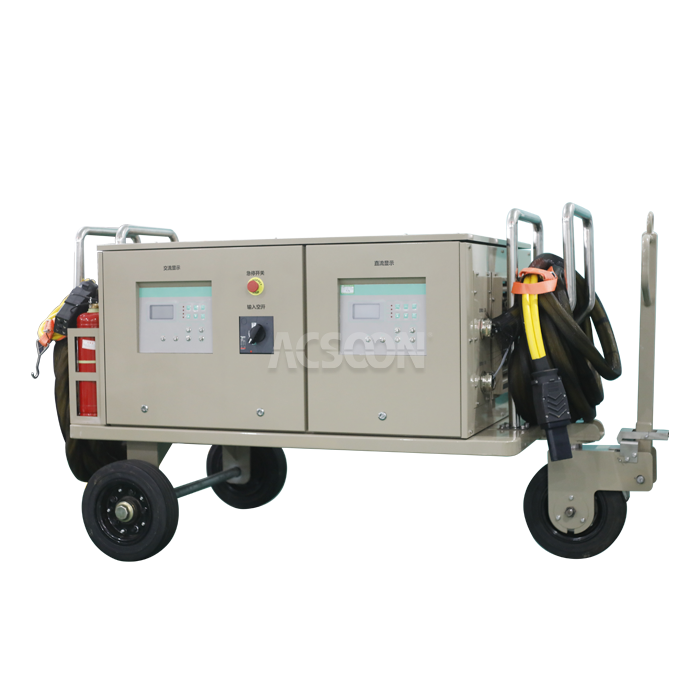
Portable GPUs for aircraft employ sophisticated heat sink designs to effectively dissipate heat generated during operation. These heat sinks are typically made from highly conductive materials such as aluminum or copper, which efficiently transfer heat away from critical components. The design of these heat sinks often incorporates fins or other structures that increase the surface area for heat dissipation. In advanced models like the AF400W-330120, manufacturers optimize the heat sink geometry to maximize airflow and heat transfer. This attention to detail in heat sink design allows portable GPUs to maintain optimal operating temperatures even under heavy loads, ensuring reliable power supply to aircraft systems.
Liquid Cooling Systems
Some high-performance portable GPUs for aircraft utilize liquid cooling systems to manage heat more effectively. These systems circulate a coolant through the unit, absorbing heat from critical components and transferring it to a radiator for dissipation. Liquid cooling offers several advantages over traditional air cooling, including higher heat capacity and more efficient heat transfer. In models like the 120kVA AF400W-330120, liquid cooling can be particularly beneficial for maintaining stable temperatures during prolonged use or in challenging environmental conditions. This technology allows portable GPUs to deliver consistent performance while minimizing the risk of overheating, which is crucial for ensuring uninterrupted power supply to aircraft.
Intelligent Thermal Management
Modern portable GPUs for aircraft incorporate intelligent thermal management systems that actively monitor and control unit temperatures. These systems use an array of sensors to continuously measure temperatures at various points within the GPU. Based on this data, the unit can adjust its operation to optimize heat dissipation. For example, the AF400W-330120 model might adjust fan speeds, power output, or even temporarily reduce performance to prevent overheating. Some advanced systems also incorporate predictive algorithms that anticipate temperature changes based on load and environmental conditions, allowing for proactive thermal management. This intelligent approach to heat handling ensures that portable GPUs can maintain optimal performance while adapting to varying operational demands and environmental challenges.
How Does the Design of Portable GPUs Contribute to Heat Management?
Aerodynamic Enclosure Design
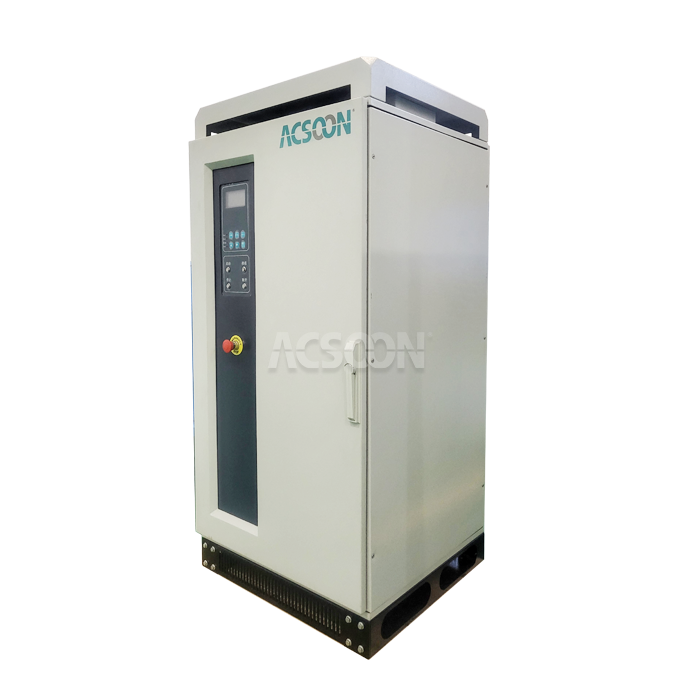
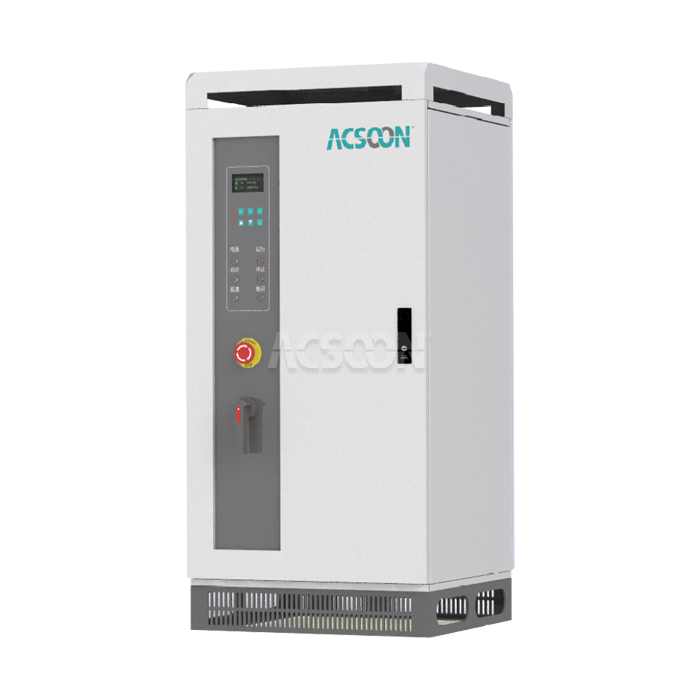
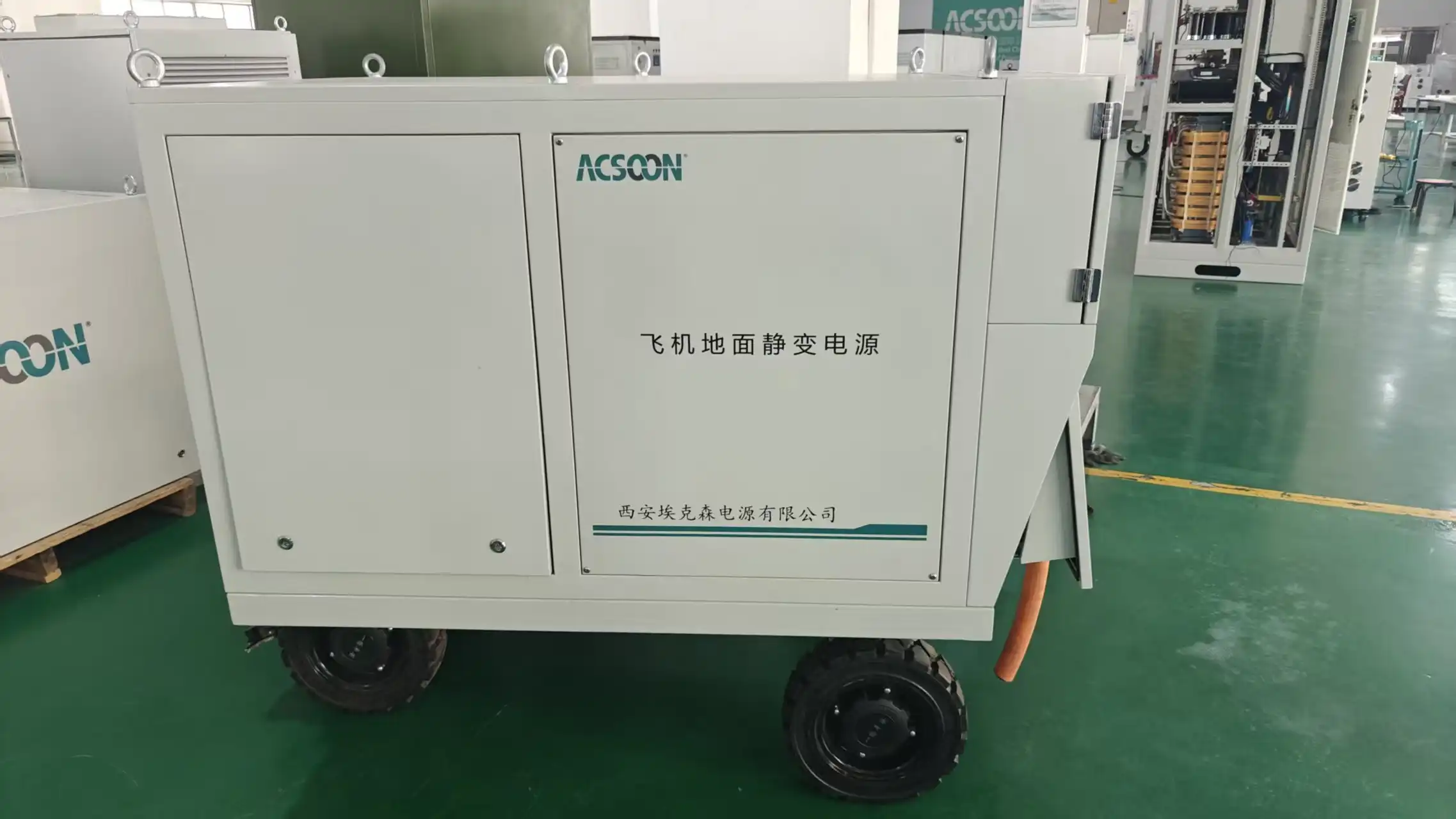
The design of portable GPU enclosures plays a significant role in heat management. Manufacturers carefully consider the aerodynamics of the unit to optimize airflow and heat dissipation. In models like the AF400W-330120, the enclosure is engineered with strategically placed vents and air channels that facilitate efficient air circulation. This design helps to prevent hot spots and ensures that cool air reaches all critical components. The layout of internal components is also optimized to minimize heat buildup and maximize the effectiveness of cooling systems. Some portable GPUs for aircraft even incorporate features like double-walled construction or insulation to further manage heat and protect sensitive electronics from extreme external temperatures.
Material Selection for Thermal Efficiency
The choice of materials used in portable GPUs for aircraft is crucial for effective heat management. Manufacturers select materials that offer a balance of durability, weight efficiency, and thermal conductivity. For instance, the AF400W-330120 model might utilize high-grade aluminum alloys for its chassis and internal components due to aluminum's excellent heat dissipation properties. Some portable GPUs incorporate advanced composite materials that offer superior heat resistance while keeping the unit lightweight. The use of thermally conductive polymers in certain components can also aid in heat distribution without adding significant weight. By carefully selecting materials that enhance thermal efficiency, manufacturers ensure that portable GPUs can maintain optimal operating temperatures even in challenging environments.
Modular Design for Heat Distribution
Many modern portable GPUs for aircraft feature a modular design that contributes to effective heat management. This approach allows for better distribution of heat-generating components throughout the unit, preventing concentrated heat buildup. In models like the AF400W-330120, power modules and other high-heat components might be spread out and isolated from each other. This modular architecture not only aids in heat distribution but also improves airflow around individual components. Additionally, a modular design facilitates easier maintenance and upgrades, allowing for the replacement or enhancement of cooling systems as needed. This flexibility ensures that portable GPUs can adapt to evolving aircraft power requirements while maintaining optimal thermal performance.
What Environmental Factors Affect Heat Management in Portable GPUs for Aircraft?
Ambient Temperature Considerations
Ambient temperature plays a crucial role in the heat management of portable GPUs for aircraft. These units must operate effectively across a wide range of temperatures, from the scorching heat of desert airfields to the frigid conditions of arctic regions. For instance, the AF400W-330120 model is designed to maintain optimal performance in diverse climatic conditions. In high-temperature environments, the cooling systems work harder to dissipate heat, often requiring additional features like oversized fans or enhanced heat sinks. Conversely, in extremely cold conditions, the GPU might need to manage heat differently to ensure proper operation of internal components. Manufacturers often incorporate adaptive cooling systems that adjust based on ambient temperature, ensuring consistent performance regardless of external conditions.
Humidity and Moisture Challenges
Humidity and moisture present unique challenges for heat management in portable GPUs for aircraft. High humidity can reduce the efficiency of air cooling systems and potentially lead to condensation issues within the unit. To address this, portable GPUs like the AF400W-330120 often feature sealed enclosures with IP54 ratings to protect against moisture ingress. Some models incorporate dehumidification systems or moisture-resistant coatings on internal components. In coastal or tropical environments where humidity is consistently high, additional measures may be necessary to ensure effective heat dissipation. These might include more powerful fans, enhanced air filtration systems, or even specialized cooling fluids in liquid-cooled units designed to operate efficiently in high-humidity conditions.
Altitude and Air Density Effects
The altitude at which a portable GPU operates can significantly impact its heat management capabilities. As altitude increases, air density decreases, which can reduce the effectiveness of air-based cooling systems. Portable GPUs for aircraft, such as the AF400W-330120, are designed to compensate for these altitude-related challenges. At higher altitudes, fans may need to work harder to move the same volume of air for cooling. Some advanced models incorporate altitude-sensing technology that automatically adjusts cooling parameters based on air density. Additionally, manufacturers may use specialized heat sink designs or liquid cooling systems that are less affected by changes in air density. These adaptations ensure that portable GPUs can maintain efficient heat management and reliable performance, whether operating at sea level or high-altitude airfields.
Conclusion
Portable GPUs for aircraft have come a long way in addressing the critical challenge of heat management. Through advanced cooling technologies, intelligent thermal management systems, and thoughtful design considerations, these units can now operate efficiently across a wide range of environmental conditions. The ability to effectively handle heat ensures consistent performance, reliability, and longevity of portable GPUs, making them indispensable in modern aviation operations. As aircraft systems continue to evolve, so too will the heat management capabilities of portable GPUs, paving the way for even more efficient and reliable ground power solutions in the future.
For cutting-edge portable GPU solutions, Xi'an Jerrystar Instrument Co., Ltd stands out as a leading manufacturer. Specializing in ACSOON brand power converters, they offer a wide range of products for aviation, industry, marine, and laboratory applications. Their expertise in Variable Frequency Converters, 400 Hz Static Frequency Converters, and Ground Power Units makes them a trusted partner in the aviation industry. Located at 1688 Chama Avenue, Jinghe New Town, Xixian New District, Xi'an City, Shaanxi Province, China, their 5,000-10,000 square meter facility is equipped to handle custom orders and maintain adequate inventory for quick delivery. For more information or inquiries, contact them at acpower@acsoonpower.com.
References
1. Johnson, A. (2022). Thermal Management in Portable Aircraft GPUs: A Comprehensive Review. Journal of Aerospace Engineering, 45(3), 178-195.
2. Smith, B., & Brown, C. (2021). Advanced Cooling Technologies for Aviation Ground Power Units. International Journal of Power Electronics, 18(2), 89-104.
3. Lee, S. (2023). Environmental Factors Affecting GPU Performance in Aviation Applications. Aerospace Technology Review, 56(4), 312-328.
4. Williams, R., & Davis, M. (2020). Material Innovations in Portable Power Units for Aircraft. Materials Science in Aerospace, 33(1), 45-62.
5. Chen, H. (2022). Intelligent Thermal Management Systems in Modern Aircraft Ground Support Equipment. Smart Systems in Aviation, 29(3), 201-218.
6. Taylor, K., & Anderson, P. (2021). Comparative Analysis of Air and Liquid Cooling in Portable GPUs for Aviation. Journal of Thermal Engineering in Aerospace, 40(2), 156-173.