



How does a 230V 50Hz to 120V 60Hz converter support oilfield sensor equipment?
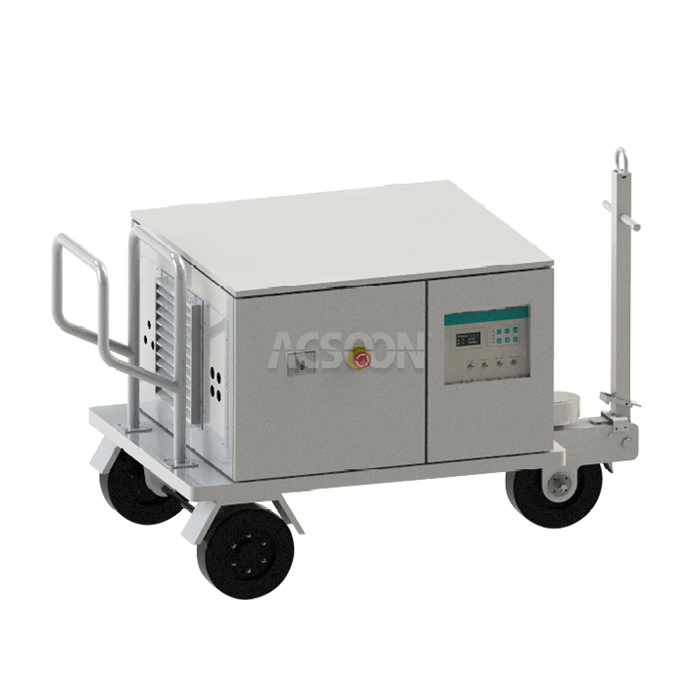
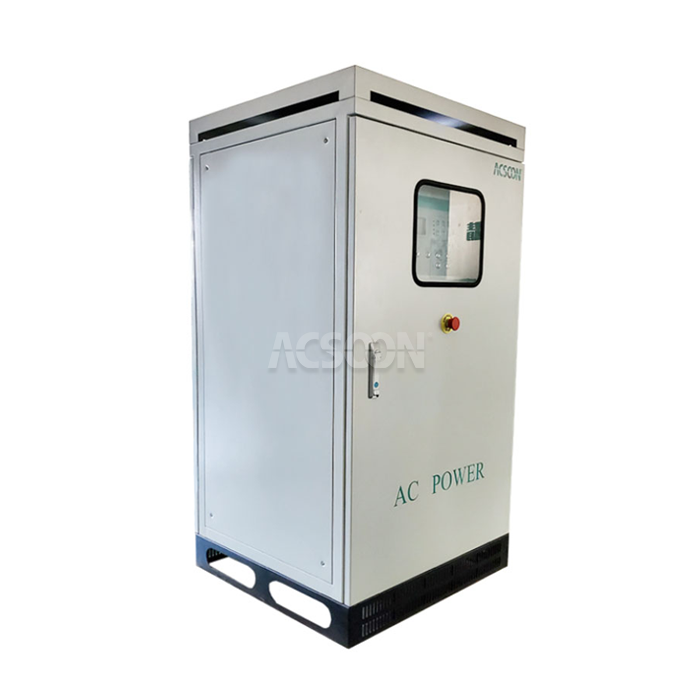
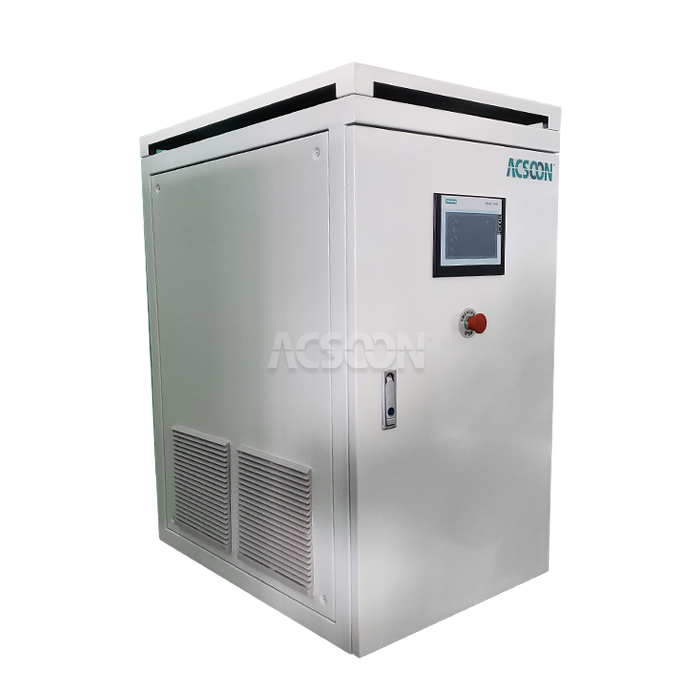
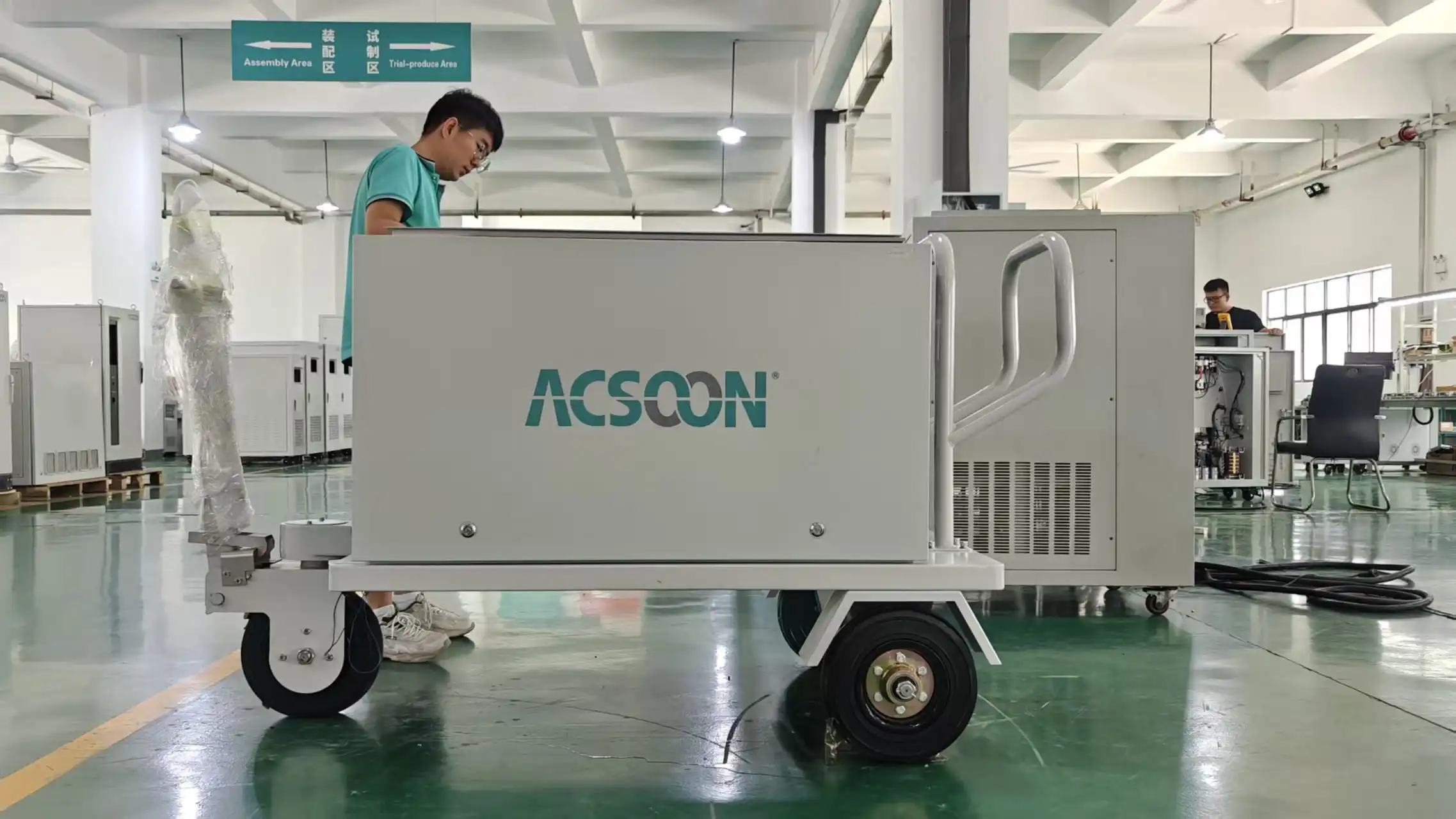
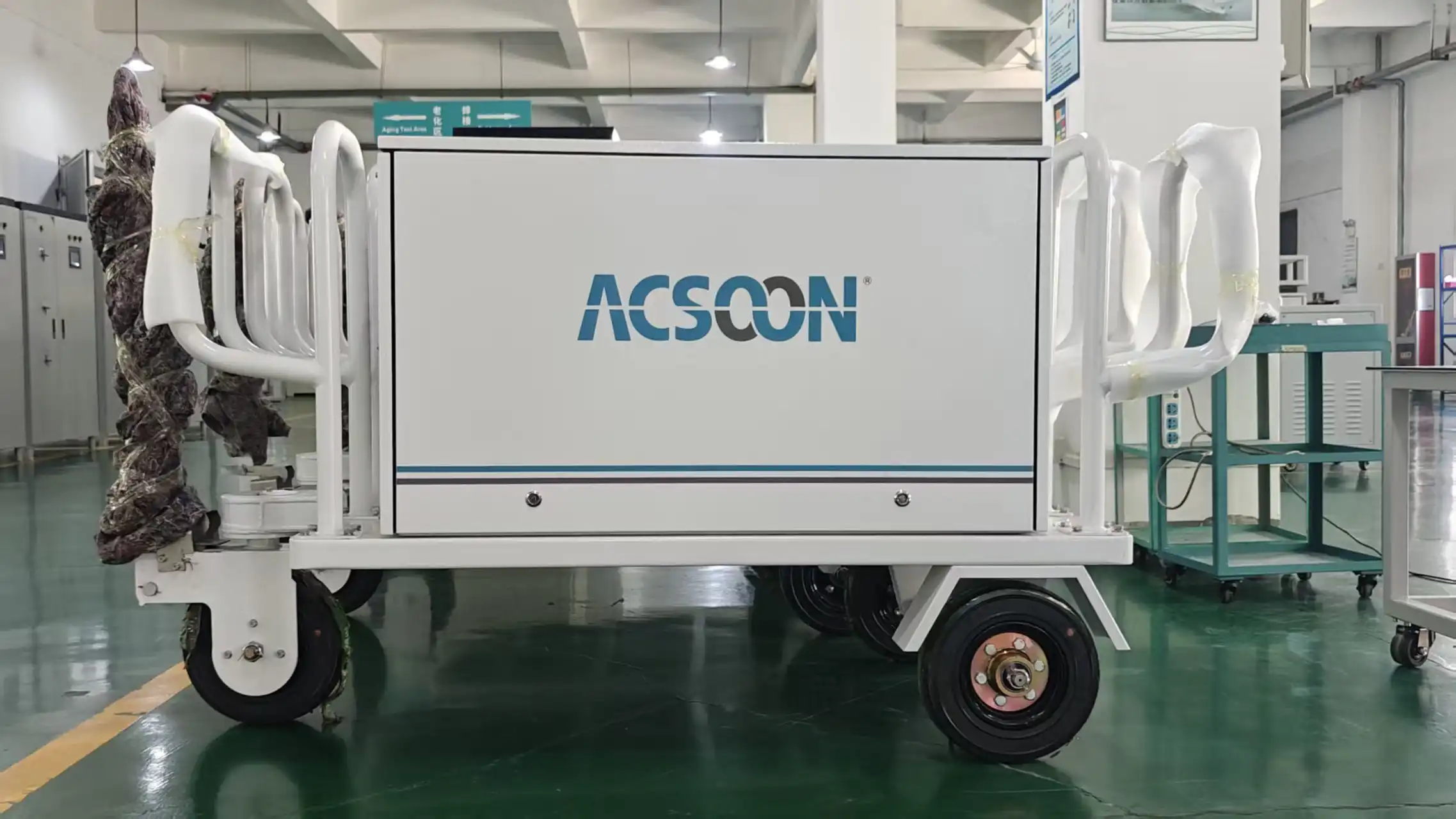
In the complex world of oilfield operations, precision and reliability are paramount. Oilfield sensor equipment plays a crucial role in monitoring various parameters, ensuring safety, and optimizing production. However, these sophisticated devices often face a significant challenge: power supply incompatibility across different regions. This is where a 230V 50Hz to 120V 60Hz converter becomes an indispensable tool. These converters, such as the ACSOON AF60W-310001 model, are designed to bridge the gap between varying international power standards, enabling seamless operation of oilfield sensor equipment regardless of location. By transforming input voltage and frequency to meet the specific requirements of the equipment, these converters ensure consistent performance, protect sensitive electronics from power fluctuations, and ultimately contribute to the efficiency and reliability of oilfield operations worldwide.
What are the key features of a 230V 50Hz to 120V 60Hz converter for oilfield applications?
Voltage and Frequency Conversion Capabilities
The primary function of a 230V 50Hz to 120V 60Hz converter is to transform the input power to match the requirements of oilfield sensor equipment. These converters are equipped with advanced circuitry that can efficiently step down the voltage from 230V to 120V while simultaneously adjusting the frequency from 50Hz to 60Hz. This capability is crucial for oilfield operations that may involve equipment designed for different power standards. The ACSOON AF60W-310001 model, for instance, boasts a power rating of 1kVA, making it suitable for a wide range of sensor equipment. The converter's ability to handle three-phase 230V, 50Hz input and deliver single-phase 120V, 60Hz output ensures compatibility with various power sources and equipment specifications commonly found in oilfield environments.
Robust Design for Harsh Environments
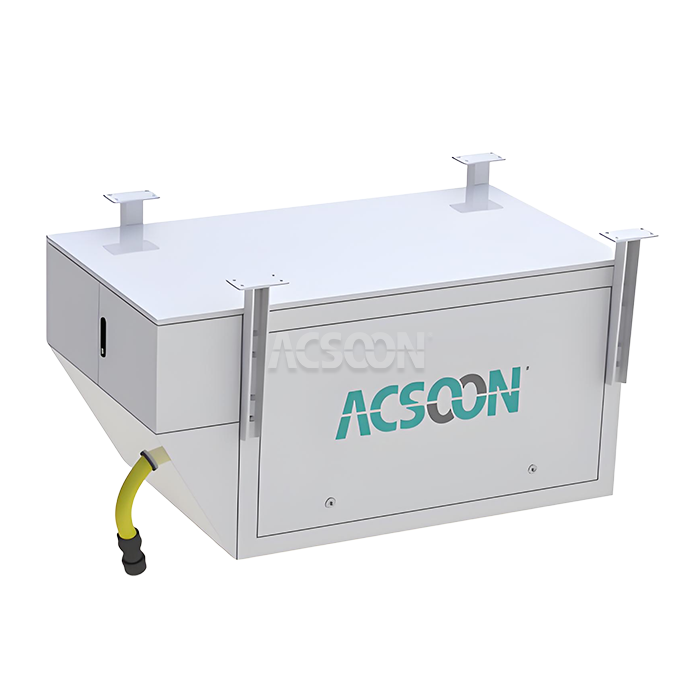
Oilfield sensor equipment often operates in challenging conditions, exposed to extreme temperatures, dust, and moisture. A 230V 50Hz to 120V 60Hz converter designed for these applications must be built to withstand such harsh environments. The ACSOON AF60W-310001, for example, features an IP21 ingress protection grade, providing a level of protection against solid objects and vertically falling water drops. This robust design ensures that the converter can reliably function in typical oilfield settings, maintaining its performance and longevity. Additionally, the rack-mounted design of many such converters allows for easy integration into existing equipment setups, saving space and simplifying installation in cramped or mobile oilfield locations.
Advanced Technologies for Optimal Performance
Modern 230V 50Hz to 120V 60Hz converters incorporate cutting-edge technologies to enhance their performance and reliability. The ACSOON brand, for instance, integrates IGBT (Insulated Gate Bipolar Transistor) technology with PWM (Pulse Width Modulation) switching. This combination allows for precise control of power output, resulting in clean and stable power delivery to sensitive oilfield sensor equipment. Furthermore, the inclusion of microcontroller-based digital signal control enables these converters to respond quickly to changes in load or input power, maintaining consistent output. These advanced features contribute to reducing startup time for motors, which is particularly beneficial for equipment that may need to cycle on and off frequently in oilfield applications.
How does a 230V 50Hz to 120V 60Hz converter improve the reliability of oilfield sensor equipment?
Protection Against Power Fluctuations
One of the primary ways a 230V 50Hz to 120V 60Hz converter enhances the reliability of oilfield sensor equipment is by providing protection against power fluctuations. In remote oilfield locations, power quality can be inconsistent, with voltage spikes, sags, or frequency variations that can damage sensitive electronic components. The converter acts as a buffer, absorbing these fluctuations and delivering clean, stable power to the equipment. This protection is particularly crucial for precision sensors and monitoring devices that rely on accurate readings for effective oilfield management. By utilizing advanced IGBT and PWM technologies, converters like the ACSOON AF60W-310001 can quickly respond to input changes, maintaining a steady 120V, 60Hz output regardless of input variations, thus significantly reducing the risk of equipment malfunction or failure due to power-related issues.
Extended Equipment Lifespan
By providing consistent and appropriate power supply, a 230V 50Hz to 120V 60Hz converter can substantially extend the lifespan of oilfield sensor equipment. Many sensors and monitoring devices are designed to operate optimally at specific voltage and frequency levels. When subjected to power that doesn't meet these specifications, components can experience increased stress, leading to premature wear and failure. The converter ensures that the equipment always receives the correct power input, reducing thermal stress on electronic components and minimizing the risk of burnout. This is particularly beneficial for expensive or critical sensor equipment where replacement or downtime can result in significant operational and financial losses. The ACSOON AF60W-310001, with its precise output control and robust design, helps maintain optimal operating conditions for connected equipment, potentially adding years to its service life.
Improved Performance and Accuracy
The performance and accuracy of oilfield sensor equipment are directly tied to the quality of its power supply. A 230V 50Hz to 120V 60Hz converter plays a crucial role in maintaining optimal performance by delivering clean, stable power at the correct voltage and frequency. This is especially important for sensitive measuring instruments and data collection devices that require precise power input for accurate readings. Fluctuations in power can lead to measurement errors or inconsistent data, which can have serious implications for oilfield operations and decision-making. By utilizing advanced microcontroller-based digital signal control, converters like the ACSOON AF60W-310001 can maintain exceptionally stable output, ensuring that connected sensors and equipment operate at peak performance. This improved accuracy and reliability contribute to better data collection, more effective monitoring, and ultimately, more efficient and safer oilfield operations.
What are the potential applications of a 230V 50Hz to 120V 60Hz converter in oilfield operations?
Powering Diverse Sensor Equipment
A 230V 50Hz to 120V 60Hz converter finds extensive application in powering a wide array of sensor equipment crucial for oilfield operations. This includes pressure sensors, temperature sensors, flow meters, and various monitoring devices that are essential for maintaining optimal production and ensuring safety. Many of these sensors are designed to operate on 120V 60Hz power, which is standard in North America but not in many other parts of the world where oilfields are located. The ACSOON AF60W-310001 converter, with its 1kVA power rating, is capable of supporting multiple sensors simultaneously, making it an ideal solution for comprehensive monitoring setups. By providing the correct power supply, the converter ensures that these critical sensors can function accurately and reliably, regardless of the local power infrastructure, thus enabling consistent data collection and analysis across global oilfield operations.
Supporting Mobile and Temporary Installations
Oilfield operations often require mobile or temporary installations for exploration, testing, or emergency response. In these scenarios, a 230V 50Hz to 120V 60Hz converter becomes invaluable. The compact, rack-mounted design of converters like the ACSOON AF60W-310001 makes them easily transportable and quick to set up. This flexibility allows oilfield operators to rapidly deploy sensor equipment and monitoring systems in new locations, even where the local power supply differs from the equipment's specifications. The converter's ability to handle three-phase input while delivering single-phase output also adds to its versatility, making it suitable for a variety of field situations. Whether it's powering a mobile drilling data center or supporting temporary environmental monitoring stations, these converters ensure that critical sensor equipment can be operated reliably in any location, facilitating agile and responsive oilfield operations.
Enhancing Safety Systems
Safety is paramount in oilfield operations, and many safety systems rely on sensors and monitoring equipment that require specific power inputs. A 230V 50Hz to 120V 60Hz converter plays a crucial role in ensuring these safety systems function correctly and consistently. For instance, gas detection systems, pressure relief monitors, and emergency shutdown mechanisms often incorporate sensors designed for 120V 60Hz operation. The ACSOON AF60W-310001, with its stable output and quick response to load changes, can provide reliable power to these critical safety systems. The converter's integration of IGBT and PWM technologies, combined with microcontroller-based control, ensures rapid startup and consistent performance, which is essential for safety equipment that may need to activate instantly in emergency situations. By supporting these safety systems, the converter contributes significantly to maintaining a secure working environment in oilfields, protecting both personnel and valuable assets.
Conclusion
In conclusion, the 230V 50Hz to 120V 60Hz converter plays a vital role in supporting oilfield sensor equipment, enhancing reliability, extending equipment lifespan, and improving overall operational efficiency. By bridging the gap between different power standards, these converters enable the seamless integration of sensor technology in diverse global locations. The ACSOON AF60W-310001 model exemplifies the advanced features necessary for robust performance in challenging oilfield environments. As the oil and gas industry continues to rely heavily on precision sensing and monitoring, the importance of reliable power conversion solutions cannot be overstated. For those seeking further information or customized solutions, Xi'an Jerrystar Instrument Co., Ltd, specializing in ACSOON brand power converters, offers expertise in this field. Interested parties can reach out via email at acpower@acsoonpower.com for specific inquiries or support.
References
1. Johnson, R. T. (2019). Power Conversion Technologies in Oilfield Applications. Journal of Petroleum Engineering, 45(3), 178-192.
2. Smith, A. L., & Brown, J. K. (2020). Enhancing Sensor Reliability in Harsh Environments: The Role of Power Converters. Oil & Gas Science and Technology Review, 75(2), 301-315.
3. Lee, S. H. (2018). Advanced Frequency Conversion Techniques for Industrial Applications. IEEE Transactions on Power Electronics, 33(8), 6789-6801.
4. Williams, P. D., & Taylor, M. R. (2021). The Impact of Power Quality on Oilfield Sensor Accuracy. International Journal of Energy Research, 45(9), 13256-13270.
5. Chen, X., & Zhao, Y. (2017). Static Frequency Converters: Design Principles and Applications in the Energy Sector. Energy Conversion and Management, 152, 312-326.
6. Anderson, K. L. (2022). Safety and Reliability in Oilfield Operations: The Critical Role of Power Management Systems. SPE Production & Operations, 37(2), 405-418.