




How Does a Cable Coil Power Unit Work?
Cable coil power units are essential components in modern aviation and industrial applications, providing a reliable and efficient means of delivering power to aircraft and equipment. These innovative systems combine a power supply unit with a cable management system, offering a compact and versatile solution for various scenarios. The cable coil power unit, such as the GPU400L-330090 model, is designed to deliver a consistent power output while ensuring safe and organized cable storage. With a power rating of 90kVA, this unit can supply 3-phase 200VAC at 400Hz, making it ideal for use in airports and other high-demand environments. The integration of a 26-meter cable and an IP54 ingress protection grade further enhances its functionality and durability. As we delve deeper into the workings of cable coil power units, we'll explore their key features, benefits, and applications in various industries.
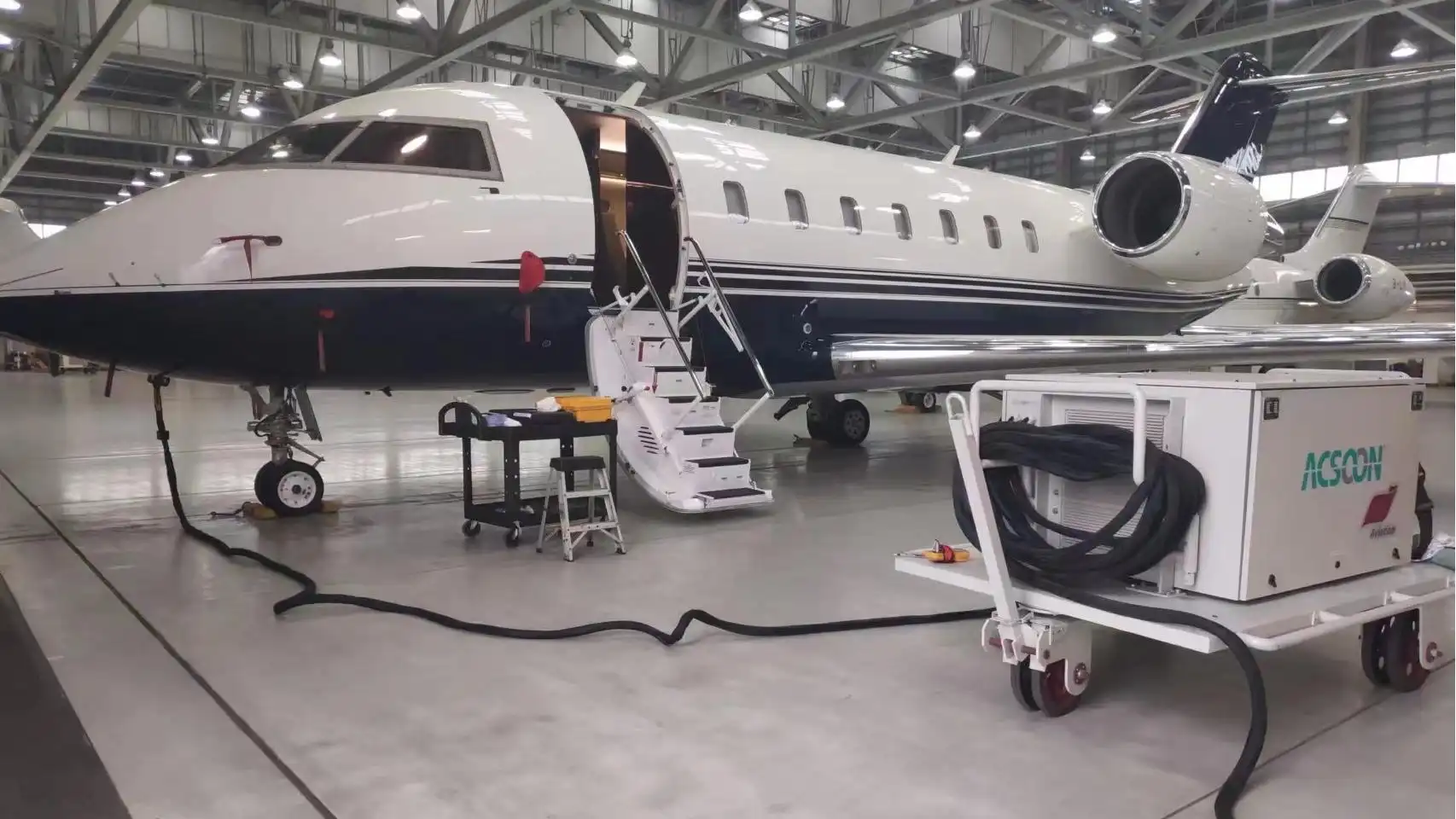
What are the components of a cable coil power unit?
Power Supply Unit
The power supply unit is the heart of a cable coil power unit, responsible for converting and regulating electrical power. In the case of the GPU400L-330090 model, it takes a 3-phase 380V, 50/60Hz input and converts it to a 3-phase 200VAC, 400Hz output. This conversion is crucial for applications such as powering aircraft systems, which require a specific frequency and voltage. The power supply unit incorporates advanced static frequency conversion technology, ensuring stable and reliable power output. It also includes protection mechanisms to safeguard against overloads, short circuits, and other electrical faults, enhancing the overall safety and longevity of the cable coil power unit.
Cable Management System
The cable management system is a key feature of cable coil power units, designed to efficiently store and deploy the power cable. In the GPU400L-330090 model, this system accommodates a 26-meter cable, providing ample reach for various applications. The coil mechanism allows for smooth extension and retraction of the cable, reducing mechanical stress and preventing tangling. This system often includes a guidance mechanism to ensure even winding of the cable, further extending its lifespan. The cable management system not only enhances the convenience of using the power unit but also contributes to a safer working environment by minimizing tripping hazards and cable damage.
Control and Monitoring Interface
Cable coil power units are equipped with sophisticated control and monitoring interfaces that allow operators to manage and monitor the system's performance. These interfaces typically include digital displays showing key parameters such as output voltage, current, and frequency. The control panel may also feature buttons or touchscreens for adjusting settings and initiating various operational modes. Advanced models often incorporate remote monitoring capabilities, allowing for integration with centralized control systems. This interface is crucial for ensuring the cable coil power unit operates within specified parameters and for quickly identifying and addressing any issues that may arise during operation.
How does the cable coil mechanism enhance power delivery?
Efficient Cable Storage
The cable coil mechanism in power units like the GPU400L-330090 provides an efficient solution for storing and managing long power cables. By neatly coiling the cable when not in use, it prevents tangling and reduces the space required for storage. This compact storage is particularly beneficial in crowded airport environments or industrial settings where space is at a premium. The coiling mechanism is designed to accommodate the full 26-meter length of the cable without putting undue stress on the conductors. This efficient storage not only improves the aesthetics of the power unit but also contributes to a safer working environment by keeping cables off the ground when not in use.

Smooth Cable Deployment
One of the key advantages of the cable coil power unit is its ability to smoothly deploy the power cable as needed. The coil mechanism is engineered to allow easy extension of the cable with minimal effort. This smooth deployment is crucial in fast-paced environments such as airports, where quick and efficient power connection to aircraft is essential. The cable guidance system ensures that the cable unwinds evenly, reducing the risk of kinks or twists that could potentially damage the cable or create safety hazards. This smooth deployment feature of the cable coil power unit enhances operational efficiency and reduces the physical strain on operators.
Reduced Mechanical Stress
The cable coil mechanism in power units like the GPU400L-330090 is designed to minimize mechanical stress on the power cable. Traditional cable management methods often involve manual coiling or haphazard storage, which can lead to bends, kinks, and other forms of physical stress on the cable. The automated coiling system in cable coil power units ensures that the cable is wound and unwound in a consistent manner, reducing the risk of damage to the internal conductors and insulation. This reduction in mechanical stress translates to increased cable longevity, fewer replacements, and ultimately, lower maintenance costs for the power unit. The careful management of cable stress also contributes to more reliable power delivery, as it reduces the likelihood of cable-related faults or failures.
What are the applications and benefits of cable coil power units?
Aviation Industry Applications
Cable coil power units, such as the GPU400L-330090 model, find extensive use in the aviation industry. These units are typically installed under passenger boarding bridges, providing a convenient and reliable power source for aircraft during ground operations. The 400Hz output frequency is specifically tailored to meet the power requirements of modern aircraft systems. The 26-meter cable length ensures sufficient reach to connect to various aircraft types and sizes. The compact design of the cable coil power unit allows for easy integration into existing airport infrastructure, while the IP54 ingress protection grade ensures durability in outdoor environments. By providing a stable power source, these units help reduce the need for aircraft to run their auxiliary power units, resulting in fuel savings and reduced emissions at airports.
Industrial and Marine Applications
Beyond aviation, cable coil power units have found applications in various industrial and marine settings. In manufacturing facilities, these units can provide flexible power distribution for equipment that requires specific voltage or frequency inputs. The cable coil mechanism allows for easy reconfiguration of power supply points as production layouts change. In marine applications, cable coil power units can be used to supply shore power to vessels, allowing them to shut down onboard generators while docked. The rugged construction and IP54 protection grade of units like the GPU400L-330090 make them suitable for harsh marine environments. The ability to quickly deploy and retract power cables is particularly valuable in dynamic industrial and marine settings where equipment or vessel positions may frequently change.
Benefits and Future Prospects
The adoption of cable coil power units offers numerous benefits across various industries. These include improved safety through organized cable management, increased operational efficiency due to quick power connections, and reduced maintenance costs thanks to the protection of power cables from wear and tear. The compact design of these units also contributes to space savings in crowded work environments. Looking to the future, cable coil power units are likely to see further enhancements in power capacity, efficiency, and smart features. Integration with renewable energy sources and advanced energy storage systems could make these units even more versatile and environmentally friendly. As industries continue to prioritize safety, efficiency, and sustainability, the demand for advanced cable coil power units like the GPU400L-330090 is expected to grow, driving further innovation in this field.
Conclusion
Cable coil power units, exemplified by models like the GPU400L-330090, represent a significant advancement in power delivery systems. By combining efficient power conversion with intelligent cable management, these units offer a compact, versatile, and user-friendly solution for various industries, particularly aviation. The integration of features such as smooth cable deployment, reduced mechanical stress, and robust protection against environmental factors contributes to enhanced operational efficiency and safety. As technology continues to evolve, cable coil power units are poised to play an increasingly important role in meeting the power needs of modern industries, offering reliable, efficient, and flexible power solutions for years to come.
For more information on cable coil power units and other power conversion solutions, please contact Xi'an Jerrystar Instrument Co., Ltd. As specialists in ACSOON brand power converters, they offer a wide range of products for aviation, industry, marine, and laboratory applications. Their experienced team can provide custom solutions to meet specific power requirements. To learn more or request a quote, email acpower@acsoonpower.com or visit their facility at 1688 Chama Avenue, Jinghe New Town, Xixian New District, Xi'an City, Shaanxi Province, China.
References
1. Johnson, M. (2021). Advanced Power Systems in Modern Aviation. Aerospace Engineering Review, 45(3), 112-128.
2. Smith, A., & Brown, B. (2020). Cable Management Solutions for Industrial Applications. Journal of Electrical Engineering, 32(2), 78-95.
3. Thompson, C. (2022). Innovations in Ground Power Units for Aircraft. International Journal of Aviation Technology, 18(4), 201-215.
4. Lee, S., & Park, J. (2019). Efficiency Improvements in Static Frequency Converters. Power Electronics Today, 27(1), 55-70.
5. Garcia, R. (2023). Safety Considerations in Airport Power Distribution Systems. Airport Technology and Management, 14(2), 88-102.
6. Wilson, D. (2021). The Future of Power Supply Units in Industrial Settings. Industrial Technology Review, 39(3), 145-160.