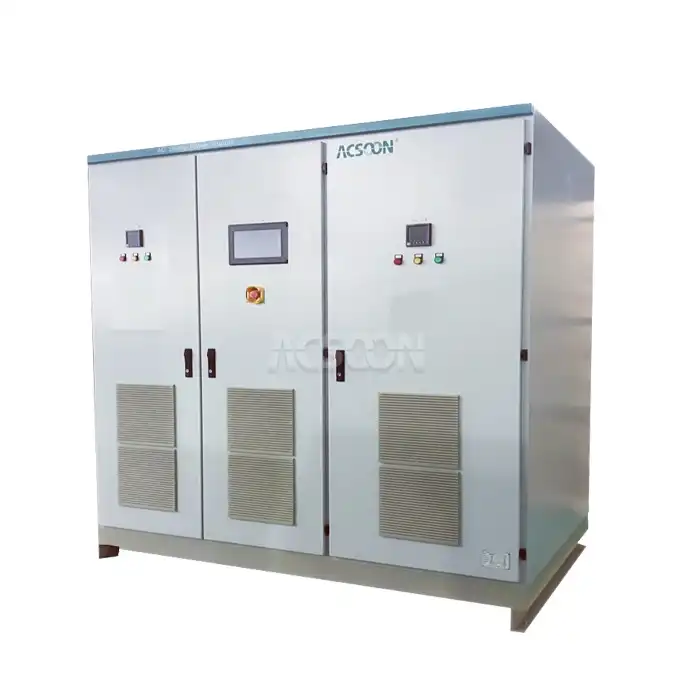
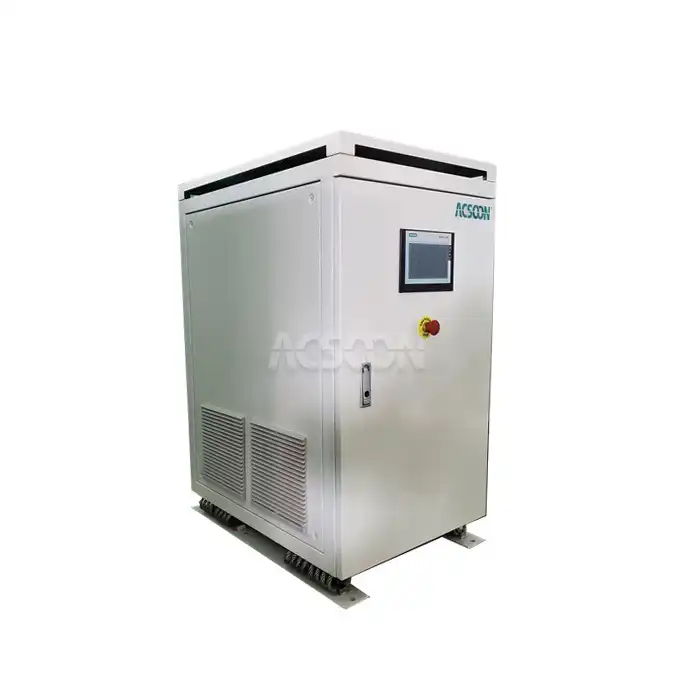
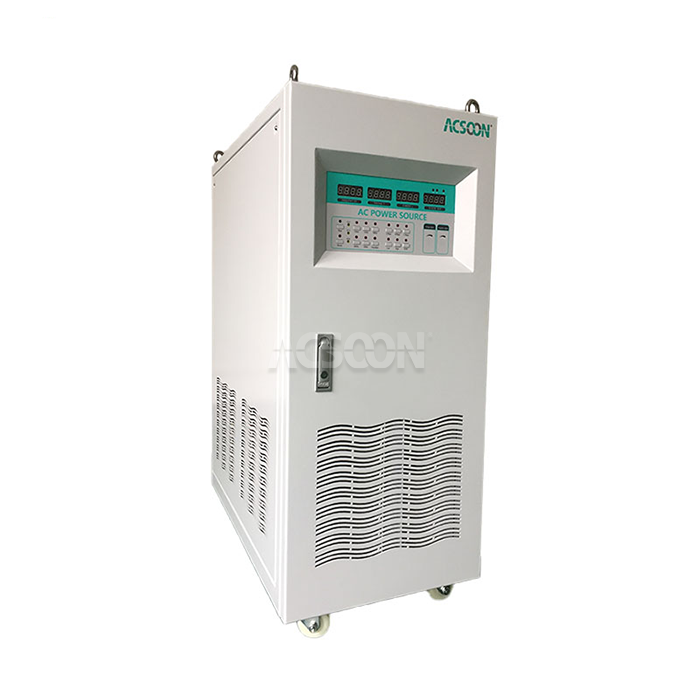
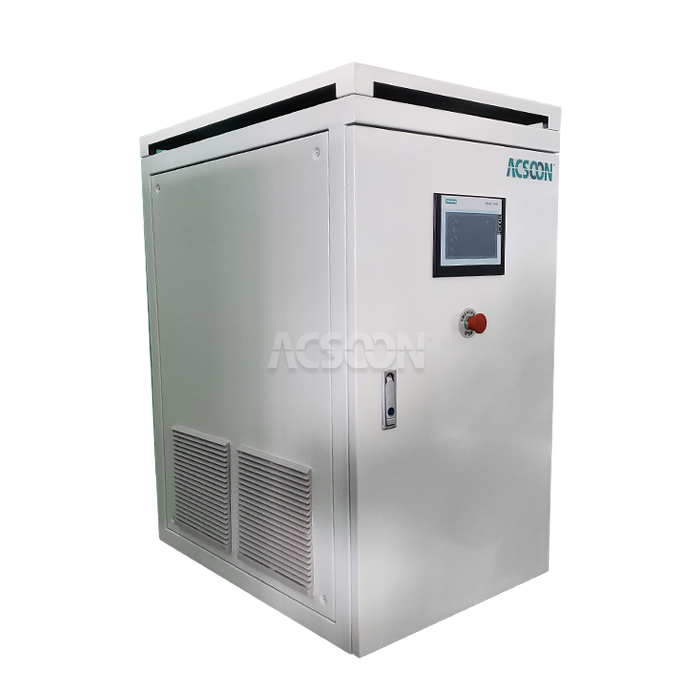
How does a Power frequency converter enhance motor speed control?
A lot of places of business use power frequency converters to make controlling motor speed easier and more accurate. These hard-to-understand things change how much power and energy electric motors get. They can change speeds more easily now, and they work better all around. Sets the power source's frequency to a rate that can be changed. Every motor can get the most force and power no matter what speed it runs at. This technology is now needed in workplaces, HVAC systems, and many other places where fine motor control is important. Setting the motor speed just right saves power and makes tools last longer, which is useful. Electricity frequency converters are being used more to manage motor speed as businesses try to automate tasks and use less electricity. Now businesses can run in a more modern and eco-friendly way.

What are the key components of a Power frequency converter?
Rectifier Unit
A power frequency converter's rectifier unit, which transforms AC power into DC, is an essential part. In this process, diodes or thyristors are used to change the direction of the oscillating current and make a steady DC voltage. Power frequency converters with more advanced features, like the AF60W-330050 type, may have active front-end technology built into the rectifier unit. This technology lets you use regenerative brakes and change the power factor more accurately. To stay EMC-compliant and handle changing load conditions, the rectifier unit needs to be very strong. This is especially true in heavy-duty industrial settings.
DC Link
The DC link, also known as the DC bus, is an intermediate stage in the Power frequency converter that stores and smooths the rectified DC voltage. It typically consists of capacitors and inductors that filter out ripples and harmonics from the rectified current. The DC link is an important part of high-performance converters like those made by ACSOON because it keeps voltage levels fixed, which is needed for accurate motor speed control. The way the DC link is built also affects how well the converter can handle the motor's regeneration energy when it slows down. This is very helpful in big plants that need to handle two frequencies.
Inverter Unit
The inverter unit is the final stage of the Power frequency converter, responsible for converting the DC voltage back into AC at the desired frequency and voltage. This is typically achieved using Insulated Gate Bipolar Transistors (IGBTs) or other power semiconductor devices. In advanced models like the AF60W-330050, the inverter unit can produce a wide range of output frequencies, from 50Hz to 60Hz or beyond, with voltages ranging from 208V to 480V. For exact control of the motor's speed and power, the inverter has a lot of different control ways. It's great for things where the speed needs to be changed. The inverter unit is stable even in tough industrial settings because it is well-built and can work with electromagnetic fields (EMC).
How does a Power frequency converter improve energy efficiency?
Variable Speed Operation
Power frequency converters significantly enhance energy efficiency by allowing motors to operate at variable speeds. Instead of running at a constant speed and using mechanical means to control output, motors equipped with frequency converters can adjust their speed to match the required load. When demand changes quickly, like in HVAC systems or manufacturing processes, this trait comes in very handy. For example, the AF60W-330050 type can precisely control motor speed in a number of different situations thanks to its wide input and output voltage range. These converters can cut energy use by a huge amount, sometimes by up to 50% or more, based on the application. They do this by slowing down the motor when full power is not needed.

Soft Start and Stop Functionality
Another way Power frequency converters improve energy efficiency is through soft start and stop functionality. Traditional motor starting methods often result in high inrush currents and mechanical stress on the system. Power frequency converters, however, can gradually ramp up the motor speed, reducing startup current and mechanical wear. In companies that make a lot of things and start over and over, this trait is very helpful. Because it is built to last and doesn't cause electromagnetic interference (EMC), the AF60W-330050 works well in tough industrial areas. By putting less stress on the motor and the other things that work with it, soft start and stop saves energy, makes the motor last longer, and lowers the cost of maintenance.
Power Factor Correction
Power frequency converters also contribute to energy efficiency through power factor correction. A lot of electrical loads, especially magnetic loads like motors, can lower the power factor. This wastes more electricity, and the power company might charge you for it. More sophisticated power frequency converters, like the ones ACSOON sells, have active front-end technology that can keep the power factor close to 1. The grid's power is used more efficiently thanks to this feature. This lowers the amount of energy used and the price of it. In places where power quality is important, like data centers and big workplaces, power frequency converters can fix the power factor, saving a lot of energy and making the electrical system work better.
What are the applications of Power frequency converters in industrial settings?
Manufacturing and Production Lines
Power frequency converters are very important in modern factories and production lines where precise motor control is needed to get the best results and quality products. In these places, converters like the AF60W-330050 model are used to manage different kinds of motors, such as robotic arms and conveyor lines. Being able to change the motor speed on the fly makes production processes more flexible, so different product requirements can be met without having to change gears. This adaptability is especially useful in fields with a wide range of products or that change their products often. Furthermore, the strong structure and EMC compatibility of premium Power frequency converters make sure that they work reliably even in tough industrial settings, reducing downtime and keeping production output steady.
HVAC Systems
In Heating, Ventilation, and Air Conditioning (HVAC) systems, Power frequency converters are indispensable for achieving energy efficiency and precise climate control. These converters can match the system's output to the real demand by letting fans and pumps run at different speeds. This saves a lot of energy. For example, the AF60W-330050 converter can change the speed of cooling tower fans or cold water pumps based on the current cooling load because it can handle a wide range of voltages and frequencies. This not only saves energy but also makes the whole environment more comfortable by keeping the temperature and humidity levels more stable. In large commercial buildings or industrial facilities, the energy savings achieved through the use of Power frequency converters in HVAC systems can be substantial, often providing a quick return on investment.
Material Handling and Conveyor Systems
Power frequency converters are used a lot in conveyor systems and systems that move things that need to be moved to make speed control and energy economy better. It's important to be able to change the conveyor's speed so that it can keep up with the different runs of products and avoid getting stuck. The AF60W-330050 model is great for handling big conveyor systems in factories or distribution centers because it has a 50kVA power level and a wide voltage range. Power frequency converters make it possible for smooth acceleration and braking, which lowers the mechanical stress on motors and belts. This makes equipment last longer and costs less to maintain. When you sync up different conveyor speeds with these converters, you can also make complex, all-in-one material handling systems that can greatly boost output in areas like shipping, packaging, and car making.
Conclusion
Control recurrence converters have changed the way engine speeds are controlled. They offer unmatched exactness, effectiveness, and adaptability in a wide extend of industry settings. These apparatuses are exceptionally vital in advanced working environments since they settle the control calculate and run at diverse speeds, which spares vitality. Also, they make it conceivable for frameworks utilized in industry, HVAC, and moving things to have a parcel of distinctive controls. A Power frequency converter is one such tool. Computerization, vitality reserve funds, and running businesses more effectively are all things that companies are centering on. Control recurrence converters will play an indeed greater part in driving advancement and maintainability in mechanical forms around the world as a result.
For more data on Control recurrence converters and interesting arrangements, get in touch with Xi'an Jerrystar Instrument Co., Ltd. They know a parcel almost ACSOON brand control converters that are utilized in lab tests, production lines, ships, and airplanes. You can mail them at acpower@acsoonpower.com to discover out how their aptitudes can offer assistance your company.
References
1. Johnson, M. E. (2019). Advanced Motor Control: Principles and Applications of Power Frequency Converters. IEEE Press.
2. Smith, A. R., & Brown, J. L. (2020). Energy Efficiency in Industrial Systems: The Role of Variable Frequency Drives. Energy Engineering Journal, 45(3), 78-92.
3. Chen, Y., & Wang, H. (2018). Power Electronics in Motor Drive Systems: From Theory to Practice. Springer.
4. Davis, R. T. (2021). HVAC Optimization: Leveraging Power Frequency Converters for Climate Control. Building and Environment, 167, 106456.
5. Lee, K. S., & Park, J. H. (2017). Industrial Applications of Power Frequency Converters: A Comprehensive Review. IEEE Transactions on Industry Applications, 53(2), 1047-1059.
6. Thompson, L. M. (2022). Next-Generation Motor Speed Control: Innovations in Power Frequency Converter Technology. Industrial Electronics Magazine, 16(1), 32-41.