What are the key features of high-efficiency 28V ground power units?
Advanced Power Electronics
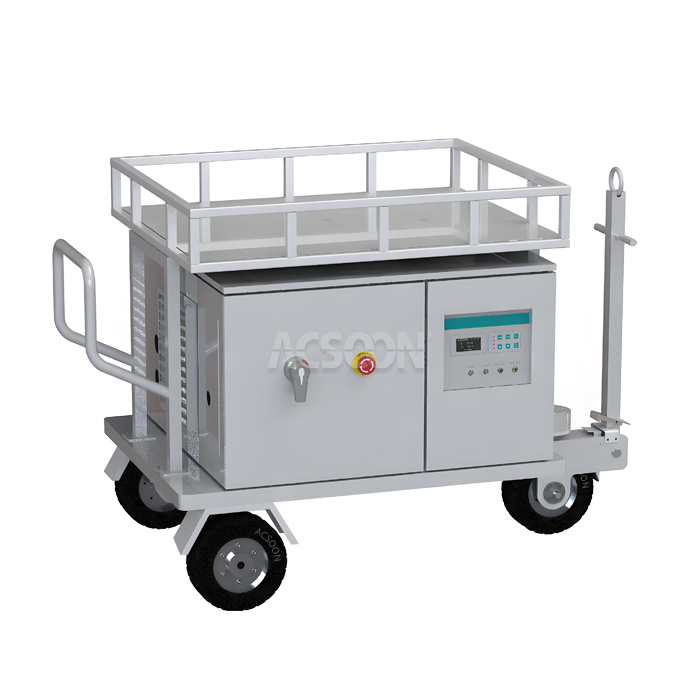
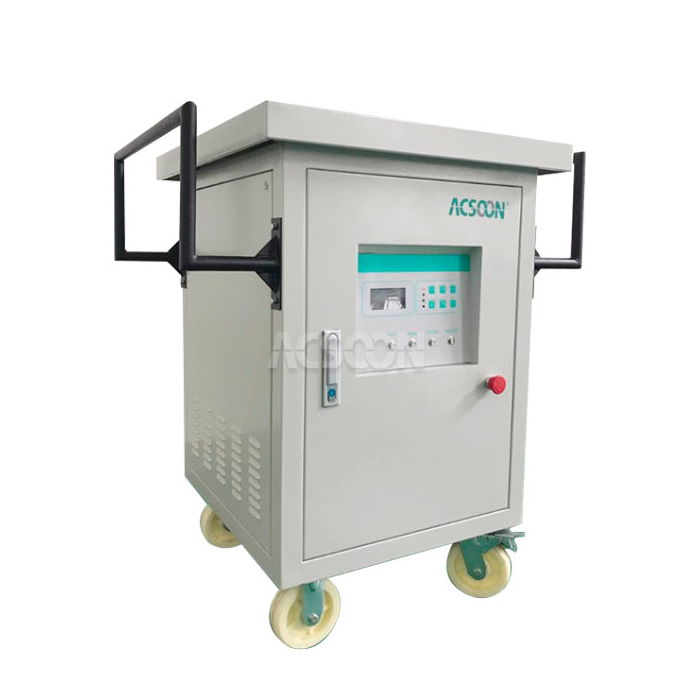
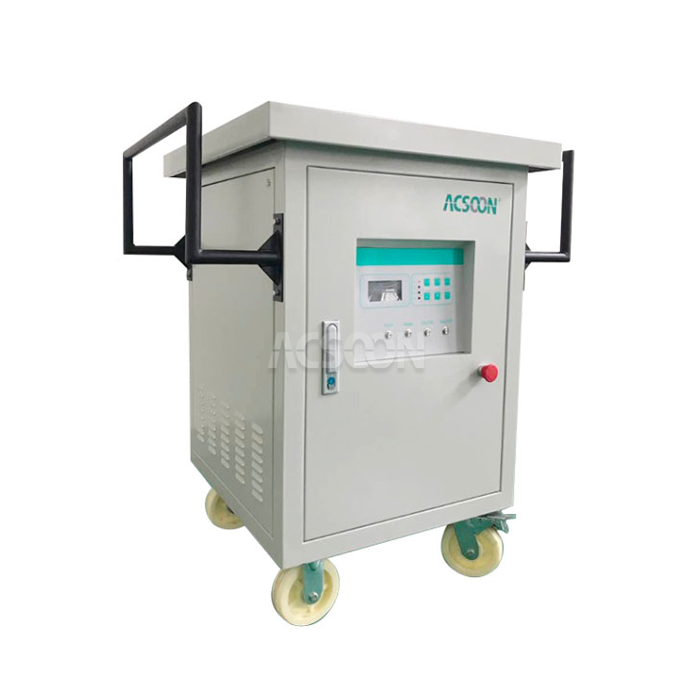
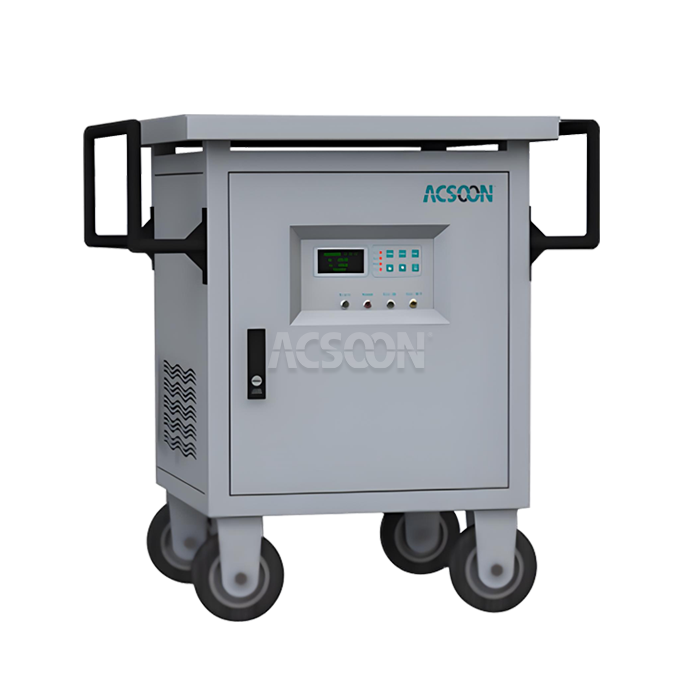
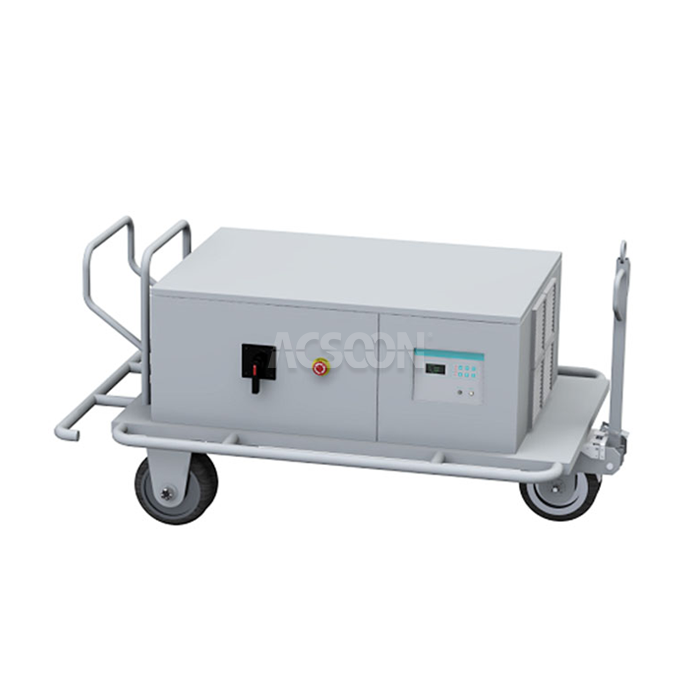
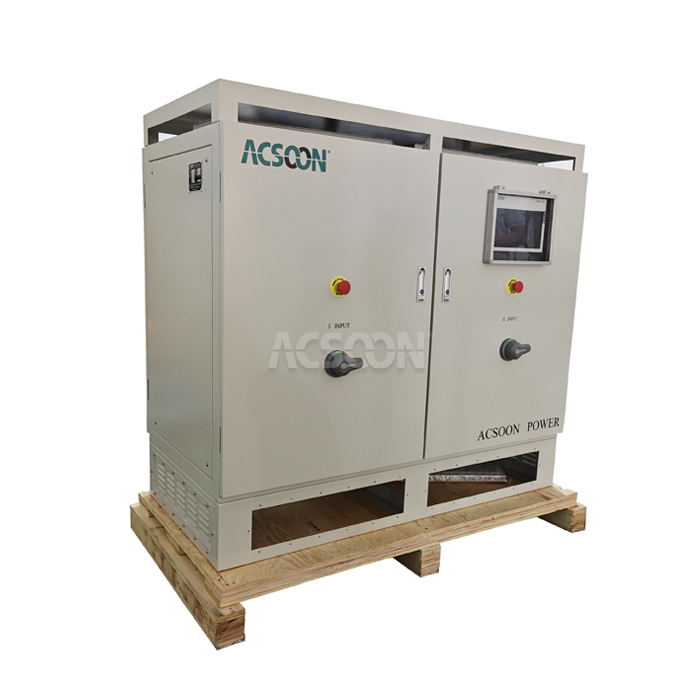
Modern 28V ground power units incorporate state-of-the-art power electronics to achieve high efficiency levels. These units utilize advanced rectifier technologies, such as IGBT-based designs, which significantly reduce power losses during AC to DC conversion. For instance, the ADCW-28300 model boasts an impressive efficiency rating of ≥90%, ensuring that a greater portion of input power is converted to usable output. This high efficiency not only reduces energy consumption but also minimizes heat generation, leading to improved overall performance and longevity of the unit. Additionally, these advanced power electronics enable precise voltage regulation, with the ADCW-28300 maintaining a tight ±0.5% FS line regulation, ensuring stable and reliable power delivery to aircraft systems.
Intelligent Power Management
High-efficiency 28V ground power units employ sophisticated power management systems to optimize energy utilization. These intelligent systems continuously monitor power demand and adjust output accordingly, preventing unnecessary energy waste during periods of low load. For example, the ADCW-28300 model features a high overload capacity of 200% for 10 seconds, allowing it to handle sudden power surges without compromising efficiency. This adaptive power management not only enhances the unit's overall efficiency but also extends its operational lifespan by reducing stress on components during varying load conditions. Furthermore, these intelligent systems often include built-in diagnostics and remote monitoring capabilities, enabling proactive maintenance and minimizing downtime.
Thermal Management and Noise Reduction
Efficient thermal management is crucial for maintaining the performance and longevity of 28V ground power units. Modern GPUs incorporate advanced cooling systems and optimized component layouts to dissipate heat effectively. This not only contributes to higher operational efficiency but also reduces the need for frequent maintenance. In the case of the ADCW-28300, the unit operates with remarkably low noise levels, less than 65dB within 1 meter, thanks to its efficient design and noise reduction technologies. This low noise operation is particularly beneficial in airport environments, where minimizing noise pollution is a growing concern. By effectively managing heat and noise, these high-efficiency GPUs can operate reliably in various environmental conditions while maintaining optimal performance.
How do modern 28V ground power units contribute to energy savings in airport operations?
Reduced Power Consumption
Modern 28V ground power units significantly contribute to energy savings in airport operations through their reduced power consumption. The high efficiency of these units, such as the ADCW-28300 with its ≥90% efficiency rating, means that less energy is wasted during power conversion and delivery. This reduction in power consumption translates directly into lower electricity costs for airports and airlines. Additionally, the precise voltage regulation capabilities of these units ensure that aircraft systems receive optimal power, preventing energy waste due to voltage fluctuations. By minimizing power losses and optimizing energy delivery, modern 28V GPUs play a crucial role in reducing the overall energy footprint of airport ground operations, contributing to more sustainable and cost-effective airport management.


Modern 28V ground power units are increasingly being designed with smart grid compatibility, further enhancing their energy-saving potential in airport operations. These advanced units can communicate with smart grid systems, allowing for dynamic load management and optimized power distribution across airport facilities. For instance, during peak demand periods, smart grid-compatible 28V GPUs can adjust their power draw to alleviate strain on the electrical grid, potentially reducing energy costs and improving overall grid stability. This intelligent integration with smart grid infrastructure not only contributes to energy savings but also enhances the reliability and resilience of airport power systems. As airports continue to modernize their electrical infrastructure, the role of smart grid-compatible 28V GPUs in efficient energy management becomes increasingly significant.
What are the future trends in 28V ground power unit efficiency improvements?
Advanced Materials and Component Miniaturization
The future of 28V ground power unit efficiency improvements lies in the development and application of advanced materials and component miniaturization. Researchers and manufacturers are exploring the use of wide-bandgap semiconductors, such as silicon carbide (SiC) and gallium nitride (GaN), in power electronics. These materials offer superior performance characteristics, including higher operating temperatures, faster switching speeds, and lower conduction losses, potentially pushing the efficiency of 28V GPUs beyond current limits. For example, future versions of units like the ADCW-28300 could see efficiency ratings exceeding 95% through the integration of these advanced materials. Additionally, ongoing efforts in component miniaturization will lead to more compact and lightweight 28V GPUs, improving portability and reducing material usage without compromising power output or efficiency.
Artificial Intelligence and Predictive Maintenance
The integration of artificial intelligence (AI) and machine learning algorithms into 28V ground power units represents a significant trend in efficiency improvements. These technologies will enable GPUs to learn from operational data, optimizing power delivery based on historical usage patterns and real-time conditions. AI-driven systems could predict power demands more accurately, allowing for proactive adjustments that enhance overall efficiency. Furthermore, the implementation of predictive maintenance algorithms will help identify potential issues before they escalate, reducing downtime and extending the operational life of 28V GPUs. For instance, future iterations of units like the ADCW-28300 might incorporate AI-powered diagnostic systems that continuously monitor component health and performance, scheduling maintenance only when necessary and thereby maximizing operational efficiency and reliability.
Energy Storage Integration
The integration of energy storage systems with 28V ground power units is emerging as a promising trend for future efficiency improvements. By incorporating high-capacity batteries or supercapacitors, GPUs can store excess energy during low-demand periods and release it during peak usage, effectively balancing power loads and reducing strain on the electrical grid. This energy storage capability could also enable 28V GPUs to operate more efficiently in conjunction with renewable energy sources, storing solar or wind power for use during unfavorable weather conditions or nighttime operations. Future models of 28V GPUs, building upon the capabilities of units like the ADCW-28300, may feature built-in energy storage modules, allowing for uninterrupted power delivery and improved overall system efficiency. This integration of energy storage not only enhances the efficiency of individual units but also contributes to the broader goal of creating more resilient and sustainable airport power infrastructures.
Conclusion
Modern 28V ground power units have made significant strides in efficiency, with models like the ADCW-28300 setting new standards in the industry. These advancements, characterized by high efficiency ratings, intelligent power management, and reduced environmental impact, are transforming airport operations. As we look to the future, the integration of advanced materials, AI-driven systems, and energy storage solutions promises even greater efficiency gains. These developments not only contribute to cost savings and operational improvements but also align with the aviation industry's growing focus on sustainability. The evolution of 28V GPUs reflects a broader trend towards smarter, more efficient ground support equipment, paving the way for greener and more economical airport operations worldwide.
For more information on cutting-edge 28V ground power units and other aviation power solutions, contact Xi'an Jerrystar Instrument Co., Ltd. Specializing in ACSOON brand power converters for aviation, industry, marine, and lab testing applications, they offer a wide range of products including variable frequency converters, 400 Hz static frequency converters, voltage and frequency stabilizers, and ground power units. As a manufacturer and trading company with a 5,000-10,000 square meter factory in Xi'an, China, they are equipped to handle custom orders and maintain adequate inventory for quick delivery. For inquiries, please email acpower@acsoonpower.com.