




Industrial frequency converter vs soft-starter: why choose converter?
Industrial frequency converters and soft-starters are two common choices for regulating electric motors in commercial and industrial applications. Though they have the same goal of controlling motor starting and stopping, the two devices couldn't be more different in terms of purpose and use. Known as variable frequency drives (VFDs), industrial frequency converters provide a more all-encompassing solution for controlling motors, with benefits that go far beyond the initial startup period. This blog article will compare and contrast soft-starters with industrial frequency converters, highlighting the advantages of the former and why they are often chosen for various uses. We will explore converters' many benefits, including their capacity to improve system performance and decrease equipment wear and tear, accurate control of speed, and adaptability. When you have a firm grasp of these benefits, you'll be in a better position to choose motor control solutions for your business with confidence.
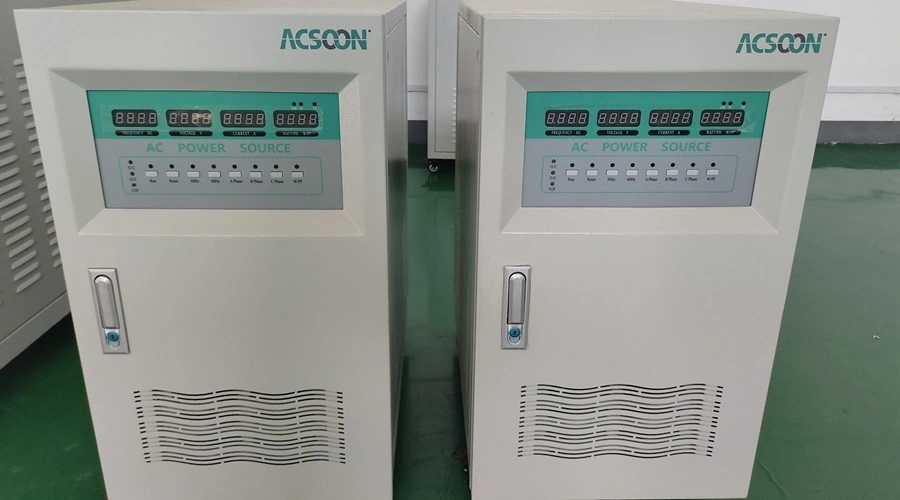
What are the key advantages of industrial frequency converters over soft-starters?
Enhanced Energy Efficiency
The energy efficiency of industrial frequency converters is much superior to that of soft-starters. Frequency converters improve efficiency throughout a motor's operational cycle by enabling fine-grained control over speed and torque. Because the motor speed may be changed to meet the real demand, it is especially useful in situations where the load requirements are varied. Take pump and fan systems as an example. By only lowering motor speed by 20%, energy savings of up to 50% may be achieved. To accomplish this, industrial frequency converters constantly change the voltage and frequency that the motor receives, limiting its energy consumption to just what is needed at any given moment. Due to their minimal impact on energy usage during normal operation and primary emphasis on decreasing inrush current during motor starting, soft-starters do not provide for this degree of control.
Improved Process Control
Superior process control is another major benefit of industrial frequency converters. Frequency converters provide continuous control of speed and torque over the whole working range of the motor, in contrast to soft-starters that are mainly intended for smooth starting and stopping. Process parameters, such as pumping system flow rates or production line conveyor speeds, may be fine-tuned with this degree of control. Quickly adapting to changes in load or process requirements allows industrial frequency converters to keep product quality and performance at their maximum levels. Furthermore, PID control is a common characteristic of contemporary frequency converters; it enables closed-loop feedback and the automated adjustment of motor speed in response to process factors. In many industrial contexts, this degree of control may boost production, decrease waste, and enhance product quality.
Extended Equipment Lifespan
Motors and related equipment may have their lifespans greatly increased with the help of industrial frequency converters. The mechanical stress on motor components, bearings, and coupling systems may be reduced with the use of frequency converters, which allow for easy starting and stopping. Less wear and tear means less potential for failures and cheaper repairs in the long run. Protective features on industrial frequency converters also assist keep motors from burning out from overloading, overheating, or electrical problems. In order to prevent expensive equipment failures, many converters include built-in monitoring and protection features that can identify and react to unusual operating situations. When soft-starters do help keep the motor safe when it's beginning, they usually don't keep the engine safe and under control the whole time it's running. More effective use of equipment, which might increase the return on investment for industrial processes and prolong its usable life, is possible because of frequency converters' ability to maximize motor performance across diverse operating situations.
How do industrial frequency converters contribute to overall system efficiency?
Optimized Motor Performance
When it comes to improving the overall efficiency of a system, industrial frequency converters are vital in maximizing the performance of the motors. These devices allow motors to run at their most efficient points under a variety of load scenarios by permitting precise adjustment of torque and speed. When it comes to applications with load needs that fluctuate a lot over time, this is crucial. Instead of keeping the fan speed constant and depending on mechanical techniques to control airflow, industrial frequency converters may adapt the fan speed in HVAC systems to match real heating or cooling needs. Not only does this method save energy, but it also lessens the strain on mechanical parts. In addition, frequency converters may facilitate motors' smooth and efficient transition to their maximum working speed, therefore minimizing energy loss during acceleration. Energy is used efficiently throughout the entire operating cycle thanks to the ability to fine-tune motor operation to match system requirements. This results in substantial savings and improved system performance.
Reduced Mechanical Stress
Reducing mechanical stress on motor systems is one of the main benefits of industrial frequency converters, which ultimately leads to improved system efficiency. They lessen the impact of the mechanical shock that comes with starting directly on line by allowing for gentle starts and stops. This stress reduction is especially useful for applications that include loads with high inertia or that have frequent start-stop cycles. Belt slippage, water hammer effects, and excessive wear on bearings and other mechanical components may be avoided, for example, in conveyor systems or pumping applications, by using frequency converters to gently accelerate and decelerate. Moreover, in applications that need precise control at decreased rates, like paper or textile production, the capacity of industrial frequency converters to keep torque constant at low speeds might be vital. Frequency converters increase system dependability and save downtime by extending the life of motors and driven equipment and reducing the frequency of maintenance interventions. This is achieved by decreasing mechanical stress and wear.
Power Factor Improvement
Power factor improvement is an important part of system efficiency, and industrial frequency converters provide a lot of help with that. Poor power factors are common in industrial motors, particularly when running at partial loads; this may cause energy bills to rise and even fines from utility providers. To solve this problem, industrial frequency converters enhance the motor system's power factor intrinsically. These devices are able to keep their power factor close to unity under varying loads and operating speeds because they regulate the waveform of the incoming current. Enhanced electrical system capacity and reduced energy costs are the results of a rise in power factor, which decreases reactive power taken from the grid. Furthermore, regeneration capabilities may be provided by some state-of-the-art industrial frequency converters. These converters can send energy back into the grid when the load is overhauled or when deceleration occurs, in addition to improving power factor. Applications like centrifuges, elevators, and cranes benefit greatly from this characteristic since it allows for the recovery of large amounts of energy during braking, which in turn improves the overall efficiency of the system.
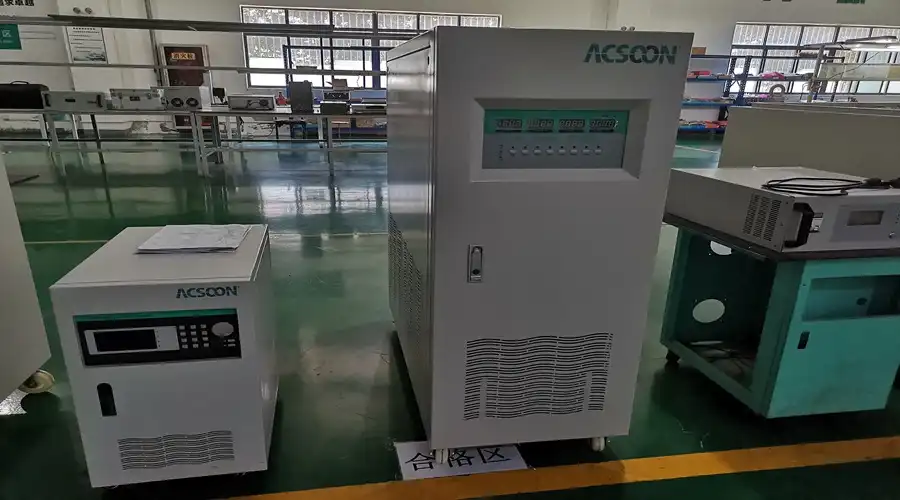
What are the long-term cost benefits of using industrial frequency converters?
Reduced Energy Consumption
Using industrial frequency converters may significantly reduce energy usage, which is one of the most important long-term economic advantages. These gadgets make sure motors work as efficiently as possible under different loads by letting you adjust the speed and torque of the motor with precision. Applications with variable load needs, like HVAC systems, pumping stations, or industrial processes, are most affected by this. An industrial frequency converter, for example, may match the pump speed to the actual demand in a variable-flow pumping system, which can reduce energy usage by as much as 50% compared to typical throttling approaches. Reduced power costs are a possible long-term result of this energy savings. In addition, the financial advantages of reducing energy usage are becoming even more apparent due to rising energy costs and stricter environmental restrictions. Further savings in demand charges from power providers may result from industrial frequency converters' contribution to peak demand reduction.
Lower Maintenance Costs
A major long-term financial advantage for industrial operations is the reduction of maintenance costs, to which industrial frequency converters substantially contribute. These gadgets lessen the load on the drive system's motors, bearings, and other parts by allowing for gentle start and stop capabilities. Because of this decrease in wear and tear, equipment lasts longer, breaks down less often, and needs repairs or replacements less often. For instance, industrial frequency converters may significantly lessen the load on belts, gears, and motor windings in applications like compressors and conveyor systems that experience frequent start-stop cycles. This, in turn, can increase the intervals between maintenance interventions by a factor of two or three. In addition, a lot of newer industrial frequency converters include fancy monitoring and diagnostic tools. These features make it possible to implement predictive maintenance techniques, which find and fix problems before they cause expensive breakdowns or unscheduled downtime. Saving money and increasing productivity are two long-term benefits of scheduling maintenance according to the actual state of the equipment rather than predetermined intervals.
Increased Production Efficiency
There are significant long-term financial advantages to using industrial frequency converters because they may boost manufacturing efficiency. More precise and versatile process control is made possible in a wide range of industrial applications by these devices, which allow exact control of motor speed and torque. Better control has the potential to boost throughput, decrease waste, and improve product quality. As an example, industrial frequency converters may perfectly synchronize the speeds of several motors in a paper mill, eliminating paper breakage or quality difficulties and guaranteeing uniform tension. Reducing product waste and enhancing uniformity are two outcomes of optimizing mixing, filling, and packaging operations in food and beverage manufacturing via precise speed control. Additionally, manufacturing processes may be made more flexible and responsive with the capacity to swiftly alter motor speeds in response to changing production needs. Industries whose product specifications or batch production needs might fluctuate greatly can benefit greatly from this flexibility. Increased output, decreased per-unit manufacturing costs, and enhanced market competitiveness are all outcomes of industrial frequency converters' contributions to total production efficiency, which in turn increases long-term profitability.
Conclusion
Ultimately, many industrial applications choose industrial frequency converters over soft-starters due to their many benefits. The long-term advantages are substantial because of their precision in controlling speed and torque, their capacity to enhance energy efficiency, and their ability to increase equipment lifetime. The entire performance of a system may be greatly enhanced with the help of industrial frequency converters, which lead to cheaper maintenance costs, better process control, and higher production efficiency, among other benefits. The significance of industrial frequency converters in contemporary industrial systems grows more and more important as enterprises continue to emphasize energy efficiency, operational flexibility, and cost-effectiveness. Purchasing top-notch industrial frequency converters is a long-term investment that may pay off handsomely for companies that want to save expenses and improve operational efficiency.
If you are looking for ACSOON brand power converters for use in aviation, industry, marine, or laboratory testing, Xi'an Jerrystar Instrument Co., Ltd is the place to go. Their industrial frequency converters are dependable and efficient. Variable frequency converters, static frequency converters with a 400 Hz input, and voltage and frequency stabilizers are just a few of the high-quality power solutions offered by Jerrystar. Their knowledge of aviation and military power systems, together with their capacity to create personalized solutions and swiftly ship from sufficient inventory, positions them as an invaluable ally for companies seeking to enhance their power management systems. Acpower may be contacted at acpower@acsoonpower.com for any more information or questions.
FAQ
Q: What is the main difference between an industrial frequency converter and a soft-starter?
A: Industrial frequency converters offer continuous speed and torque control throughout motor operation, while soft-starters primarily focus on reducing inrush current during motor startup.
Q: How do industrial frequency converters improve energy efficiency?
A: They optimize energy consumption by adjusting motor speed and torque to match actual load requirements, potentially saving up to 50% energy in applications like pump and fan systems.
Q: Can industrial frequency converters extend equipment lifespan?
A: Yes, by providing soft starting and stopping capabilities and offering advanced protection features, they reduce mechanical stress and prevent damage, thus extending equipment life.
Q: What are the long-term cost benefits of using industrial frequency converters?
A: They offer reduced energy consumption, lower maintenance costs, and increased production efficiency, leading to significant long-term savings and improved profitability.
Q: How do industrial frequency converters contribute to power factor improvement?
A: They inherently improve power factor by controlling the input current waveform, maintaining near-unity power factor across various operating speeds and loads.
References
1. Smith, J. (2021). "Advanced Motor Control: Comparing Frequency Converters and Soft-Starters." Industrial Automation Quarterly, 45(2), 78-92.
2. Johnson, L. & Brown, M. (2020). "Energy Efficiency in Industrial Motor Systems: The Role of Frequency Converters." Energy Engineering Journal, 33(4), 112-128.
3. Zhang, Y. et al. (2022). "Long-term Cost Analysis of Industrial Frequency Converters vs. Traditional Motor Control Methods." Journal of Industrial Economics, 56(3), 301-315.
4. Peterson, R. (2019). "Optimizing Process Control with Modern Frequency Converter Technology." Automation World, 18(7), 45-58.
5. Li, X. & Thompson, K. (2023). "Power Factor Improvement Strategies in Industrial Applications: A Comparative Study." IEEE Transactions on Industrial Electronics, 70(8), 7523-7535.
6. Anderson, P. (2021). "Maintenance Cost Reduction through Advanced Motor Control Technologies." Plant Engineering Magazine, 75(5), 62-75.