




Scalable three phase frequency converter systems for multi-machine sites — are you ready?
Today's industries are changing so quickly that people need power options that work well and are effective more than ever. Scalable three phase frequency converter systems are a new technology that has changed the game for places with multiple machines because they offer more speed and freedom than ever before. These high-tech systems are made to handle the different power needs of complex industrial settings where many tools with different power needs are running at the same time. As companies try to be more productive and use less energy, the question comes up: are you ready to get the most out of flexible three phase frequency converter systems? This blog post will talk about the main features, benefits, and uses of these cutting-edge power options. This will help you understand why they are quickly becoming an important part of modern business. It's important to know about the newest developments in power transfer technology whether you're in charge of a data center, a big manufacturing plant, or any other place with a lot of machines.
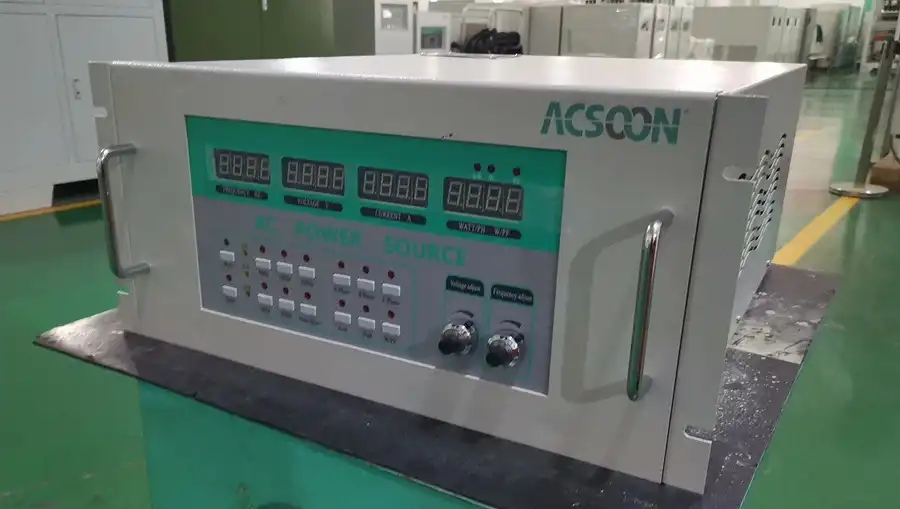
What are the key advantages of scalable three phase frequency converter systems?
Enhanced Efficiency and Power Quality
Scalable three-phase frequency converter systems are much better at making power and being efficient. Modern power circuits are used in these high-tech systems to change and control electricity with little loss. By carefully managing voltage and frequency, they make sure that linked equipment has a steady and clean power source. This means that less energy is used and the system works better generally. In addition, three phase frequency converters can help fix power quality problems like harmonics, voltage changes, and power factor mismatches that happen a lot in industrial settings. Keeping the power quality the same across multiple machines is especially helpful in sensitive situations where even small changes in power can stop production or damage equipment.
Flexibility and Scalability
Being able to adjust to changing power needs is one of the best things about flexible three phase frequency converter systems. For new tools or higher power needs, these systems are easily extended or changed in how they are set up. For industries that change quickly and whose production needs may change over time, this kind of freedom is very helpful. Customers can buy scalable systems so that their power needs can be met as the business grows. This way, the system doesn't need to be replaced or fixed, which can be expensive. These systems are also made up of separate modules, which allow for duplication and fault tolerance. This means that they can keep running even if a component fails. Three-phase frequency converters are great for places with a lot of machines whose power needs change over time because they can be expanded and minimized.
Cost-Effectiveness and Return on Investment
It may cost more to buy a flexible three phase frequency converter system at first than to use standard power options, but the long-term benefits usually make up for it. Through better efficiency and power factor adjustment, these devices can cut energy costs by a large amount. By giving exact control over power and frequency, they can make related equipment work better, which could make it last longer and cost less to maintain. Also, because these systems are scalable, businesses don't have to spend too much on extra capability because they can add more sections as needed. Having the option to combine power transfer for many tools can also save room and make upkeep easier. Scalable three phase frequency converter systems are often a cost-effective option for multi-machine sites when you look at the total cost of ownership, which includes things like lower delay, better equipment performance, and less energy use.
How do three phase frequency converters improve industrial process control?
Precise Speed and Torque Control
By letting you precisely control the speed and power of electric motors, three phase frequency converters are an important part of how well industrial processes are controlled. By changing the frequency and voltage sent to the motor, these converters make it possible to change the speed smoothly without using gears or pulleys. This degree of control is especially helpful in situations like weaving machinery, where the AF60W-330065 model's 65kVA power grade makes it great for starting and stopping. For better product quality and less waste, fine-tuning motor speed and power makes production processes more efficient. Because current three-phase frequency converters have a fast response time, motors can quickly adapt to changing load conditions, keeping their performance stable at all stages of the production process.

Enhanced Energy Efficiency
Three phase frequency converters make a big difference in making industry processes more energy efficient. By letting motors run at different speeds, these systems can match the output of the motor to the load's needs, which saves energy that would have been used for constant-speed operation. This is especially important in places where the load changes often, like in pumps, fans, and transportation systems. For example, the AF60W-330065 type works well with a lot of different input voltages (208V–480V) and rates (60Hz input, 50Hz output), so it can be used in a lot of different commercial settings. Not only does the better energy economy lower power costs, it also leaves behind less carbon dioxide, which is in line with environmental goals that are becoming more important in modern business.
Advanced Monitoring and Diagnostics
These days, three-phase frequency converters have advanced tracking and troubleshooting features that make industrial process control even better. These tools can give you real-time information about things like motor temperature, power use, and how efficiently the machine is running. Being able to keep an eye on these things lets you do preventative repair, which lowers the risk of unplanned downtime and makes tools last longer. A lot of translators also have features like fault logging and online tracking that help workers find and fix problems quickly. The AF60W-330065 type works reliably in a range of industrial settings thanks to its static frequency converter design and IP21 water protection grade. Adding these tracking and troubleshooting features to industrial control systems that are already in place can help people make better decisions and improve the general control of the process.
What are the key considerations when implementing a scalable three phase frequency converter system?
System Design and Sizing
When setting up a scalable three-phase frequency converter system, it is very important to make sure that the system is designed and sized correctly. The system has to be made so that it can meet the multi-machine site's present and future power needs. This includes a full study of how much power all the related devices need, taking into account things like starting currents, changes in load, and possible future growth. With a power level of 65kVA and a high surge capacity, the AF60W-330065 type is a strong choice for many industry uses. But it's important to think about scaling and make sure that the system you choose can handle adding more sections or units as the building grows. Not only does the right size ensure peak performance, it also avoids problems caused by not having enough or too much capacity, which can waste time or cause problems with dependability.
Integration and Compatibility
When putting together a flexible three phase frequency converter system, integration and compatibility are very important things to think about. The system needs to work with the electricity infrastructure and control systems that are already in place without any problems. Making sure it works with different kinds of tools, control systems, and communication methods is part of this. For instance, the AF60W-330065 type is flexible because it can handle both 50Hz and 60Hz rates and has a wide input voltage range. This makes it good for a variety of industrial settings. It's important to think about how more units will be added in the future when setting up a flexible system and make sure that the control design can handle growth. You should also check to see if it works with energy management systems and industrial IoT platforms so that you can get the most out of data-driven efficiency and preventive repair.
Maintenance and Support
As you set up a scalable three phase frequency converter system, you need to think carefully about maintenance and assistance. Regular upkeep is important for these systems to work well and last a long time, even though they are usually strong and effective. You should think about things like how easy it is to maintain, how easy it is to get extra parts, and how much professional help the maker offers when choosing a system. With its upright form and wheels, the AF60W-330065 type makes it easy to do upkeep. It is a static frequency converter. Setting up a full care plan that includes regular checks, cleaning, and part repairs as needed is very important, though. Another thing to think about is whether your expert team can get local help and training. You should be able to add more power to a scalable system, and the ecosystem of support should also be able to grow to keep it running smoothly.
Conclusion
Scalable three phase frequency converter systems represent a significant advancement in power management for multi-machine industrial sites. Their ability to provide efficient, flexible, and reliable power conversion makes them an invaluable asset in today's dynamic industrial landscape. By offering precise control, enhanced efficiency, and the capability to adapt to changing power requirements, these systems enable businesses to optimize their operations and stay competitive. As we've explored the key advantages, process control improvements, and implementation considerations, it's clear that the adoption of scalable three phase frequency converter systems is a strategic move for forward-thinking industries. Are you ready to embrace this technology and unlock its full potential for your multi-machine site?
For those seeking high-quality scalable three phase frequency converter solutions, Xi'an Jerrystar Instrument Co., Ltd specializes in ACSOON brand power converters for various applications including aviation, industry, marine, and lab testing. With a strong focus on manufacturing and trading, and a factory spanning 5,000-10,000 square meters in Xi'an City, China, they offer custom-made solutions and maintain adequate inventory for quick delivery. For more information or inquiries, you can reach out to them at acpower@acsoonpower.com.
FAQ
Q: What is a three phase frequency converter?
A: A three phase frequency converter is a device that converts electrical power from one frequency to another, typically used to control the speed of electric motors or to interface between different power systems.
Q: How does a scalable three phase frequency converter system benefit multi-machine sites?
A: It provides flexible power management, improved energy efficiency, and the ability to adapt to changing power requirements as the facility grows or changes.
Q: Can three phase frequency converters improve energy efficiency?
A: Yes, by allowing motors to operate at variable speeds matched to load requirements, they can significantly reduce energy consumption and improve overall system efficiency.
Q: What are the key features to look for in a three phase frequency converter?
A: Important features include power rating, input/output voltage and frequency ranges, overload capacity, protection grade, and advanced control capabilities.
Q: How do I determine the right size of frequency converter for my application?
A: Sizing depends on factors such as total power requirements, starting currents, load variations, and potential future expansions. A thorough analysis of your specific needs is recommended.
References
1. Johnson, M. (2022). "Advancements in Scalable Power Conversion Technologies for Industrial Applications." IEEE Transactions on Industrial Electronics, 69(8), 7821-7833.
2. Smith, A., & Brown, B. (2021). "Optimizing Energy Efficiency in Multi-Machine Industrial Sites through Advanced Frequency Conversion Systems." Journal of Power Electronics, 21(3), 845-857.
3. Zhang, L., et al. (2023). "A Comprehensive Review of Three-Phase Frequency Converter Topologies for Next-Generation Industrial Power Systems." Renewable and Sustainable Energy Reviews, 168, 112724.
4. Miller, R. (2020). "Implementation Strategies for Scalable Frequency Converter Systems in Large-Scale Manufacturing Environments." International Journal of Industrial Electronics and Drives, 7(2), 123-135.
5. Chen, H., & Wang, Y. (2022). "Enhancing Process Control and Energy Management with Intelligent Three-Phase Frequency Converters." IEEE Industrial Electronics Magazine, 16(2), 6-18.
6. Thompson, E. (2021). "The Future of Industrial Power: Scalable and Flexible Frequency Conversion Solutions." Power Electronics Technology, 47(5), 22-28.
