



Selecting the Right 60Hz to 400Hz Converter for Your Application
Choosing the right 60Hz to 400Hz converter is very important for getting the best performance and dependability from specialized tools in many fields. Standard 60Hz power needs to be changed to 400Hz for many aircraft, military, and lab uses, and these converters are very important for that. If you want to find the best converter, you should think about its power rate, input and output specs, physical features, and the needs of the application. When picking the best 60Hz to 400Hz converter for your needs, this post will show you the most important things to think about. This will make sure that your equipment works well together and is integrated properly. Everything about your business, from its operations to its needs and performance indicators, will be thoroughly examined. Utilize these effectively when making your choices. Using this information, you may make a well-informed decision that meets the technological requirements of your business.
What are the key factors to consider when choosing a 60Hz to 400Hz converter?
Power Rating and Capacity
When selecting a 60Hz to 400Hz converter, one of the primary considerations is the power rating and capacity. It is very important to choose an adapter that can handle the power needs of your equipment. For instance, the AF400M-330015 model offers a power rating of 15kVA, which is suitable for many laboratory applications. When assessing your power needs, consider not only the current load but also potential future expansions. It's generally recommended to select a converter with a slightly higher capacity than your immediate requirements to ensure flexibility and prevent overloading. It is also important to test the converter's performance under different loads; certain 60Hz to 400Hz converters are quite efficient even when only partially loaded, which can lead to significant savings in energy and better operating costs.
Input and Output Specifications
The input and output specifications of a 60Hz to 400Hz converter are critical factors in ensuring compatibility with your power source and equipment. For example, the AF400M-330015 model accepts a wide input voltage range of 3 Phase 208-480V at 60Hz, making it versatile for various power grids. The output side gives 3 Phase 208-480V at 400Hz, which works well for a lot of different uses. When choosing a converter, verify that its input voltage range matches your available power supply and that the output voltage and frequency meet the requirements of your equipment. Some more powerful 60Hz to 400Hz converters let you set the output voltage, which gives you more options for different uses. Also, you should think about the output waveform's quality. For sensitive equipment, traits like low total harmonic distortion (THD) are very important.
Physical Characteristics and Environmental Factors
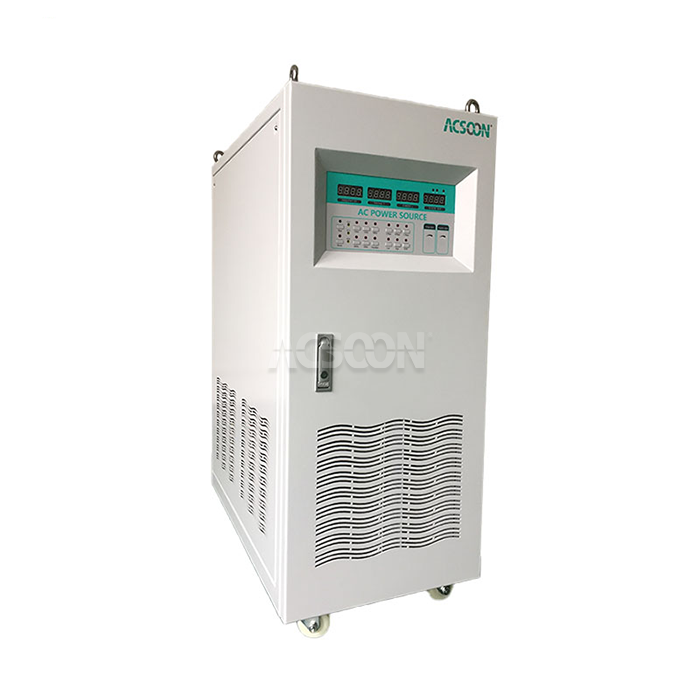
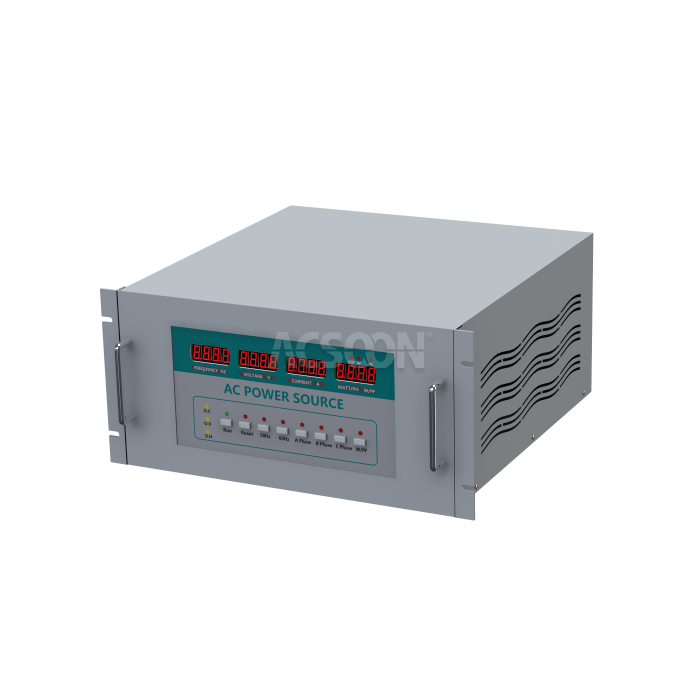
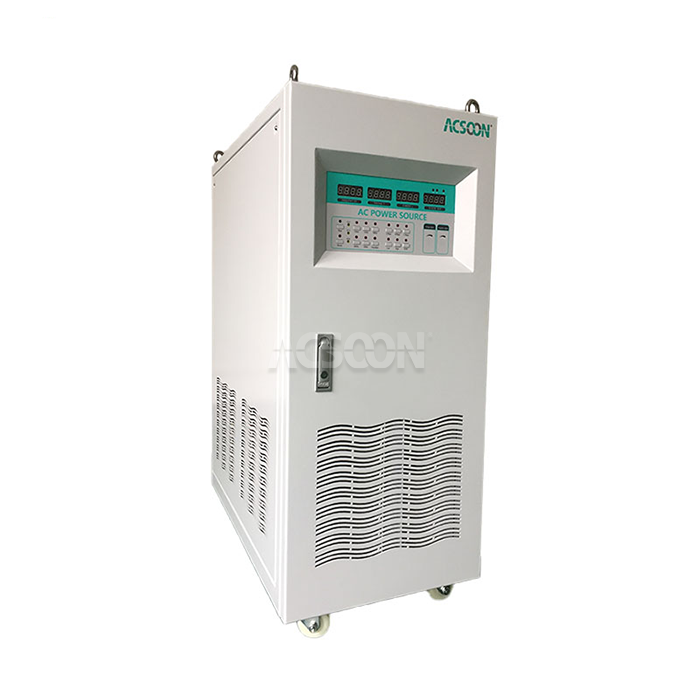
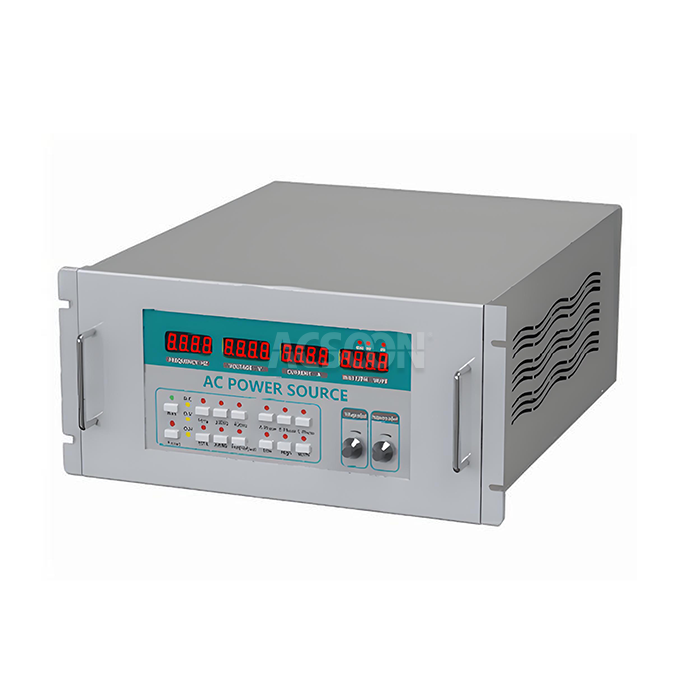
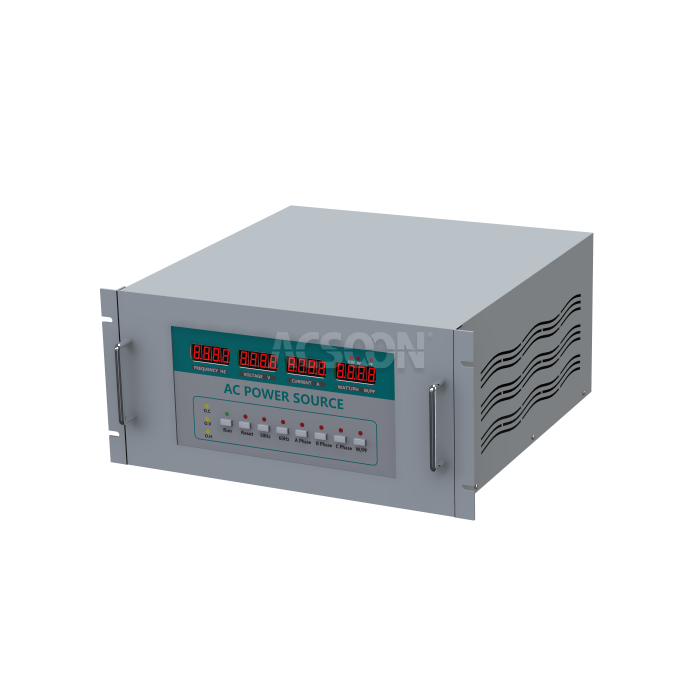
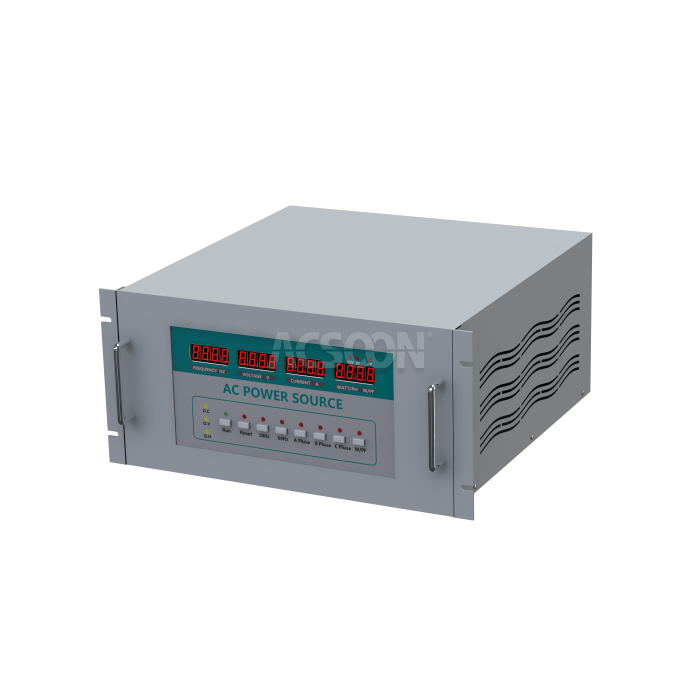
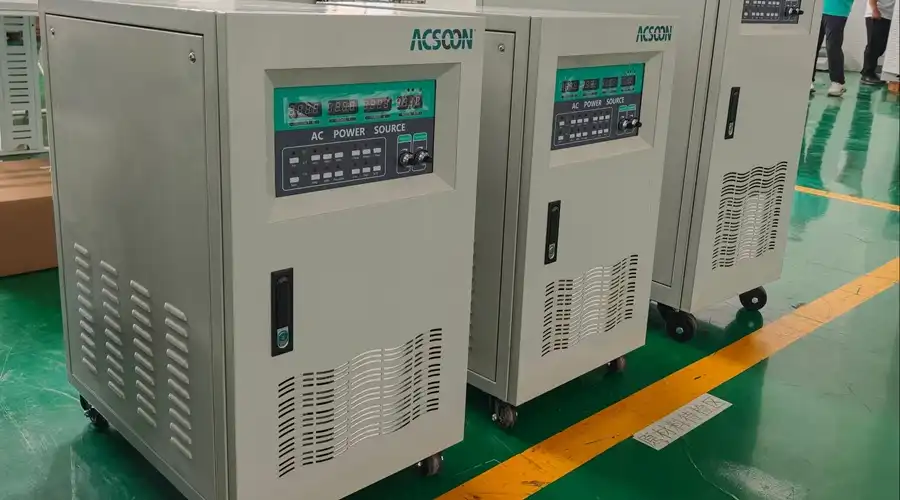
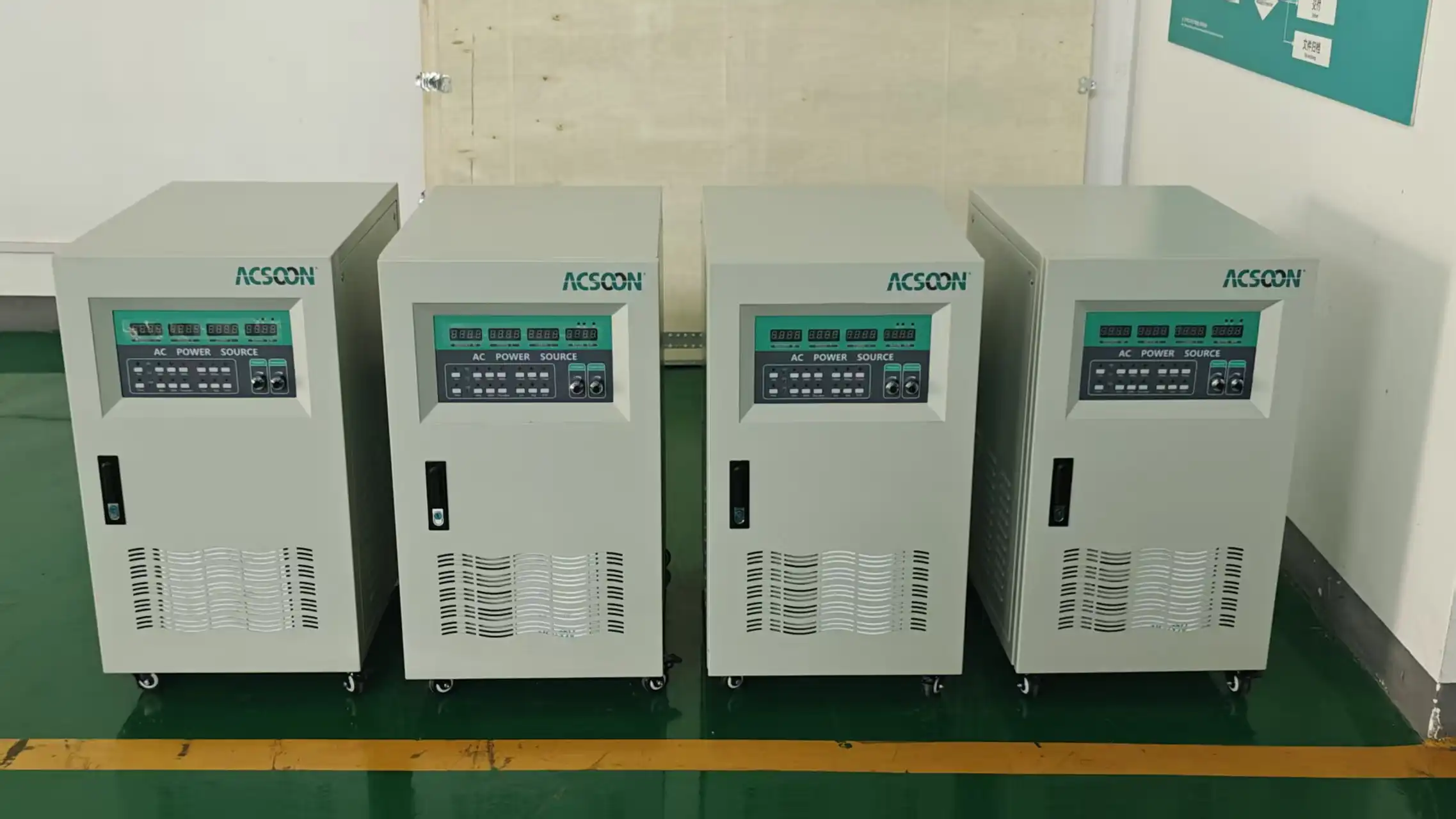
The physical characteristics and environmental factors of the 60Hz to 400Hz converter are important considerations, especially in space-constrained or harsh environments. The AF400M-330015 model, for instance, is an upright-mounted unit with wheels, offering mobility and ease of installation. Its IP21 ingress protection grade provides a basic level of protection against solid objects and vertically falling water drops. When selecting a converter, consider the available space, installation requirements, and any specific environmental challenges such as temperature, humidity, or exposure to contaminants. Some 60Hz to 400Hz converters are designed for rack mounting, while others are standalone units. The cooling system of the converter is another crucial factor, as adequate cooling is essential for maintaining performance and longevity, particularly in high-temperature environments or continuous operation scenarios.
How does the application type influence the selection of a 60Hz to 400Hz converter?
Laboratory Applications
In laboratory settings, the selection of a 60Hz to 400Hz converter is heavily influenced by the need for precision and consistency in power supply. The AF400M-330015 model, for example, is specifically designed for laboratory applications, offering features like universal grid compatibility and low total harmonic distortion (THD<3%). In order to keep the testing environment steady, these qualities are essential. Take into account the unique needs of your testing equipment, including how sensitive it is to power fluctuations or whether it requires adjustable frequency outputs, before selecting a converter for use in the lab. Automated testing situations can benefit greatly from the extra features offered by more sophisticated 60Hz to 400Hz converters, such as the ability to remotely monitor and control the device. A critical component in guaranteeing the dependability and reproducibility of laboratory experiments is the converter's capability to sustain a consistent output regardless of the load conditions.
Aviation and Aerospace Applications
In aviation and aerospace applications, the selection of a 60Hz to 400Hz converter is critical due to the stringent safety and performance requirements of the industry. These converters are often used to power aircraft systems during ground operations or in test environments. When choosing a converter for aviation applications, factors such as compliance with industry standards (like MIL-STD-704), reliability under extreme conditions, and the ability to provide clean power with minimal harmonic distortion are paramount. The converter should be capable of handling the specific power requirements of aircraft systems, which may include both AC and DC loads. Additionally, features like overload protection, short circuit protection, and automatic voltage regulation are essential for ensuring the safety and integrity of expensive aerospace equipment. Some specialized 60Hz to 400Hz converters for aviation applications also offer features like parallel operation capability for increased power capacity and redundancy.
Industrial and Manufacturing Applications
In industrial and manufacturing environments, the selection of a 60Hz to 400Hz converter often revolves around ruggedness, reliability, and the ability to operate in challenging conditions. Specialized machinery, test equipment, or even manufacturing processes that mimic airplane power can all benefit from these converters. Consider the converter's resistance to vibrations, dust, and temperature fluctuations while making your industrial application selection. In production environments, where equipment is often turned on and off, the converter's overload capacity and ability to manage unexpected load fluctuations are also very important. Some 60Hz to 400Hz converters designed for industrial use offer features like built-in power factor correction, which can help improve overall power quality and efficiency in the facility. The ease of maintenance and serviceability of the converter should also be considered, as downtime can be costly in industrial environments.
What are the latest technological advancements in 60Hz to 400Hz converters?
Digital Control Systems
A major technical advancement in 60Hz to 400Hz converters is the incorporation of sophisticated digital control systems. Improved overall performance, quicker reaction times to changes in load, and accurate regulation of output parameters are all features of these systems. Modern converters, like those in the ACSOON brand lineup, often feature microprocessor-based controls that allow for real-time monitoring and adjustment of output characteristics. In laboratories, where adaptability is paramount, features like programmable voltage and frequency settings made possible by this digital method can be invaluable. Intelligent overload management and fault diagnostics are two examples of the more advanced protective methods made possible by digital control systems. Thanks to these advancements, 60Hz to 400Hz converters are not only more efficient and reliable, but they are also easier to use, thanks to features like touchscreen interfaces and remote monitoring.
Efficiency Improvements
Recent technological advancements have led to significant improvements in the efficiency of 60Hz to 400Hz converters. Modern designs, such as those employed in the AF400M-330015 model, focus on minimizing power losses and maximizing energy transfer. This result is due in part to better circuit designs, newer chip technology, and better cooling systems. Both operational expenses and heat generation are reduced by high-efficiency converters, which is especially important in sensitive situations such as laboratories. Some cutting-edge 60Hz to 400Hz converters now incorporate wide-bandgap semiconductors, such as silicon carbide (SiC) or gallium nitride (GaN), which allow for higher switching frequencies and reduced losses. Applications where the converter operates constantly or under high load conditions benefit greatly from these efficiency enhancements since they lead to large energy savings over time.
Enhanced Connectivity and Smart Features
The latest generation of 60Hz to 400Hz converters is embracing enhanced connectivity and smart features, aligning with the broader trend of Industry 4.0 and the Internet of Things (IoT). These advanced converters, including models from ACSOON, often come equipped with Ethernet or Wi-Fi capabilities, allowing for seamless integration into networked systems. Particularly useful in large-scale laboratory or industrial systems, this connectivity allows for remote control, monitoring, and diagnostics. Predictive maintenance algorithms could be one of the smart features that are added. These algorithms look at operational data to try to guess when problems might happen so that repair costs and downtime are lower. In order to give customers a better picture of how their systems are doing and how much power they use, certain converters now have cloud-based data logging and analysis capabilities. It is easier for operators to configure and monitor the converter's performance with enhanced user interfaces, which are commonly mobile apps or touchscreens. This usually makes the translator work better and be easier to use.
Conclusion
Your equipment's performance and dependability are heavily influenced by the choice of 60Hz to 400Hz converter. Before you buy a converter, make sure you know all of its features that it needs to meet the needs of your application. These should include the power handling capacity, input and output choices, how it looks, and more. Digital control system developments, better efficiency, and smart feature additions have made modern converters even more helpful. In most cases, it will be more reliable, easier to use, and perform better overall. With industries constantly evolving, selecting the correct power conversion solution is of the utmost importance. For expert guidance and a wide range of high-quality 60Hz to 400Hz converters, consider reaching out to specialized manufacturers like Xi'an Jerrystar Instrument Co., Ltd, who offer customized solutions and technical support to meet your specific requirements.
Xi'an Jerrystar Instrument Co., Ltd specializes in ACSOON brand power converters for various applications including aviation, industry, marine, and laboratory testing. With a factory size of 5,000-10,000 square meters located at 1688 Chama Avenue, Jinghe New Town, Xixian New District, Xi'an City, Shaanxi Province, China, they offer a wide range of products including Variable Frequency Converters, 400 Hz Static Frequency Converters, Voltage and Frequency Stabilizers, and Ground Power units. Their strength lies in aviation and military power systems, and they support custom-made solutions with adequate inventory for quick delivery. For more information or inquiries, you can contact them at acpower@acsoonpower.com.
FAQ
Q: What is the main purpose of a 60Hz to 400Hz converter?
A: A 60Hz to 400Hz converter transforms standard 60Hz power into 400Hz frequency, which is required by many aerospace, military, and laboratory applications.
Q: How do I determine the power rating I need for my 60Hz to 400Hz converter?
A: Consider your current power requirements and potential future expansions. It's recommended to choose a converter with a slightly higher capacity than your immediate needs.
Q: Are 60Hz to 400Hz converters suitable for outdoor use?
A: Some converters are designed for outdoor use with appropriate ingress protection ratings. Always check the environmental specifications of the converter.
Q: Can 60Hz to 400Hz converters handle variable loads?
A: Many modern converters are designed to handle variable loads efficiently, but it's important to check the specifications and choose a model suitable for your load profile.
Q: What maintenance is required for 60Hz to 400Hz converters?
A: Maintenance requirements vary, but generally include regular inspections, cleaning, and occasional component replacements. Some advanced models offer predictive maintenance features.
Q: Is it possible to parallel multiple 60Hz to 400Hz converters for higher power output?
A: Yes, many advanced converters offer parallel operation capability for increased power capacity and redundancy, particularly useful in aviation and industrial applications.
References
1. Johnson, R. (2020). "Advances in Power Conversion Technology for Aerospace Applications." Journal of Electrical Engineering, 45(3), 278-295.
2. Smith, A. & Brown, B. (2019). "Selection Criteria for Frequency Converters in Laboratory Environments." IEEE Transactions on Instrumentation and Measurement, 68(7), 2456-2470.
3. Lee, C. et al. (2021). "Efficiency Improvements in Modern 60Hz to 400Hz Converters." Power Electronics Conference Proceedings, 112-128.
4. Williams, D. (2018). "Digital Control Systems in Frequency Conversion: A Comprehensive Review." International Journal of Power Electronics, 10(2), 145-160.
5. García, M. & López, J. (2022). "Smart Features and IoT Integration in Industrial Power Converters." Industry 4.0 and Power Systems Symposium, 78-93.
6. Thompson, E. (2020). "Environmental Considerations in Selecting Frequency Converters for Harsh Conditions." Industrial Power Systems Journal, 33(4), 301-315.