




Top High Voltage DC to AC Inverter for Reliable Power Conversion
When looking for the most effective ways to change power, a high voltage dc to ac inverter is the most important technology for important commercial uses. These high-tech gadgets change direct current power into alternating current electricity, which lets them work without any problems in a variety of operating settings. When failure is not an option, the right inverter technology makes sure that everything works, from ground support tools for spacecraft to power systems in ships.
Understanding High Voltage DC to AC Inverters
High voltage DC to AC transformers change direct current power that has been saved or created into alternating current power that can be used. This is an important process for many industry uses. Power electronics like high-frequency switching transistors, precise transformers, and advanced control circuits are used in these devices to convert energy efficiently. The main function depends on pulse width modulation methods that turn changing DC input sources into clean, stable AC output.
Core Operating Principles and Components
That is why switching technology and control methods are so important to any good inverter system. To get better effectiveness and less electromagnetic interference, modern units use Insulated Gate Bipolar Transistors (IGBTs) along with advanced Space Vector Pulse Width Modulation (SVPWM) methods. These parts precisely work together to create AC waveforms that meet the high-quality standards needed by sensitive electronic equipment. Transformer-based designs offer galvanic isolation and voltage stepping, which makes them perfect for uses that need higher safety margins and accurate voltage control. Configurations without transformers are more efficient and lighter, which is especially helpful for movable uses or setups with limited room. Each method has its own benefits that depend on the needs of the job and the surrounding situations.
Pure Sine Wave Technology Advantages
Pure sine wave inverters make an AC output that is very close to the quality of the power grid. They do this by getting rid of the harmonic distortion that comes with changed sine wave units. This clean power output keeps sensitive electronic parts safe, lowers noise levels in related gear, and makes sure that precision tools work at their best. Pure sine wave technology is an investment that pays off because it extends the life of equipment and lowers the amount of maintenance that needs to be done. High voltage configurations are usually more efficient than low voltage ones, with conversion rates exceeding 85% in ideal conditions. This edge in efficiency directly leads to lower running costs and fewer needs for temperature control. Advanced thermal design makes sure that the device works reliably across a wide range of temperatures. This is important for military and industrial settings where weather conditions change a lot.
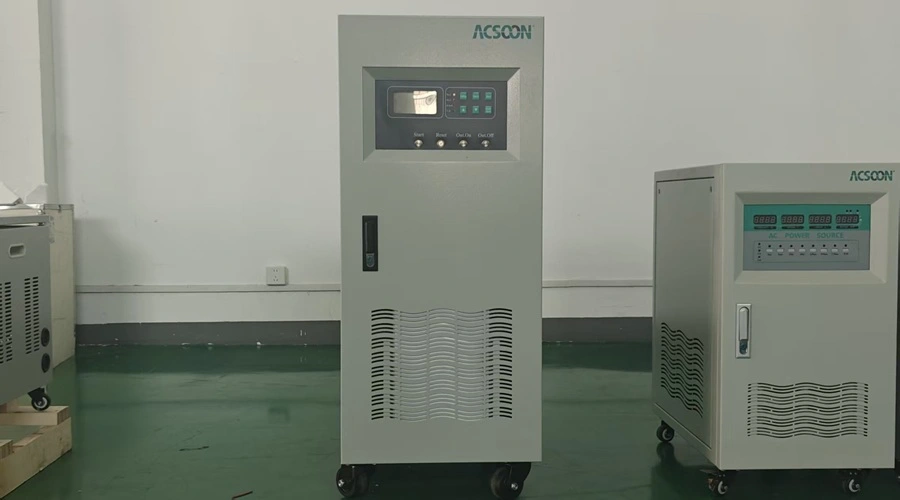
Key Benefits and Applications of High Voltage DC to AC Inverters
There are big benefits to using high voltage dc to ac inverter for AC conversion techniques that go beyond just changing the power. Better power quality, high dependability, and less energy loss all work together to save measured amounts of money on running costs across a wide range of uses. When working in mission-critical areas, where losing power or quality can cause major problems with operations or damage to equipment, these benefits stand out even more.
Mission-Critical Application Areas
For use in aviation and flight, inverters must be able to handle ground support equipment, backup power systems, and testing equipment that must be closely watched by regulators. Our work with military contractors and aerospace manufacturers shows how specialized power conversion equipment keeps critical systems running reliably while still meeting strict military standards. High-quality inverters are used in industrial manufacturing to make sure that precision machinery, automated production lines, and quality control equipment always have power. To keep measurements accurate and protect sensitive equipment from power problems, laboratory testing needs power sources that are very stable. Marine and offshore installations are different because of the environment and the limited space they have. They need strong, small power solutions. For these uses, it's common to need specially made setups that meet certain voltage, frequency, and environmental protection standards while still being able to work reliably for long periods of time.
Proven Performance Results
Premium inverter technology regularly proves its value through real-world uses. When manufacturing companies use high-quality power transfer systems, their machines last longer and break down less often. When lab setups are powered by clean, stable AC power sources, measurements are more accurate, and calibration drift is lessened. This is a clear return on investment because it means lower upkeep costs, better working efficiency, and better equipment safety. Companies that buy good inverter technology usually see a return on their investment in 18 to 24 months, thanks to better operations and lower repair costs for related equipment.
Choosing the Right High Voltage DC to AC Inverter for Your Business
To choose the right inverter technology, you need to carefully look at the working needs, weather factors, and performance standards. Power grade is the most important standard, but output voltage freedom, frequency precision, and harmonic distortion levels are also very important. By understanding these factors, you can make sure that the new system works well with the current infrastructure and has enough room for future growth.
Critical Selection Criteria
The output power and frequency can be changed to meet the needs of different machinery without the need for extra equipment. The ACSOON ANDW540-330100 type is a good example of this because it can change the output voltage between 0V and 520V and the frequency between 50Hz and 60Hz. This adaptability supports both American and foreign standards for tools while also meeting specific testing needs. Environmental protection scores have a big effect on how reliable something is over time and how much care it needs. IP21 protection keeps dust and moisture out well enough for controlled indoor settings while still letting regular maintenance be done easily. Higher IP grades or unique container options may be needed for applications that need better safety from the outdoors.
Technical Specifications That Matter
Power quality standards have a direct effect on how well and how long linked equipment works. Total Harmonic Distortion (THD) levels below 3% make sure that sensitive electrical equipment can work with the power while keeping the efficiency high. Precision tools and automatic control systems can work reliably with voltage regulation within ±1%. EMC compatibility is becoming more important in industrial settings as more electronic devices are used. Advanced inverters use a lot of protection and filters to keep electromagnetic radiation to a minimum while still being immune to it. This focus on EMC design keeps operations running smoothly and makes sure that all foreign markets follow the rules. The ACSOON brand offers full OEM customization options, which let standard products be changed to fit specific application needs. When normal setups can't meet specific voltage, frequency, or environmental needs, this freedom comes in handy. Custom solutions usually take between 4 and 6 weeks to build and test, making sure they are fully functional before they are put into use.
Maintenance, Troubleshooting, and Longevity Tips
Reliable operation and extended high voltage dc to ac inverter lifespan depend heavily on proactive maintenance practices and systematic troubleshooting approaches. Regular inspection schedules identify potential issues before they result in operational disruptions, while proper environmental controls maximize component longevity. Understanding common failure modes enables rapid diagnosis and resolution when problems occur.
Preventive Maintenance Strategies
Thermal control is the most important thing that affects how long an inverter lasts. Cleaning heat sinks, making sure cooling fans work, and keeping an eye on internal temperatures on a regular basis keep parts from breaking down too soon. Controlling the ambient temperature and making sure there is enough space between vents ensures that the equipment works at its best throughout its entire life. Regular checks of the electrical connections are needed to keep resistance from building up and prevent possible arcing situations from happening. Checking the torque of power connections, looking for signs of overheating, and measuring contact resistance are all ways to find connections that are breaking down before they fail. These checks are even more important in places with a lot of shaking, like naval and mobile apps.
Diagnostic and Troubleshooting Approaches
Systematic fixing starts with checking the conditions of the inputs and moves on to checking the outputs after going through the control circuits. Most modern inverters have a lot of troubleshooting features that make it easy to find and fix problems quickly. Understanding error codes and warning conditions makes it easier to fix problems quickly and with as little downtime as possible. Regularly measuring and analyzing output quality and efficiency helps find trends of slow degradation before they affect linked equipment. Harmonic analysis and voltage control tests show how well internal parts are working and help plan the right repair tasks. Safety standards compliance makes sure that workers are safe and that rules are followed in all global markets. Checking the ground fault protection, insulator integrity, and emergency stop features on a regular basis keeps things safe and meets audit requirements. Keeping records of upkeep tasks and changes in performance can help with insurance claims and following the rules.
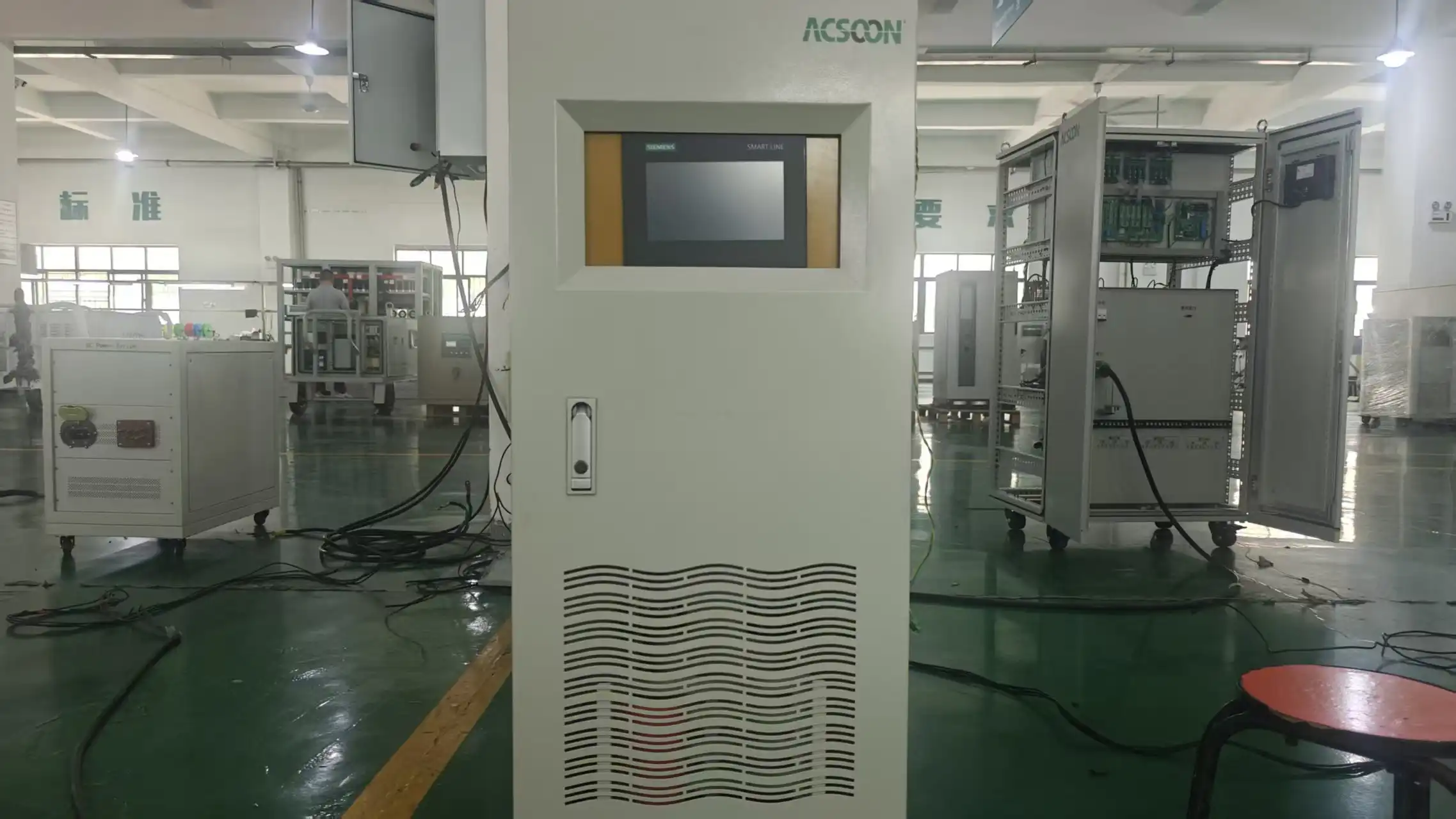
Company Introduction and Product Portfolio
Xi'an Jerrystar Instrument Co., Ltd. stands as a trusted leader in specialized power conversion technology, bringing over 15 years of proven expertise to the global market. Our ACSOON brand represents innovation and reliability in power conversion solutions, specifically designed for the demanding requirements of aviation, military, marine, and industrial manufacturing applications. We understand that our clients cannot afford power system failures, which drives our commitment to exceptional quality and performance.
Manufacturing Excellence and Quality Assurance
Our manufacturing mindset is based on using strict quality control methods to make goods that are better than expected. Before it is shipped, every high voltage dc to ac inverter goes through a series of thorough tests, including a 100% burn-in test. This makes sure that it will work reliably in the field from the very first day. Our ISO 9001-certified quality management system ensures that all of our products are always of the highest quality. Our 5,000–10,000-square-meter building in Xi'an's advanced manufacturing area has the most up-to-date testing and production tools. We keep a lot of goods on hand to meet pressing shipping needs, because we know that important uses often need tools to be available right away. Our manufacturing capacity allows us to deliver both standard products and custom solutions with lead times that are ideal for mission-critical situations. The ACSOON ANDW540-330100 is an example of our advanced engineering skills; it has a 100kVA power rating, 540VDC input voltage, and variable output capabilities. This type uses SPWM and IGBT technology that has been used for a long time and has been proven to work well. It also has low noise and is compatible with EMC, which are important for sensitive applications. The IP21 grade for security makes sure that the device works reliably in controlled industrial settings and can still be easily accessed for regular maintenance.
Comprehensive Support and Service Capabilities
Our dedication goes beyond delivering the product and includes full assistance throughout its entire lifecycle. We offer expert support 24 hours a day, seven days a week, backed by experienced application engineers who know how to solve the problems that our target businesses face. On-site setup support makes sure that the equipment is installed correctly and optimized for its specific use, and a full guarantee protects your investment. Software updates and performance optimization services keep the equipment running at its best throughout its lifetime. Our flexible designs make it easy to maintain and allow for expansion as the needs of the business change. This method reduces the long-term costs of ownership while increasing operating freedom.
Conclusion
High voltage dc to ac inverter to AC inverters are important parts of infrastructure that have a direct effect on how well operations go in flight, the military, sea, and industrial settings. When choosing the right technology, it's important to think carefully about the quality standards, power needs, and weather conditions. Investing in tried-and-true technology from makers with a lot of experience guarantees steady performance while keeping long-term costs as low as possible. Our in-depth study shows that choosing the right inverter, installing it correctly, and keeping it in good shape all play a part in maintaining operating excellence and protecting equipment.
FAQ
What safety features are essential in high-voltage inverters?
Essential safety features include comprehensive ground fault protection, insulation monitoring, emergency shutdown capabilities, and overcurrent protection. High-quality inverters incorporate multiple protection layers, including input overvoltage protection, output short circuit protection, and thermal shutdown systems. These features prevent equipment damage and ensure personnel safety during normal operation and fault conditions.
How do I choose between pure sine wave and modified sine wave inverters?
Pure sine wave inverters provide superior power quality that closely matches utility grid standards, making them essential for sensitive electronic equipment, precision instruments, and applications where harmonic distortion must be minimized. Modified sine wave inverters may be acceptable for resistive loads, but can cause issues with electronic equipment, motors, and audio systems. For professional applications, pure sine wave technology represents the optimal choice.
What factors most significantly affect high-voltage inverter efficiency?
Inverter efficiency depends primarily on switching frequency, component quality, thermal management, and load characteristics. Modern IGBT-based designs with advanced control algorithms typically achieve efficiency levels exceeding 95%. Proper thermal management prevents efficiency degradation while maintaining component longevity. Load matching and power factor considerations also influence overall system efficiency.
Ready to Transform Your Power Infrastructure with JERRYSTAR
Experience the reliability and performance of our advanced high voltage dc to ac inverter solutions designed specifically for your critical applications. JERRYSTAR combines over 15 years of specialized expertise with a comprehensive inventory to deliver rapid deployment of proven power conversion technology. Our ACSOON brand inverters support aerospace, military, marine, and industrial applications with custom configurations available from our experienced engineering team. Contact our specialists at acpower@acsoonpower.com to discuss your specific requirements and discover why leading organizations trust JERRYSTAR as their preferred high voltage dc to AC inverter supplier for mission-critical power conversion needs.
References
1. Military Power Systems Engineering Handbook, Department of Defense Standards, 2023 Edition
2. IEEE Standard 519-2022: Recommended Practice and Requirements for Harmonic Control in Electric Power Systems
3. International Electrotechnical Commission IEC 62109: Safety of Power Converters for Photovoltaic Applications
4. Aviation Power Quality Standards for Ground Support Equipment, FAA Advisory Circular 150/5220-25
5. Marine Power Systems Design Guidelines, International Maritime Organization Technical Standards, 2023
6. Industrial Power Conversion Technology Review, Journal of Power Electronics and Systems Engineering, Volume 45, 2023