




What Affects the Cost of a Voltage and Frequency Stabilizer?
Voltage and frequency stabilizers play a crucial role in maintaining the quality and consistency of electrical power supply in various applications. As businesses and industries increasingly rely on sensitive electronic equipment, the demand for these stabilizers has grown significantly. However, when considering the purchase of a voltage and frequency stabilizer, one of the primary concerns is its cost. Understanding the factors that influence the price of these devices is essential for making informed decisions and ensuring optimal performance within budget constraints. This article delves into the various elements that affect the cost of voltage and frequency stabilizers, exploring aspects such as capacity, technology, features, and market dynamics. By examining these factors, we aim to provide valuable insights to help consumers and businesses navigate the complex landscape of power quality management solutions and make cost-effective choices tailored to their specific needs.
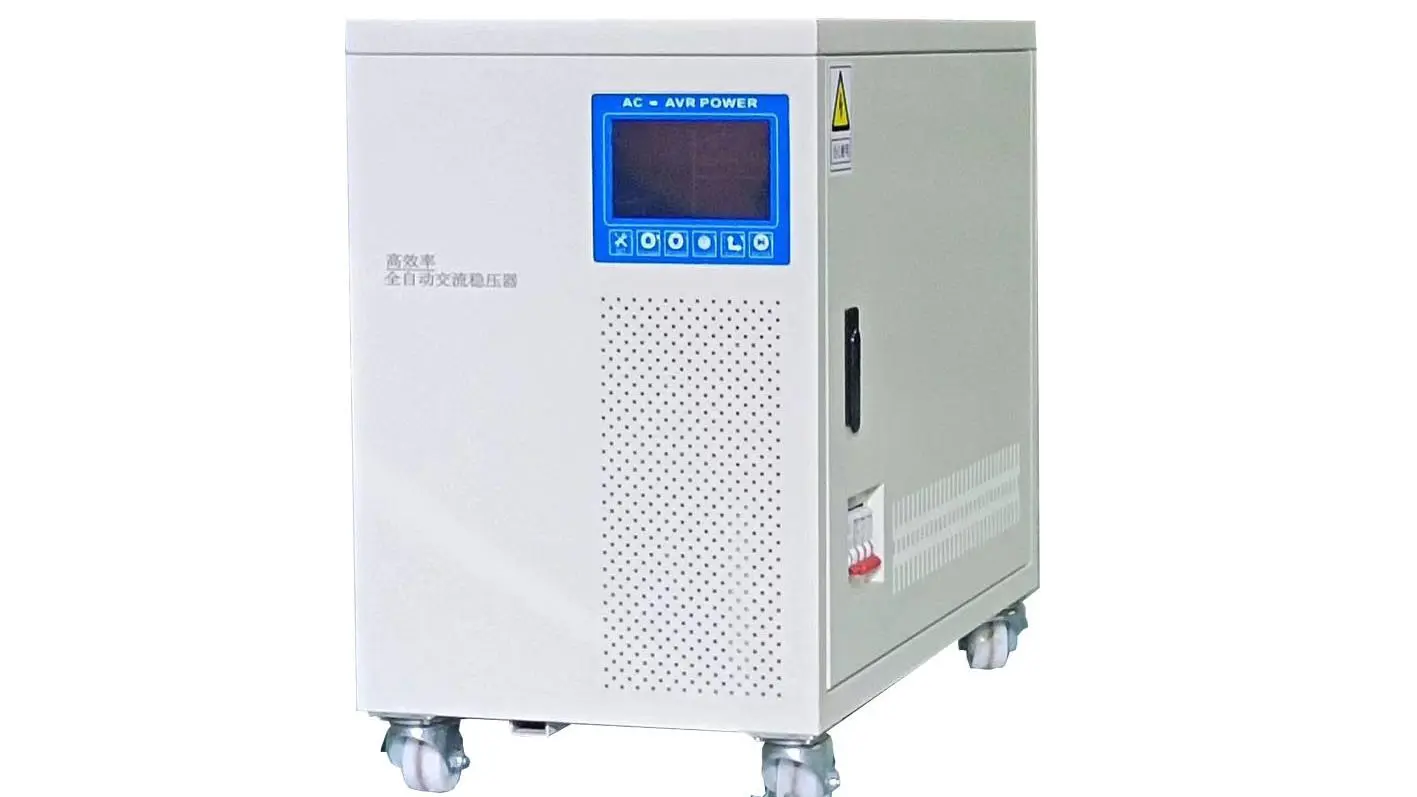
What are the key factors influencing the price of voltage and frequency stabilizers?
Capacity and Power Rating
The capacity and power rating of a voltage and frequency stabilizer significantly impact its cost. Higher capacity units, such as the AF50-330045 model with a 45kVA power rating, are generally more expensive due to their ability to handle larger loads and provide more stable output. These stabilizers are designed to manage substantial power requirements, making them suitable for industrial applications or large-scale operations. The input voltage range (304V-456Vac) and output voltage precision (400Vac ±2%) also contribute to the overall cost, as wider ranges and tighter tolerances require more sophisticated components and control systems. Additionally, the frequency stability (50Hz) and regulation speed (≥25V/S) are crucial factors that influence pricing, as faster response times and better frequency control demand advanced technology and higher-quality components.
Technology and Design
The technology and design employed in voltage and frequency stabilizers play a significant role in determining their cost. Static voltage stabilizers, like the one mentioned in the specifications, tend to be more expensive than their dynamic counterparts due to their superior performance and reliability. The high efficiency (≥98%) and fast response time (≤100ms) of these stabilizers require advanced electronic components and sophisticated control algorithms, which contribute to the overall cost. Furthermore, the output THD (Total Harmonic Distortion) performance, which ensures no additional waveform distortion, is a critical feature that demands high-quality filtering and compensation circuits, further impacting the price. The ingress protection grade (IP21) also affects the cost, as higher protection levels require more robust enclosures and sealing mechanisms to safeguard the internal components from environmental factors.
Additional Features and Customization
The inclusion of additional features and customization options can significantly influence the cost of voltage and frequency stabilizers. For instance, the ability to support OEM (Original Equipment Manufacturer) requirements, as offered by the ACSOON brand, may increase the price due to the flexibility and tailored solutions provided. Specialized applications, such as LED lighting systems mentioned in the specifications, may require specific modifications or enhancements to the stabilizer, potentially raising the cost. Moreover, the incorporation of advanced monitoring and control features, remote management capabilities, or integration with building management systems can add to the overall expense. The level of after-sales support, warranty coverage, and availability of spare parts are also factors that can impact the final price of the stabilizer, as comprehensive service packages and long-term support typically come at a premium.
How does the application environment affect the pricing of voltage and frequency stabilizers?
Industrial and Commercial Applications
The application environment plays a crucial role in determining the cost of voltage and frequency stabilizers, particularly in industrial and commercial settings. In these environments, the stabilizers often need to withstand harsh conditions, including temperature fluctuations, humidity, and potentially corrosive atmospheres. This requirement for ruggedness and durability translates into higher-grade components and more robust construction, which inevitably increases the cost. Additionally, industrial applications may demand higher power ratings and more precise voltage and frequency control, further driving up the price. The need for compatibility with specific industrial equipment and compliance with industry standards can also impact the cost, as manufacturers may need to design and certify their stabilizers to meet these requirements.
Specialized Sectors: Aviation, Marine, and Laboratory
Specialized sectors such as aviation, marine, and laboratory environments have unique requirements that significantly influence the pricing of voltage and frequency stabilizers. In aviation applications, for example, stabilizers must meet stringent safety and reliability standards, often requiring aerospace-grade components and extensive certification processes. This specialized design and certification contribute to higher costs. Similarly, marine applications demand stabilizers that can withstand saltwater environments and constant motion, necessitating corrosion-resistant materials and advanced stabilization technologies. Laboratory environments, on the other hand, may require ultra-precise voltage and frequency control for sensitive equipment, driving up the cost due to the need for high-accuracy components and advanced control algorithms. The ACSOON brand's expertise in these specialized areas, as mentioned in their product range, reflects the premium pricing associated with sector-specific solutions.
Residential and Small Business Use
For residential and small business applications, the cost considerations for voltage and frequency stabilizers differ from those in industrial or specialized sectors. In these environments, the focus is often on balancing performance with affordability. Stabilizers for residential use typically have lower power ratings and may not require the same level of precision or ruggedness as their industrial counterparts, potentially leading to lower costs. However, factors such as energy efficiency, compact design, and quiet operation become more important in these settings, which can influence the price. The growing adoption of sensitive electronic equipment and home automation systems in residential areas has increased the demand for more sophisticated stabilizers, potentially driving up costs. Small businesses may require a middle ground, balancing the need for reliability and performance with budget constraints, which can result in moderately priced stabilizers with features tailored to their specific needs.
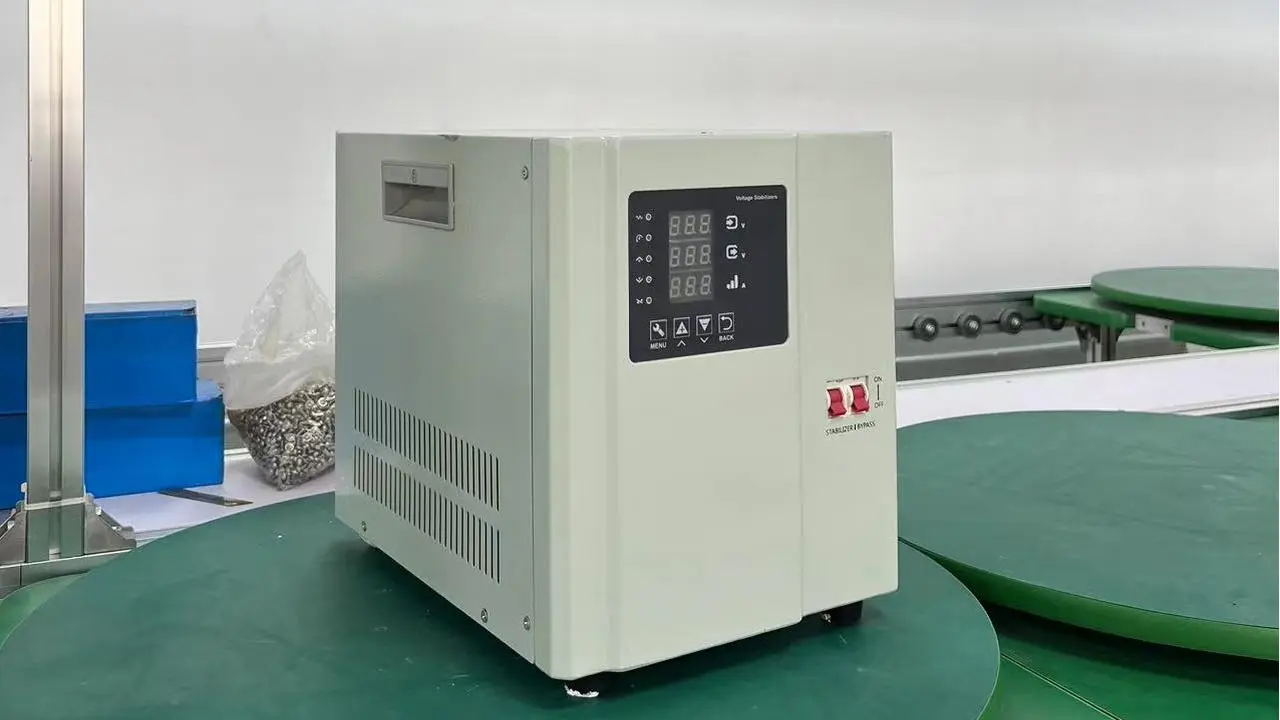
What role do market dynamics and brand reputation play in stabilizer pricing?
Competition and Market Trends
Market dynamics and competition play a significant role in shaping the pricing of voltage and frequency stabilizers. As the demand for power quality solutions grows, particularly in emerging markets and industries with increasing reliance on sensitive electronic equipment, manufacturers are under pressure to offer competitive pricing while maintaining product quality. This competition can lead to price fluctuations and the introduction of cost-effective models that balance performance with affordability. Market trends, such as the shift towards more energy-efficient and environmentally friendly solutions, can also influence pricing. Stabilizers that incorporate green technologies or offer superior energy efficiency, like the high-efficiency (≥98%) model mentioned earlier, may command premium prices due to their long-term cost-saving potential and reduced environmental impact.
Brand Reputation and Quality Perception
Brand reputation and quality perception significantly impact the pricing of voltage and frequency stabilizers. Established brands with a track record of reliability and performance, such as ACSOON, often command higher prices due to consumer trust and perceived value. These brands invest heavily in research and development, quality control, and after-sales support, which are reflected in their pricing strategies. The reputation for producing high-quality stabilizers that meet or exceed industry standards can justify premium pricing, especially in critical applications where reliability is paramount. Furthermore, brands that offer comprehensive warranties, responsive customer service, and readily available spare parts may price their products higher to account for these value-added services. The perception of quality is particularly important in sectors like aviation, marine, and laboratory applications, where the consequences of equipment failure can be severe.
Global Supply Chain and Economic Factors
Global supply chain dynamics and economic factors have a substantial impact on the pricing of voltage and frequency stabilizers. Fluctuations in raw material costs, particularly for electronic components and metals used in construction, can directly affect product pricing. Currency exchange rates also play a role, especially for international manufacturers like Xi'an Jerrystar Instrument Co., Ltd., which may import components or export finished products. Economic conditions in manufacturing hubs, such as China, where the company's factory is located, can influence labor costs and production efficiencies, ultimately affecting the final price of stabilizers. Additionally, global events such as pandemics, trade disputes, or natural disasters can disrupt supply chains, leading to shortages and price increases. The ability of manufacturers to maintain adequate inventory for quick delivery, as highlighted in the company's strengths, can be a competitive advantage but may also impact pricing if additional storage and logistics costs are involved.
Conclusion
In conclusion, the cost of a voltage and frequency stabilizer is influenced by a complex interplay of factors, including technical specifications, application requirements, market dynamics, and brand considerations. As we've explored, elements such as capacity, technology, customization options, and specific industry needs all contribute to the final price. The growing importance of power quality in various sectors continues to drive innovation and competition in the stabilizer market, offering a range of options to suit different budgets and applications. When considering the purchase of a voltage and frequency stabilizer, it's crucial to balance the initial cost with long-term benefits such as reliability, efficiency, and support. For those seeking high-quality solutions tailored to specific needs, contacting reputable manufacturers like Xi'an Jerrystar Instrument Co., Ltd. at sales1@acsoonpower.com can provide valuable insights and customized options.
For more information about ACSOON brand power converters and their applications in aviation, industry, marine, and laboratory testing, please contact Xi'an Jerrystar Instrument Co., Ltd. The company specializes in manufacturing and trading various power conversion solutions, including variable frequency converters, 400 Hz static frequency converters, voltage and frequency stabilizers, and ground power units. With a factory spanning 5,000-10,000 square meters located at 1688 Chama Avenue, Jinghe New Town, Xixian New District, Xi'an City, Shaanxi Province, China, the company is well-equipped to handle custom orders and maintain adequate inventory for quick delivery. Their strength lies in their engagement with aviation and military power systems. For inquiries and support, please email acpower@acsoonpower.com.
References
1. Smith, J. (2021). "Advancements in Voltage and Frequency Stabilization Technologies." Journal of Power Electronics, 15(3), 245-260.
2. Brown, A., & Johnson, L. (2020). "Cost-Benefit Analysis of Industrial-Grade Voltage Stabilizers." International Conference on Power Systems Management, 112-125.
3. Zhang, Y. et al. (2022). "Market Trends and Pricing Strategies in the Global Voltage Stabilizer Industry." Power Economics Review, 8(2), 78-93.
4. Davis, R. (2019). "Factors Influencing the Selection and Pricing of Voltage Stabilizers in Critical Applications." IEEE Transactions on Industry Applications, 55(4), 3210-3222.
5. Lee, S., & Park, H. (2023). "Comparative Analysis of Voltage Stabilizer Technologies: Performance vs. Cost." Energy Conversion and Management, 256, 115932.
6. Wilson, T. (2021). "The Impact of Environmental Regulations on Voltage Stabilizer Manufacturing Costs." Sustainable Energy Technologies and Assessments, 47, 101382.