



What Standards Govern Shore Power Frequency Converters?
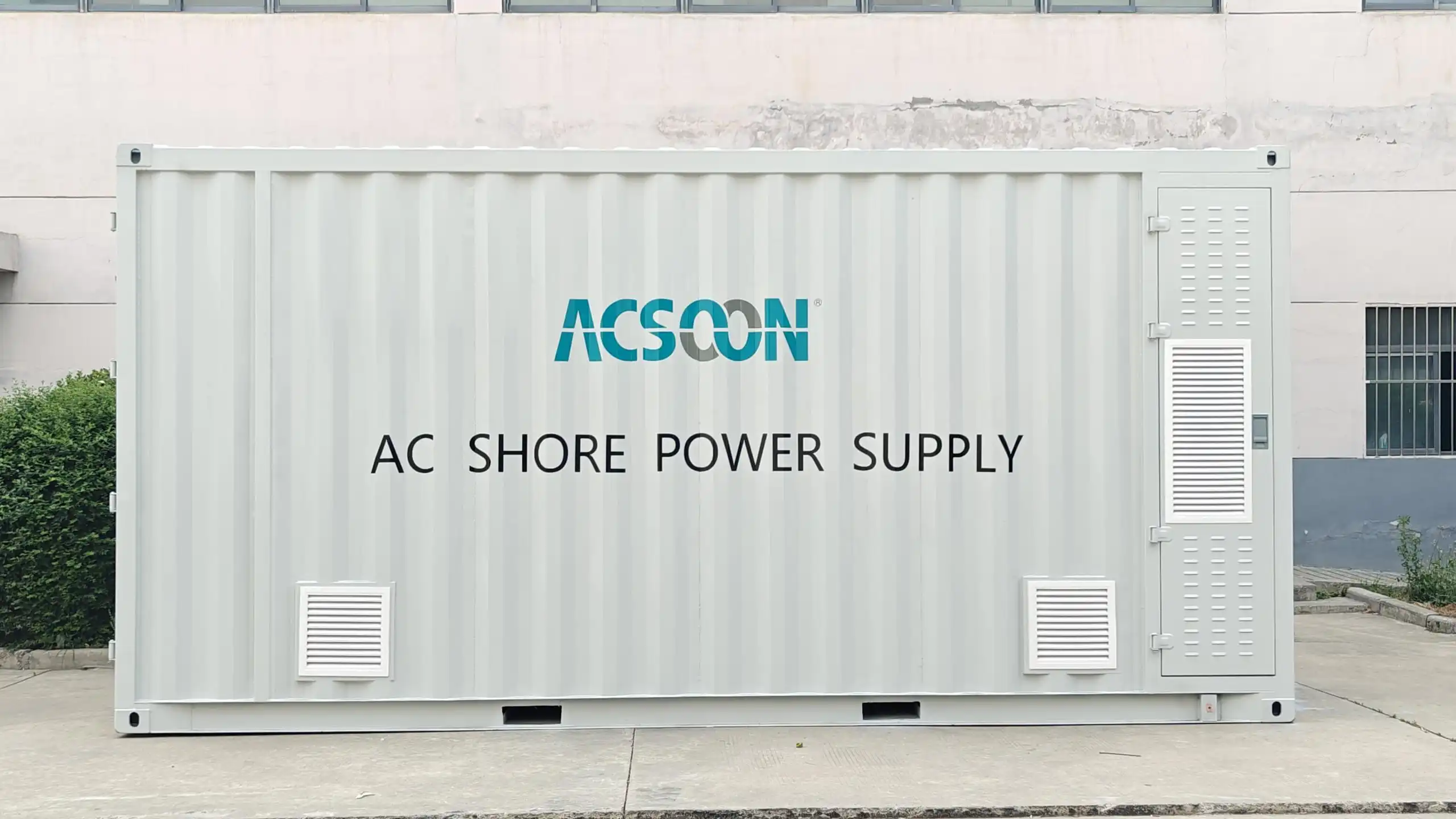
Shore power frequency converters play a crucial role in the maritime industry, enabling ships to connect to land-based electrical power sources while docked. These sophisticated devices are subject to various standards and regulations to ensure safety, efficiency, and compatibility across different power systems worldwide. As the demand for cleaner and more sustainable shipping practices grows, understanding the standards that govern shore power frequency converters becomes increasingly important. These standards cover a wide range of aspects, including electrical safety, electromagnetic compatibility, environmental protection, and performance specifications. By adhering to these standards, manufacturers like ACSOON can produce high-quality converters that meet the diverse needs of ports, shipyards, and vessels across the globe. This article will explore the key standards and regulations that shape the design, manufacture, and operation of shore power frequency converters, providing insights into their importance in modern maritime operations.
What Are the Key Safety Standards for Shore Power Frequency Converters?
Electrical Safety Standards
Shore power frequency converters must comply with stringent electrical safety standards to protect personnel and equipment. These standards typically include IEC 60092 for electrical installations in ships and IEC 61557 for electrical safety in low voltage distribution systems. ACSOON's shore power frequency converters are designed to meet these standards, ensuring protection against electric shock, overcurrent, and short circuits. The converters feature advanced safety mechanisms such as galvanic isolation, ground fault protection, and emergency shutdown systems. Additionally, they comply with UL 1741 for inverters and converters used in independent power systems, further enhancing their safety profile.
Electromagnetic Compatibility (EMC) Requirements
Electromagnetic compatibility is crucial for shore power frequency converters to prevent interference with other electronic systems on board ships and in port facilities. The IEC 60533 standard specifically addresses EMC requirements for electrical and electronic equipment on ships. ACSOON's converters are engineered to meet these standards, incorporating EMC filters and shielding techniques to minimize electromagnetic emissions and ensure immunity to external electromagnetic disturbances. This compliance is essential for maintaining the reliability and performance of critical navigation and communication systems in the maritime environment.
Environmental Protection Standards
Given the harsh marine environment, shore power frequency converters must adhere to environmental protection standards such as IEC 60529 for ingress protection (IP) ratings. ACSOON's converters are typically designed to IP23 or higher, providing robust protection against water spray and solid objects. Furthermore, they comply with standards like IACS UR E10 for environmental testing of electrical, electronic, and programmable equipment intended for control, monitoring, alarm, and safety systems for use in ships. This ensures the converters can withstand vibration, temperature extremes, and salt spray encountered in maritime applications.
How Do International Regulations Affect Shore Power Frequency Converter Design?
IMO MARPOL Annex VI Requirements
The International Maritime Organization's (IMO) MARPOL Annex VI regulations on air pollution prevention have significant implications for shore power frequency converter design. These regulations encourage the use of shore power to reduce emissions from ships in port. ACSOON's converters are designed to support compliance with these regulations by enabling efficient power transfer from shore to ship. They feature high power quality output with low harmonic distortion, ensuring compatibility with ships' electrical systems and helping to meet stringent emission reduction targets set by the IMO.
IEEE 1662-2016 Standard
The IEEE 1662-2016 standard for Interconnecting Shore Power Transfer Systems provides guidelines for the design and implementation of shore power systems. ACSOON's shore power frequency converters are developed with this standard in mind, ensuring seamless integration with shore-side infrastructure and ship-side power systems. The converters incorporate features such as automatic synchronization, load sharing capabilities, and power factor correction to meet the requirements outlined in IEEE 1662-2016. This compliance facilitates standardized shore power connections across different ports and vessels, promoting wider adoption of shore power technology.
IEC/ISO/IEEE 80005-1 Standard
The IEC/ISO/IEEE 80005-1 standard specifically addresses high-voltage shore connection systems. It provides detailed requirements for shore-to-ship power connections, including specifications for frequency converters. ACSOON's high-power shore power frequency converters are designed to meet these standards, offering features such as voltage and frequency regulation, harmonic mitigation, and protection against voltage fluctuations. Compliance with this standard ensures that the converters can safely and efficiently supply power to a wide range of vessel types, from small ships to large cruise liners, enhancing the versatility and applicability of shore power solutions.
What Performance Criteria Are Essential for Shore Power Frequency Converters?
Power Quality and Efficiency Standards
Power quality is a critical aspect of shore power frequency converters, governed by standards such as IEC 61000-3-12 for harmonic current emissions. ACSOON's converters are engineered to deliver high-quality power output with low total harmonic distortion (THD), typically less than 3%. This ensures clean power supply to ships, protecting sensitive onboard equipment. Efficiency standards are also crucial, with many regulators and port authorities setting minimum efficiency requirements. ACSOON's converters boast high efficiency ratings, often exceeding 94%, which helps reduce energy losses and operational costs for port operators and shipping companies.
Voltage and Frequency Regulation Requirements
Precise voltage and frequency regulation is essential for shore power frequency converters to accommodate various ship power systems. Standards like IEEE 519 set limits on voltage fluctuations and frequency deviations. ACSOON's converters feature advanced control systems that maintain output voltage within ±1% and frequency within ±0.1% of the nominal values, even under varying load conditions. This tight regulation ensures stable power supply to ships, preventing damage to onboard electrical systems and maintaining the reliability of critical equipment during shore power operations.
Overload and Short Circuit Protection Standards
Shore power frequency converters must incorporate robust protection mechanisms to handle overload conditions and short circuits. Standards such as IEC 60146-1-1 for semiconductor converters provide guidelines for these protection features. ACSOON's converters are equipped with advanced protection systems including overcurrent detection, short circuit protection, and thermal overload protection. These features allow the converters to withstand temporary overloads of up to 150% of rated capacity for short durations and safely disconnect in case of sustained overloads or short circuits, ensuring the safety and longevity of both the converter and the connected ship's electrical system.
Conclusion
Shore power frequency converters are subject to a comprehensive set of standards and regulations that ensure their safety, reliability, and performance in maritime applications. From electrical safety and electromagnetic compatibility to environmental protection and power quality, these standards shape the design and operation of modern shore power systems. As the maritime industry continues to embrace cleaner energy solutions, the importance of compliant and high-quality shore power frequency converters cannot be overstated. By adhering to these standards, manufacturers like ACSOON contribute to the advancement of sustainable shipping practices, reduced emissions in ports, and improved operational efficiency for vessels worldwide.
Xi'an Jerrystar Instrument Co., Ltd specializes in ACSOON brand power converters for various applications including aviation, industry, marine, and laboratory testing. As a manufacturer and trading company, we offer a wide range of products such as Variable Frequency Converters, 400 Hz Static Frequency Converters, Voltage and Frequency Stabilizers, and Ground Power Units. Our 5,000-10,000 square meter factory is located at 1688 Chama Avenue, Jinghe New Town, Xixian New District, Xi'an City, Shaanxi Province, China. With a strong focus on aviation and military power systems, we support custom-made solutions and maintain adequate inventory for quick delivery. For inquiries, please contact us at acpower@acsoonpower.com.
References
1. International Electrotechnical Commission. (2018). IEC 60092-101:2018 Electrical installations in ships - Part 101: Definitions and general requirements.
2. IEEE. (2016). IEEE 1662-2016 - IEEE Guide for the Design and Application of Power Electronics in Electrical Power Systems on Ships.
3. International Maritime Organization. (2021). MARPOL Annex VI - Prevention of Air Pollution from Ships.
4. IEC/ISO/IEEE. (2019). 80005-1:2019 Utility connections in port - Part 1: High Voltage Shore Connection (HVSC) Systems - General requirements.
5. IEEE. (2014). IEEE 519-2014 - IEEE Recommended Practice and Requirements for Harmonic Control in Electric Power Systems.
6. International Electrotechnical Commission. (2009). IEC 60146-1-1:2009 Semiconductor converters - General requirements and line commutated converters - Part 1-1: Specification of basic requirements.