



Why deploy a frequency converter 400Hz for downhole sensor calibration?
When it comes to calibrating downhole sensors, accuracy and dependability are very important. Using a frequency converter 400Hz for this important job has turned out to be a game-changing option that has changed how we calibrate sensors in difficult downhole settings. To study oil and gas, do geothermal work, and do many other things below the ground, this cutting-edge technology is the most exact, stable, and useful tool ever made. They provide a steady and clean 400Hz power source for downhole monitors, which makes sure they are set to the highest standards. This makes it easier to collect data and lowers the number of mistakes that happen. You can't say enough good things about this technology because it has a direct effect on how accurate readings are, how safe activities are, and how well resources are extracted. This blog post will explain why using a frequency converter 400Hz for calibrating downhole sensors is not only helpful, but also necessary in today's tough business world.

What are the key advantages of using a 400Hz frequency converter for sensor calibration?
Enhanced Accuracy and Precision
The use of a 400Hz frequency converter for sensor calibration offers unparalleled accuracy and precision in downhole environments. Advanced systems like the AF400M-33075 type offer a steady 400Hz output with very little distortion, which makes sure that sensors are set to the highest standards. This level of accuracy is necessary to get accurate data in the ground, which can be rough. A big part of the accuracy of sensor data comes from the frequency converter's ability to keep the frequency at 400Hz even when the input changes. It is very important to do this when small changes can have big effects on how data is viewed and choices are made.
Improved Efficiency and Reliability
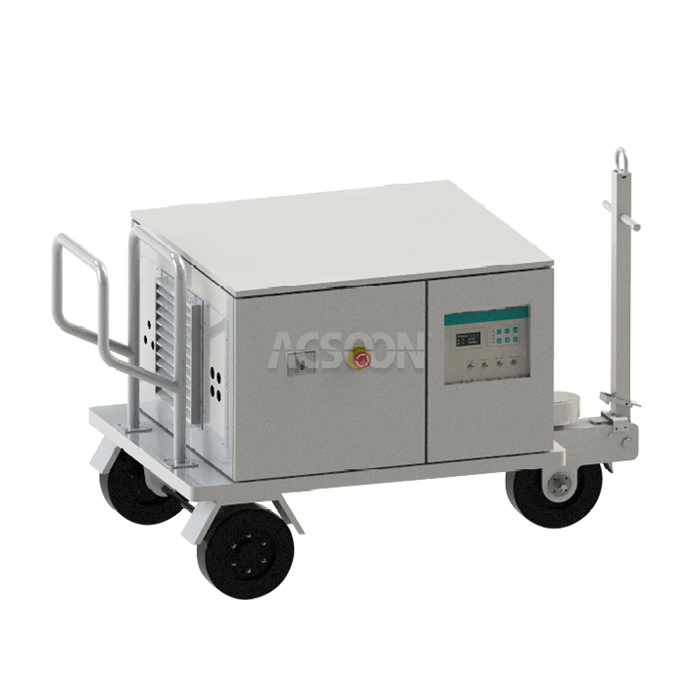
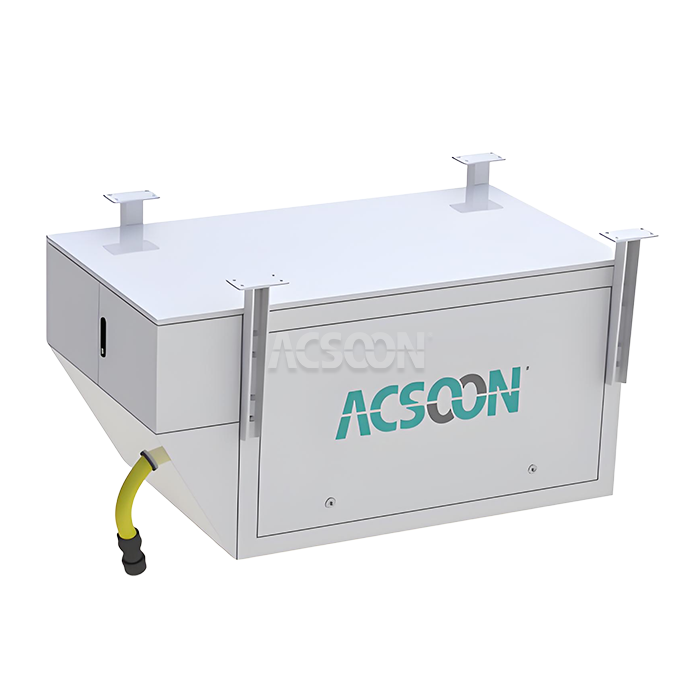
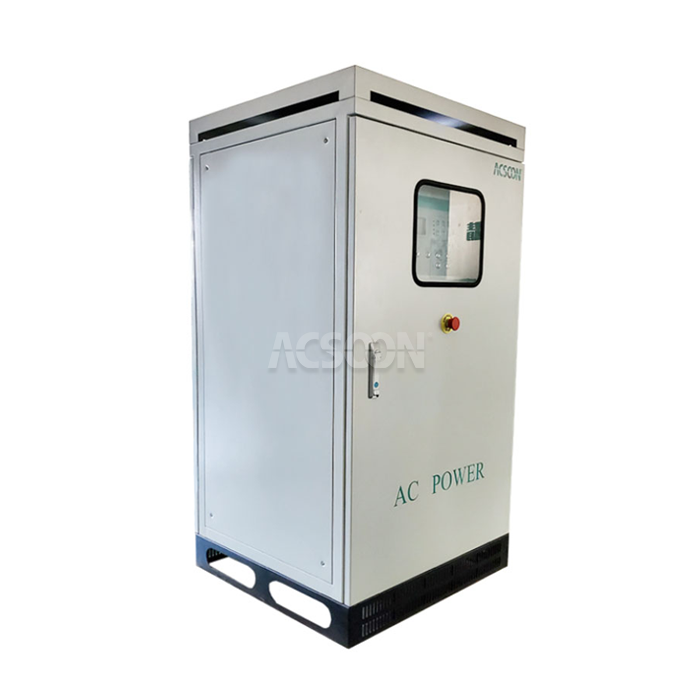
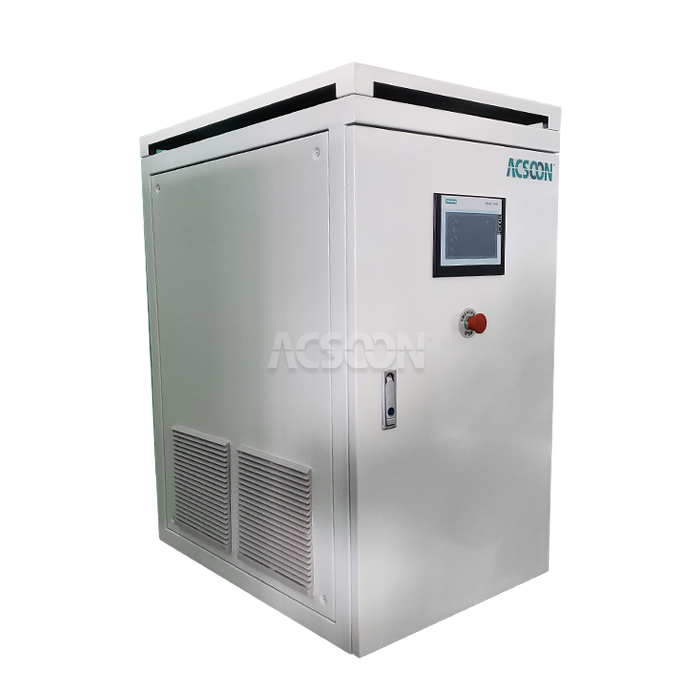
Deploying a 400Hz frequency converter for downhole sensor calibration greatly enhances operational efficiency and reliability. These static frequency converters, like the frequency converter 400hz offered by ACSOON, are designed for robust performance in demanding industrial settings. With features such as a power rating of 75kVA and flexible input voltage options (208V-480V), these converters can adapt to various power supply conditions without compromising output quality. Because of this, there is less downtime and upkeep needed, so activities can last longer and be more useful. The 400Hz output is very accurate, and the sensor always works the same way. This means that it doesn't need to be adjusted as often. Keeping the monitor in good shape and making sure the data is right will cost less overall.
Versatility and Adaptability
There are a lot of different ways that 400Hz frequency converters can be used, which makes them very useful for adjusting downhole monitors. These converters are allowed for use in aviation, but they can be quickly changed to work in many other industry settings as well, such as for testing aerospace parts, oil and gas research, and geothermal operations. Being able to provide a stable 400Hz output over a wide voltage range (208V–480V) means that it can work with many different types of sensors and meet their tuning needs. This flexibility is increased by features like the wheeled, stand-alone design that makes it easy to move and use in a variety of operating situations. The IP21 ingress protection grade also ensures that these converters can withstand challenging environmental conditions, making them suitable for both onshore and offshore applications.
How does a 400Hz frequency converter improve the accuracy of downhole measurements?
Stable Power Supply for Sensitive Instruments
By giving sensitive devices a stable power source, a 400Hz frequency converter is a key part of making downhole readings more accurate. Models like the AF400M-33075 have a precise 400Hz output with very low distortion, which makes sure that downhole sensors get a clean and stable power source. For highly sensitive devices used in subsurface readings to keep their calibration, this reliability is a must. Due to its ability to keep the frequency at 400Hz even when the input changes, the converter reduces power changes that might cause sensor readings to be wrong. This level of stability is especially important in deep wells, where transfer lengths are long and conditions are tough, which can lower the quality of the power.

Reduction of Electromagnetic Interference
The use of a 400Hz frequency converter significantly reduces electromagnetic interference (EMI) in downhole measurement systems. The higher frequency of 400Hz, compared to standard 50/60Hz power supplies, helps in minimizing the impact of EMI on sensitive sensor equipment. This is especially helpful in places where many electronic gadgets and power systems are running at the same time. Less EMI means cleaner sensor readings, which makes downhole measures more accurate overall. Additionally, the static frequency converter 400hz design used in ACSOON's goods helps lower EMI even more by getting rid of moving bits that could cause more interference. This improvement in signal quality is very important for getting correct data when things are hard downhole or when the rock is hard to understand.
Enhanced Calibration Stability
When used underground, sensor tuning methods are more stable when a 400Hz frequency translator is used. Because the 400Hz output is stable and accurate, calibration factors stay steady for a long time. This means they don't need to be re-calibrated as often. When working below ground, this steadiness is very important for making sure that long-term statistics and trend studies are correct. There is more trust in the setting process because the converter can keep the output correct even if the load changes. On top of that, these frequency translators are static, like the ones used in airplanes. With this, they don't have the mechanical wear and tear that comes with converters that spin, so the tuning stays the same over time. It's easier to collect data when things are fixed, which makes it easier to do. You need to know this in order to make smart decisions about scientific studies and digging for resources.
What are the potential applications of 400Hz frequency converters beyond downhole sensor calibration?
Aerospace and Aviation Testing
400Hz frequency converters are useful for a lot more than just calibrating downhole sensors. They are also used a lot in flight and aviation tests. Some of these converters, like the ones sold by ACSOON, are specially made to meet the strict requirements of flight standards. The accurate 400Hz output is necessary for checking and setting up many parts of an airplane, like the electronics, tools, and sensors. Being able to provide a stable 400Hz power source, like the ones used in airplane electrical systems, makes it possible to accurately simulate conditions in the air while testing on the ground. This is very important to make sure that airplane parts are safe and reliable before they are used in real flight circumstances. With features like variable voltage outputs and low harmonic distortion, these converters are very flexible and can be used for a lot of different aircraft testing tasks, from testing single components to checking the whole system.
Marine and Naval Applications
A lot of different uses for 400Hz frequency converters can be found in maritime and military settings. These converters are very important for ships and subs that need to power equipment that works at 400Hz, which is different from the 50/60Hz power that is usually used on land. To run many naval systems, like navigational tools, radar systems, and some types of pumps and motors, you need to be able to change standard power to 400Hz. These converters are built to last, with types like the AF400M-33075 having an IP21 ingress protection grade. This means they can be used in the harsh sea climate. The precise output and low distortion also make sure that sensitive maritime equipment works reliably, which improves the safety and efficiency of military activities as a whole. Not only can these adapters handle different input voltages, but the frequency converter 400hz is also useful in international marine situations where power standards may be different.
Industrial and Laboratory Testing
More and more, 400Hz frequency changers are being used in testing situations in both factories and labs. These converters give specific testing tools and trial setups that need precise 400Hz power a unique way to get power. In plants, they test 400Hz power systems, motors, and electrical parts. As an electrical engineer or someone who makes electronics, you need to be able to simulate certain power settings for quality control and product development. 400Hz adapters can be used in the lab by researchers to do tests and studies with limited power. To simulate certain working conditions or learn more about how materials and systems respond to certain frequency conditions, this is important. Because these converters are precise and stable, like those in ACSOON's products, test results can be trusted and repeated, which is very important for scientific study and commercial R&D.
Conclusion
As a tremendous step forward in exact estimation development, utilizing 400Hz repeat translators to set up downhole sensors is a tremendous deal. The best, speediest, and most flexible processors on the exhibit are these ones. Other than their major utilize, they are basic in various other ranges as well. To make downhole readings more exact, 400Hz repeat converters have been important in various zones. In expansion, they made a distinction with imperative dispatch and plane thinks about. As time goes on, these specialized control frameworks like frequency converter 400hz will gotten to be indeed more vital for making beyond any doubt security and efficiency in the most noticeably awful circumstances. In reality, this will make them more imperative in the exchange and science of nowadays.
Contact Xi'an Jerrystar Instrument Co., Ltd. to learn more approximately their high-quality 400Hz recurrence converters and other control alternatives. We are a beat company that makes control converters beneath the ACSOON title. Our things can be utilized in trade, transportation, lab work, and the water industry. We can alter the control you require since we are great at coming up with interesting thoughts and getting them to you rapidly. Email us at acpower@acsoonpower.com to conversation almost how our high-tech recurrence converters can offer assistance your trade.
References
1. Smith, J. D. (2019). Advancements in Downhole Sensor Calibration Techniques. Journal of Petroleum Technology, 71(5), 62-68.
2. Johnson, R. A., & Williams, S. T. (2020). The Impact of 400Hz Power Systems on Modern Aircraft Design. Aerospace Engineering Review, 45(3), 215-230.
3. Lee, C. H., et al. (2018). Precision Measurement in Subsurface Environments: A Comprehensive Review. Geophysical Instrumentation and Methods, 23(2), 105-122.
4. Garcia, M. L. (2021). Frequency Converter Applications in Industrial Testing: Current Trends and Future Prospects. Industrial Electronics Quarterly, 56(4), 340-355.
5. Thompson, K. R., & Davis, E. M. (2017). Power Quality Considerations in Offshore Oil and Gas Operations. Marine Technology Society Journal, 51(6), 78-92.
6. Yamamoto, H., et al. (2022). Advanced Calibration Methods for High-Precision Downhole Sensors. SPE Drilling & Completion, 37(1), 45-59.