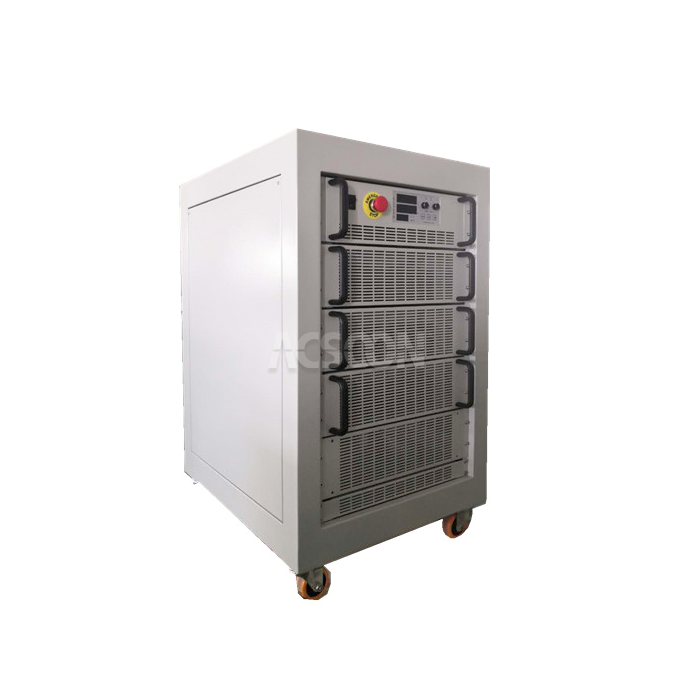




Why is a medium-frequency static power supply considered the "intelligent heart" of a modern airport?
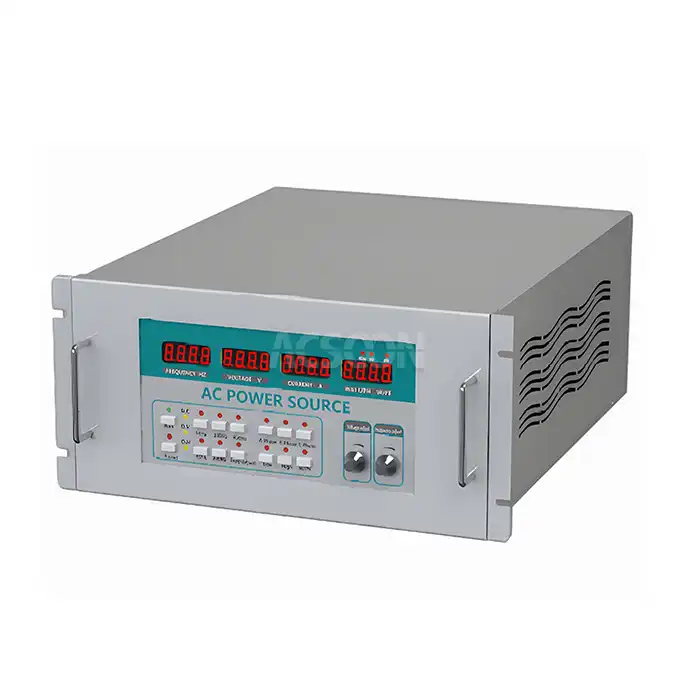
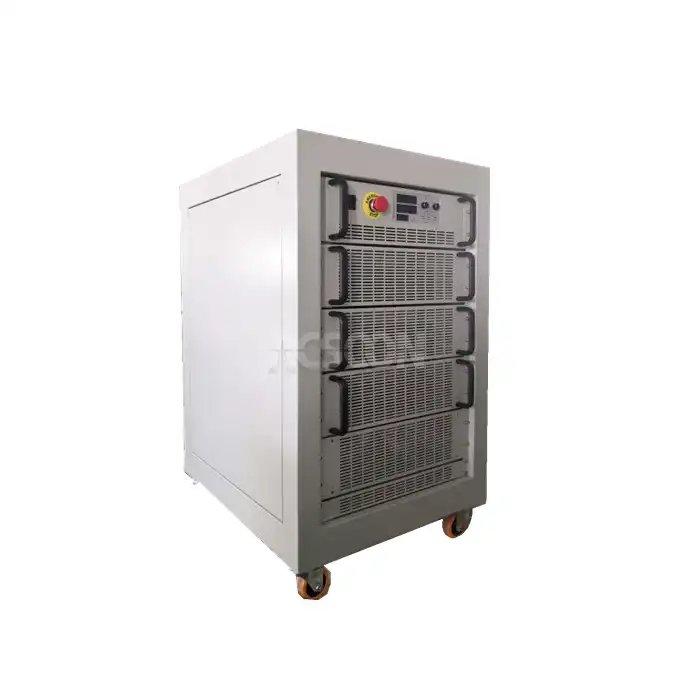
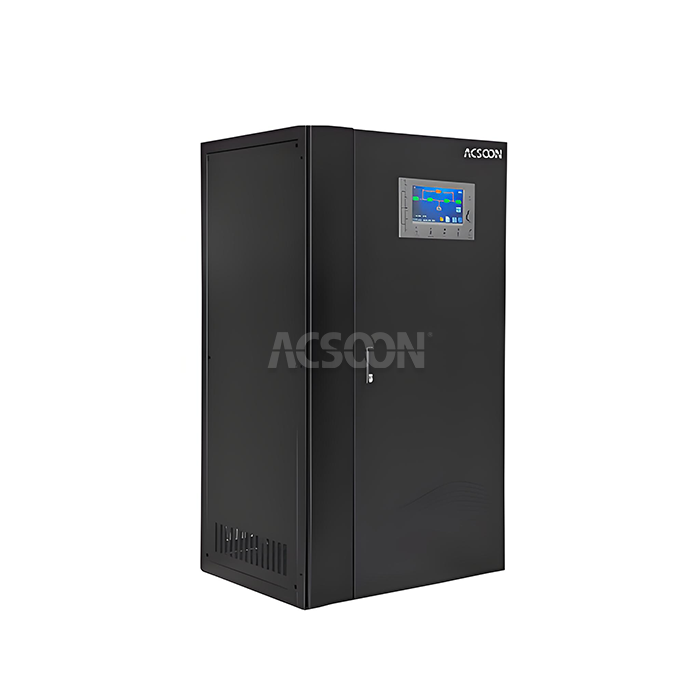
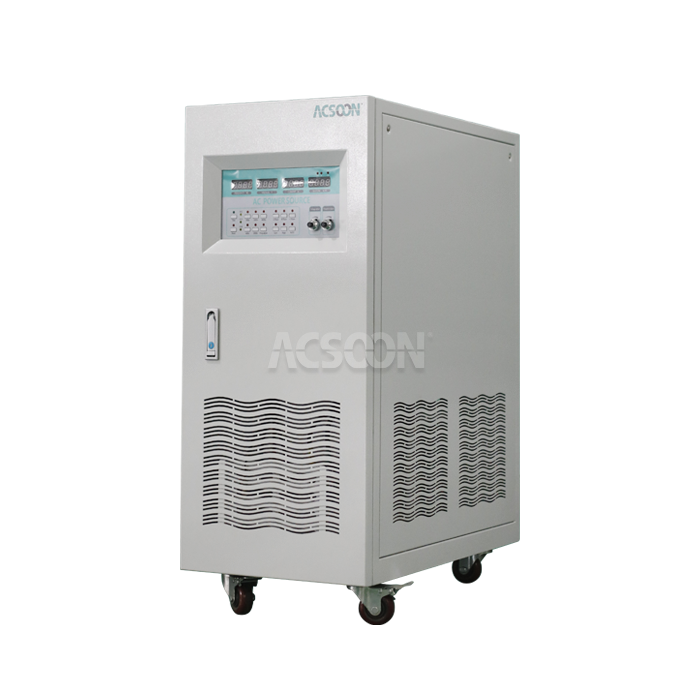
In the efficient operation of modern airports, the quietly running medium-frequency static power converters beneath the jet bridges are playing a far more crucial role than we might imagine. They are no longer just power supply equipment, but rather the "intelligent heart" driving efficient, green, and intelligent ground operations at the airport. How has this technological revolution, from traditional rotating motors to modern power electronics, reshaped the landscape of aviation ground power supply?
1. Core Transformation: A leap from "mechanical rotation" to "static transformation"
To understand the advantages of static power converters, it's necessary to first understand their predecessor—the medium-frequency rotary generator set. Traditional units use a diesel engine or electric motor to drive a specially designed 400Hz generator to produce electricity. This process suffers from inherent drawbacks such as high energy consumption, excessive noise, bulky size, and frequent maintenance, and the output power waveform and quality are also relatively poor.
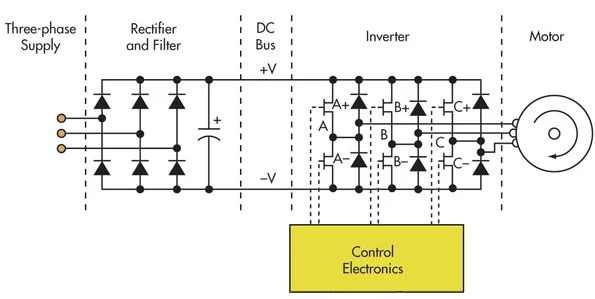
Medium-frequency static power supplies completely eliminate mechanical rotating parts. Their core working principle is a purely electronic "AC-DC-AC" conversion:
Rectification: First, the input 50Hz industrial frequency AC power is converted into smooth DC power.
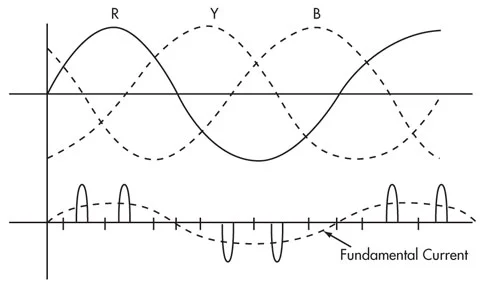
Inversion: Then, using an inverter bridge composed of advanced power devices such as IGBTs, and employing PWM technology, the DC power is precisely "shaped" into a pure, stable 400Hz sinusoidal AC power.
This "static conversion" process achieves a fundamental transformation from mechanical energy to electrical energy, and then to precise control of the electrical energy form, laying the foundation for all subsequent advantages.
2. Exceptional Performance: Why is it the "perfect partner" for modern aircraft?
1. Unparalleled Electrical Power Quality
Modern aircraft are highly electrified and sophisticated systems that demand extremely high purity in their "blood"—electrical power. The 400Hz power supplied by static frequency converters features extremely high voltage stability (typically better than ±1%), precise frequency accuracy (within ±0.1Hz), and low harmonic distortion (<3%). This prevents malfunctions, performance degradation, or even potential damage to onboard electronic equipment that could be caused by voltage drops, frequency drift, or waveform distortion, providing the safest and most reliable "ground power" for the aircraft.
2. A Model of High Efficiency, Energy Saving, and Quiet, Environmentally Friendly Operation
High Efficiency and Energy Saving: Due to the absence of mechanical transmission losses, the conversion efficiency of static power supplies typically exceeds 94%, far surpassing the 70%-80% of traditional units. This means less electrical energy is wasted as heat and noise, directly saving significant electricity costs for operators.
Extremely Quiet Operation: The main source of noise in static power supplies is only the cooling fan, and the operating noise can be controlled below 65 decibels, equivalent to the volume of normal conversation. This greatly improves the working environment for staff on jet bridges and aprons, and is key to achieving a "silent airport."
Zero Emissions: As a purely electrically driven device, it achieves zero carbon emissions at the point of use, making it a powerful tool for airports to fulfill their green commitments and reduce environmental impact.
3. Intelligent Management and Digital Core
This is the true embodiment of its "intelligence." The modern medium-frequency static power supply is a highly intelligent digital node:
Remote Centralized Control: It can be connected to the airport ground handling management system via Ethernet or bus technology, enabling remote power on/off, real-time status monitoring, parameter setting, and power data statistics, facilitating centralized dispatch and energy efficiency management.
Intelligent Protection and Diagnosis: It has a built-in comprehensive fault self-diagnosis system that can accurately identify abnormalities such as overload, short circuit, and over-temperature, and record event logs. Maintenance personnel can quickly locate problems through the interface, shortening troubleshooting time.
Seamless Grid Connection and Load Sharing: Multiple static power supplies can operate intelligently in parallel, providing sufficient power for large aircraft such as the A380 and B777, and the grid connection process is smooth and shock-free, significantly improving system reliability.
User-Friendly Human-Machine Interface: A large touch screen provides clear Chinese menus, real-time data curves, and operation guidance, lowering the operating threshold for personnel.
3. Application Overview: The Powerful Pulse of a Smart Heart
Jet Bridge Fixed Installation (Bridge-Mounted Power Supply): This is its primary application scenario. After the aircraft docks at the jet bridge, it can immediately connect to the static frequency converter power supply, achieving "plug-and-play" functionality. This is the most efficient and economical power supply mode and has become a standard configuration at international hub airports.
Hangar Deep Maintenance: During aircraft scheduled maintenance and overhaul, a long-term, high-quality power supply is required. The static frequency converter power supply can provide "laboratory-grade" clean power to aircraft in the hangar 24/7, ensuring the accuracy of precision maintenance and testing.
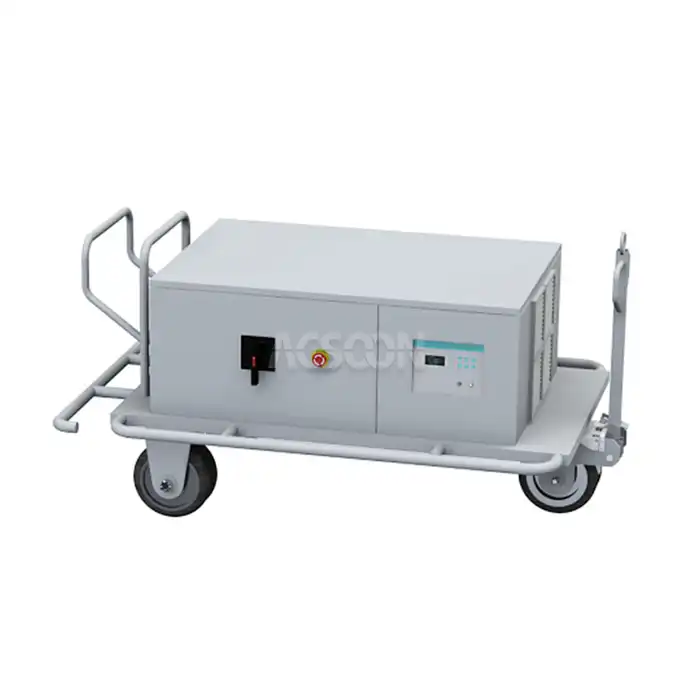
Remote Apron Mobile Support: The static frequency converter module integrated into the mobile GPU delivers high-quality power to any corner of the airport, ensuring that aircraft at remote aprons receive the same power supply service as those at jet bridges, improving the consistency of airport-wide support standards.

Medium-frequency static power converters, with their inherent technological advantages in static power conversion, perfectly meet the core demands of the modern aviation industry for efficiency, low carbon emissions, intelligence, and reliability. They are not merely simple replacements for APUs, but rather crucial connecting nodes in modern intelligent airport energy management systems and digital ground handling networks. Choosing medium-frequency static power converters means installing a powerful and intelligent "green heart" for the airport's present and future.
 Pesawat DC_1762411705783.webp)