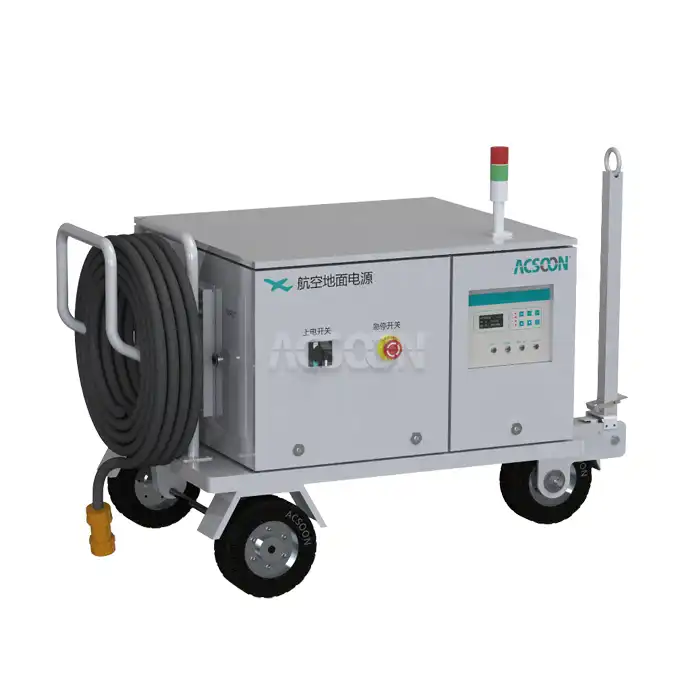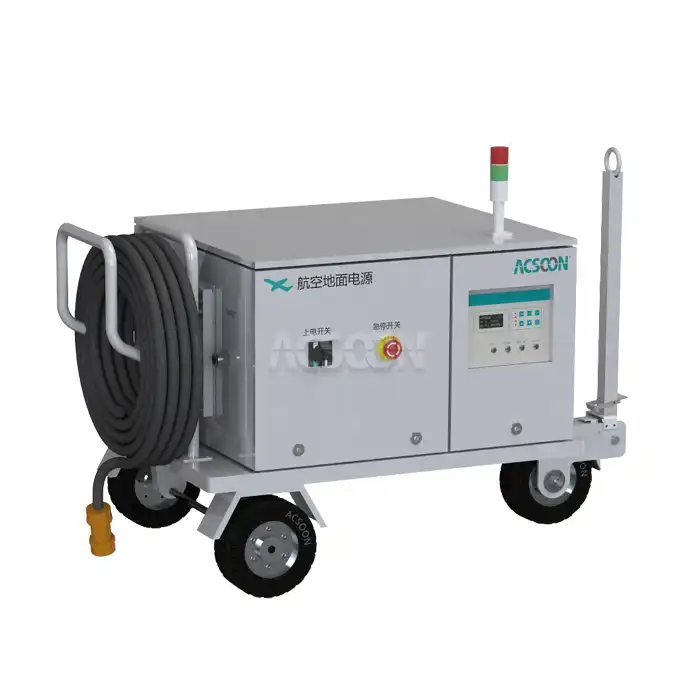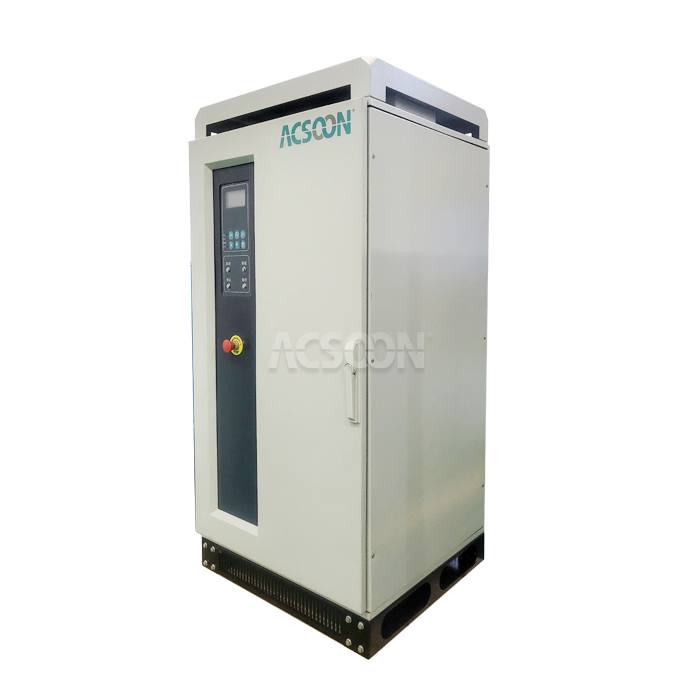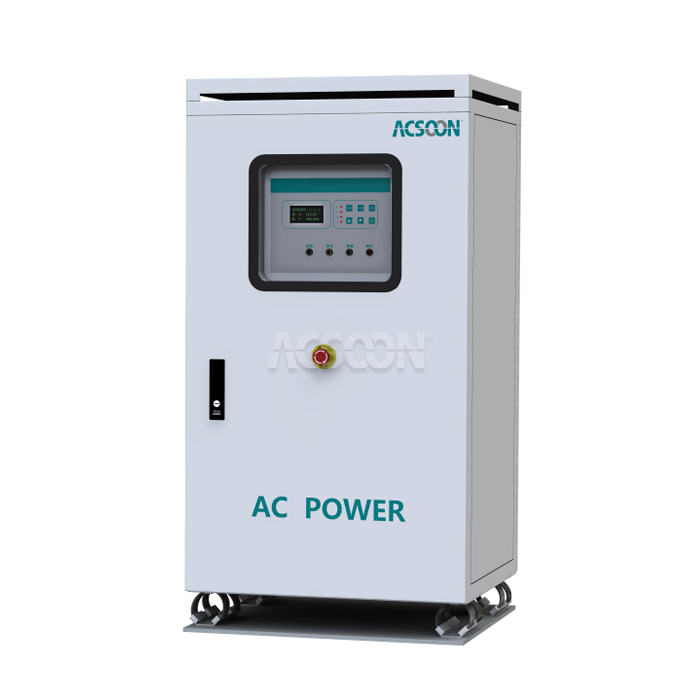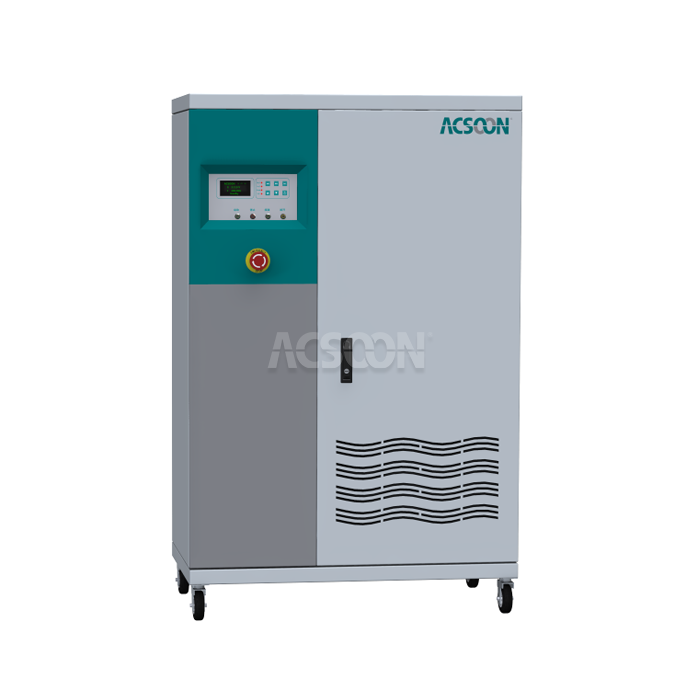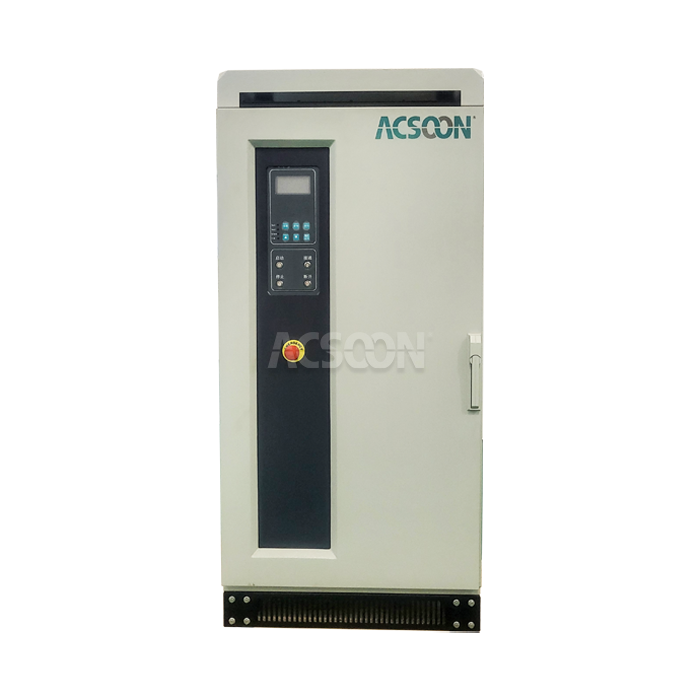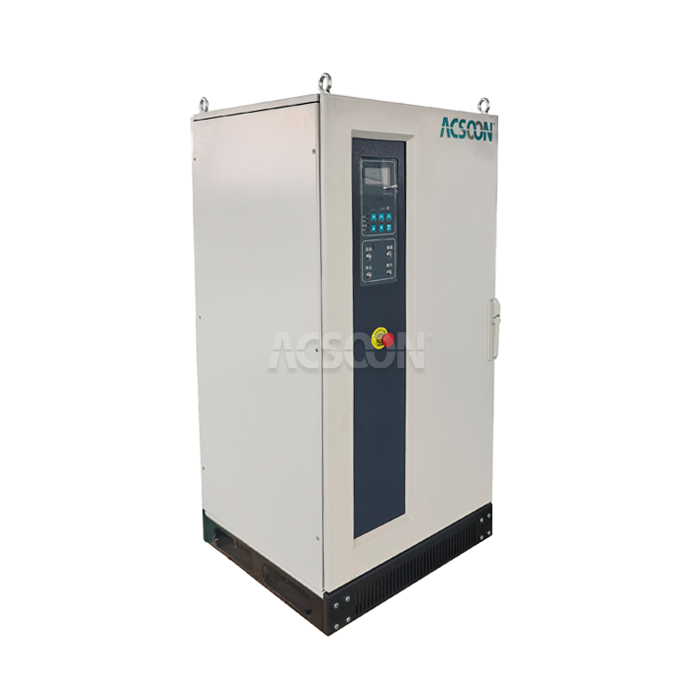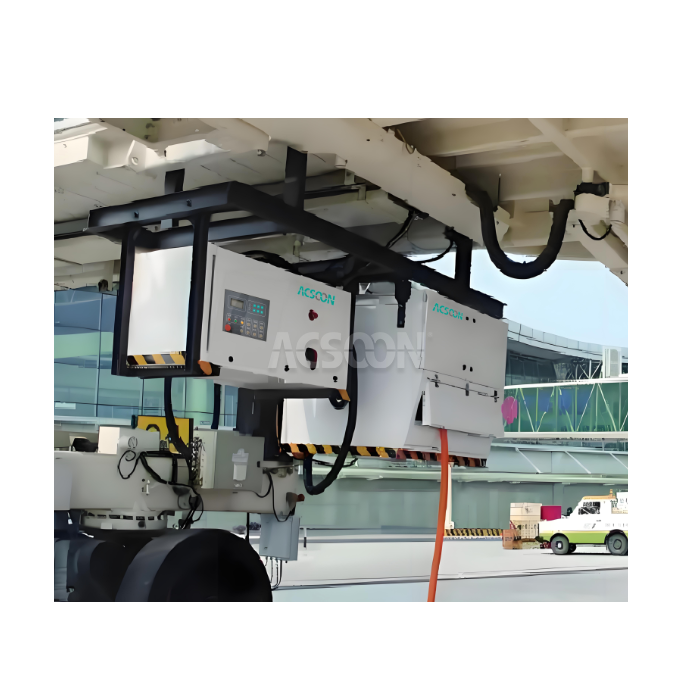




Airports require specialized power solutions that differ significantly from standard commercial applications. A 115Vac 3phase 400Hz power supply serves as the preferred choice for aviation applications due to its compatibility with aircraft systems, reduced weight requirements, and enhanced performance characteristics. While standard 50/60 Hz supplies work well for terminal buildings and general infrastructure, the higher frequency 400Hz systems excel in aircraft ground support, maintenance operations, and avionics testing environments where precise power quality matters most.
Understanding Airport Power Infrastructure Requirements
Modern airports operate complex electrical systems supporting diverse applications. Terminal buildings, lighting systems, and administrative facilities typically utilize standard 50/60 Hz power distribution. However, aircraft-related operations demand specialized power conversion solutions.
Airport operations managers face unique challenges when selecting appropriate power systems:
- Aircraft ground power requirements mandate 400Hz frequency standards
- Maintenance facilities need flexible power conversion capabilities
- Testing laboratories require precise voltage regulation
- Emergency backup systems must maintain critical operations
The aviation industry standardized a 115Vac 3phase 400Hz power supply for weight reduction benefits. Aircraft electrical systems operate more efficiently at higher frequencies, allowing smaller transformers and reduced component mass. This frequency advantage translates directly to ground support equipment requirements.
If you need reliable aircraft ground power solutions, then 400Hz systems provide optimal compatibility with existing aircraft electrical infrastructure.

Technical Comparison: 400Hz vs 50/60Hz Power Systems
Understanding the fundamental differences between power frequencies helps airport planners make informed decisions. Each frequency range offers distinct advantages depending on the specific application requirements.
Power Quality and Stability Metrics
Test data from aerospace applications reveals significant performance variations between frequency systems:
- Voltage Stability: 400Hz systems achieve ±1% regulation vs ±3% for standard frequency supplies
- Harmonic Distortion: High-frequency systems maintain THD below 3% compared to 5-8% in conventional supplies
- Load Response: 400Hz converters demonstrate 10ms recovery time vs 50ms for 60Hz systems
- Frequency Precision: Crystal-controlled 400Hz units maintain ±0.1% stability
These performance characteristics directly impact sensitive avionics equipment operation. Aircraft navigation systems, communication radios, and flight control computers require clean, stable power for reliable functionality.
Component efficiency improvements at 400Hz frequency enable smaller magnetic components while maintaining equivalent power handling capacity. This size reduction becomes crucial in space-constrained airport environments where equipment density matters.
Infrastructure Integration Considerations
Airport electrical systems must accommodate both frequency requirements simultaneously. Modern power conversion technology enables seamless integration through variable frequency converters and specialized transformers.
Key integration factors include:
- Input voltage compatibility with existing distribution networks
- Load balancing capabilities across multiple aircraft connections
- Electromagnetic interference mitigation requirements
- Thermal management in high-density installations
If you need versatile power solutions supporting multiple aircraft types, then configurable frequency converters offer maximum operational flexibility.
Airport Application Analysis: Where Each System Excels
Different airport areas benefit from specific power system characteristics. Understanding these application zones helps optimize power infrastructure investments while ensuring reliable operations.
Aircraft Ground Support Operations
Ground power units represent the most critical 400Hz application at airports. These systems provide 115Vac 3phase 400Hz power supply to aircraft during gate operations, eliminating the need for onboard auxiliary power units.
Essential requirements for ground power applications:
- Pure sine wave output maintaining aircraft power quality standards
- Isolated transformer construction preventing ground loops
- Unbalanced load capability accommodating various aircraft configurations
- Real-time monitoring displaying voltage, current, and power parameters
Modern ground power systems incorporate advanced digital signal processing for precise frequency control. This technology ensures compatibility with sensitive aircraft electronics while providing robust protection against electrical faults.
Load balancing capabilities become essential when supporting multiple aircraft simultaneously. Each aircraft presents unique electrical characteristics requiring independent phase control and monitoring.
Maintenance and Testing Facilities
Aircraft maintenance hangars require flexible power solutions supporting diverse testing scenarios. Avionics testing demands precise 400Hz power while general facility operations utilize standard frequencies.
Maintenance facility power requirements include:
- Variable frequency capabilities for component testing
- High power density supporting multiple test stations
- Rapid frequency switching for efficiency testing
- Comprehensive protection systems preventing equipment damage
Testing laboratories benefit from programmable power sources offering precise control over output parameters. These systems enable comprehensive component validation while maintaining traceability to international standards.
If you need comprehensive testing capabilities, then variable frequency power supplies provide the flexibility required for diverse avionics validation procedures.
JERRYSTAR's 115Vac 3Phase 400Hz Power Supply Advantages
Xi'an JERRYSTAR Instrument Co., Ltd. delivers industry-leading power conversion solutions specifically engineered for aviation and military applications. Our ACSOON brand systems demonstrate exceptional reliability in demanding environments.
Superior Technical Performance
- Exceptional Voltage Regulation: Maintains ±1% accuracy under varying line and load conditions, surpassing industry standards for critical applications
- Crystal-Controlled Frequency Stability: Achieves ±0.1% frequency precision through advanced digital control systems, ensuring consistent aircraft compatibility
- Ultra-Low Harmonic Distortion: Delivers pure sine wave output with THD below 3%, protecting sensitive avionics from power quality issues
- Comprehensive Power Range: Offers scalable solutions from 1kVA to 300kVA with customizable ratings for any airport application
- Universal Input Compatibility: Accepts multiple input voltages (208V/380V/400V/415V/440V) accommodating global airport infrastructure variations
- Advanced Isolation Technology: Features an isolated transformer construction enabling independent phase operation and enhanced safety
- Intelligent Load Management: Handles unbalanced loads effectively, allowing each phase to operate independently without affecting overall system stability
- Real-Time Monitoring: Displays comprehensive electrical parameters, including voltage, current, frequency, power, and power factor for complete operational visibility
Cost-Benefit Analysis for Airport Power Systems
Investment decisions regarding airport 115Vac 3-phase 400Hz power supply require careful evaluation of long-term operational costs versus initial capital expenditure. Both system types present distinct financial implications.
Initial Investment Considerations
400Hz power systems typically require a higher initial investment compared to standard frequency alternatives. However, specialized applications justify this cost differential through enhanced reliability and reduced maintenance requirements.
Cost factors affecting system selection:
| Factor | 400Hz Systems | 50/60Hz Systems |
|---|---|---|
| Initial Equipment Cost | Higher due to specialized components | Lower for standard applications |
| Installation Complexity | Moderate with proper planning | Straightforward integration |
| Maintenance Requirements | Lower due to robust design | Standard maintenance intervals |
| Energy Efficiency | Superior at high frequencies | Adequate for general use |
Return on investment calculations must consider operational efficiency gains and reduced aircraft turnaround times. Reliable ground power enables faster gate operations while minimizing costly delays.
Operational Efficiency Benefits
Airports implementing high-quality 400Hz systems report measurable improvements in operational metrics. These benefits accumulate over time, justifying initial investment premiums.
Quantifiable efficiency improvements include:
- Reduced aircraft auxiliary power unit runtime, saving fuel costs
- Faster gate turnaround enables increased flight scheduling
- Lower maintenance costs through improved power quality
- Enhanced passenger satisfaction from reduced departure delays
If you need to optimize airport operational efficiency, then investing in premium 400Hz power systems delivers measurable returns through improved reliability and performance.

Implementation Guidelines for Airport Power Upgrades
Successful airport power system upgrades require comprehensive planning addressing technical requirements, regulatory compliance, and operational continuity. Strategic implementation ensures minimal disruption while maximizing system benefits.
System Planning and Design
Effective power system design begins with thorough load analysis and future capacity planning. Airports must consider growth projections while maintaining flexibility for evolving aircraft technologies.
Essential planning considerations include:
- Current and projected aircraft types requiring ground power support
- Gate utilization patterns affecting power demand profiles
- Maintenance facility requirements for specialized testing equipment
- Emergency backup power capabilities ensure operational continuity
Power conversion systems must accommodate multiple aircraft simultaneously while 115Vac 3phase 400Hz power supply. This requirement demands careful attention to load distribution and system capacity.
Advanced power factor correction technology improves overall system efficiency while reducing utility demand charges. These savings contribute significantly to long-term operational cost reductions.
Installation and Commissioning
Professional installation ensures optimal system performance while maintaining compliance with aviation safety standards. Proper commissioning validates all protective functions and performance specifications.
Critical installation phases include:
- Site preparation, ensuring adequate ventilation and access
- Electrical connections following aviation ground support standards
- System testing, validating all operational parameters
- Personnel training covering operation and maintenance procedures
Comprehensive testing protocols verify system performance under various load conditions. These tests ensure reliable operation before placing systems into service, supporting aircraft operations.
If you need professional installation and commissioning services, then working with experienced aviation power system specialists ensures optimal results and regulatory compliance.
Conclusion
Airports benefit significantly from implementing a specialized 115Vac 3phase 400Hz power supply for aircraft-related operations while maintaining standard frequency supplies for general infrastructure needs. The superior voltage regulation, frequency stability, and power quality characteristics of 400Hz systems justify their adoption in critical aviation applications. JERRYSTAR's proven expertise in aviation power solutions ensures reliable, efficient systems that enhance airport operational capabilities while meeting stringent industry standards. Strategic investment in quality power infrastructure supports long-term operational efficiency and positions airports for future growth in an increasingly demanding aviation environment.
Partner with JERRYSTAR for Premium Airport Power Solutions
Xi'an JERRYSTAR Instrument Co., Ltd. stands as your trusted 115Vac 3phase 400Hz power supply manufacturer delivering cutting-edge solutions for airport applications worldwide. Our ACSOON brand systems demonstrate proven reliability across demanding aviation environments while providing the customization flexibility required for diverse operational requirements.
Airport operators worldwide trust JERRYSTAR's expertise in power conversion technology. Our comprehensive product range spans from compact 1kVA units for testing applications to robust 300kVA systems supporting multiple aircraft simultaneously. Each system incorporates advanced digital control technology, ensuring precise regulation and exceptional reliability.
Custom engineering capabilities enable tailored solutions addressing unique airport requirements. Whether you need specialized input voltage configurations, enhanced environmental protection, or integrated monitoring systems, our technical team delivers optimized solutions meeting exact specifications.
Quality manufacturing processes ensure consistent performance across all production units. Our 5,000-10,000 square meter facility maintains rigorous quality standards while supporting rapid delivery schedules for urgent airport projects.
Technical support extends throughout the complete product lifecycle. From initial specification development through installation, commissioning, and ongoing maintenance, JERRYSTAR provides comprehensive assistance ensuring optimal system performance.
Ready to upgrade your airport power infrastructure with industry-leading 400Hz systems? Our experienced team awaits your specific requirements and stands prepared to recommend optimal solutions for your operational needs. Contact us at acpower@acsoonpower.com to discuss your 115Vac 3-phase 400Hz power supply requirements and discover how JERRYSTAR can enhance your airport operations.
References
1. International Civil Aviation Organization. "Annex 14 - Aerodromes Volume I: Aerodrome Design and Operations." ICAO Standards and Recommended Practices, 8th Edition, 2018.
2. Society of Automotive Engineers. "ARP5015: Aircraft Electrical Power Characteristics and Utilization in Commercial Aircraft." SAE International Aerospace Recommended Practice, 2017.
3. Federal Aviation Administration. "Advisory Circular AC 150/5220-14: Design Standards for Aircraft Ground Power Systems." U.S. Department of Transportation, 2019.
4. Institute of Electrical and Electronics Engineers. "IEEE 519-2014: Recommended Practice and Requirements for Harmonic Control in Electric Power Systems." IEEE Power and Energy Society, 2014.
5. European Aviation Safety Agency. "Certification Specifications for Aerodrome Design CS-ADR-DSN." EASA Regulatory Standards, 2020.
6. Air Transport Association. "ATA Specification 300: Ground Support Equipment - Electrical Power Units." Airlines for America Technical Publication, 2016.