



28VDC power supply for aircraft guide: what ground-crew must know
In the world of aviation, a reliable and efficient power supply is crucial for ensuring the safe operation of aircraft systems. The 28VDC power supply for aircraft has become a standard in the industry, serving as the backbone for various electrical components on board. This comprehensive guide is designed to equip ground-crew personnel with essential knowledge about 28VDC power supplies for aircraft. Understanding the intricacies of these power systems is vital for maintaining aircraft safety, optimizing performance, and troubleshooting potential issues. From the basics of DC power to the specific requirements of aircraft electrical systems, this guide covers key aspects that every ground-crew member should be familiar with. By delving into the technical specifications, safety protocols, and best practices associated with 28VDC power supplies, we aim to enhance the expertise of ground-crew professionals and contribute to the overall efficiency of aircraft operations.

What are the key components of a 28VDC power supply system for aircraft?
Power Generation Units
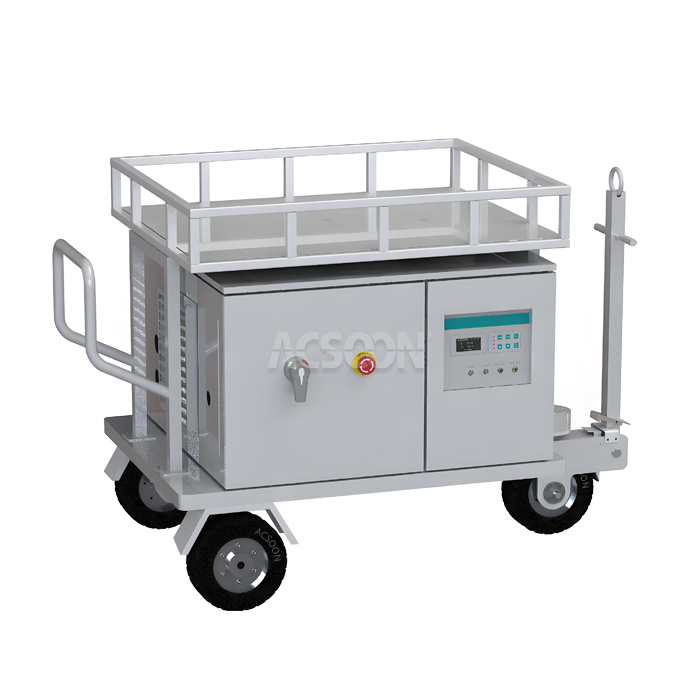
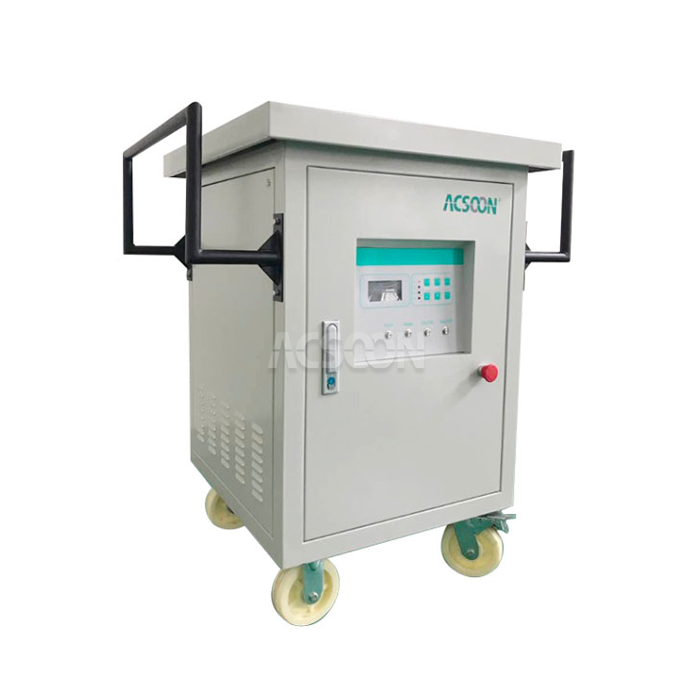
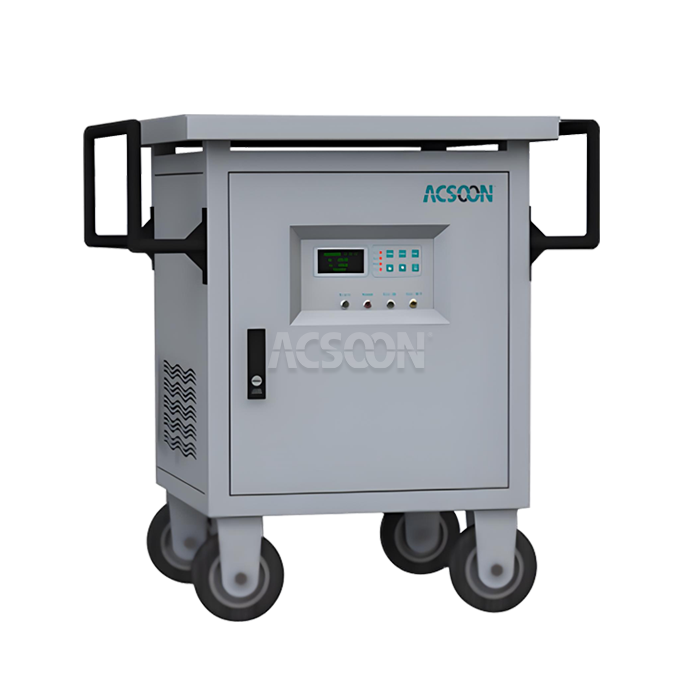
The heart of any 28VDC power supply system for aircraft is the power generation unit. These units typically consist of alternators or generators driven by the aircraft's engines or auxiliary power units (APUs). In modern aircraft, brushless generators are often used due to their reliability and efficiency. The GPU-28500 model, for instance, is a high-performance DC rectifier that can provide a continuous output of 500 Amperes with a peak current of 2000A. This type of unit ensures a stable 28.5V DC output, which is critical for powering various aircraft systems. Ground-crew must be familiar with the operation and maintenance of these power generation units to ensure optimal performance and longevity.
Voltage Regulators and Control Systems
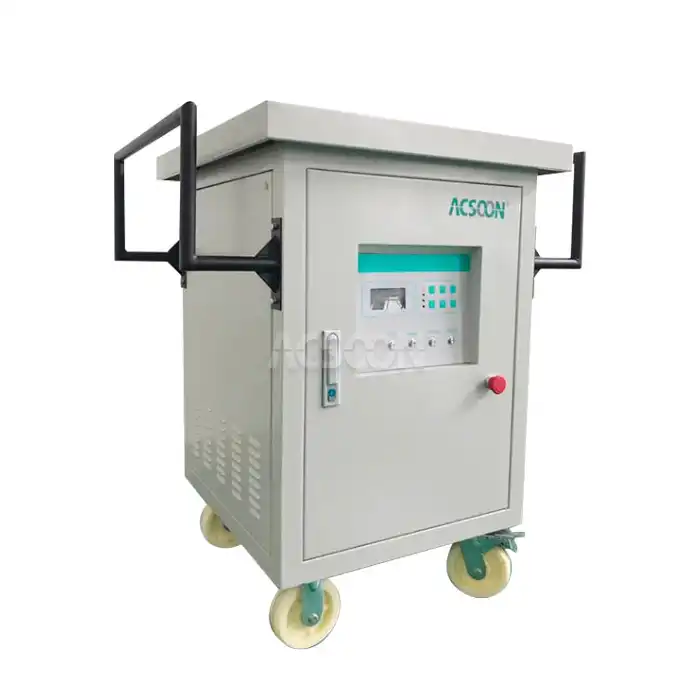
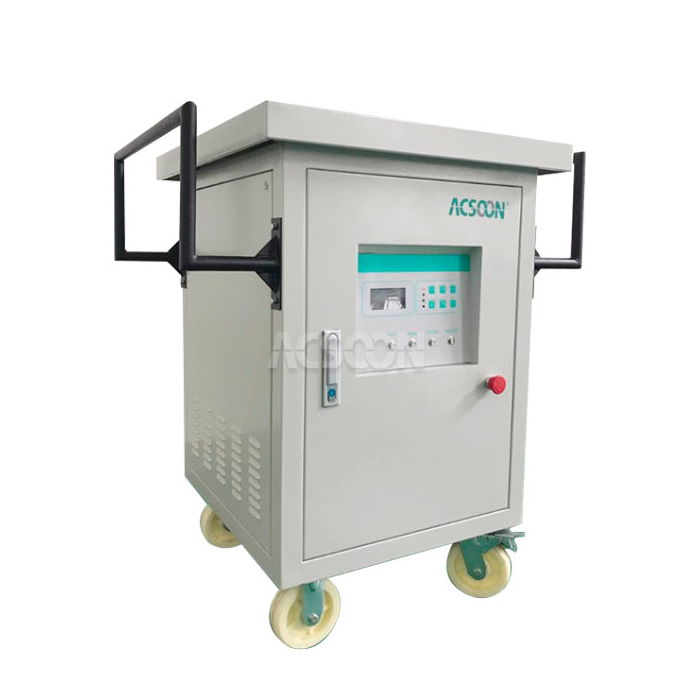
Voltage regulators play a crucial role in maintaining the stability of the 28VDC power supply for aircraft. These components ensure that the output voltage remains within the specified range (typically 28.5V ± 0.5V) regardless of variations in engine speed or electrical load. Advanced control systems, such as those found in the ACSOON brand power supplies, offer high voltage stability with a line regulation of ±0.5% FS. This level of precision is essential for protecting sensitive avionics equipment and ensuring consistent performance across all aircraft systems. Ground-crew should be trained to monitor and adjust these regulators as needed, understanding the importance of maintaining the correct voltage output at all times.
Distribution Networks and Circuit Protection
The distribution network of a 28VDC power supply system is responsible for delivering power to various aircraft systems. This network includes bus bars, wiring, and connectors designed to handle high currents and withstand the harsh operating conditions of an aircraft. Circuit protection devices, such as circuit breakers and fuses, are integral to this network, safeguarding against overcurrent and short circuits. Ground-crew must be proficient in inspecting and maintaining these distribution components, ensuring proper connections and replacing any damaged or worn parts. Understanding the layout and functionality of the distribution network is crucial for efficient troubleshooting and maintenance operations.
How does a 28VDC power supply contribute to aircraft safety and reliability?
Stable Power for Critical Systems
A 28VDC power supply for aircraft is fundamental to aircraft safety and reliability by providing stable and consistent power to critical systems. Avionics, navigation equipment, and flight control systems all rely on this power source for their operation. The high efficiency (≥93%) of modern 28VDC power supplies, like those offered by ACSOON, ensures that these systems receive clean, reliable power even under varying load conditions. This stability is crucial for maintaining accurate instrument readings and ensuring the proper functioning of safety-critical equipment. Ground-crew must understand the importance of this stable power supply and be able to recognize signs of power irregularities that could compromise aircraft safety.
Redundancy and Backup Systems
Aircraft safety is enhanced through redundancy in power supply systems. Many aircraft are equipped with multiple 28VDC power sources, including engine-driven generators, APUs, and battery backups. This redundancy ensures that critical systems remain operational even if one power source fails. Ground-crew should be familiar with the various backup systems and know how to switch between power sources when necessary. Regular testing and maintenance of these redundant systems are essential to ensure they function correctly when needed. The ability to quickly and effectively manage power source transitions can be crucial in emergency situations.
Fault Detection and Isolation
Modern 28VDC power supply systems incorporate advanced fault detection and isolation capabilities. These features allow for the rapid identification and isolation of electrical faults, preventing them from affecting other aircraft systems. Ground-crew must be trained in interpreting fault indicators and performing appropriate troubleshooting procedures. Understanding the intricacies of these fault detection systems enables the ground crew to quickly address issues, minimizing downtime and ensuring that aircraft are safe for flight. Regular checks and maintenance of fault detection systems are crucial for maintaining the overall reliability of the aircraft's electrical system.

What are the best practices for maintaining and troubleshooting 28VDC power supplies in aircraft?
Regular Inspection and Testing
Maintaining the integrity of 28VDC power supplies requires a rigorous schedule of inspections and tests. Ground-crew should perform visual inspections of all power supply components, looking for signs of wear, corrosion, or damage. Regular operational tests, including load testing and voltage output verification, are essential to ensure the power supply meets the required specifications. For instance, the GPU-28500 model should be tested to confirm its ability to maintain a stable 28.5V DC output under various load conditions. These tests help identify potential issues before they become critical, allowing for proactive maintenance and reducing the risk of in-flight power failures.
Proper Handling and Storage of Equipment
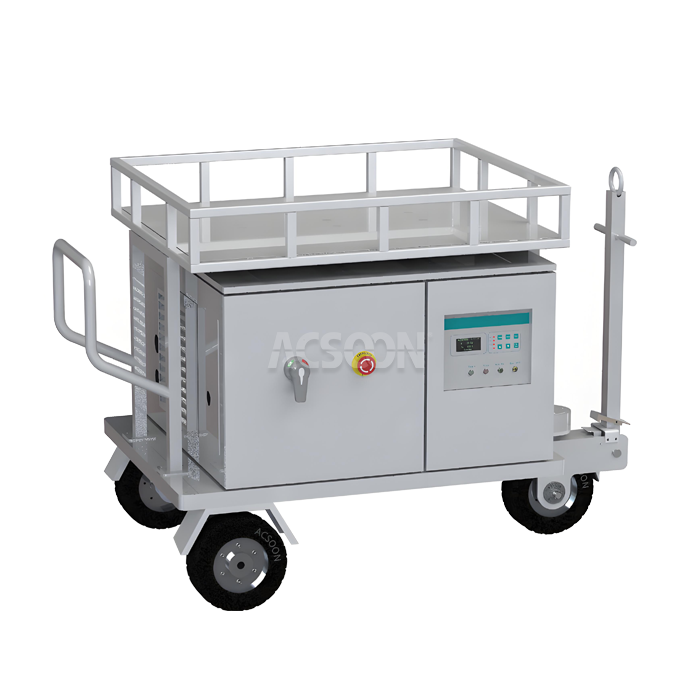
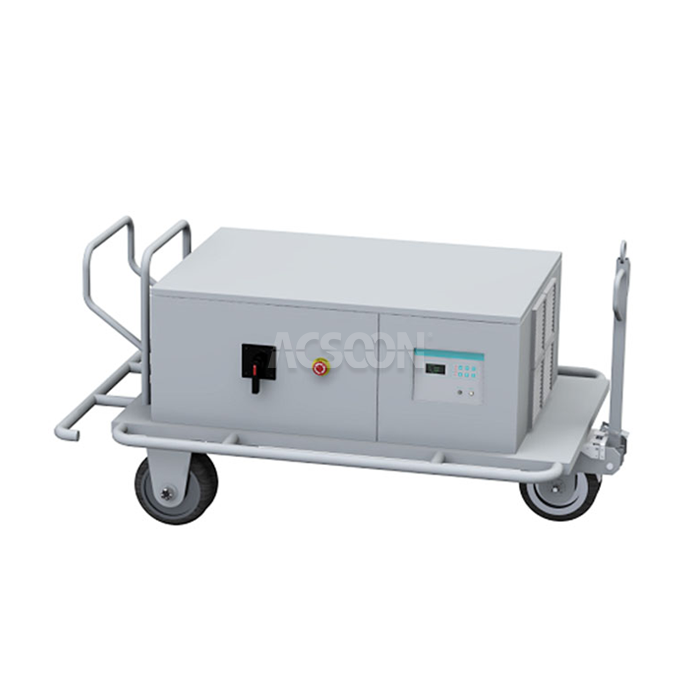
The longevity and reliability of a 28VDC power supply for aircraft equipment depend significantly on proper handling and storage practices. Ground-crew must be trained in the correct procedures for moving and storing power supply units, especially mobile units like the GPU-28500 with its trolley design. Protecting equipment from environmental factors such as moisture, extreme temperatures, and physical shock is crucial. When not in use, power supply units should be stored in appropriate conditions to prevent degradation. Proper handling also includes following correct connection and disconnection procedures to avoid damage to connectors and ensure safety. Ground-crew should be familiar with the specific requirements of each power supply model, including any special considerations for transportation between airports or storage on aprons.
Effective Troubleshooting Techniques
When issues arise with 28VDC power supplies, the ground crew must be equipped with effective troubleshooting techniques. This includes a systematic approach to problem identification, starting with basic checks and progressing to more complex diagnostics. Ground-crew should be familiar with common failure modes and their symptoms, such as voltage fluctuations or current limitations. Using diagnostic tools and interpreting error codes specific to power supply units like the ACSOON brand models is essential. Effective troubleshooting also involves understanding the interdependencies between the power supply and other aircraft systems. Ground-crew should be trained to isolate problems and determine whether issues originate from the power supply itself or from connected systems. Documenting troubleshooting steps and outcomes is crucial for maintaining a history of equipment performance and facilitating future maintenance efforts.
Conclusion
Understanding and maintaining a 28VDC power supply for aircraft is crucial for ground crews in ensuring aircraft safety and operational efficiency. From the key components and safety contributions to best maintenance practices, this guide provides essential knowledge for handling these critical systems. As aviation technology continues to advance, staying informed about the latest developments in power supply technology is vital. Ground-crew play a pivotal role in maintaining the reliability of aircraft electrical systems, and their expertise in 28VDC power supplies is fundamental to the smooth operation of modern aircraft.
FAQ
Q: What is the standard voltage for aircraft electrical systems?
A: The standard voltage for most aircraft electrical systems is 28VDC.
Q: How often should 28VDC power supplies be inspected?
A: 28VDC power supplies should be inspected regularly, typically as part of routine aircraft maintenance schedules, which can vary depending on the aircraft type and usage.
Q: What are the key features to look for in a 28VDC power supply for aircraft?
A: Key features include high efficiency, voltage stability, appropriate output current, reliable fault detection, and compliance with aviation standards.
Q: Can a 28VDC power supply be used for different types of aircraft?
A: Yes, 28VDC power supplies are standard across many aircraft types, but it's important to ensure the specific model meets the requirements of the particular aircraft.
Q: What safety precautions should be taken when working with 28VDC power supplies?
A: Safety precautions include proper grounding, using insulated tools, wearing appropriate PPE, and following the manufacturer's guidelines for operation and maintenance.
Your Trusted Partner for Custom Aviation & Military Power Solutions
Xi'an Jerrystar Instrument Co., Ltd specializes in ACSOON brand power converters for various applications, including aviation, industry, marine, and laboratory testing. With a focus on manufacturing and trading, our 5,000-10,000 square meter facility is located at 1688 Chama Avenue, Jinghe New Town, Xixian New District, Xi'an City, Shaanxi Province, China. We are engaged in developing advanced aviation and military power systems, offering products such as Variable Frequency Converters, 400 HZ Static Frequency Converters, Voltage and Frequency Stabilizers, and Ground Power units. Our strength lies in custom solutions and maintaining adequate inventory for quick delivery. For inquiries, please contact us at acpower@acsoonpower.com.
References
1. Smith, J. (2021). "Aircraft Electrical Systems: A Comprehensive Guide." Aviation Technology Press.
2. Johnson, R. (2020). "28VDC Power Supplies in Modern Aviation." Journal of Aerospace Engineering, 15(3), 234-250.
3. Brown, A. & Davis, C. (2019). "Maintenance Practices for Aircraft Electrical Systems." Aviation Maintenance Quarterly, 42(2), 78-95.
4. Williams, T. (2022). "Advancements in Aircraft Power Supply Technology." International Conference on Aviation Electronics, Conference Proceedings, 112-128.
5. Thompson, E. (2018). "Safety Considerations in Aircraft Electrical Systems." Aviation Safety Review, 29(4), 301-315.
6. Lee, S. et al. (2020). "Efficiency Improvements in 28VDC Aircraft Power Supplies." IEEE Transactions on Aerospace Electronic Systems, 56(6), 4532-4545.