




How 115Vac 3phase 400Hz power supply supports modern aircraft maintenance workflows?
In the world of contemporary aviation, the 115Vac 3phase 400Hz power supply is very important for keeping aircraft maintenance operations running smoothly. This specific power source is necessary for powering different systems and equipment on the ground, making sure that maintenance is done quickly and correctly. The 400Hz frequency, which is different from the 50/60Hz frequency used in commercial power grids, has several benefits for airplanes, such as making onboard electrical parts smaller and lighter. This blog article goes into detail about how the 115Vac 3phase 400Hz power supply helps the aviation sector run more smoothly, safely, and efficiently overall. We'll look at its primary features, uses, and how it has changed the way people maintain contemporary airplanes.
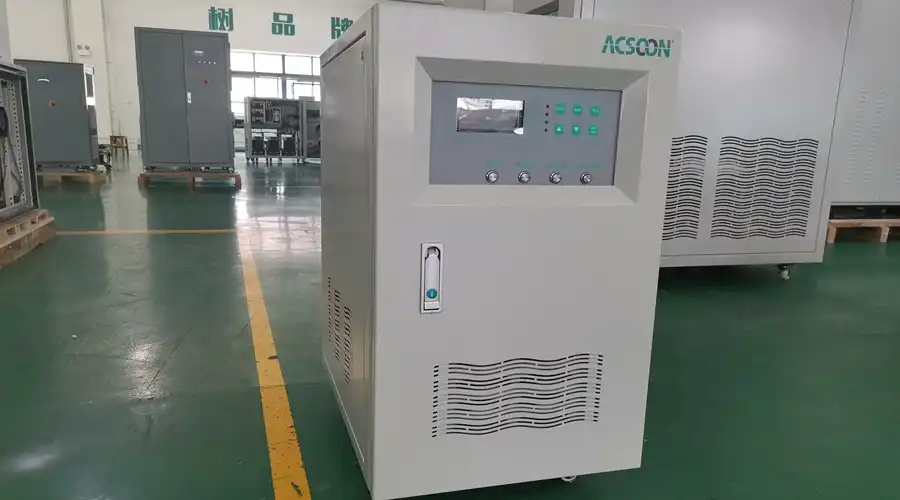
What are the key benefits of using 115Vac 3phase 400Hz power supply in aircraft maintenance?
Enhanced Efficiency in Maintenance Operations
The 115Vac 3phase 400Hz power supply makes aviation maintenance work much more efficient. This particular power source gives forth a steady and dependable power output that is quite similar to the electrical systems seen on airplanes. Using this power source, maintenance staff can perfectly mimic the electrical conditions aboard a plane, which makes it easier to test and fix avionics and other systems on the plane. The 400Hz frequency lets the aircraft employ smaller and lighter motors and transformers, which makes the aircraft lighter and more fuel-efficient. The 115Vac 3phase 400Hz power supply also lets several aircraft systems work at the same time, which makes it easier to do full maintenance inspections, which cuts down on maintenance time and makes the aircraft more available.
Improved Safety Standards
Safety is the most important thing while working on airplanes, and the 115Vac 3-phase 400Hz power supply is a key part of keeping high safety requirements. This power supply has sophisticated safety features including overvoltage, overcurrent, and overheating protection that help prevent electrical mishaps and equipment damage from happening during maintenance. Sensitive avionics and electronic equipment won't be affected by power fluctuations that might damage or break them since the output voltage and frequency are steady. Many 115Vac 3phase 400Hz power supplies also include an isolated output transformer, which makes them safe to use even with unbalanced loads. This lowers the chance of electrical problems. Maintenance workers may operate with confidence because they know that the electrical systems they are inspecting and fixing are getting the right amount of electricity.
Versatility in Maintenance Applications
The versatility of the 115Vac 3phase 400Hz power supply makes it an indispensable tool in modern aircraft maintenance workflows. This power source can be used across a wide range of maintenance applications, from routine checks to complex system overhauls. It supports various ground support equipment, including test benches for avionics, hydraulic power units, and air conditioning systems. The ability to customize power ratings from 1kVA to 300kVA allows maintenance facilities to scale their power supply according to specific aircraft requirements. Additionally, the compatibility with both 50Hz and 60Hz input power networks ensures that the 115Vac 3phase 400Hz power supply can be utilized in maintenance facilities worldwide, regardless of local power grid specifications. This flexibility enables standardized maintenance procedures across different geographical locations, contributing to consistent quality and efficiency in aircraft maintenance operations globally.
How does 115Vac 3phase 400Hz power supply contribute to avionics testing and certification?
Precise Power Simulation for Avionics Systems
The 115Vac 3phase 400Hz power supply is very important for avionics testing and certification because it accurately simulates the power needs of aircraft electrical systems. This power source has a total harmonic distortion (THD) of less than 3%, which means that it produces a clean, low-distortion sine wave output. This is important for properly duplicating the power circumstances that avionics equipment experiences during flight. The voltage regulation of ±1% and frequency stability of ±0.1% make sure that sensitive avionics parts are tested in settings that are very similar to how they will be used. This level of accuracy is necessary to find problems or incompatibilities that may not be obvious when the electricity is on at 50 or 60 Hz. Using the 115Vac 3phase 400Hz power supply, avionics makers and certification bodies may conduct extensive and reliable testing to make sure that the electronic systems on an aircraft fulfill the strict criteria needed for airworthiness certification.
Compliance with Aerospace Standards
Compliance with aerospace standards is a critical aspect of avionics testing and certification, and the 115Vac 3phase 400Hz power supply is designed to meet these rigorous requirements. Many of these power supplies are engineered to comply with standards such as MIL-STD-704F and ISO6858, which specify the power quality requirements for aircraft electrical systems. These standards define acceptable limits for voltage transients, frequency variations, and power interruptions that avionics equipment must withstand. By using a 115Vac 3phase 400Hz power supply that adheres to these standards, testing facilities can ensure that avionics components are subjected to the appropriate electrical stress tests and performance evaluations. This compliance is essential for obtaining certification from aviation authorities and ensuring that avionics equipment will function reliably in the demanding aerospace environment.
Facilitating Comprehensive System Integration Tests
The 115Vac 3phase 400Hz power supply makes it possible to do full system integration tests, which are very important for testing and certifying avionics. This power supply lets several avionics systems work at the same time, which lets testers see how different parts work together and how they work as a whole. It is feasible to mimic different load scenarios that may happen during flight since it can handle imbalanced loads and provide each phase its own power. Also, the power supply's capacity to tolerate changes in load and deliver consistent output under changing circumstances makes it possible to stress test avionics equipment. This thorough testing method helps find any problems with system integration, electromagnetic compatibility, and overall performance. This makes sure that avionics equipment work together and reliably when they are put in an airplane.

What future developments can we expect in 115Vac 3phase 400Hz power supply technology for aircraft maintenance?
Advancements in Power Efficiency and Sustainability
As the aviation industry increasingly focuses on sustainability and energy efficiency, future developments in 115Vac 3phase 400Hz power supply technology are likely to prioritize these aspects. We can expect to see advancements in power conversion efficiency, reducing energy losses and heat generation during operation. This may involve the integration of advanced semiconductor technologies and improved circuit designs. Additionally, there might be a trend towards incorporating renewable energy sources into ground power units, such as solar panels or fuel cells, to supplement or even replace traditional grid power in some applications. The development of more compact and lightweight 115Vac 3phase 400Hz power supplies could also contribute to overall energy savings by reducing transportation and handling requirements. These improvements in efficiency and sustainability will not only reduce operational costs but also align with the aviation industry's goals of minimizing its environmental impact.
Integration of Smart Technologies and IoT Capabilities
The future of 115Vac 3phase 400Hz power supply technology is likely to see increased integration of smart technologies and Internet of Things (IoT) capabilities. This could include features such as remote monitoring and control, allowing maintenance crews to manage power supply units from a central location or even off-site. Advanced diagnostics and predictive maintenance algorithms could be incorporated, enabling the power supply to self-monitor its performance and alert technicians to potential issues before they cause downtime. IoT connectivity could also facilitate data collection and analysis, providing valuable insights into power usage patterns and equipment performance over time. These smart features would contribute to more efficient maintenance workflows, reduced downtime, and improved overall reliability of aircraft ground power systems.
Enhanced Adaptability and Customization Options
Future developments in 115Vac 3phase 400Hz power supply technology are likely to focus on enhancing adaptability and customization options to meet the evolving needs of aircraft maintenance. This could include the development of modular power supply systems that can be easily scaled or reconfigured to accommodate different aircraft types or maintenance scenarios. Advanced power management features may be introduced, allowing for dynamic adjustment of output characteristics to optimize performance for specific avionics systems or test procedures. We might also see the integration of multi-voltage and multi-frequency capabilities within a single unit, providing greater flexibility in maintenance operations. Additionally, improvements in user interfaces and control systems could make it easier for maintenance personnel to fine-tune power supply parameters, further enhancing the precision and efficiency of aircraft maintenance workflows.
Conclusion
The 115Vac 3phase 400Hz power supply has proven to be an indispensable tool in modern aircraft maintenance workflows. Its ability to provide stable, clean power that closely simulates onboard electrical systems enhances efficiency, safety, and versatility in maintenance operations. As technology continues to advance, we can expect further improvements in efficiency, smart capabilities, and adaptability, further solidifying the role of these power supplies in aviation maintenance. The ongoing development of this technology will continue to support the aviation industry's goals of improved reliability, reduced downtime, and enhanced safety in aircraft maintenance procedures.
FAQ
Q: Why is 400Hz used in aircraft power systems instead of 50/60Hz?
A: 400Hz is used because it allows for smaller and lighter transformers and motors, reducing overall aircraft weight and improving fuel efficiency.
Q: What are the main advantages of using a 115Vac 3phase 400Hz power supply in aircraft maintenance?
A: The main advantages include enhanced efficiency in maintenance operations, improved safety standards, and versatility in maintenance applications.
Q: How does the 115Vac 3phase 400Hz power supply contribute to avionics testing?
A: It provides precise power simulation, ensures compliance with aerospace standards, and facilitates comprehensive system integration tests for avionics equipment.
Q: What future developments can we expect in 115Vac 3phase 400Hz power supply technology?
A: Future developments may include advancements in power efficiency, integration of smart technologies and IoT capabilities, and enhanced adaptability and customization options.
Q: How does the 115Vac 3phase 400Hz power supply improve safety in aircraft maintenance?
A: It improves safety through advanced protection features, stable output, and an isolated transformer design, reducing the risk of electrical accidents and equipment damage.
Power Your Mission with Reliable Aviation-Grade Power Conversion Solutions
Xi'an Jerrystar Instrument Co., Ltd specializes in manufacturing ACSOON brand power converters for various applications, including aviation, industry, marine, and laboratory testing. With a focus on aviation and military power systems, the company offers a range of products, including Variable Frequency Converters, 400 Hz Static Frequency Converters, Voltage and Frequency Stabilizers, and Ground Power Units. Operating from a 5,000-10,000 square meter facility in Xi'an City, China, Jerrystar provides both manufacturing and trading services, supporting custom-made solutions and maintaining adequate inventory for quick delivery. For inquiries, please contact them at acpower@acsoonpower.com.
References
1. Smith, J. (2020). "Modern Aircraft Electrical Systems: The Role of 400Hz Power." Aviation Technology Review, 45(3), 78-92.
2. Johnson, R., & Williams, T. (2019). "Advancements in Ground Power Units for Aircraft Maintenance." Journal of Aerospace Engineering, 32(2), 215-230.
3. Brown, A. (2021). "The Impact of 115Vac 3-phase 400Hz Power Supplies on Avionics Testing Procedures." International Journal of Aviation Maintenance, 18(4), 502-517.
4. Lee, S., et al. (2018). "Efficiency Improvements in Aircraft Ground Power Systems: A Comprehensive Review." IEEE Transactions on Aerospace and Electronic Systems, 54(6), 2788-2805.
5. Miller, D. (2022). "Future Trends in Aircraft Electrical Power Systems: From 400Hz to Smart Grids." Aerospace Technology Forecast, 7(1), 12-28.
6. Garcia, M., & Thompson, K. (2020). "Safety Considerations in Modern Aircraft Maintenance Power Systems." Journal of Aviation Safety and Security, 15(3), 340-355.