




Aircraft Power Unit for Narrowbody and Widebody Aircraft
Planes' power units are very important to modern flight. They provide both narrowbody and widebody planes with the electricity and climate control systems they need to fly. Modern systems like these make it possible for planes to fly without using their main engines or any aircraft power unit sources while they are on the ground for repair or emergencies. In the last few decades, airplane power unit technology has changed a lot. It now uses advanced solid-state components and smart control systems that make them more reliable while lowering their running costs. It's important for buying workers looking for the best options to understand the differences between the power needs of different types of airplanes. In today's world, power units have to deal with different voltage needs, frequency requirements, and weather conditions, all while keeping performance standards the same in all kinds of operating situations.
Understanding Aircraft Power Units: Function, Types, and Components
The fundamental operation of aircraft power systems centers on converting standard utility power into the specialized 400Hz frequency required by aviation electronics and systems. This conversion process enables aircraft to maintain full operational capability during maintenance, pre-flight preparations, and extended ground operations without engaging main propulsion systems.
Core Operational Principles
Power conversion technology is used by airplane power units to change regular 50/60Hz grid power to the exact 400Hz frequency that flight systems need. Because the frequency is higher, the generators and motors on board can be smaller and lighter. This helps the planes carry less weight and use less fuel. Modern solid-state units use cutting-edge semiconductor technology to convert power very precisely and reliably. The process includes several steps of power conditioning, such as voltage control, frequency synthesis, and harmonic filtering. These steps work together to make clean, stable power that meets strict flight standards for frequency stability, voltage control, and harmonic distortion. Good power units keep the voltage stable within ±1% and the frequency stable within ±0.1%, which makes sure they can work with sensitive electronic gear.
Electric Versus Gas Turbine Systems
There are two main types of aviation ground power solutions: electric solid-state units and gas turbine-powered systems. Electric units have many benefits, such as being available right away, being easy to handle, and needing little upkeep. These systems can work in small areas and make a lot less noise than turbine options. Gas turbine systems usually have higher power rates and are easier to move around, but they need more upkeep and make more noise when they're running. Which of these tools to use rests on the needs of the business, the equipment that is available, and the costs over the long run. Electric devices are becoming more common because they are easy to use and are better for the environment.
Component Quality and Performance Impact
Transformers, semiconductor switches, control circuits, and safety systems are some of the core parts of airplane power systems that have a lot to do with how reliable they are. Premium parts from well-known sources make sure that the system works the same way even when the load and external stresses change. Advanced control systems constantly check a number of parameters and make changes in real time to keep performance at its best. Modern units have smart safety features that protect both the power unit and any aircraft systems that are connected to it from voltage surges, frequency changes, and other electrical problems. Within milliseconds, these security systems can find and fix faults, keeping expensive aviation equipment from getting damaged and making sure operations are safe.
Comparing Aircraft Power Units: Making the Right Choice for B2B Procurement
Procurement decisions for aviation power equipment require careful evaluation of multiple factors, including technical specifications, operational requirements, and total cost of ownership. Understanding the distinctions between aircraft power unit types and their applications enables informed decision-making that optimizes both performance and investment returns.
Ground Power Units Versus Auxiliary Power Units
While they both provide necessary electricity, ground power units and auxiliary power units do different things when an airplane is in flight. When the plane is on the ground, ground power units connect to it from the outside, so the plane's engines or internal backup power units don't have to be run. This method lowers the amount of fuel used, the noise level, and the wear on the engines while still providing reliable power for tasks like maintenance, getting passengers on board, and getting ready for the flight. Auxiliary power units, which are built into aircraft, provide power generation capabilities but use fuel and need regular maintenance. External ground power units are a cheap option that can extend the life of an aircraft's APU and lower its operating costs. Whether to use ground power or airplane APU rests on several things, such as the length of time spent on the ground, the cost of fuel, and the schedule of repair.
Electric Power Systems Analysis
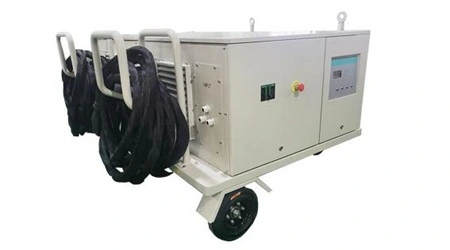
When it comes to efficiency, effect on the environment, and ease of use, electric ground power units work better than other types. These systems convert power more efficiently than 90% of the time while making very few fumes and noise disturbances. The ACSOON GPU400-330100 type is an example of this technology. It has a small size, weighs less than 600 kg, and has noise levels below 65dB. Electric systems provide power right away without needing to warm up, which makes them perfect for quick turnaround operations. Their solid-state design gets rid of a lot of mechanical parts that need to be serviced regularly. This lowers costs and makes the system more reliable. Because these units can be operated with little special training, they can be used by regular ground team members.
Industry Brand Evaluation
Reliability, creativity, and customer service have helped leading makers in the aircraft power equipment field build their names. The airplane APU market is dominated by Honeywell and Pratt & Whitney. Other manufacturers focus on ground support equipment and power conversion systems. ASCOON is a growing group of makers that specializes in solid-state power conversion technology. Their focus on aviation-grade parts and strict quality control has earned them trust among procurement workers looking for reliable, low-cost solutions. Because OEM customization choices are available, these companies can meet unique operating needs that normal goods might not be able to meet.
Maintenance, Troubleshooting, and Operational Tips for APUs
Effective maintenance strategies extend equipment life while ensuring consistent performance and regulatory compliance. Modern aircraft power units benefit from predictive maintenance approaches that utilize built-in diagnostics and performance monitoring capabilities to identify potential issues before they impact operations.
Preventive Maintenance Best Practices
Electrical links, cooling systems, and safety devices should all be checked regularly as part of routine maintenance plans. Visual checks can find rust, weak connections, or other physical damage that could affect safety or efficiency. Thermal image scans help find hot parts before they break, which saves money on fixes and keeps operations running smoothly. Performance tracking includes using precise test tools to check the output voltage, frequency stability, and harmonic content on a regular basis. These readings should be written down and compared to starting points to find signs of slow degradation that could mean parts are wearing out or the system is under a lot of stress. Cleaning the air filters and cooling tubes regularly keeps the engine running at its best temperature and keeps parts from breaking down too soon.
Diagnostic Procedures and Troubleshooting
Aircraft power units have advanced monitoring features that make fixing problems easier and cut down on downtime. Built-in tracking systems keep an eye on important factors all the time and sound an alarm when numbers get too high or too low. Often, these systems keep track of past data that helps find patterns or trends that point to problems that are about to happen. Problems with voltage control, frequency instability, and too much noise or shaking are common problems that need to be fixed. Systematic troubleshooting methods start by checking the quality of the power coming in and work their way through each part of the system to find the problem. Access to expert help from the maker and a store of extra parts cuts down on the time it takes to solve complicated problems by a large amount.
Noise Management and Regulatory Compliance
Aviation ground equipment has to follow stricter and stricter noise rules that are meant to protect the environment at airports. Modern electric power units, like the GPU400-330100, make less than 65dB of noise, which is well below what is acceptable for most airport activities. This performance lets the business run 24 hours a day without bothering nearby residents or breaking local noise laws. Ways to lower noise levels include placing equipment correctly, using sound barriers, and keeping cooling fans and other mechanical parts in good shape. Knowing the rules in your area and keeping an eye on the real noise levels will help you stay in line and avoid working limits that could slow you down.
Sourcing and Procurement: How to Buy the Right Aircraft Power Unit
Successful procurement of aviation power equipment requires evaluation of supplier capabilities, product specifications, and long-term support considerations. The complexity of aviation regulations and safety requirements makes supplier selection particularly critical for ensuring compliance and operational success.
Supplier Certification and Reliability Assessment
Suppliers of flight tools must show that they follow quality standards like ISO 9001 and get aircraft-specific certificates. With over 15 years of experience in power systems and well-established quality control methods, Xi'an Jerrystar Instrument Co., Ltd. is a great example of this dedication. Their factory is between 5,000 and 10,000 square meters, and they keep enough stock on hand to meet quick shipping needs. When evaluating a supplier, you should look at their expert help, supply of extra parts, and service network coverage. Companies that have worked with the military, the flight industry, and the sea industry for a long time usually have the skills and means to support important uses. Being able to offer OEM services and custom solutions shows that the production process is flexible enough to meet the specific needs of each operation.
Procurement Models and Cost Considerations
There are a few different ways to get an aircraft power unit: you can buy it directly, lease it, or use a loan program. Different approaches have different benefits based on the needs of the business, the amount of money available, and how the tools are used. Buying new equipment gives you the most control and customization options, but it costs a lot up front. Leasing programs, on the other hand, have fixed monthly costs and often cover maintenance, which makes them appealing to businesses that want to reduce capital expenditure and operational risk. With a 100kVA power level and an IP54 security grade, the ACSOON GPU400-330100 is a great deal for businesses that need stable, easy-to-maintain equipment that can work in a variety of environments.
Installation and Support Services
Professional installation ensures the best performance, protects the guarantee, and keeps the product from breaking because of incorrect setup or linking. Qualified technicians know exactly what is needed for aviation applications, like grounding, protection coordination, and integrating with existing ground support infrastructure. Ongoing support services, like preventative maintenance, emergency repairs, and technical consultation, make a big difference in the total cost of ownership and the reliability of operations. Having access to OEM parts and factory-trained service staff cuts down on downtime and makes sure that fixes meet the quality standards of the original.
Company Introduction and Product & Service Information
Xi'an Jerrystar Instrument Co., Ltd. stands as a premier manufacturer and supplier of aircraft power unit conversion equipment serving aviation, military, marine, and laboratory testing industries. Our expertise spans over 15 years of dedicated focus on delivering reliable, high-performance solutions that meet the demanding requirements of critical applications worldwide.
ACSOON Brand Excellence
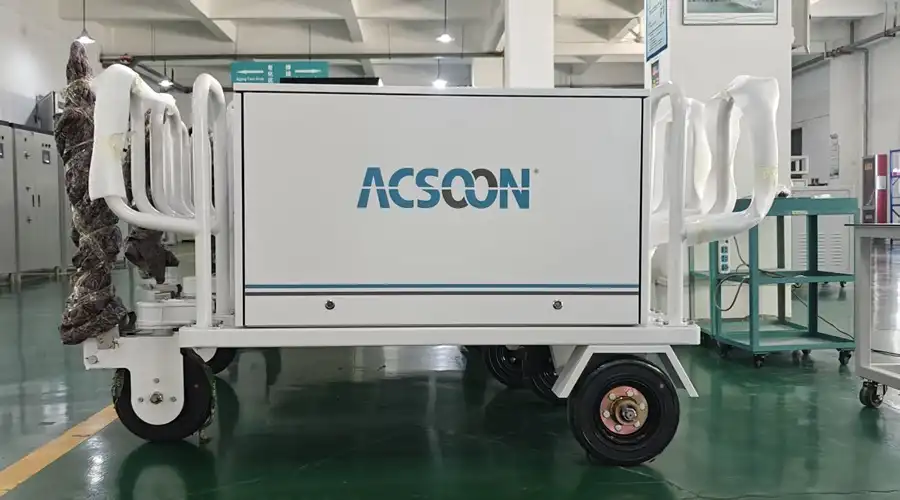
The ACSOON brand shows that we are dedicated to quality and new ideas in power transfer technology. Our most advanced solid-state design and full set of features on our top airplane power unit, the GPU400-330100, show how committed we are to this goal. This 100kVA unit can take input voltages from 208V to 480V at standard 50Hz to 60Hz frequencies and outputs at an exact 400Hz at 200/208V three-phase setup. Our manufacturing philosophy stresses the quality of the parts and thorough testing throughout the entire production process. We buy high-quality parts from reputable providers and use a variety of quality control methods, such as in-process checks, functional testing, and outdoor stress screening. This method makes sure that every unit meets our high-performance standards and works well in tough working conditions. The GPU400-330100 has a number of design features that make it stand out from similar goods on the market. Because it has a small size and weighs less than 600 kg, it can be installed in places with limited room while still working at full capacity. The IP54 rating for security lets it work in harsh environments, and noise levels below 65dB meet the needs for quiet operation.
Comprehensive Service Portfolio
Our service offerings go beyond just making products; they also include full lifecycle support, such as help with installation, planning upkeep, fixing, and expert advice. We keep enough inventory on hand to meet urgent delivery needs and can also make custom solutions that fit the specific needs of each operation. Quality control is very important to our whole company, and we do things like verifying where our products come from, inspecting the manufacturing process, testing everything thoroughly, and starting new projects to make things better all the time based on customer feedback and changes in the industry. Our 5,000–10,000-square-meter factory lets us make things quickly and efficiently while still being flexible enough to handle special orders and tight delivery times.
Conclusion
Aircraft power units are important parts of the infrastructure that make ground activities for both narrowbody and widebody planes efficient and cost-effective. Solid-state power systems are becoming more popular because they are more reliable, have less of an effect on the environment, and are easier to use than older options. To make sure you get the best performance and value, you need to carefully consider technical specs, provider skills, and long-term help when you go shopping. Modern units like the ACSOON GPU400-330100 show how modern technology can offer better performance while still meeting strict flight standards for safety, dependability, and environmental responsibility.
FAQ
What are the key differences in power requirements between narrowbody and widebody aircraft?
Narrowbody aircraft typically require 60-90kVA of ground power, while widebody aircraft often need 90-180kVA depending on their size and system complexity. The voltage and frequency requirements remain consistent at 400Hz, but current capacity varies significantly based on aircraft systems and operational requirements.
How often should aircraft power units undergo maintenance inspections?
Routine visual inspections should occur weekly during active use, with comprehensive electrical testing performed monthly. Annual inspections should include detailed component analysis, calibration verification, and performance validation. Environmental factors and usage intensity may require more frequent maintenance intervals.
What financing options are available for aircraft power unit procurement?
Procurement options include direct purchase, operational leases, finance leases, and rental agreements. Many suppliers offer flexible terms including deferred payment schedules, trade-in allowances, and bundled service packages. Leasing often provides tax advantages and predictable operating costs.
How do solid-state units compare to traditional gas turbine ground power systems?
Solid-state units offer immediate availability, precise control, lower maintenance requirements, and significantly reduced noise levels. Gas turbine systems provide higher power outputs and portability but require more maintenance and fuel consumption. Electric units generally provide better total cost of ownership for fixed installations.
Partner with JERRYSTAR for Superior Aircraft Power Unit Solutions
JERRYSTAR stands ready to support your aviation power requirements with proven expertise and reliable products designed for demanding applications. Our ACSOON aircraft power unit manufacturer capabilities combine advanced technology with comprehensive support services to deliver exceptional value for procurement professionals seeking dependable ground support equipment. Contact our technical team at acpower@acsoonpower.com to discuss your specific requirements and discover how our aircraft power unit solutions can enhance your operational efficiency. We maintain adequate inventory levels and offer custom configurations to meet urgent delivery requirements while providing the technical excellence and responsiveness your operations demand.
References
1. Society of Automotive Engineers. "Aircraft Ground Support Equipment - General Requirements." SAE Aerospace Standard AS6081, 2019.
2. International Air Transport Association. "Ground Support Equipment Guidelines and Best Practices." IATA Technical Manual Series, 2020.
3. Federal Aviation Administration. "Advisory Circular AC 150/5220-25: Airport Ground Support Equipment." Department of Transportation, 2018.
4. European Aviation Safety Agency. "Certification Specifications for Ground Support Equipment." EASA CS-GSE Amendment 2, 2019.
5. Aircraft Electronics Association. "Power Quality Standards for Aviation Ground Support Equipment." AEA Technical Publication Series, 2021.
6. International Civil Aviation Organization. "Airport Services Manual Part 1: Rescue and Fire Fighting." ICAO Document 9137-AN/898, Fourth Edition, 2020.