




How Does an Aircraft Ground Power Cart Supply 400Hz Power?
An aircraft ground power for airplanes provides precise 400Hz electricity by using advanced frequency conversion technology to change regular AC power into electricity that is suitable for airplanes. Solid-state frequency converters and transformers are used in the cart to change the power from 50Hz or 60Hz to the 400Hz frequency that flight systems need. This conversion process makes sure that the voltage stays stable and that the power output is clean. It gets rid of electrical noise and harmonics that could damage sensitive aircraft equipment. Modern ground power units have powerful control systems that constantly check and change the power settings. This way, the 400Hz output stays the same even if the load or input changes.
Understanding the Fundamentals of aircraft ground powers
aircraft ground powers are very important to flight operations on the ground because they provide important electricity when the engines are turned off. These specialized units change regular household electricity into the special 400Hz frequency that flight systems need. This lets them do everything from lighting the cabin to checking complicated electronics during repair.
Why 400Hz Frequency Matters in Aviation
The aircraft industry agreed on 400Hz power transfer because it was much better for engineering than 50Hz or 60Hz business power sources. Electrical parts in airplanes can be much lighter when they operate at a higher frequency. For example, transformers and motors that run at 400Hz need a lot less magnetic material and copper windings than their lower-frequency counterparts. This frequency specification directly affects how much fuel an airplane uses and how much it can carry. By using 400Hz power, modern commercial airplanes can save hundreds of pounds in electrical system weight. This means that the aircraft will have lower operating costs over its entire life. This weight adjustment is especially helpful for military uses, where every pound counts for task success and range.
Technical Processes Behind 400Hz Power Generation
Several types of technology are used by ground power units to convert frequencies precisely. The most advanced option is a static frequency converter, which uses power circuits built on semiconductors to make a clean, stable 400Hz output from normal industrial power sources. To get rid of harmonics and make sure the power quality meets strict aviation standards, these systems use pulse-width modulation and advanced filtering. The conversion process starts with input power conditioning, where AC power is rectified to make a stable DC intermediate stage. Then, advanced inverter circuits turn this DC power back into an exact 400Hz AC output. Digital control systems keep an eye on the voltage, frequency, and phase relationships all the time. This technology makes sure that the output is stable within a range of ±1% for frequency and ±3% for voltage, which is exactly what sensitive flight electronics need.
Types of aircraft ground powers and Their Operational Differences
Procurement decisions require careful consideration of various ground power cart configurations, each offering distinct operational advantages depending on specific application requirements and deployment scenarios.
Diesel vs Electric Ground Power Units
Diesel-powered aircraft ground power equipment is very mobile and doesn't need to be connected to a set electrical grid. This makes these units perfect for activities in rural areas or airports with limited electrical capacity. Modern diesel generators can provide steady 400Hz power while using less fuel thanks to a variable-speed engine control that changes output to match electrical demand. Electric ground power units don't release any emissions when they're not in use, which makes them much quieter and better for the environment. These units work great in protected repair shops where exhaust fumes could be dangerous, and their lower running costs make them a good choice for high-use situations. Electric units also provide better power quality because they don't have engine vibrations or electrical noise related to burning.
Portable vs Fixed Installation Considerations
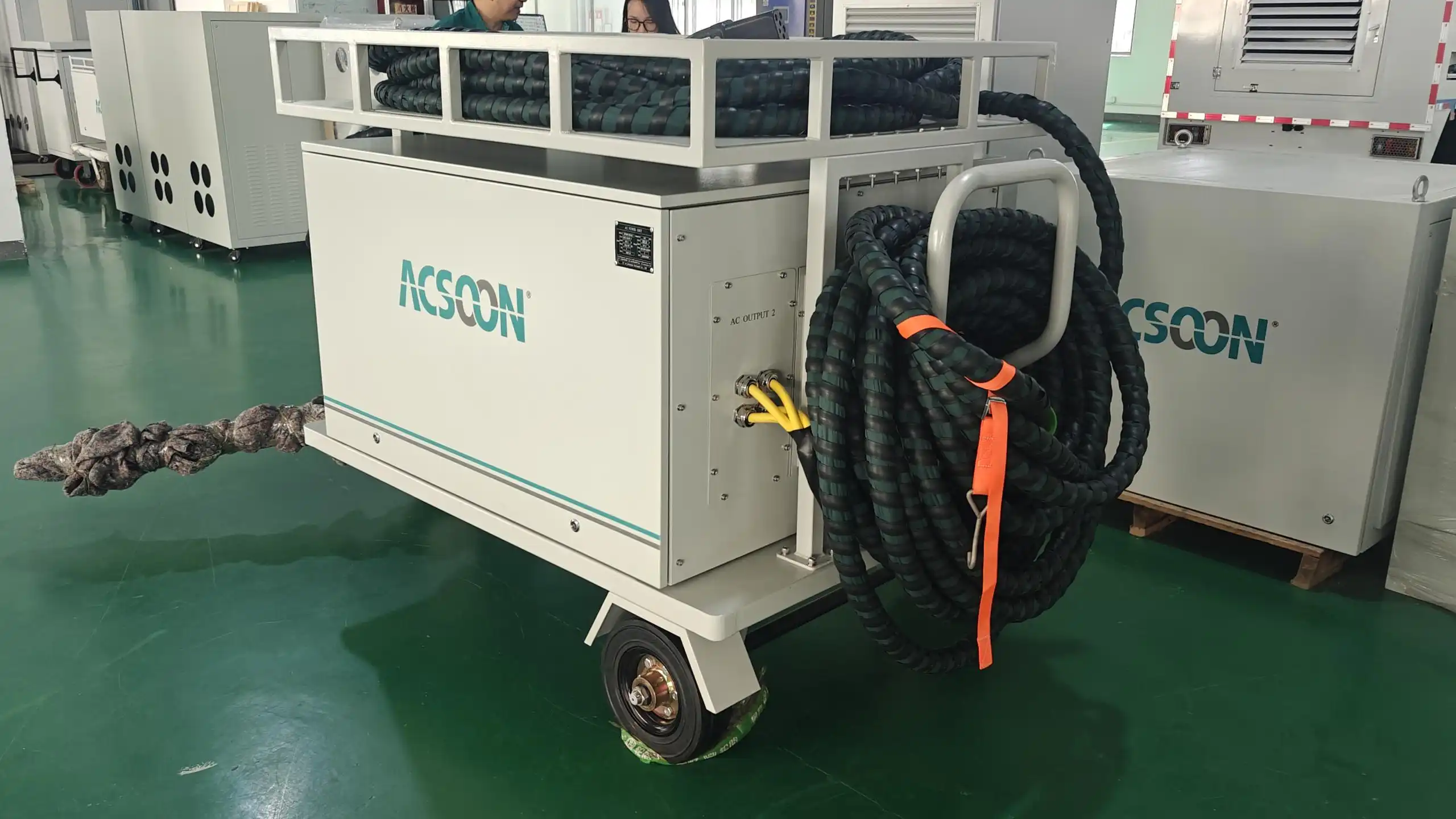
Portable ground power carts give workers the most placement options, so they can put power sources exactly where they're needed in a variety of airport settings. Larger units have trailer-mounted designs that can be towed between aircraft positions, and wheeled configurations with ergonomic handles allow for single-operator positioning. Fixed ground power installations provide permanent power access at designated aircraft parking positions, eliminating the need for mobile equipment positioning and simplifying ground handling. These systems work with the airport's existing infrastructure and can support multiple planes at the same time. However, they need a big investment up front and limit how flexible operations can be.
Ground Power Unit Design Variations
Different design theories are used in modern ground power units to meet different operating needs. Smaller units focus on being portable and easy to store, while larger systems focus on having more power and running for longer periods of time. Ruggedized military standards make sure that the ACSOON GPU-330070 can work reliably in difficult conditions like high and low temperatures, high humidity, and shaking. It uses advanced solid-state design principles to send 75kVA of power through a mobile cart. Its IP54 grade for entry protection means it will work reliably in tough airport settings, and its solid-state frequency conversion technology gets rid of the mechanical wear points that come with other spinning machinery.
Key Components and Safety Features Ensuring Reliable 400Hz Power Supply
Understanding the critical components within ground power carts enables procurement professionals to evaluate system reliability and operational safety effectively.
Essential Power Conversion Components
A lot of modern frequency converters depend on advanced semiconductor technology to convert power precisely, reliably, and efficiently. The main parts of static conversion systems are silicon-controlled rectifiers and insulated-gate bipolar transistors, which allow for fast switching and clean power output with little harmonic distortion. Isolation transformers keep input power sources and aircraft electrical systems electrically separate, which stops ground loops and keeps people safe during connection procedures. These transformers can also change the voltage level, going from different input voltages to the standard 115V/200V configurations needed by aircraft. Digital control systems are always keeping an eye on electrical parameters like voltage magnitude, frequency stability, phase relationships, and harmonic content. Advanced controls can find faults in microseconds and take defensive measures to keep devices from breaking or putting people in danger.
Integrated Safety Mechanisms
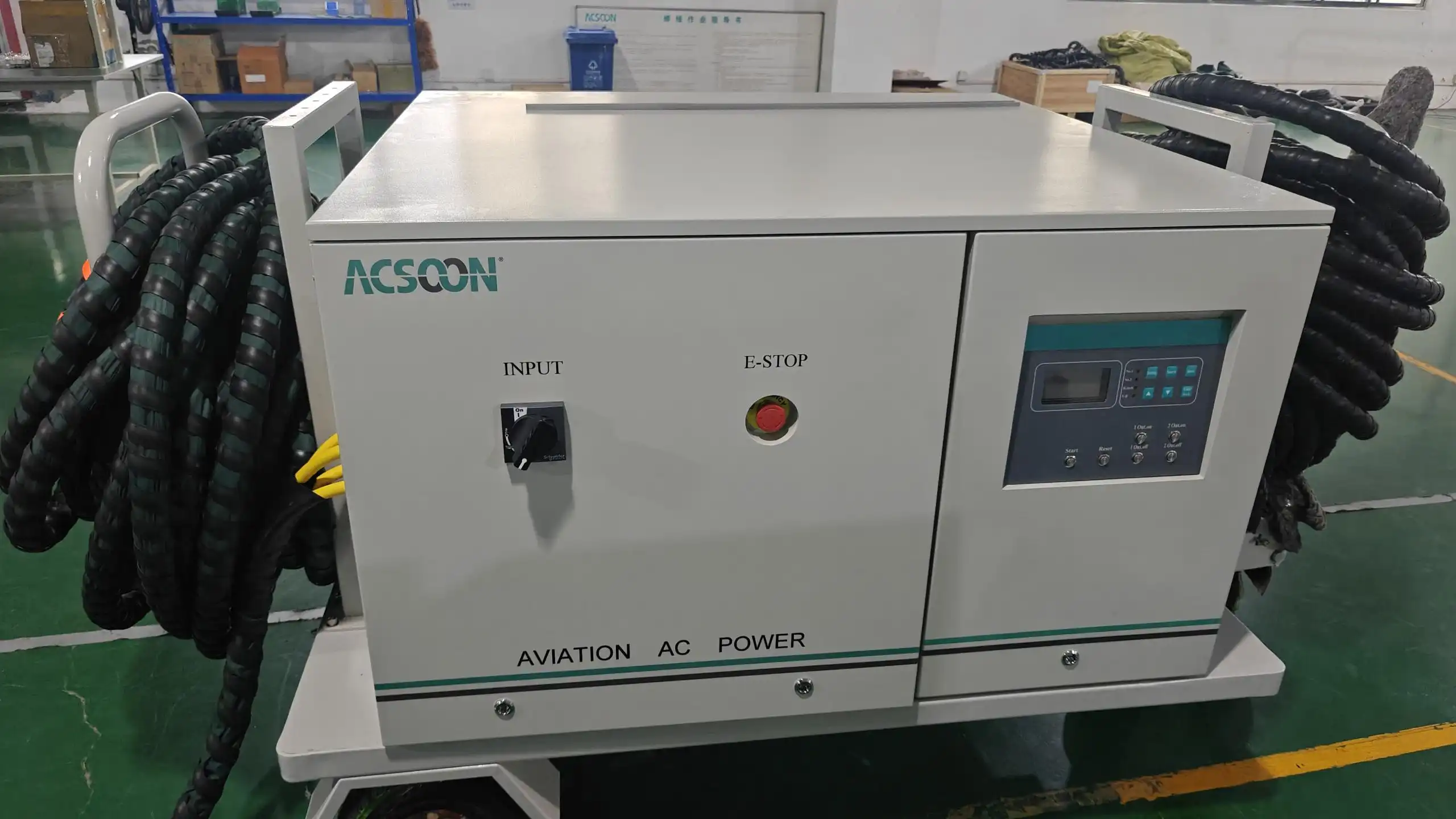
During aircraft ground power, full security devices keep both tools and people safe. Current-limiting circuits stop too much power from being used, which could damage electrical systems in aircraft or ground-based equipment. Voltage monitoring makes sure that the output stays within certain tolerance bands. Emergency shutdown features let you cut the power off right away through a variety of methods, such as manual pushbuttons, remote controls, and automatic fault detection systems. These safety features meet international standards for flight safety and offer many levels of defense against broken technology or human mistakes.
Compliance with Aviation Standards
Ground power equipment has to meet strict approval standards set by flight officials around the world. These standards set limits on electromagnetic compatibility, electrical performance, and safety protocols that make sure things work reliably in busy airports. Quality management systems that follow ISO 9001 principles make sure that products are made consistently and reliably. Regular testing and tuning processes make sure that the equipment stays in line with flight standards for as long as it is used. This keeps the airworthiness certification for important ground support functions.
Maintenance Tips and Common Issues with aircraft ground powers
Preventive maintenance programs ensure consistent power delivery and maximize equipment service life while minimizing unexpected operational disruptions.
Routine Inspection and Maintenance Schedules
The amount of use of the equipment and the harshness of the working climate should determine how often it needs to be serviced. Visual checks are done every day to make sure that the cables are properly connected, that the control panel works, and that there is no damage or fluid leaks. Every week, the electrical output is checked, the safety system is tested, and the air filter parts are cleaned. Every month, thorough electrical readings are taken to make sure the voltage is correct, the frequency stays stable, and the harmonic content is correct. Every year, trained experts test all of the parts, make sure the reading is correct, and make sure the safety system works.
Diagnostic Procedures for Common Issues
Changes in voltage often mean that the power coming in isn't good enough or that internal parts are wearing out. Systematic repair starts with checking the power coming in. Next, voltage levels inside the circuit are measured at important places. Digital oscilloscopes let you look closely at waveform quality and find sources of harmonic distortion. Frequency drift is usually caused by mistakes in the control system's tuning or old parts in reference oscillator circuits. Precise frequency measurement tools can find shift trends and help with fixing them, whether that means recalibrating or replacing parts.
Performance Verification Testing
Regular testing methods make sure that flight power quality standards are always being met and find problems before they affect operations. Automated test equipment can check all the electrical parameters and make detailed reports for maintenance records and regulatory compliance. Load testing procedures make sure the equipment works correctly under real-life electrical demands on an airplane, making sure that the voltage regulation and frequency stability stay within the allowed limits across the entire power output range. These tests also find problems with heat control that could make the system less reliable when it's used for long periods of time.
Selecting the Right aircraft ground power for Your Business Needs
Strategic procurement decisions require careful evaluation of multiple technical and operational factors to ensure optimal return on investment and operational effectiveness.
Power Capacity and Operational Requirements
Power capacity selection must take into account the highest electrical needs of the types of airplanes that are supported, as well as the fact that multiple electrical systems may need to be running at the same time during repair. When compared to commercial aircraft, military aircraft often need more power, so the equipment needs to be able to deliver power reliably and for longer periods of time. The environment has a big impact on the choice of equipment, as temperature extremes, humidity levels, and altitude can all affect performance and dependability. Specialized designs are used to deal with specific practical problems, like those that come up in the ocean, the desert, or the cold.
Evaluation Criteria for Equipment Selection
Here are the essential factors that procurement teams should evaluate when selecting ground power equipment:
- Power output specifications - Verify continuous power rating matches or exceeds maximum aircraft electrical demands, with adequate safety margin for peak loading conditions
- Frequency and voltage accuracy - Confirm output stability meets aviation standards for sensitive avionics equipment protection and optimal system performance
- Portability and deployment flexibility - Assess mobility requirements based on operational scenarios, including weight limitations and transportation constraints
- Environmental protection ratings - Evaluate ingress protection levels against dust and moisture exposure typical in airport operating environments
- Maintenance accessibility - Consider component accessibility for routine servicing and repair procedures to minimize downtime and maintenance costs
These evaluation criteria directly impact operational effectiveness and total cost of ownership throughout the equipment lifecycle. Proper specification analysis ensures selected equipment meets both current operational requirements and anticipated future expansion needs.
Customization and Service Support Considerations
Custom changes let ground power tools meet specific operating needs that can't be met by standard designs. Specialized uses like testing the electronics in airplanes, military operations, or industrial manufacturing may need different output characteristics, levels of environmental protection, or integration capabilities. For these reasons, having access to technical support is important for keeping operations ready, especially for companies that don't have a lot of technical experts on staff. Full-service plans should include preventative upkeep, the ability to fix things in an emergency, and professional training for people who work on the machines.
JERRYSTAR Company & Product Overview
Xi'an Jerrystar Instrument Co., Ltd. has been designing and making high-precision power exchange tools for use in laboratories, military bases, airplanes, and ships for more than 15 years. Our ACSOON brand is the result of years of mechanical work and a dedication to providing dependable power options for important uses.
ACSOON Brand Excellence and Innovation
The ACSOON GPU-330070 is the latest development in solid-state ground power technology. It provides precise 400Hz power conversion that is intended for testing sensitive electronics in airplanes. This mobile trolley-mounted unit changes standard 3-phase 380V, 50Hz industrial power into clean 115V/200V, 400Hz output that can handle the toughest aviation applications. Our manufacturing processes include strict quality control measures like testing every component, inspecting the whole process several times, and making sure everything is correct before delivery. Procedures that are ISO 9001 approved make sure that the quality and dependability of the products always meet international flight standards.
Comprehensive Product Range and Capabilities
The ACSOON aircraft ground power includes a wide variety of frequency conversion tools made to meet a variety of operating needs. Variable frequency converters let you change the output for specific testing methods, and voltage and frequency stabilizers keep the power quality stable in tough electrical environments. Custom engineering lets you make solutions that fit your specific needs, such as changing the output characteristics, protecting the environment in specific ways, and integrating with other systems. Distribution partners and system developers can use OEM support services to make private marking and custom branding easier.
Global Support Infrastructure
Our large network of after-sales support professionals makes sure that expert help and upkeep services are available quickly all over the world. Technical knowledge goes beyond just selling equipment; it also includes application consulting, installation support, and operational training for customer staff. Good inventory management makes sure that both standard products and replacement parts can be delivered quickly, which keeps operations running smoothly and supports mission-critical applications. Strategic relationships with global wholesalers help with local issues while keeping the technical know-how and high-quality standards that come from the plant.
Conclusion
aircraft ground powers are an important part of modern flight operations because they provide the 400Hz electricity that aircraft systems need while they are on the ground. Knowing the technical details of frequency conversion, the dependability of components, and operating safety features helps you make smart purchasing choices that improve performance and cut costs. To make sure long-term operating success, the selection process must carefully balance the need for power output, environmental concerns, and the ability to provide repair support. JERRYSTAR is dedicated to providing top-notch engineering and full customer support. This makes us a reliable partner for businesses looking for ground power solutions that meet the strict needs of flight, military, and specialized tests.
FAQ
What voltage standards do aircraft ground powers support?
Modern ground power carts typically provide dual voltage outputs of 115V single-phase and 200V three-phase at 400Hz frequency, conforming to international aviation electrical standards. These voltage levels accommodate the full range of aircraft electrical systems from small general aviation aircraft to large commercial and military platforms.
How often should ground power cart maintenance be performed?
Maintenance frequency depends on utilization levels and operating conditions, but generally includes daily visual inspections, weekly electrical output verification, monthly comprehensive testing, and annual detailed calibration procedures. High-utilization environments may require more frequent maintenance intervals to ensure consistent reliability.
Can electric models completely replace diesel-powered ground power units?
Electric ground power units offer significant advantages in terms of emissions, noise levels, and operating costs, making them suitable for many applications. However, diesel units remain necessary for operations requiring complete independence from electrical infrastructure, remote locations, or emergency backup capabilities where electrical power may be unavailable.
Partner with JERRYSTAR for Your aircraft ground power Requirements
JERRYSTAR stands ready to support your organization with comprehensive ground power solutions tailored to your specific operational requirements. Our ACSOON brand aircraft ground power technology delivers the reliability and precision that aviation professionals demand for critical applications. Whether you need standard configurations or custom modifications, our engineering team collaborates closely with clients to develop optimal solutions that meet both current needs and future expansion requirements. Contact our technical specialists at acpower@acsoonpower.com to discuss your ground power cart supplier requirements and discover how our 15 years of manufacturing experience can benefit your operations.
References
1. "Aircraft Electrical Power Systems: Design Principles and 400Hz Applications." Society of Automotive Engineers International, Aerospace Standards Division, 2023.
2. "Ground Support Equipment Standards for Commercial Aviation Operations." International Air Transport Association Technical Manual, 2022.
3. "Military Aircraft Ground Power Requirements and Specifications." Department of Defense Standard for Aircraft Ground Support Equipment, 2023.
4. "Frequency Converter Technology in Aviation Ground Support Applications." Institute of Electrical and Electronics Engineers Power Electronics Society, 2022.
5. "Safety Standards for aircraft ground power Operations." Federal Aviation Administration Advisory Circular on Ground Support Equipment, 2023.
6. "Maintenance Best Practices for Aviation Ground Power Equipment." Airport Equipment Manufacturers Association Technical Guidelines, 2022.
