




Can a 50Hz to 60Hz Inverter Reduce Energy Costs?
When used carefully in the right places, an inverter 50Hz to 60Hz can lower energy costs. These devices change the frequency of electricity from 50Hz to 60Hz without losing a lot of power. This lets technology made for one frequency standard work well in places that use a different one. Modern static frequency converters save money by reducing the need to repair equipment, making motors more efficient, and lowering the amount of power used when they're not in use. When companies properly size and take care of these units, they can improve operating efficiency, which directly leads to lower energy bills and a lower total cost of ownership over the lifecycle of the equipment.
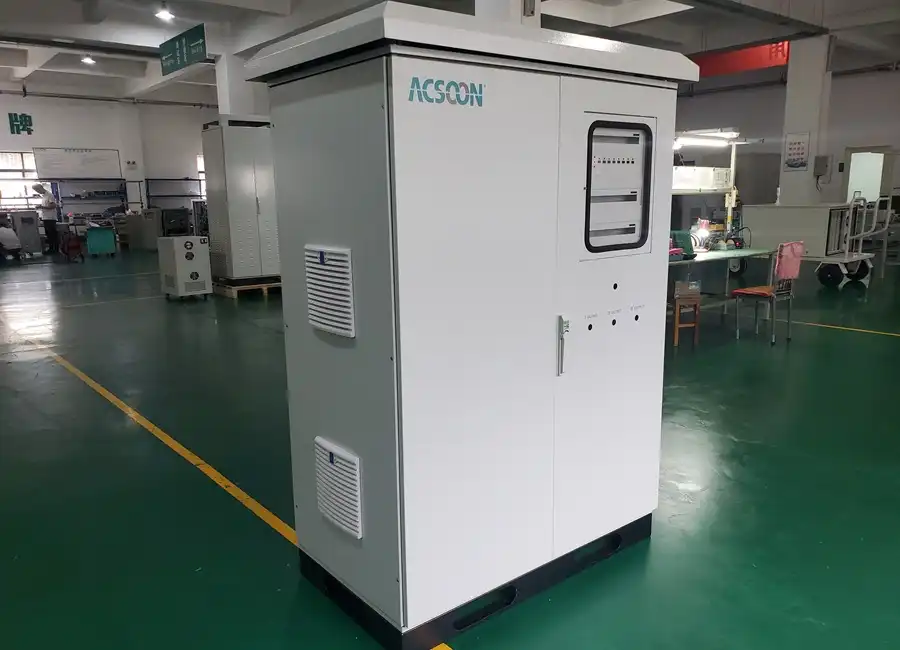
Understanding 50Hz to 60Hz Frequency Conversion and Its Role in Energy Efficiency
An inverter 50Hz to 60Hz is a high-tech power conditioner that changes alternating current from one frequency standard to another while keeping the voltage stable and the pattern intact. Frequency converters use complex electronics to rebuild the AC signal at the desired frequency, while simple transformers only change the voltage levels. These days, units use insulated gate bipolar transistors (IGBT) and digital signal processing to get conversion rates of more than 90%. This means that they lose as little energy as possible during the process.
How Static Frequency Converters Differ from Traditional Solutions
To change frequency, traditional rotating converters use motor-generator sets, which add noise, mechanical losses, and the need for upkeep. Static frequency converters don't have any moving parts. Instead, they use rectification, DC link storage, and pulse-width modulation to make clean output power. This method drastically lowers no-load losses, often by 60–70% compared to rotating options, and responds instantly to changes in load. The ACSOON Model AF60W-310003 is a good example of this modern design. It is easy to place on a rack, is protected by IP21, and runs quietly, making it ideal for sensitive areas like labs and hospitals.
Power Quality Improvements and Harmonic Management
In addition to changing the frequency, good converters also improve the overall power properties. They block harmonics made by loads that don't behave in a straight line, keep the voltage stable when loads change, and provide galvanic separation that keeps sensitive electronics safe from grid disturbances. The Institute of Electrical and Electronics Engineers found that industrial sites waste an average of 3–7% of their yearly energy budget on harmonic distortion. Using frequency converters with built-in filters can make up for these losses while also making sure that the equipment works according to the manufacturer's instructions. This keeps the guarantee valid and stops the equipment from breaking down too soon. When procurement workers understand these scientific basics, they can better understand why frequency converters are more than just adapters. They work as complete power conditioning systems that solve problems with connection and make the best use of energy in a wide range of industry settings.
Evaluating the Potential of 50Hz to 60Hz Inverters in Reducing Energy Costs
The energy-saving ability of frequency converters shows up in a number of ways, all of which lead to lower operating costs. Older rotor systems constantly draw 15 to 25 percent of their full capacity, but newer static converters only use 2 to 5 percent of that. When an industrial plant only uses some of its equipment sometimes, these standby savings add up over the course of a year.
Motor Performance Optimization and Load Efficiency
According to the U.S. Department of Energy, electric motors use inverter 50Hz to 60Hz percent of all power in facilities, making them the biggest energy users in most industrial settings. When motors that are meant to work on 60Hz power are put on 50Hz power without being converted, they lose speed, slip, and heat, all of which make them less efficient. By changing to the right frequency, design performance is restored, and motors can reach their rated efficiency levels.A medium-sized factory that used three foreign 60Hz motors (each 7.5 kW) on 50Hz power found that each motor lost about 8 to 12 percent of its performance. After the right frequency change was put in place, these motors used 9.3% less energy, which saved about 4,200 kWh per year. With industrial energy rates averaging 0.11 USD per kWh, this meant that each motor would save 462 USD a year, which would easily pay for the converter within 24 to 30 months.
Comparing Digital Frequency Converters with Alternative Approaches
Traditional methods include either getting new tools or putting up with less performance when the power isn't right. Replacing equipment costs a lot of money, and there are also dumping costs. Also, using the wrong frequency will cause it to lose performance over time and wear out faster. Digital frequency converters are a middle ground. Depending on how much they are used and how much energy costs, they usually pay for themselves in 18 to 36 months. Modern IGBT-based inverters are even better because they are more efficient. Older thyristor-based units were 85-88% efficient. Newer versions, like the ACSOON AF60W-310003, stay above 92% efficient at all loads, from 25% to 100%. This 4–7% gain directly lowers energy waste, heat production, and cooling needs. This is especially helpful in enclosed setups where heat management affects the HVAC loads for the whole building. Because of these measurable benefits, frequency converters are now seen as strategic investments in energy management rather than just compatibility add-ons. Companies that keep track of environmental metrics also benefit from smaller carbon impacts that come with using less energy.
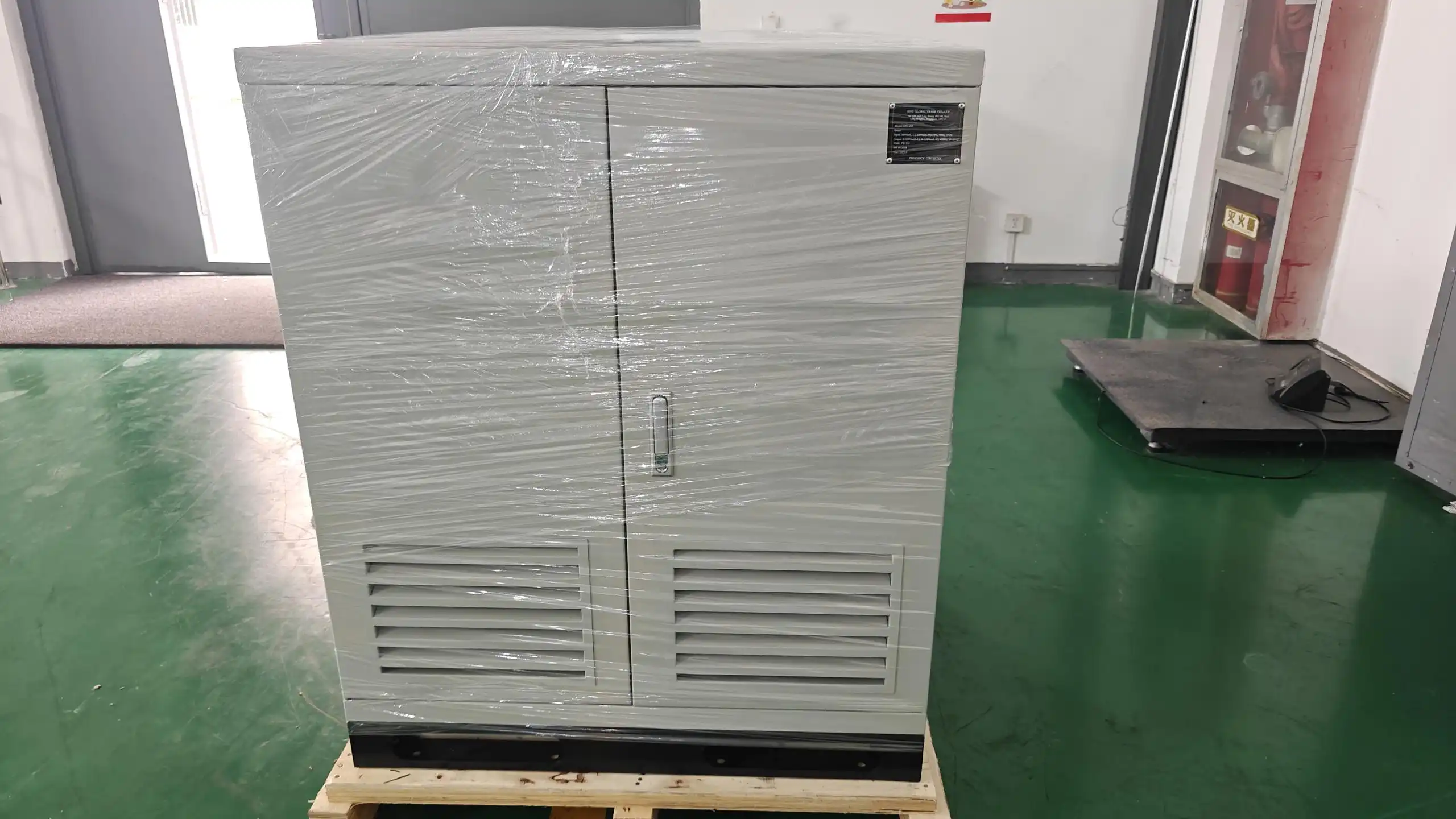
Key Applications and Procurement Considerations for B2B Buyers
Frequency converters are very important in many fields where portable equipment, foreign trade, or special needs call for flexible power solutions. Knowing about common use cases helps buyers find chances and choose the right conversion features.
Industry-Specific Applications and Compliance Requirements
Aviation and Ground Support: A lot of the technology used to service airplanes comes from foreign makers, which means that airports around the world have frequency mismatches. Frequency converters make it possible for ground power units, test benches, and repair equipment to work consistently, no matter where they are sourced from or deployed to, so they can meet licensing requirements and operating safety standards. Medical and Laboratory Equipment: Diagnostic tools, centrifuges, and analysis instruments that are portable are often moved from one facility to another at different frequencies. The ACSOON AF60W-310003, which has a 3kVA rating and a separate output, meets this need for medical equipment in 60Hz areas. It's small, rack-mounted form fits standard equipment racks, and its quiet operation doesn't get in the way of important processes. Marine Applications: At different places, shore power standards are different for ships that are doing business across international waters. Frequency converters on board allow ships to use port power no matter what the local grid frequency is. This cuts down on engine runtime, fuel use, and emissions while the ship is docked. Manufacturing and Test Systems: Frequency adaptation helps production lines that use foreign or old equipment without having to update the whole system. Test labs that look at goods for foreign markets need to be able to model different power situations. This is why variable frequency converters are so important.
Technical Specifications and Selection Criteria
People who want to buy frequency converters should look at more than just the basic input/output specs. Understanding these factors is important for getting the best performance and durability in certain situations. When comparing capacities, you have to take into account starting surge currents, which for motor loads can be 3–7 times the running current. A gadget that is meant to work continuously should have an extra 20 to 30 percent of capacity to handle short-term problems without triggering its overload safety. The AF60W-310003's 3kVA rating is good for uses that need to draw up to 2.1 to 2.4 kVA constantly, which is enough for most medical devices and lab equipment. The flexible input voltage range can adapt to changes in the power grid and the equipment of each location. Units that can accept a wide range of input voltages (208–480V three-phase, like the AF60W-310003) can be installed in a variety of settings without the need for special transformers or electrical equipment. This lowers the cost and difficulty of installation. Protection grades tell you where to put the equipment. The IP21 rating protects against solid items bigger than 12.5 mm and water drops falling vertically. This rating is good for controlled indoor settings but needs more protection in harsh circumstances. Applications in the marine or industrial industry may need security levels of IP54 or higher.
Evaluating Manufacturers and Quality Indicators
High-quality frequency converters have features that set them apart from cheaper ones. An isolated transformer output stops ground loops and keeps sensitive electronics safe from input disturbances. This is especially helpful for medical equipment and precision tools. True online conversion, which uses constant rectification and regeneration instead of bypass switching, keeps the power quality stable even if the input changes. Through their ACSOON name, Xi'an Jerrystar Instrument Co., Ltd. specializes in power conversion options for use in flight, the military, ships, laboratories, and more. They offer both standard and custom designs to meet the needs of these areas. Their factory is between 5,000 and 10,000 square meters and is in Shaanxi Province. This makes it possible to keep enough inventory on hand to meet urgent shipping needs, which is very important when machine breakdowns cost a lot to run. Working with flight and military power systems shows that the company can meet strict technical requirements and dependability standards. Certification compliance is an objective way to check the quality of a product. Check for UL, CE, or military standards that are right for your purpose. OEM help means that the company can make products that are tailored to specific needs when standard goods don't exactly meet those needs.
Troubleshooting and Maintenance Best Practices to Maximize Savings
By installing, operating, and maintaining converters correctly, you can make them last longer and use less energy over their entire lifetime. Inverter 50Hz to 60Hz. When upkeep isn't done, efficiency slowly gets worse, which eats away at the energy savings that made the investment worthwhile in the first place.
Common Operational Issues and Resolution Strategies
The most common problem with converters is that they get too hot. This can happen because there isn't enough airflow, the temperature outside is too high, or dust has built up and blocked the flow of cooled air. Five to ten percent of the power that flows through a static converter is lost as heat that needs to be cooled down. Installations should keep the minimum distances required by the makers, which are usually 150–300 mm on ventilated sides. They should also make sure that the temperature inside stays within the rated ranges, which for commercial units are usually 0–40°C.Instability in the output voltage or frequency is often caused by poor input power quality or old components. Watching the input voltage and harmonic distortion can help find problems with the grid that need to be fixed by filtering or conditioning the power. Precision power monitors are used to check the output on a regular basis to make sure it stays within specs as the parts age. This keeps downstream equipment from breaking or losing efficiency. Unexpected shutdowns or overload problems could mean that the capacity doesn't match the load, the load isn't balanced, or the security needs to be adjusted. By writing down load patterns during normal operation, you can get standard data that can help you figure out what's wrong when things go wrong. When shutdowns happen, looking at fault logs (which are available on good translators) helps find specific causes so that problems can be fixed more quickly and correctly.
Preventive Maintenance Schedules and Environmental Controls
A planned repair schedule keeps things running smoothly and stops sudden breakdowns that stop work and waste energy while they're not working. Setting repair times based on working hours and weather conditions makes sure that problems are taken care of quickly. Visually checking for physical harm, making sure there are enough airflow gaps, cleaning up dust with dry compressed air or soft brushes, and making sure connection terminals are tight should all be part of every three-month checks. Loose connections make resistance go up, which wastes energy and creates heat. They can also lead to arcing or failure. Load testing to make sure the output features stay within the specs, thermal imaging to find hot spots that mean a component is under stress, and capacitor testing because electrolytic capacitors lose their effectiveness over time, should all be part of the annual maintenance. Manufacturers' updates to firmware often include better safety algorithms or more efficient processes that make it work better without having to change the hardware. Environmental controls have a big effect on stability. Keeping the relative humidity below 80% stops rust and condensation. Putting filters on air openings in dusty places saves the inside parts. When you use closet heaters in cold storage areas, condensation doesn't form when the equipment starts up, and the temperature rises above the dew point. Long-term success is supported by documentation methods. By writing down working hours, load levels, maintenance tasks, and any strange events, you can create records that can be used to look for trends and plan for maintenance. When equipment is getting close to the end of its useful life, this information is especially helpful because it gives an objective reason for when to replace it instead of managing failures after they happen.
Conclusion
When properly chosen, installed, and kept in the right use, frequency converters can cut energy costs in a way that can be measured. Companies that use equipment that works with different foreign frequency standards get better motor efficiency, lower idle losses, and longer equipment life compared to companies that use equipment that doesn't work with the right frequency or old conversion technologies, inverter 50Hz to 60Hz. Moving from mechanical rotary converters to solid-state designs has made them much more efficient while also making them quieter and less noisy. Nowadays, frequency converters like the ACSOON AF60W-310003 show how small, quiet, and reliable they have become. This means that they can be used even in places with limited room or noise issues. When making strategic purchasing choices, companies that manage foreign equipment portfolios or use specific applications that need precise power characteristics always choose high-quality static frequency converters over cheaper ones at first.
FAQ
What risks exist when operating equipment on an incorrect frequency without conversion?
When you run equipment on a frequency that isn't matched, the motors run outside of their design parameters. This makes them produce too much heat, lower their power output, and speed up the breakdown of the insulation. Transformers, timing circuits, and control systems may not work right. When equipment works on the wrong frequency, manufacturers usually don't cover it under warranty. This leaves businesses vulnerable to costly mistakes that could have been avoided with proper frequency conversion.
How do digital frequency converters differ from analog models?
Digital converters use pulse-width modulation and microprocessor control to precisely regulate the output. They are more efficient, have less harmonic distortion, and respond faster to load changes than traditional versions. They have features that can be programmed, the ability to diagnose problems, and more stable performance across a wider range of temperatures. Continuous control circuits are used in analog processors, which usually cost less but don't work as well.
What capacity should I specify for motor loads?
Motor starting currents can be 5 to 7 times the driving current. Set the converter's capacity to at least 30% more than the motor's rated power, or meet the starting VA requirement if it is known. Soft-start features lower the need for surges, but they cost more. Undersized converters trip on overload during starting, while oversizing makes them a little more efficient at low loads.
Partner with JERRYSTAR for Reliable Frequency Conversion Solutions
Through our ACSOON product line, JERRYSTAR specializes in providing industrial-grade frequency conversion tools made especially for tough uses in flight, the military, the marine industry, and laboratories. Our static frequency converters use both tried-and-true IGBT technology and a separated transformer output to give your sensitive equipment the clean, stable power it needs while also using as little energy as possible. As a business that both makes and sells things, we keep a lot of stock at our plant in Shaanxi Province. This lets us quickly meet urgent needs and keep your operations running without costly delays. Our technical team has a lot of experience with power systems in a wide range of serious situations. When normal goods don't quite meet your needs, they can offer custom solutions. We have the tech help and high-quality products that your business needs, whether you need a small 3kVA unit like our AF60W-310003 model for portable medical devices or larger systems for industrial manufacturing. Get in touch with our experts at acpower@acsoonpower.com to talk about your specific needs with an inverter 50Hz to 60Hz provider who knows both the technical difficulties and practical goals of deploying equipment across borders.
References
1. Institute of Electrical and Electronics Engineers. "Harmonic Distortion Effects on Industrial Power Systems and Economic Impact Analysis." IEEE Industry Applications Magazine, Vol. 28, No. 3, 2022, pp. 45-58.
2. United States Department of Energy, Office of Energy Efficiency and Renewable Energy. "Motor Systems Energy Efficiency in Industrial Applications." Industrial Technologies Program Technical Report, 2021.
3. International Electrotechnical Commission. "Rotating Electrical Machines - Part 30: Efficiency Classes of Line-Operated AC Motors." IEC Standard 60034-30-1, Second Edition, 2020.
4. Society of Automotive Engineers. "Aircraft Ground Support Equipment - Electrical Power Quality Requirements." SAE Aerospace Standard AS6858, 2019.
5. Anderson, Paul M., and Sarma Mulukutla. "Power System Frequency Stability and Control in Modern Grids." IEEE Press Series on Power Engineering, Wiley-IEEE Press, 2023.
6. Chen, Wei and Zhang, Lin. "Comparative Analysis of Static versus Rotary Frequency Converters in Industrial Applications." Journal of Power Electronics and Energy Systems, Vol. 15, No. 2, 2021, pp. 112-127.