




Can a 3 Phase 400Hz Frequency Converter Handle Heavy Loads?
Modern military, industry, and aviation operations need power systems that are dependable and can work in harsh circumstances. A 3 phase 400hz frequency converter does more than just produce higher frequencies; it can also handle large amounts of power, which is important for important uses. These specialized converters can easily handle heavy loads ranging from 50kVA to over 200kVA if they are properly specified and maintained. This makes them an essential part of aerospace ground support, naval operations, and advanced manufacturing settings where equipment reliability directly affects mission success and operational continuity.
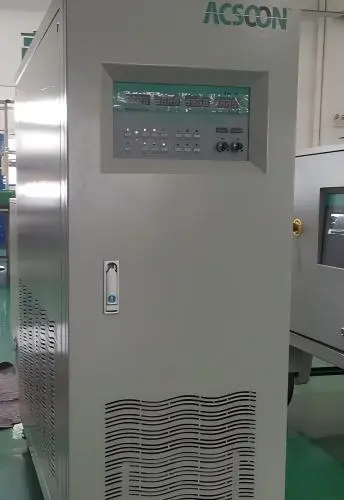
Understanding 3 Phase 400Hz Frequency Converters
What Differentiates 400Hz from Standard Frequency Systems
The aviation industry set 400Hz as the standard frequency many years ago because it saved a lot of weight and space. When working at higher frequencies, aircraft electrical systems use smaller transformers and motors, which makes the whole car lighter. This list of requirements must be met by ground support tools used to test and repair aircraft systems. Unlike home or business power systems that run at 50Hz or 60Hz, a static frequency converter with a 400Hz output has special parts that are made to handle fast switching cycles and keep the frequency stable even when the load changes.
Core Components and Conversion Principles
The process starts with a converter stage, which changes the AC power that comes in to a DC current. This power that has been corrected goes into an inverter box that has high-tech power electronics inside that make a clean, stable 400Hz three-phase output. Advanced control circuits keep an eye on the output parameters all the time and change the pulse-width modulation patterns to keep the voltage and frequency accuracy within very small ranges. Good transformers and filtering parts keep harmonic distortion to a minimum, which keeps sensitive equipment safe from power quality problems.
Technical Specifications Critical for Heavy Load Performance
The basic unit of capacity is the power number, which is given in kilovolt-amperes (kVA). It is thought that a converter with a rating of 100kVA could constantly provide 100,000 volt-amperes of power. But the real performance relies on several factors that are all connected. These include the range of input voltages, the steadiness of the output voltages, the accuracy of the frequency, the ability to correct for power factor, and the efficiency of thermal management. The ACSOON AF400M-330100 model meets these requirements with its 100kVA output, input voltage range of 208V to 480V, and accurate 400Hz output at a 200-208V three-phase setup.
Can a 3 Phase 400Hz Frequency Converter Handle Heavy Loads?
Design Robustness and Component Quality
Choices engineers made during the planning phase are what make something heavy-duty. Reliable 3-phase 400Hz frequency converter starts with industrial-grade IGBT modules, capacitors that are too big, and strong bus bars. The AF400M-330100 static frequency converter has IP54-rated casings that keep dust and water out of the internal parts. This makes sure that it works well even in harsh conditions. Military-spec parts are put through a lot of tests to make sure they work in a wide range of temperatures and in the harsh conditions that are common in hangars for airplane repair and on ships. Just as important are thermal control tools. The amount of heat made during power exchange goes up as the load current goes up. By using forced air flow and carefully placed heat sinks, effective cooling solutions keep component temperatures within safe working ranges. When converters get too hot, safety circuits either lower the output power or turn the device off totally to keep it from breaking. Through careful thermal design, high-quality frequency converters keep working at full capacity within the temperature range they were made for.
Real-World Performance Under Stress
Maintenance work on airplanes is a tough way to test how well big loads work. During ground tests, when avionics systems, environmental controls, and hydraulic pumps are all turned on at the same time, they draw a lot of power. The AF400M-330100 model can handle these situations because it provides a steady 100kVA output without slowing down. This lets repair workers do full system checks without using the plane's backup power unit. This feature cuts down on fuel use, lowers running costs, and increases the life of the APU. Marine users have extra problems, like being exposed to salt spray, vibration, and limited room. Fixed-mounted static converters on ships must keep working steadily despite these stresses while fueling weapon platforms, tracking systems, and communication gear. Converter performance has a direct effect on how much heat is produced and how much cooling is needed. These are important things to think about in machinery rooms that may not have a lot of airflow.
Common Operational Challenges and Maintenance Strategies
Overload conditions can happen when connected equipment uses more power than the converter can handle or when inrush currents rise when the motor starts up. Good converters have current limiting and overload safety built in. This keeps parts from getting damaged and lets workers know when there are problems with capacity. Knowing load patterns and putting them in the right order stops unnecessary trips and makes tools last longer. As part of preventative maintenance, cooling system parts should be checked regularly, electrical connections should be double-checked, and safety circuits should be tested on a frequent basis. Having dust on heat sinks makes them less effective at cooling, which could lead to thermal derating. Regular cleaning times that are right for the working setting keep the full capability. Keeping an eye on the output voltage and frequency when the load is on them helps find problems before they become major ones. Keeping records of repair tasks helps predictive analytics figure out the best times to replace wearable parts.
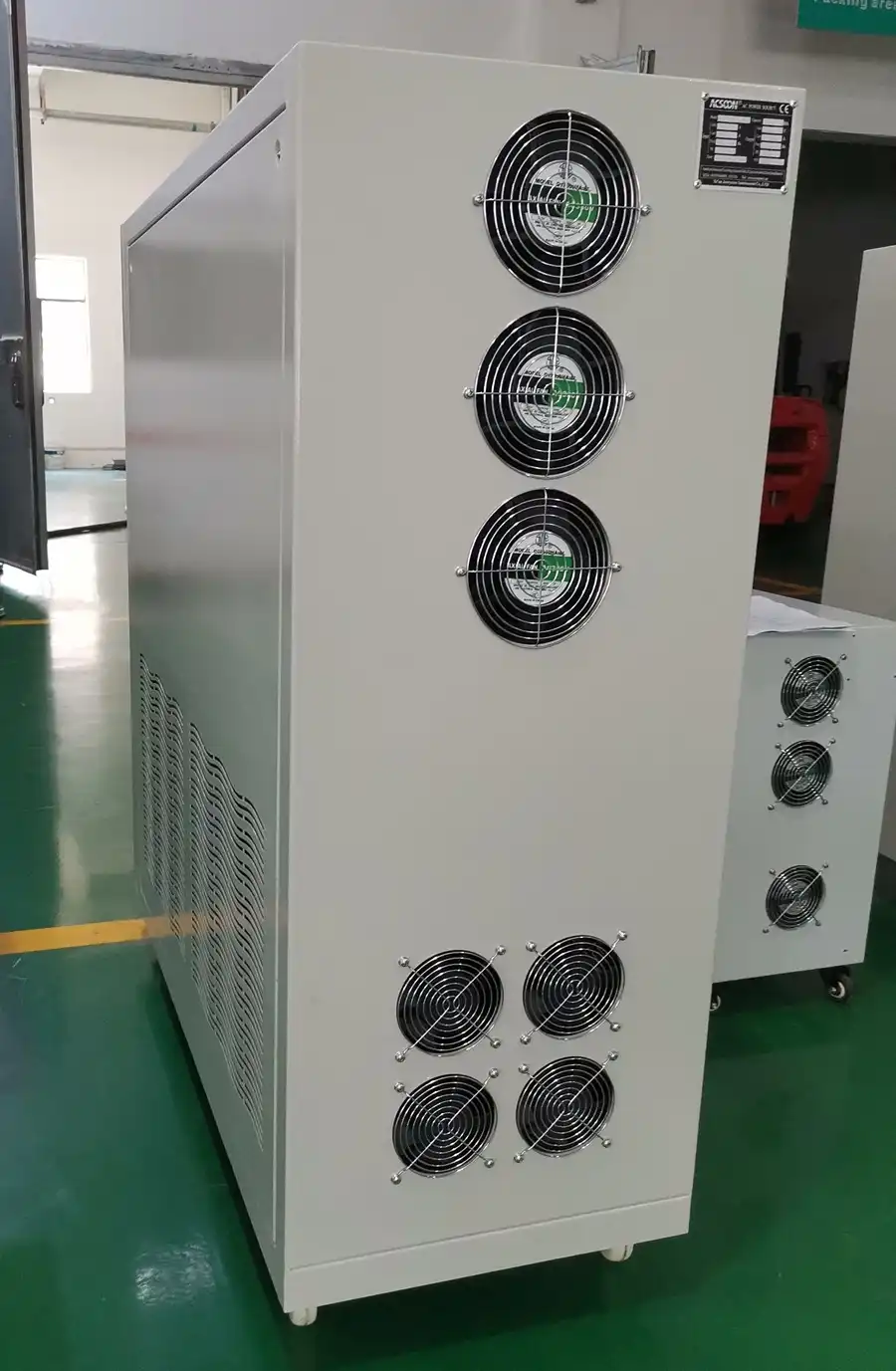
Comparison: 3 Phase 400Hz vs Other Frequency Converters for Heavy Loads
Efficiency Advantages in Aviation Applications
Standard 60Hz frequency converters work well in most industrial settings, but they aren't good enough for use in spacecraft. Mobile ground support equipment can do a lot more with less because 400Hz generators and motors are smaller and lighter. Higher frequencies lead to higher power density, which is measured in kilowatts per kilogram. This makes it possible to make converters that are small enough to fit in tight placement areas. This efficiency benefit is especially clear when comparing units with the same power level. For example, 400Hz models usually take up 40–60% of the space needed by 60Hz models.
Inverter Technology Comparisons
Different switching methods are used in modern inverter designs, such as pulse-width modulation, multilevel conversion, and resonance switching. Each method has its own benefits when it comes to speed, harmonic distortion, and load control. High-quality static frequency converters use PWM control and complex methods to keep the output stable even when they're connected to non-linear loads like variable frequency drives and power sources that use rectifiers. Because output settings can be changed, these systems can be used with a wide range of tools.
Leading Manufacturers and Model Selection
Schneider Electric, Siemens, and ABB are just a few of the well-known companies that make 3 phase 400hz frequency converters for the industrial and flight markets. ACSOON joins this competitive market with solutions that can be fully customized and strike a balance between durability and low cost. Because the AF400M-330100 type can change both frequency and voltage, users can make the converter work with their specific needs without having to buy all new equipment. With OEM support, these benefits are also available to integrators who are working on custom ground support solutions or test systems that need power specs that are just right for them.
How to Select the Right 3 Phase 400Hz Frequency Converter for Heavy Load Applications
Load Analysis and Operational Requirements
Correctly choosing an adapter starts with figuring out how much load there is. First, make a list of all the devices that will connect to the converter, making sure to write down their nameplate values and how they work. Find the total linked load, taking into account a variety of factors that take into account equipment that isn't running at the same time. Add the right amount of safety margin—usually 20 to 30 percent—to allow for future growth and keep the operation from getting too close to full capacity, where efficiency drops. Think about the inrush currents that happen when a motor starts up, or a transformer is turned on. These currents can temporarily be three to ten times higher than steady-state loads.
Critical Performance Benchmarks
Aside from basic capacity rates, you should also look at specs like how well the voltage is regulated, how stable the frequency is, how much harmonic distortion is allowed, and how the power factor is handled. For example, MIL-STD-704 says that airplane power systems must meet certain standards when used in the military or in space. The AF400M-330100 meets these strict standards by controlling the output with great accuracy, keeping the frequency within very small ranges and the voltage stable at better than ±1% even when the load changes. IP54 entry protection makes sure that the device works reliably in places where dust and moisture could cause contamination.
Procurement Considerations for B2B Buyers
A supplier's skills go beyond just listing the specs of a product; they can also offer customization services, check inventory levels, and set shipping dates. JERRYSTAR keeps common configurations in stock so that they can be quickly deployed for pressing needs. They also offer tech help for making custom changes. Lead times for unique units depend on how customized they are, but modified standard goods from well-known makers are usually delivered within 4 to 8 weeks. Total cost of ownership is affected by warranty coverage and technical help after the sale in a big way. This is especially true for equipment used in distant areas where troubleshooting experts may not be easily accessible. When setting prices for both bulk and OEM purchases, it's important to think about the number promises, payment terms, and technology needs for working together. Long-term results are better when you build relationships with makers who understand the problems your application faces than when you only look at price. To help with internal approval processes and make training easier for operators, ask for specific paperwork like test results, compliance certifications, and maintenance instructions.
Enhancing Heavy Load Performance: Best Practices and Innovations
Optimization Techniques for Demanding Environments
Installing the adapter correctly is the first step to getting the most out of it. Ensuring there is enough air flow around 3 phase 400hz frequency converter covers keeps heat from building up and lowers the available capacity. Electrical links need to have low-resistance current paths that can carry the full maximum current without causing too much voltage drop. Voltage sags, harmonics, and phase mismatches from utility sources can affect how well a converter works. These problems can stress the converter's parts and lower its output capacity. In places where power quality is a problem, installing line reactors or isolation transformers makes the power that comes in better. When you balance the load across three-phase outputs, you stop single-phase overloads that cause safe shutdowns. Monitoring tools that keep track of the current on each phase let workers move loads around so that the converter is used most efficiently. Using staged startup processes for high-inrush equipment stops multiple current spikes from happening at the same time, which could be too much for the converter to handle even if the steady-state ratings are good.
Predictive Maintenance and System Monitoring
Monitoring systems that are more advanced keep an eye on things like output voltage, current, frequency, power factor, and internal temperatures. By plotting these measures against time, you can see patterns of degradation that show problems are getting worse. Wear and tear on capacitors, fan bearings, and IGBT junctions show up as slow changes in performance measures that can be found by analyzing data before major problems happen. Remote tracking lets one person keep an eye on all of the distributed converter setups. This cuts down on the need for site visits and speeds up the response time to problems. Inspections using thermal imaging find hot spots that show bad electrical connections, problems with the cooling system, or stressed parts. Vibration analysis finds mechanical problems with cooling fans and supports that hold them in place inside the computer. Using these testing methods as part of full maintenance plans increases the amount of time that equipment is usable and makes it last longer than just the basic operating parameters.
Emerging Technologies and Future Trends
Wide bandgap semiconductors made of silicon carbide and gallium nitride materials offer big gains in power density and conversion efficiency. These high-tech devices can switch more quickly and with fewer losses than regular silicon parts. This lets designers make smaller designs that work better with heat. Smart control systems that use machine learning methods make sure that converters work best for certain load profiles. They do this by changing control settings in real time to get the most out of each situation. Higher frequency options that go beyond 400Hz and up to 800Hz and above can help mobile apps be even smaller and lighter. As airplane electricity systems become more electric and hydraulic and pneumatic systems are replaced, ground support equipment needs to be able to handle higher power needs and a wider range of frequency needs. Configurable converters with software-defined output parameters make it possible to support multiple kinds of airplanes from a single base. This cuts down on the need for extra equipment and makes operations easier.
Conclusion
Engineers can choose equipment that meets the needs of their application and then make sure that the 3 phase 400hz frequency converter is properly configured to handle big loads. These specialized converters can provide reliable power in tough military, industrial, and flight settings thanks to their strong component design, good heat management, and precise control systems. The ACSOON AF400M-330100 type has the features needed for heavy-duty tasks, with a 100kVA capacity, a wide input voltage range, and the ability to be customized in many ways. Putting in place high-capacity frequency conversion systems relies on both the quality of the tools and how it is used. Load analysis, proper fitting, preventative maintenance, and performance tracking all work together to make sure that converters always work at full capacity. As power electronics technology improves, procurement workers should look at new ideas that make things more efficient and flexible while still keeping the stability that is needed for mission-critical operations.
FAQ
What advantages do 400Hz converters offer over standard 60Hz systems for heavy loads?
Transformers, motors, and other magnetic parts that work with higher frequencies can be made much smaller and lighter. This small size is good for mobile ground support equipment and sites with limited room. Standardized 400Hz aircraft systems need matching ground power for testing and repair. This makes these converters necessary for flight operations, even if they don't save energy.
How do I determine if a converter can handle my specific load profile?
Find the total linked load, which includes all the equipment that is running at the same time, and then add 20 to 30 percent for safety and future growth. Think about motor and transformer inrush currents that might temporarily be higher than steady-state loads. Check the converter's specs to see how much it can handle when it's overloaded. Good units can usually handle 150% of their rated capacity for short periods of time to handle starting currents. Talking to makers about specific application needs makes sure that the right standard is used.
What maintenance practices extend converter service life under heavy load conditions?
Checking and cleaning the cooling system's parts on a regular basis keeps them working at the right temperature, which is necessary for full ability. Check that the electrical connections are still tight, since heat cycling can make terminations loosen over time. When the output factors are under a lot of stress, you can see if they are degrading before they break. Replacement plans for cooling fans and electrolytic capacitors should be followed by the maker because these parts have limited useful lives. Keeping records of repair tasks helps predictive analytics figure out the best times to replace things.
Partner with JERRYSTAR for Reliable Heavy Load Frequency Conversion Solutions
JERRYSTAR focuses on power converters from the ACSOON brand that are designed for use in industrial, military, naval, and flight settings where dependability is essential. Our experience designing and making 400Hz static frequency converters means that your operations will get power solutions that can handle big loads for a long time. The AF400M-330100 model shows our dedication to making sturdy tools that can be customized and used in the toughest conditions. As long as our Xi'an facility keeps enough stock on hand, we can quickly meet immediate needs and offer full customization for unique uses. Our engineering team works with your procurement and technical experts to find the best solutions, whether you need a provider of a turnkey 3 phase 400hz frequency converter for standard setups or a partner in development for one-of-a-kind ground support equipment. Contact our experts at acpower@acsoonpower.com to talk about your heavy load application needs and get unique suggestions based on our decades of experience converting power for industry, government, and military clients around the world.
References
1. Department of Defence Interface Standard, "Aircraft Electric Power Characteristics," MIL-STD-704F, United States Department of Defence, 2004.
2. International Air Transport Association, "Airport Handling Manual," 35th Edition, IATA Publishing, 2020.
3. IEEE Standards Association, "IEEE Recommended Practice for Monitoring Electric Power Quality," IEEE Std 1159-2019, Institute of Electrical and Electronics Engineers, 2019.
4. Mohan, N., Undeland, T.M., and Robbins, W.P., "Power Electronics: Converters, Applications, and Design," 3rd Edition, John Wiley & Sons, 2003.
5. Society of Automotive Engineers, "Electrical Power Systems for Military Aircraft," AIR1355D, SAE International, 2018.
6. Rashid, M.H., "Power Electronics Handbook: Devices, Circuits, and Applications," 4th Edition, Butterworth-Heinemann, 2017.
