




How Does a Single Phase Frequency Converter Work?
A single-phase frequency converter takes in single-phase AC power, changes it into direct current (DC), filters the DC through a bank of capacitors, and then turns it back into AC power at a carefully set frequency. Engineers and workers can change motor speeds, improve the performance of equipment, and make sure it works with devices that need certain frequency sources by using this conversion process. In testing labs, on ships, and in factories, where power adaptation is key to operations running smoothly and equipment lasting a long time, the technology is very useful.
Introduction
Single-phase frequency converters are very important in modern electrical and industrial systems because they let you precisely control motor speed and power quality, which is especially useful when three-phase power isn't available or can't be used. We have seen how these devices change the way aircraft ground support, marine vessel systems, and specialized laboratory tools work. This piece tells B2B buying managers, engineers, and OEM clients everything they need to know about how these devices work, what their main benefits are, and how to buy them. The content aims to help readers make smart buying choices that improve operational efficiency and cut costs by making technical ideas and industry applications clearer. Working with power conversion systems has taught me that buying teams can choose equipment that perfectly meets the needs of an application if they understand how frequency converters are put together on the inside. This guide gives you useful information to help you make better technical decisions, whether you are in charge of military buying programs, aerospace testing facilities, or industry manufacturing operations.
Understanding the Working Principle of Single-Phase Frequency Converters
The Core Conversion Architecture
Frequency converters are fundamentally different from simple inverters because they can change both voltage and frequency. The design is made up of three main parts: the rectifier module changes the AC power that comes in to DC power, the DC link filters and stabilizes the DC power, and the inverter stage creates AC output at the desired frequency. This three-step process makes sure that the power is delivered cleanly and with little harmonic distortion, which is very important for sensitive electronics used in laboratories and airplanes. Engineers like that static single-phase frequency converters get rid of the mechanical parts that older rotating systems had. The solid-state design makes it easier to maintain and more reliable in serious situations. When buying teams look at power conversion tools, knowing how this basic function works helps them find solutions that meet specific voltage and frequency needs without making the system too complicated.
Overcoming Single-Phase Power Limitations
There are some problems with single-phase power sources that frequency changers can fix well. In single-phase systems, voltage imbalance and frequency instability can hurt motors and shorten the life of other equipment. These factors are stabilized during the conversion process, which provides steady power that keeps linked loads safe. This stability is very helpful for industrial facilities whose power quality changes a lot. It's especially helpful in remote areas where grid infrastructure may not be as stable. Before the power gets to the inverter, the DC link stage smooths out voltage waves and filters out transients. This holding in the middle makes sure that the output power stays pure even if the conditions at the input change. This feature is a must-have for military and marine uses where power reliability has a direct effect on task success. It affects the purchase specs.
Key Benefits and Industrial Applications
There are real benefits to single-phase frequency converters that can be measured and directly linked to better operations and lower costs. When procurement managers know about these benefits, they can use measurable success measures to support investment choices.
Enhanced Energy Efficiency and Motor Protection
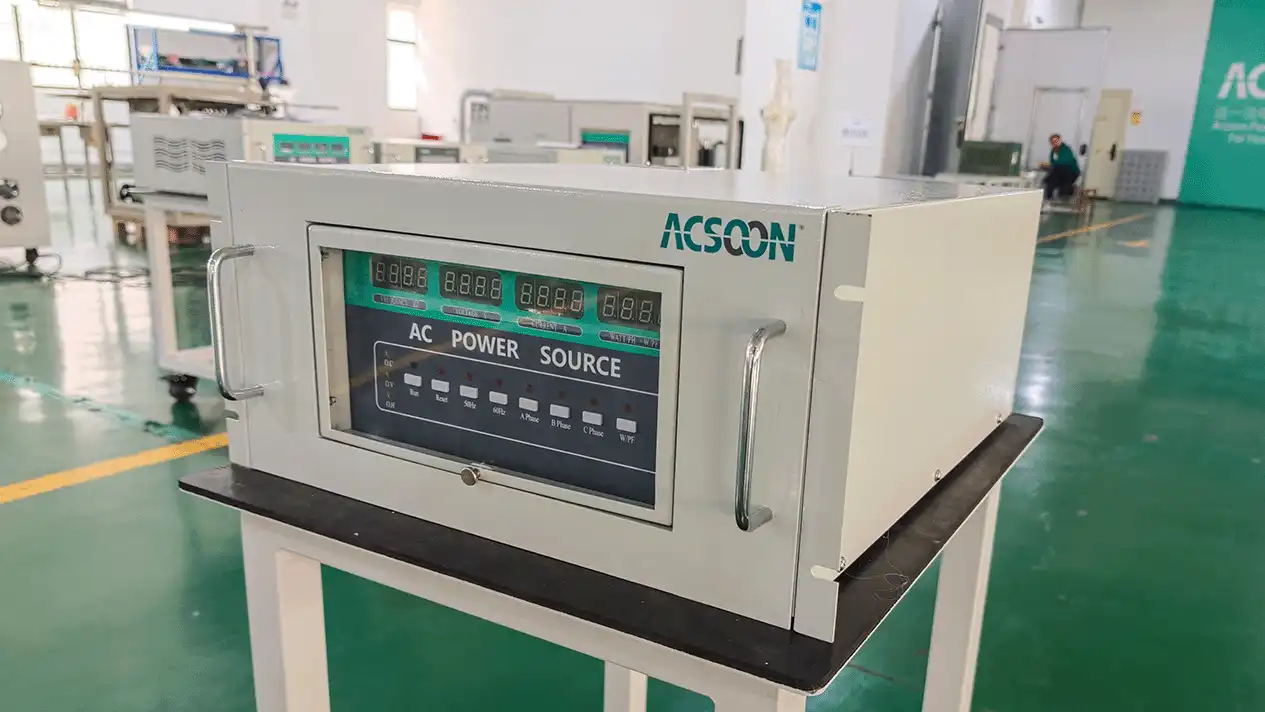
Modern static frequency converters are more than 95% efficient, which means they use less energy than motors that aren't managed. The ACSOON AF60-110001 model is a good example of this economy because it outputs a pure sine wave and has low harmonic distortion (below 3%). These features keep lost energy to a minimum and keep connected equipment from getting too hot. When motors are run at a fixed frequency, they are under less mechanical stress, which means they last longer between repairs and cost less to replace. Some of the motor safety features that come with good frequency converters are overcurrent shutdown, thermal tracking, and phase loss detection. These safety measures keep expensive damage from happening when something goes wrong, which is very important for unmanned sites or installations that are far away and hard to reach for repair right away. The IP21 security grade standard for industrial converters keeps dust and water from getting into the internal parts, so they can work reliably in factory settings.
Real-World Applications Across Industries
Frequency conversion technology is useful in many areas where accurate power control is important for operations to go well. Variable frequency drives change the speeds of the compressors and fans in HVAC systems to match the demand for cooling. This lowers energy use when only a portion of the system is being used. These devices are used in factories to match the speed of the conveyors to the needs of the production line. This increases output while reducing mechanical wear. Aviation ground power units use 400 Hz static frequency converters to power aircraft electrical systems while they are being maintained or getting ready for takeoff. The ACSOON converter is small, stands straight, and has wheels built in to make moving it between parking spots easier. This helps with logistics problems at busy airports and military airbases. Clean, stable power is needed in laboratories for monitoring and measuring tools because sensitive instruments can't be harmed by high harmonic distortion or output that isn't connected to anything else. When ships travel between countries, they have to deal with different shore power rates that need to be changed so that they work with the electricity systems on board. Frequency converters let ships connect to existing infrastructure without having to keep separate sets of equipment for each port. They also protect electrical equipment from power sources that aren't suitable. This adaptability lowers the cost of capital and makes transportation easier for military operations and shipping businesses.
Maintenance Best Practices
Regular repair makes converters last longer and work better every time. Checking the cooling fans and air screens on a regular basis keeps things from getting too hot, especially in dusty industrial settings. Over years of use, capacitor banks in the DC link stage slowly lose their effectiveness. By keeping an eye on their electrical properties, replacement can be done before they stop working and cause problems. Using thermal imaging for regular repair can help find hot spots that show signs of loose connections or stressed components before they break in a big way. Quality converters have EMC compatibility features that reduce electromagnetic interference. However, it is still important to follow the right grounding and wire protection procedures for the best performance. Keeping track of working hours and load profiles can help you predict when parts will wear out and schedule repair for planned downtime instead of having to fix problems as they happen.
Single Phase vs. Three Phase Frequency Converters — The B2B Buyer's Comparison
Power Capacity and Application Suitability
Choosing between single-phase and three-phase transformers depends on the load needs and the power that is available. Single-phase units, which can power lab equipment, small machines, and other systems, usually have power ranges from a few hundredths of a horsepower to ten thousand kilowatt-hours. Three-phase converters come in a range of sizes, from 1 kVA to 1 megawatt, so they can handle heavy industrial equipment, big motor drives, and power conditioning at the building level.The ACSOON AF60-110001 can take three-phase input (208V–480V, 60Hz) and give out three-phase output (208V–480V, 50Hz) at 1 kVA. This makes it perfect for low-power, high-precision electrical products that need to change the frequency. This set-up works well for lab testing tools, specialized manufacturing tools, and flight support gear that needs to be small and quiet so it doesn't interfere with other activities. If you know how your load changes over time, you can figure out whether a single-phase frequency converter or a three-phase design will work for your application without adding too much capacity, which raises the initial cost.
Total Cost of Ownership Analysis
The initial buying price is only one part of the total cost of the converter over its lifetime. The differences in energy efficiency between single-phase and three-phase designs add up over years of constant use, which could make the higher starting cost of premium models worth it. Three-phase inverters usually work more efficiently at the same power levels because they send power more evenly and have lower conductor losses. When it comes to maintenance costs, static converters are better than rotary converters, no matter what phase setup they are in. However, three-phase units may need specialized service knowledge, which can make work more expensive in rural areas. Warranty terms and the availability of expert help play a big role in figuring out TCO, especially for mission-critical applications where downtime costs a lot. When comparing choices to find the best value, procurement teams should look at how much energy each one costs, how long they expect to be used, and how many upkeep resources are available.
Strategic Procurement Considerations
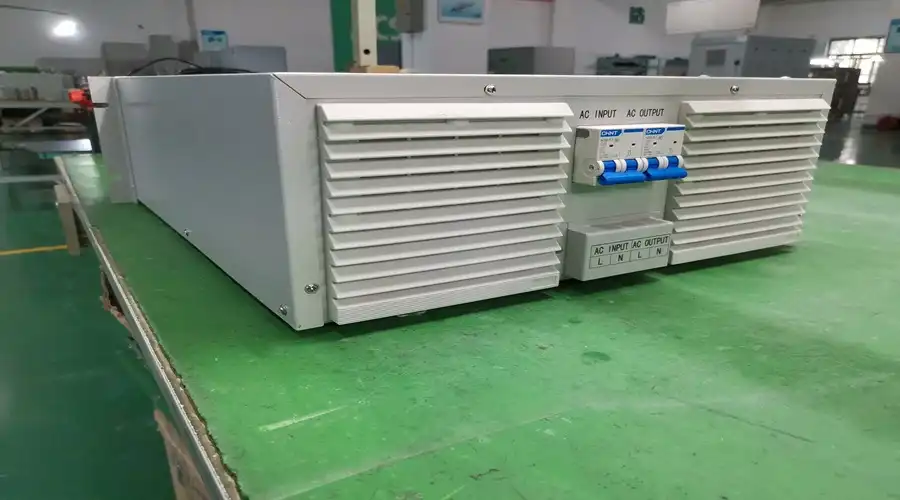
System compatibility is more than just electrical factors; it also includes things like mounting options, communication methods, and connecting to other control systems that are already in place. The upright-mounted AF60-110001 with wheels makes it easy to move around, and the IP21 security works well in most industrial settings without the need for expensive cages. EMC compatibility keeps nearby electronics from interfering, which is something that is often forgotten until problems with integration show up during testing. How reliable a supplier is affects delivery times, how quickly expert help responds, and how long parts are available in the future. Manufacturers like JERRYSTAR that have a lot of experience with military and flight power systems know what mission-critical applications need and keep enough stock on hand to meet urgent needs. When compared to suppliers who only use "build-to-order" models, this feature shortens wait times, which is a big plus when equipment breakdowns threaten production schedules.
Troubleshooting and Optimization for Improved Performance
Common Issues and Diagnostic Approaches
Overheating is the most common problem with converters. This can happen because there isn't enough wind to cool the converter, the temperature outside is too high, or the converter is overloaded for a long time. During operation, measuring the temperatures of the intake and exit air shows problems with the cooling system. Thermal imaging, on the other hand, shows hot spots on individual parts that need to be fixed. Many heat problems can be fixed without replacing parts by making sure there is enough space around air holes and cleaning the filters. Changes in the output voltage could mean that the DC link capacitors are wearing out or that there are problems with the inverter module. When the output waveform quality is measured with an oscilloscope, it shows that harmonic distortion is increasing, which is a sign of component wear. The ACSOON converter's pure sine wave output standard with THD below 3% gives you a starting point to use when you're trying to figure out what's wrong. When this standard isn't followed, diagnostic work is focused on the parts that need service. Frequency instability shows up as changes in motor speed or broken equipment in sensitive loads. Before looking into the single-phase frequency converter control circuitry, checking the quality of the input power rules out foreign reasons. A lot of new converters have self-diagnostic features that can be accessed through display screens or communication interfaces. These features make it easier to find problems and fix them faster. Keeping detailed repair logs makes it possible to connect changes in performance to new or changing working conditions.
Optimization Strategies
Verification of the calibration makes sure that the output parameters fit the requirements across the whole working range. As parts get older, small differences build up that may not be too bad on their own, but when added together, they lower performance. Recalibration with certified test tools on a regular basis keeps precision accurate in lab and aerospace testing settings.As technology improves, component improvements make converters last longer and work better. Updating control boards may add features like remote tracking or better efficiency methods. Replacing electrolytic capacitors at recommended times keeps reliability from going down. These planned investments usually cost less than fixes that need to be done right away, and they keep operations running smoothly without any unscheduled downtime. Load matching optimization changes the capacity of the converter to match its real needs. This makes it more efficient and cuts down on wear. Oversized converters that run repeatedly at low loads are less efficient than units that are the right size and run at the best load points. By looking at load patterns, you can make better choices about the right size of equipment to buy and find ways to move equipment to better-fitting jobs.
How to Select and Procure the Best Single-Phase Frequency Converter
Critical Selection Criteria
To avoid both poor performance and extra costs, performance standards must exactly match the needs of the product. The ranges of input voltage and frequency decide which power supplies can be used, and the output factors must match the needs of the connected load. The AF60-110001 can accept three-phase inputs from 208V to 480V, so it can work with a wide range of facility power systems without needing custom setups. This makes purchasing easier and cuts down on wait times. Warranty terms show how confident the maker is in the product and protect buyers from failures that happen too soon. Long-term warranties that cover both parts and work show that the building is good and that the parts are reliable. Standards for certification, like UL, CE, and military specs, make sure that safety and performance requirements are met. These are important things for the government to think about when buying things and for businesses that are regulated. Ratings for energy economy have a direct effect on how much it costs to run a single-phase frequency converter over its lifetime. High-efficiency designs cost more at first, but they save money in the long run because they use less energy, especially in continuous-duty uses. The environmental working range requirements make sure that the equipment will work reliably in a wide range of temperatures that are common in naval, military, and industrial settings, where it is used outside or in harsh conditions.
Leading Manufacturers and Technology Differentiation
Big-scale industrial converter markets are dominated by global names like Siemens, ABB, Schneider Electric, and Mitsubishi, which have complete product lines and extensive support networks. These companies are great at making things that use a lot of power and have advanced control features that work well with complicated automation systems. Their high prices are due to the fact that they have a well-known name, offer services all over the world, and work with proprietary control environments. Manufacturers that specialize, like JERRYSTAR, focus on narrow uses that need to be customized and have quick technical support. The ACSOON name is aimed at markets like flight, the military, marine, and lab testing, where regular commercial goods might not meet specific needs. OEM support features allow private marking for equipment makers who want integrated power solutions but don't want to make their own converter technology. This gives buyers more options when they need specific voltage/frequency combinations or fixing arrangements that bigger providers don't offer. It's often more useful to look at how responsive technical help is and how well you can customize things than just looking at name recognition. When manufacturers keep enough goods on hand for quick delivery, they lower the risk of downtime when equipment breaks down. Aviation and military power systems are what Xi'an Jerrystar Instrument Co., Ltd. does best. This subject knowledge shows in their products, which solve real practical problems instead of being generic solutions that need a lot of changes.
Procurement Channel Strategies
When you buy directly from the maker, you don't have to pay the fees that distributors do. You also have access to tech support and customization services. This method works well for big purchases where direct relationships are appropriate because of the volume, and close cooperation with design engineers is needed because of the complexity of the technical issues. Manufacturers usually have better prices for orders of more than one item, and they can also meet special needs that regular marketing routes can't. Installation assistance and training services vary a lot from one provider to the next. These are examples of hidden costs that are often missed during the initial review of a purchase. Full turnkey solutions that include testing, installation, and training for operators lower project risk and speed up deployment. Logistics skills affect arrival times, especially for orders made from other countries that need to clear customs and coordinate freight. When suppliers know how to ship, they can speed up these steps, which cuts down on delays that make project plans longer.
Conclusion
When procurement managers and engineers know how single-phase frequency converters work, they can make decisions that improve the performance of tools and the speed of operations. These devices give you exact control over the frequency, make your energy use more efficient, and keep your connected devices safe with advanced monitoring and safety features. The flexibility of the technology makes it useful for a wide range of situations, including aircraft ground support, marine power systems, lab tests, and industrial manufacturing. To do a good job of buying, you need to find solutions that meet your current needs and are reliable in the long run by balancing technical standards, total cost of ownership, and provider capabilities. The ACSOON AF60-110001 is a current converter design example. It has a pure sine wave output, low harmonic distortion, and useful qualities like being portable and running quietly. Working with specialized makers gives you access to technical knowledge and quick help that generic providers can't provide, whether your application needs standard configurations or unique solutions.
FAQ
Can single-phase frequency converters run three-phase motors with only a single-phase input?
Phase converters are special devices that can power three-phase motors from single-phase input sources, but they have limits on how much power they can handle. True single-phase to three-phase converters can usually handle motors up to 10 HP well, but three-phase input is more useful after that. The process of conversion creates equal three-phase output voltages from single-phase input voltages. This lets the motor work in places where three-phase power is not available. Due to the different ways phases are made, performance features may be slightly different from common three-phase power.
If you want to save energy, how do frequency converters and voltage protectors compare?
Because they allow variable-speed motor operating that matches real load needs, frequency converters save a lot more energy than voltage stabilizers alone. Voltage stabilizers only change the voltage levels and not the frequency, so motors always run at the same speed, no matter what the demand is. In centrifugal load uses, being able to slow down the motor when it's only partially loaded cuts energy use by a factor of three times the speed decrease. This saves 30 to 50 percent of energy in normal HVAC and pump systems.
What kind of repair plan works best for frequency converters in industry?
Every three months, industrial converters need to be visually checked for dust buildup, broken connections, and strange noises or movements while they're working. Checking the cooling fans, checking the electrical connections in the capacitor banks once a year, using thermal imaging to find hot spots, and, if possible, updating the firmware should all be part of the annual thorough maintenance. Inspections every six months are good for high-duty cycle applications, and predictive maintenance tools should be used for important applications to keep an eye on performance parameters all the time to spot signs of wear and tear before they happen.
Partner with JERRYSTAR for Reliable Frequency Converter Solutions
Through our ACSOON brand, Xi'an Jerrystar Instrument Co., Ltd. specializes in providing precision-engineered power conversion equipment that is trusted by testing professionals around the world in flight, the military, the marine industry, and labs. Our static single-phase frequency converters meet complex power needs that regular market goods can't meet because they are both technically reliable and can be customized. With factories that are 5,000 to 10,000 square meters big and a lot of experience making aviation and military power systems, we keep enough in stock to meet pressing needs and can also make custom designs to fit your needs. Email our tech team at acpower@acsoonpower.com to talk about what you need from a frequency converter. We offer thorough technical advice, reasonable prices for both single units and large orders, and reliable help after the sale to keep your business running smoothly. As a reliable producer and supplier, JERRYSTAR offers solutions that boost operating efficiency and productivity in key areas.
References
1. Rashid, Muhammad H. Power Electronics: Circuits, Devices, and Applications. Fourth Edition. Pearson Education, 2014.
2. Mohan, Ned, Tore M. Undeland, and William P. Robbins. Power Electronics: Converters, Applications, and Design. Third Edition. John Wiley & Sons, 2003.
3. Bose, Bimal K. Modern Power Electronics and AC Drives. Prentice Hall PTR, 2002.
4. Krein, Philip T. Elements of Power Electronics. Second Edition. Oxford University Press, 2015.
5. IEEE Industry Applications Society. IEEE Recommended Practice for Industrial and Commercial Power Systems Analysis. IEEE Standard 399-1997.
6. Trzynadlowski, Andrzej M. Introduction to Modern Power Electronics. Third Edition. John Wiley & Sons, 2016.