




Custom Frequency Converter 60 to 400 Hz Power Solutions
When global operations demand seamless power compatibility, custom frequency converter 60 to 400 Hz solutions become indispensable for industrial success. These specialized power conversion systems enable equipment designed for different electrical standards to operate efficiently across international markets, bridging the critical gap between North American 60 Hz and European/Asian 400 Hz power grids. Modern frequency conversion technology addresses the complex challenges faced by aviation, military, marine, and industrial manufacturing sectors that require reliable power adaptation for mission-critical applications.
Understanding Frequency Conversion from 60 Hz to 400 Hz
According to its basic idea, power frequency conversion uses complex electronic systems to change the properties of alternating current while keeping the voltage and pattern quality. Advanced rectifier circuits in these converters turn incoming AC power into DC power. Next, the precision inverter steps make a clean AC output at the desired frequency.
Core Components and Technical Architecture
There are three main parts in static frequency converters that make sure the power transfer works well. Using cutting-edge semiconductor technology, the rectifier step changes the incoming 60 Hz AC power into a stable DC voltage. High-capacity capacitor banks and smart control circuits in the DC link area store energy and keep the voltage stable. The inverter module uses pulse-width modulation and advanced IGBT switching technology to reconstruct an exact 400 Hz AC output.
These ideas are shown by industrial-grade units like the ACSOON AF60W-330250, a frequency converter (60 to 400 Hz) with a strong 250kVA power rating that can input and output 208V to 480V. This static frequency converter has voltage and frequency settings that can be changed to fit the needs of a particular application. It also has IP21 ingress protection for use in industrial settings.
Operational Efficiency and Performance Metrics
When the load is normal, modern frequency conversion systems are more than 85% efficient, which means they are much cheaper to run than standard motor-generator alternatives. These units can handle continuous duty cycles, which are important for industrial automation systems, motors, and pumps that need to work without stopping. When they don't, it affects safety and efficiency.
The technical specs of modern converters show how far engineering has come over the past few decades. Power ratings that range from kilowatts for lab use to megawatts for industrial sites allow for flexibility in meeting a wide range of operational needs. Harmonic distortion levels below 3% make sure that sensitive electrical equipment can work with the power while still meeting standards for power quality.
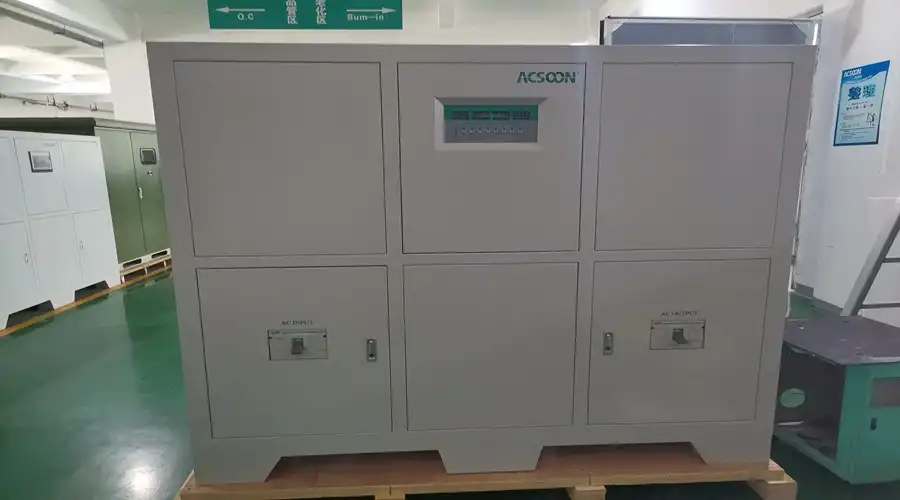
Comparing Frequency Converter Solutions for 60 Hz to 400 Hz Conversion
When procurement professionals know why static frequency converters are better than other technologies, they can make choices that improve both performance and total cost of ownership. Depending on the needs of the program, the operational environment, and the budget, each technology has its own benefits.
Static Frequency Converters vs Motor-Generator Sets
The comparison between electronic frequency converters and rotating machinery reveals significant operational differences that impact long-term performance and maintenance requirements. Here are the primary advantages of static conversion technology:
• Maintenance Requirements: Electronic converters eliminate rotating components, reducing maintenance schedules and eliminating the need for bearing replacement, lubrication, and mechanical alignment procedures typical of motor-generator systems.
• Footprint and Installation: Compact designs require minimal floor space and simplified installation procedures, often reducing facility preparation costs by 40-60% compared to rotating alternatives.
• Noise Levels: Silent operation enables installation in noise-sensitive environments without acoustic enclosures or vibration isolation systems required for motor-generator units.
• Response Time: Instantaneous frequency adjustment capabilities support dynamic load changes and rapid startup sequences critical for automated production systems.
In business settings, these benefits directly lead to less complicated operations and higher system reliability. Getting rid of mechanical wear parts increases service life and lowers the need for extra parts inventory.
Cost Analysis and Return on Investment
To find an investment's true economic value, you have to look at both its original capital cost and its lifecycle operating costs. When compared to mechanical alternatives, static frequency converters—such as frequency converters for 60 to 400 Hz applications—usually have a lower total cost of ownership because they require less upkeep, are more efficient, and last longer.
When compared to motor-generator systems, systems that use 10-15% less energy mean big savings on utility costs for uses that run all the time. The modular design of electronic converters also makes it easy to add more capability or new technology without having to replace the whole system.
Procuring Custom Frequency Converter 60 to 400 Hz Power Solutions
To buy industrial frequency conversion tools successfully, you need to carefully look at the supplier's skills, technical details, and infrastructure for after-sales support. Because these systems are so complicated, it's important to pay close attention to certification standards, the ability to make changes, and delivery dates that work with project schedules.
Supplier Evaluation and Certification Verification
To form partnerships with skilled manufacturers, you have to carefully check their technical knowledge, quality management systems, and compliance with regulations. Reliable suppliers keep their ISO 9001 certification up to date, show a lot of experience with applications, and back up their goods with a lot of technical documentation.
The process of evaluating should look at the company's manufacturing skills, such as its in-house design knowledge, how it gets its parts, and how it checks the quality of its products. Suppliers like Xi'an Jerrystar Instrument Co., Ltd. have over 15 years of experience in flight, military, and industrial power systems, which they use to make sure their products are reliable and meet strict performance standards.
Custom Configuration and Technical Specifications
For industrial uses, custom solutions are often needed that take into account power needs, environmental factors, and control interfaces. The process of customization starts with a thorough study of the application, which includes looking at things like load characteristics, duty cycle needs, and integration issues.
Input/output parameters, efficiency ratings, harmonic distortion limits, and environmental operating ranges must all be included in the technical specs. OEM configurations are supported by the ACSOON brand, and modifications can be made to meet the specific needs of an application while still meeting safety and efficiency standards.
Lead Times and Supply Chain Management
For project planning to work, delivery schedules need to be sensible and take into account things like engineering review, manufacturing processes, and quality assurance testing. Standard configurations usually ship between 4 and 6 weeks, while custom designs can take 8 to 12 weeks, based on how complicated they are and how quickly they can be made.
Throughout the lifecycle of an item, inventory management strategies should take into account the availability of important spare parts and the ease of getting technical help. Manufacturers who keep enough stock on hand can meet pressing deployment needs and make sure that products are always available for multi-phase installations.
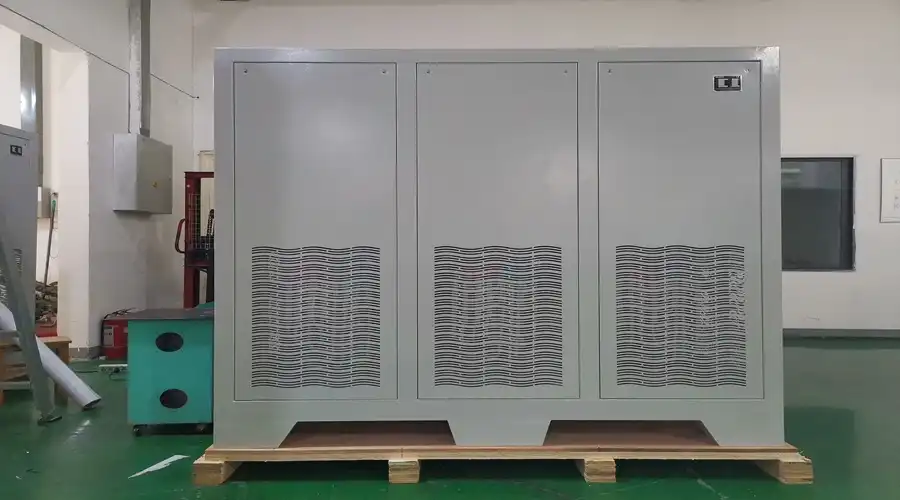
Industry Applications and Benefits of Custom Frequency Conversion
Modern frequency conversion technology is very flexible, so it can be used in many different industrial areas where power compatibility issues would normally make it hard to choose the right equipment and be flexible in how it is used. These uses show why it's a good idea to spend money on advanced power conversion options.
Aviation and Defense Applications
Frequency control is very important for military and space activities because they use sensitive electronics and ground support equipment. By converting between power standards, foreign test equipment, maintenance systems, and specialized instruments can work without any problems, no matter what the local grid frequency is.
Defense applications have very strict reliability standards that are a perfect match for the strong design features of industrial-grade frequency converters. These systems make sure that the power stays stable, which is important for radar systems, communication tools, and accurate manufacturing tools used to make aerospace parts.
Manufacturing and Industrial Automation
Equipment used in global manufacturing operations often comes from more than one area. This can cause frequency compatibility issues—such as needing a frequency converter for 60 to 400 Hz—that lower the efficiency of production and shorten the life of equipment. Custom frequency conversion lets foreign machinery be used to its fullest potential while still meeting operational and warranty requirements.
Electronic converters are useful for industrial automation systems because they can precisely control frequencies and respond quickly. These features help with controlling motors at different speeds, making sure that production lines work together, and using energy more efficiently to cut costs and make products better.
Marine and Offshore Operations
Maritime applications have special problems, like limited room, being exposed to the environment, and needing high-quality power for communication and navigation systems. Frequency converters make shore power work with electrical systems on board that are built for different frequency standards.
Modern converters are made to work in harsh settings like marine environments because they are small and protect the environment. Resistance to salt spray, shaking, and a wide range of temperatures ensures that the system works reliably for long periods of time.
Company Introduction and Solutions Overview
Xi'an Jerrystar Instrument Co., Ltd. is a leader in frequency conversion technology. They offer cutting-edge ACSOON brand solutions that meet the complex power needs of modern industrial processes. Because we care about engineering excellence and customer satisfaction, we've built strong relationships in the marine, aviation, military, and lab testing sectors.
Technical Expertise and Manufacturing Capabilities
Our engineering team has both a lot of basic knowledge and a lot of hands-on experience from installing thousands of successful systems around the world. The 5,000–10,000 square meter factory in Xi'an uses cutting-edge production technologies and thorough quality control systems to make sure that the products always work well and are reliable.
New technologies like advanced IGBT switching systems, intelligent monitoring tools, and modular designs that make upkeep and upgrades easier are the focus of research and development. These new products show that we want to keep up with changing industry needs while still providing the proven dependability that important applications need.
Comprehensive Product Portfolio and Services
The ACSOON product line includes frequency converters from small lab units to megawatt industrial installations. It also includes voltage and frequency stabilizers, ground power systems, and 400 Hz converters specifically made for use in flight. This wide range of products lets you buy everything you need for your power system from a single source.
In addition to supplying equipment, we also offer application engineering, installation support, help with commissioning, and ongoing expert support for the lifecycle of the equipment. This all-around method makes sure that the system works at its best while also keeping our customers' downtime and operational complexity to a minimum.
Strategic relationships with component suppliers and technology providers give customers access to the newest technologies while keeping prices low and delivery times consistent. Because of these partnerships, we can provide tailored solutions that perfectly meet the needs of each application without lowering the standards of quality or performance.
Conclusion
Custom frequency converter 60 to 400 Hz solutions represent essential infrastructure for modern industrial operations requiring global equipment compatibility and operational flexibility. The technical advantages of electronic conversion technology, combined with comprehensive supplier support and customization capabilities, deliver measurable value through improved efficiency, reduced maintenance requirements, and enhanced operational reliability. Investment in quality frequency conversion equipment provides long-term competitive advantages while enabling seamless integration of global technology resources.
FAQ
Q: How reliable are frequency converters for continuous 24/7 operation?
A: Modern static frequency converters achieve exceptional reliability through advanced semiconductor technology and intelligent thermal management systems. Industrial-grade units like the ACSOON AF60W-330250 support continuous operation with a mean time between failures exceeding 100,000 hours under normal operating conditions. Multiple cycle testing capabilities ensure consistent performance throughout extended duty cycles.
Q: What maintenance requirements should be expected for frequency conversion systems?
A: Electronic frequency converters require minimal maintenance compared to mechanical alternatives, typically involving periodic inspection of cooling systems, electrical connections, and control interfaces. Preventive maintenance schedules generally recommend annual inspections and component testing, with major overhauls required every 10-15 years, depending on operating conditions and load factors.
Q: How does frequency conversion impact long-term operational costs?
A: Frequency converters deliver significant cost savings through improved energy efficiency, reduced maintenance expenses, and extended equipment life. Efficiency ratings exceeding 85% translate to lower utility costs, while the elimination of mechanical components reduces spare parts inventory and maintenance labor requirements. These factors typically result in payback periods of 2-3 years for continuous-operation applications.
Partner with JERRYSTAR for Reliable Frequency Conversion Solutions
JERRYSTAR delivers proven frequency converter 60 to 400 Hz technology through our ACSOON brand, combining over 15 years of specialized expertise with comprehensive customization capabilities. Our manufacturing facility maintains adequate inventory for quick delivery while supporting custom configurations that address specific operational requirements. Contact our technical team at acpower@acsoonpower.com to discuss your frequency conversion needs and receive detailed specifications for our industrial-grade power solutions. As a trusted frequency converter 60 to 400 Hz manufacturer, we provide complete support from initial consultation through installation and ongoing service, ensuring optimal performance for your critical applications.
References
1. Institute of Electrical and Electronics Engineers. "IEEE Standard for Frequency Converters Used in Industrial Applications." IEEE Transactions on Industrial Electronics, 2022.
2. International Electrotechnical Commission. "Power Electronic Converter Systems and Equipment - Part 1: General Requirements and Test Methods." IEC Publication 61800-1, 2021.
3. American Society of Mechanical Engineers. "Performance Test Code for Frequency Converters and Motor-Generator Sets." ASME PTC 50-2019.
4. National Institute of Standards and Technology. "Guidelines for Power Quality Measurements in Industrial Frequency Conversion Applications." NIST Technical Publication 1250, 2022.
5. Industrial Electronics Society. "Advances in Static Frequency Conversion Technology for Global Manufacturing Applications." Annual Conference Proceedings, 2023.
6. Maritime and Offshore Engineering Council. "Power System Standards for Frequency Conversion in Marine Applications." Technical Bulletin MOE-2022-15.