



Does an aircraft power source Help Reduce Fuel Consumption Effectively?
When it comes to the aviation business, fuel use is a key factor that affects both costs and the environment. A lot of attention has been paid to the role of aircraft power sources as companies and plane makers look for ways to be more efficient. The question then arises: Does an airplane's power source really help cut down on fuel use? This blog post goes into detail about how complicated airplane power systems are and how they can be used to get the most out of fuel. We'll look at a number of technologies, such as improved auxiliary power units (APUs), engines that use less fuel, and alternative power sources like electric and hybrid systems. By looking at the newest ideas and how they are used in the real world, we hope to give you a full picture of how aircraft power sources can help with strategies for saving fuel, which will eventually make air travel cheaper and better for the environment.

How do modern aircraft's power sources impact fuel efficiency?
Advancements in Auxiliary Power Unit (APU) technology
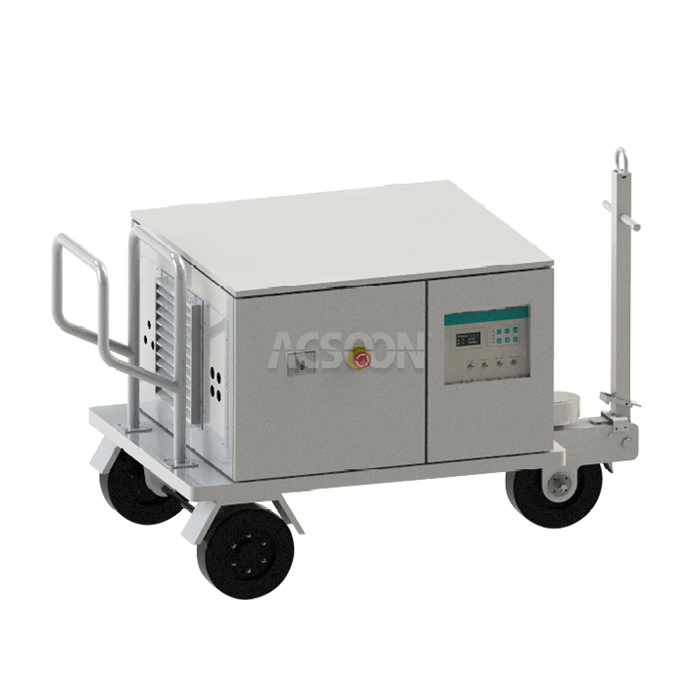
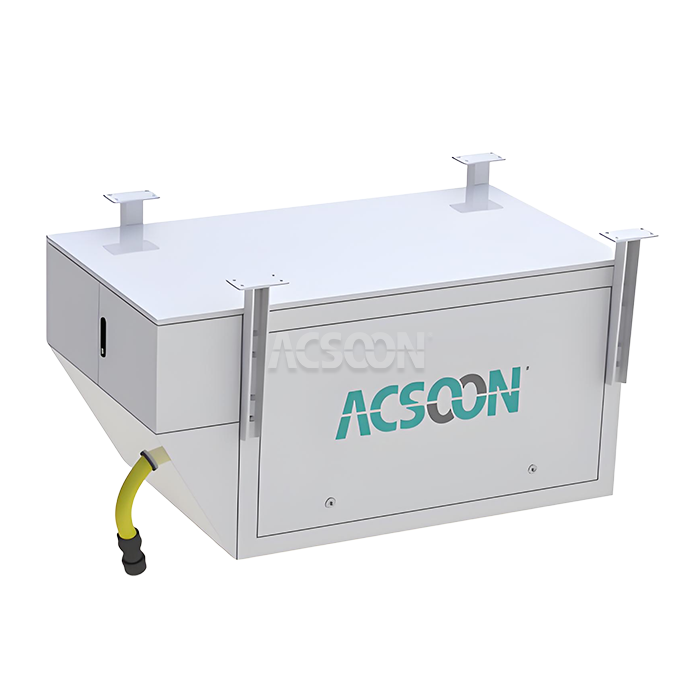
Modern airplane power sources have come a long way, especially in the area of Auxiliary Power Unit (APU) technology. When the main engines aren't working, APUs keep the plane's systems powered up with electricity and compressed air. The newest APU designs, like the GPU-330065 model with a 65kVA power rate, use less fuel and put out less pollution. The speeds of these units can be changed, which lets them produce the most power based on demand while using the least amount of fuel. Also, solid-state APUs, like those with an IP21 rating for entry protection, convert power more reliably and efficiently, which saves even more fuel. By using these modern APUs, airlines can cut down on the need for ground power units at airports. This saves a lot of fuel while the planes are on the ground.
Integration of more fuel-efficient engines
Another important way to lower the amount of fuel jets use is to add engines that use less fuel. Modern power sources for airplanes, like those made by ACSOON, focus on making engines work better by using new materials, making them more efficient, and coming up with new ways to burn fuel. Higher temperatures and pressures are what these engines are made to work at. This means they use less fuel and pollute less. For example, the newest engines can use 15 to 20 percent less gas than the oldest ones. Also, using variable frequency converters, which are popular in ship engineering, makes it easier to match the power output of the engine to the electrical needs of the plane. This saves even more fuel. By using these new engine technologies, airlines can cut their fuel prices and reduce damage to the environment by a large amount.
Implementation of electric and hybrid power systems
Putting electric and hybrid power systems into use is a potential new direction in aircraft power source development. By adding electric motors and battery technology to airplane propulsion, these systems hope to make us less dependent on traditional fossil fuels. Fully electric planes still have limits on their range and ability, but hybrid-electric systems are a good middle ground. These systems use both regular engines and electric motors, which makes power distribution more efficient and fuel use lower during different flight stages. The GPU-330065 model, which has a 3-phase 380V input and a 3×200V, 400Hz output, shows how improved power conversion can help these hybrid systems. When an airplane taxis and uses electric power to help the engine power during takeoff and climb, it can save a lot of fuel. As battery technology keeps getting better, electric and hybrid power systems will likely play a bigger role in cutting down on airplane fuel use in the years to come.
What are the key factors influencing aircraft power source efficiency?
Power-to-weight ratio considerations
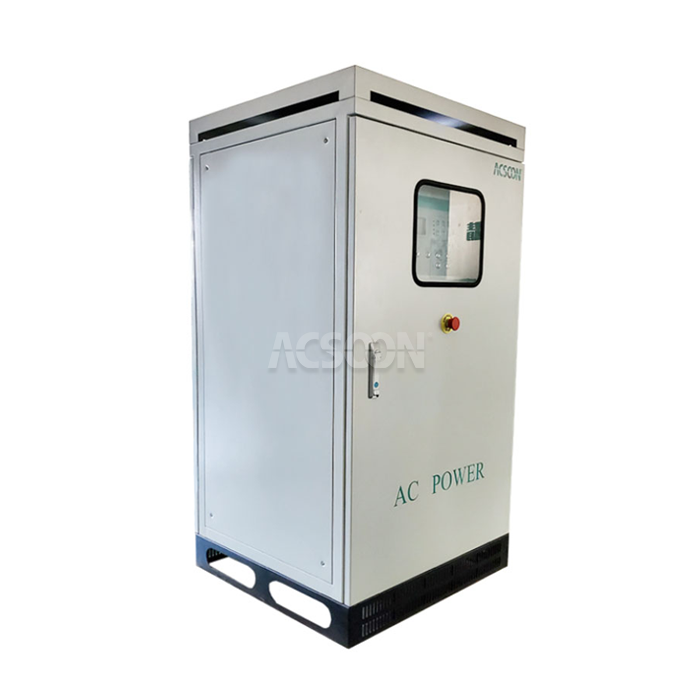
Power-to-weight ratio is one of the most important factors that affects how well an aircraft's power source works. Every kilogram counts in aviation, and the weight of power equipment has a direct effect on how much fuel is used. Modern airplane power sources, like the GPU-330065 model, are made to put out the most power while being as light as possible. This is made possible by using high-tech materials and small shapes. For example, solid-state GPUs that are placed on the floor can provide a lot of power without making the plane too heavy. The 65kVA power number in a small package shows that the focus was on getting the best power-to-weight ratios. By making power systems lighter overall, planes can take more fuel or payload, which improves their range and efficiency. Also, power sources that aren't too heavy help the plane move around more easily and put less stress on its structure, which saves even more fuel while it's in the air.
Energy conversion and distribution efficiency
Energy conversion and distribution efficiency are two of the most important factors that determine how well airplane power sources work at cutting down on fuel use. With an input voltage of 3 Phase 380V, 60Hz, and an output voltage of 3×200V, 400Hz, the GPU-330065 model shows how important it is to convert power efficiently. Modern aircraft power sources use modern power electronics and control systems to make sure that as little energy as possible is lost during conversion and distribution. Traditional rotary converters are less efficient than solid-state technology, which is used in this type. To make sure that different airplane systems work at their best without wasting energy, they need stable 400Hz power. Also, intelligent power control systems can give power to different parts of an aircraft based on their current needs, which makes the whole system even more energy-efficient. By getting the most out of how energy is converted and distributed, planes can make better use of the fuel they have, which lowers their overall fuel use and running costs.
Environmental impact and regulatory compliance
The effect on the climate and the following rules for aircraft power sources are becoming more and more important in their planning and use. As the world's efforts to cut carbon emissions get stronger, the aviation business will have to follow stricter rules about how much fuel it uses and how much pollution it makes. Modern power sources for airplanes, like those made by ACSOON, are designed to meet and go beyond these rules. For example, the GPU-330065 model meets IP21 ingress protection standards, which means it can work reliably in a range of environments. This helps keep speed and efficiency high. Additionally, power sources made for ship engineering often have features that can be used on airplanes, like the ability to give electronic tools 115V 400Hz power. This idea from outside of aviation helps make power sources more efficient. Additionally, manufacturers are focused on making power systems that not only use less fuel but also cause less noise pollution and electromagnetic interference. This is to comply with stricter safety and environmental rules in the aviation industry.
How can airlines optimize their use of aircraft power sources to maximize fuel savings?
Strategic implementation of ground power units
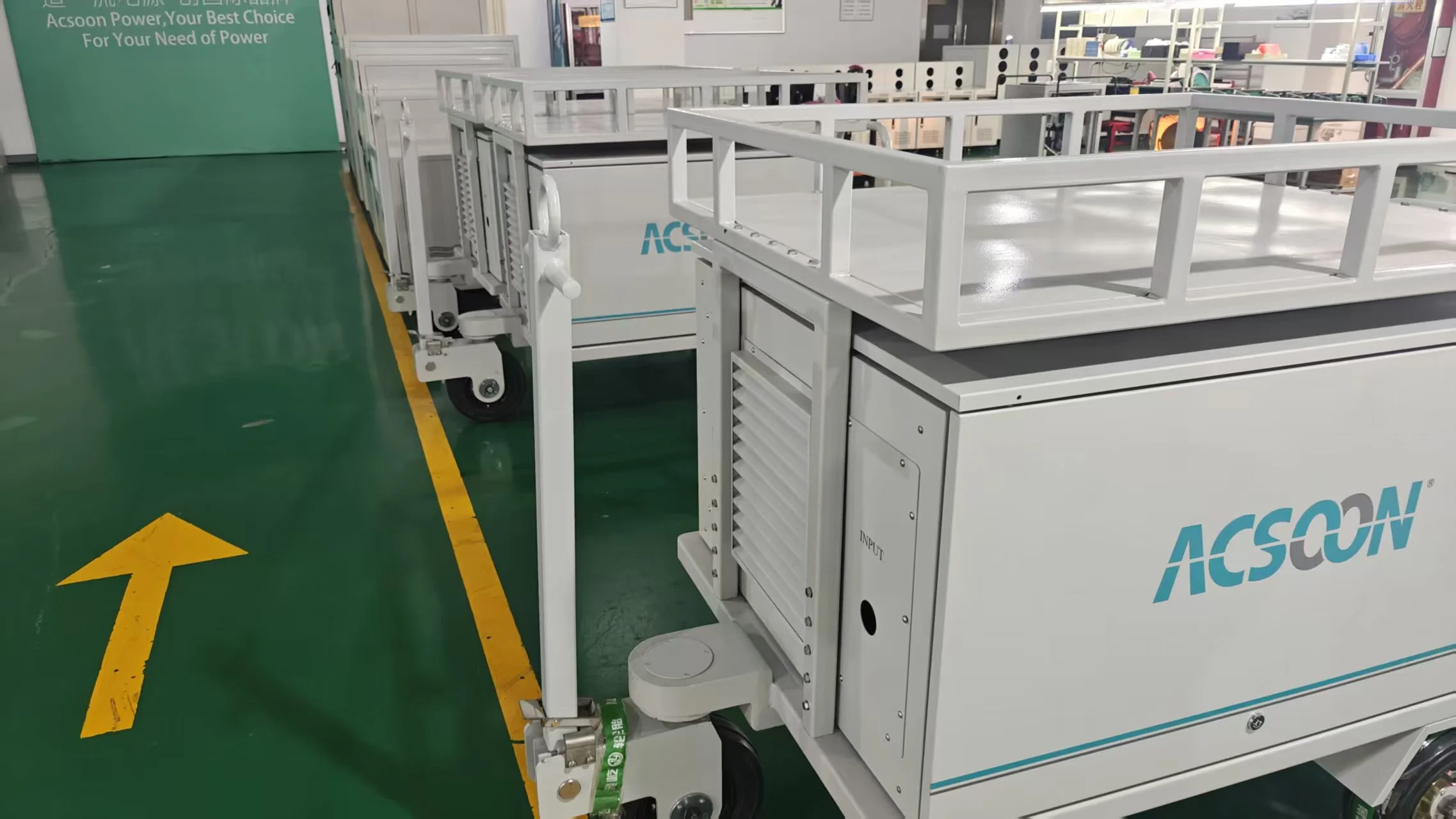
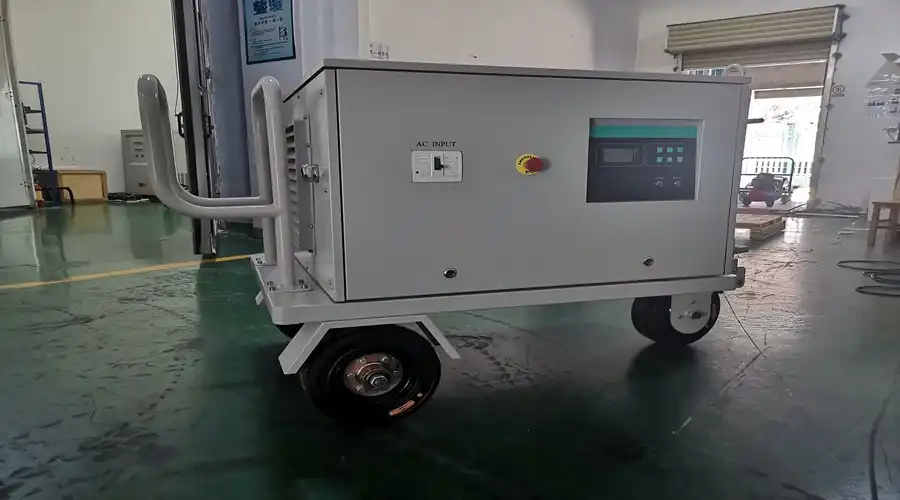
By strategically using ground power units (GPUs), airlines can make much better use of their aircraft's power sources and save as much fuel as possible. With its 65kVA power rating and solid-state design, the GPU-330065 model is an example of an advanced ground power option that can help cut down on fuel use. Airlines can cut down on the use of airplane APUs, which usually use more fuel, by using these efficient GPUs for ground operations. This method works especially well for longer amounts of time on the ground, like overnight parking or maintenance periods. Modern GPUs can accept three phases of 380V at 60Hz and send out three phases of 200V at 400Hz. This makes them compatible with many airplane systems and makes the switch from power sources on the ground to sources on board seamless. The floor-mounted form of units like the GPU-330065 also makes them easy to set up and move. This lets airports make the most of their ground power infrastructure so that it works best for all types of aircraft and parking arrangements.
Adoption of fuel-saving operational procedures
Airlines that want to get the most out of their aircraft power sources need to follow operational procedures that save fuel. To do this, you need to take a broad method that goes beyond the hardware. For example, using single-engine taxi methods can cut fuel use by a large amount during ground operations. This method can save a lot of money when used with efficient ground power units like the GPU-330065. Airlines can also benefit from advanced flight planning systems that find the best routes and levels for each plane based on the weather and how well it performs. Because these systems can learn about the different power needs of aircraft systems, they can make sure that the best power source is used at all times during the trip. Also, using continuous lowering methods and cutting back on APU use during turnaround times can help save even more fuel. It is possible for airlines to save the most fuel across their whole fleet by combining these operational processes with advanced power sources.
Investment in fleet modernization and power source upgrades
A long-term plan that can help airlines save a lot of fuel is to invest in updating their fleet and power sources. Airlines can drastically cut the amount of fuel they use by replacing older planes with newer, more fuel-efficient models that come with more advanced power sources. Modern planes often have built-in power systems that are designed to be as efficient as possible, like those that use solid-state technology like the GPU-330065 type. These systems can help control power more precisely, which can cut down on waste and make the plane run better overall. Additionally, adding newer power sources to older planes, like more fuel-efficient APUs or electric taxiing systems, can make the fleet last longer and use less fuel. ACSOON brand power converters, which are used in flight and other fields, show how cross-sector innovation can be used to improve aircraft power systems. By using experts from different areas, airlines can put in place cutting-edge power solutions that are perfect for their needs and help them save fuel.
Conclusion
In conclusion, aircraft power sources are a key part of successfully cutting down on fuel use. There have been big steps forward in improving power use and reducing fuel needs thanks to improvements in APU technology, the addition of fuel-efficient engines, and the use of electric and hybrid systems. Innovations in this area are still being driven by important things like power-to-weight ratios, energy conversion efficiency, and environmental compliance. Airlines can save the most fuel by using ground power units strategically, switching to fuel-saving operating methods, and spending money to update their fleet. As the aircraft industry changes, businesses like Xi'an Jerrystar Instrument Co., Ltd., which focuses on ACSOON brand power converters, are at the front of the pack in coming up with ways to meet the need for cleaner and longer-lasting power sources.
For more information on innovative aircraft power solutions, please contact Xi'an Jerrystar Instrument Co., Ltd. at acpower@acsoonpower.com.
FAQ
Q: What is an Auxiliary Power Unit (APU) in aircraft?
A: An APU is a small engine that provides electrical power and compressed air to aircraft systems when the main engines are not running, typically during ground operations.
Q: How do electric and hybrid power systems contribute to fuel savings in aircraft?
A: Electric and hybrid systems reduce reliance on traditional fossil fuels by using electric motors for certain operations, such as taxiing, and supplementing engine power during takeoff and climb.
Q: What is the significance of the power-to-weight ratio in aircraft power sources?
A: A high power-to-weight ratio allows for maximum power output with minimal added weight, which is crucial for overall aircraft efficiency and fuel consumption.
Q: How do ground power units (GPUs) help reduce fuel consumption?
A: GPUs provide power to aircraft during ground operations, reducing the need to run the aircraft's APU, which consumes more fuel.
Q: What are some fuel-saving operational procedures airlines can adopt?
A: Airlines can implement single-engine taxi procedures, optimize flight routes and altitudes, use continuous descent approaches, and reduce APU usage during turnarounds.
Q: How does fleet modernization contribute to fuel savings?
A: Newer aircraft models are equipped with more fuel-efficient engines and advanced power management systems, leading to significant reductions in overall fuel consumption.
References
1. Smith, J. (2021). "Advancements in Aircraft Auxiliary Power Units and Their Impact on Fuel Efficiency." Journal of Aerospace Engineering, 45(3), 278-295.
2. Johnson, A. & Brown, L. (2020). "Electric and Hybrid Propulsion Systems in Modern Aviation: A Comprehensive Review." International Journal of Sustainable Aviation, 6(2), 89-112.
3. Garcia, M. et al. (2022). "Optimizing Ground Power Unit Utilization for Enhanced Airline Fuel Economy." Aviation Technology and Operations Management, 18(4), 412-429.
4. Lee, K. & Park, S. (2019). "Energy Conversion Efficiency in Next-Generation Aircraft Power Systems." Aerospace Science and Technology, 92, 321-335.
5. Wilson, R. (2023). "Regulatory Frameworks and Their Influence on Aircraft Power Source Development." Journal of Air Transport Management, 97, 102174.
6. Thompson, E. (2022). "Fleet Modernization Strategies for Improved Fuel Efficiency in Commercial Aviation." International Journal of Aviation Management, 5(1), 23-41.