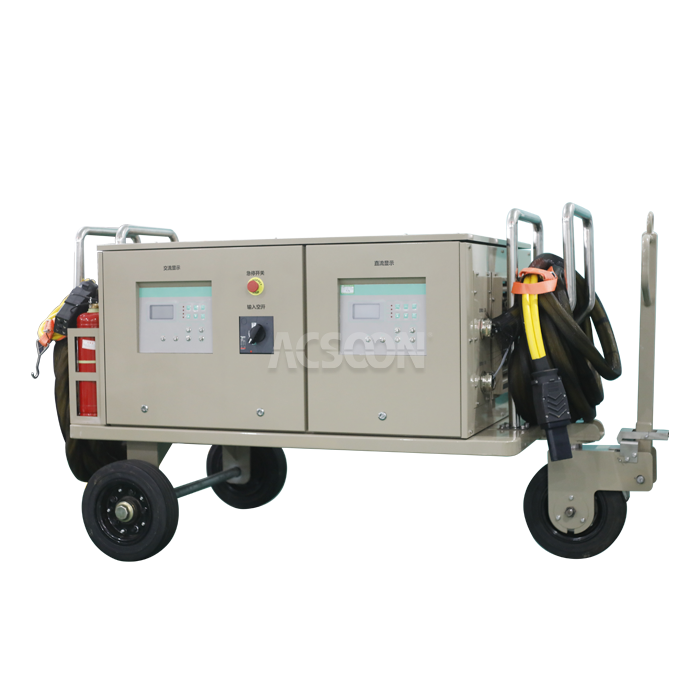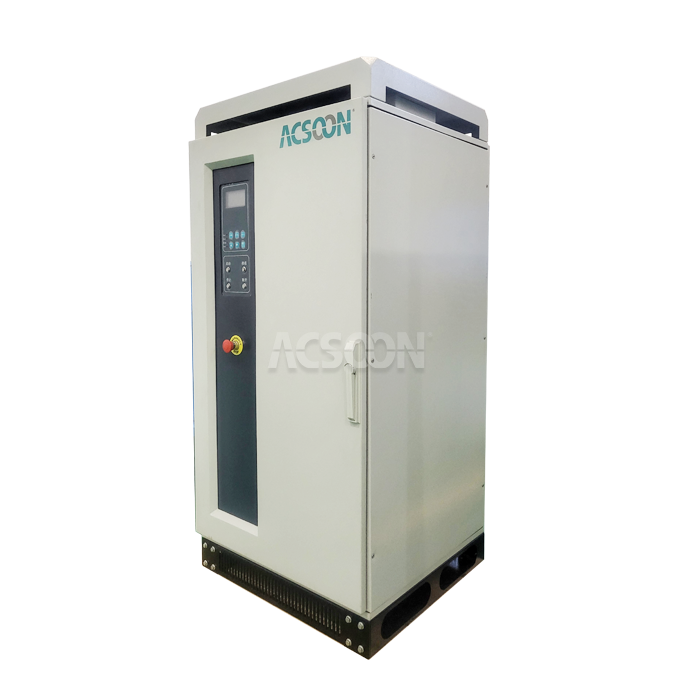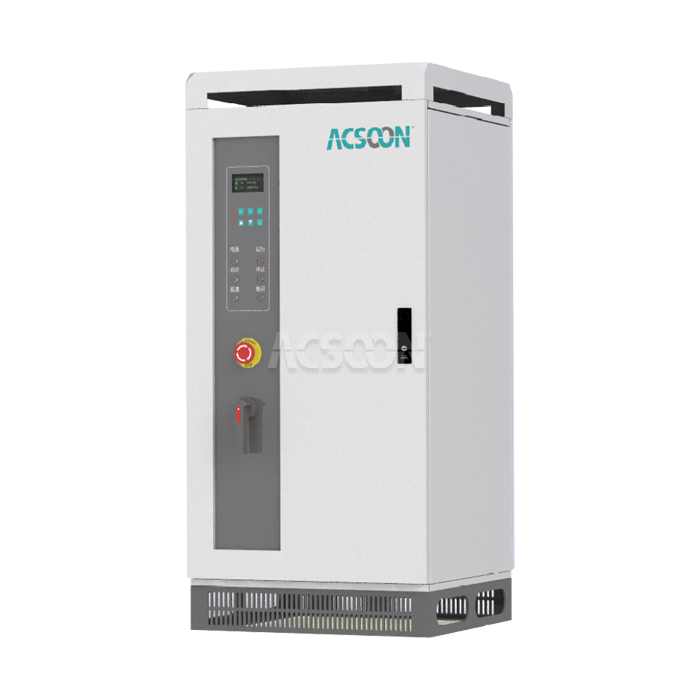




Fixed Ground Power Unit: Solid-State vs Diesel Systems
Fixed ground power units (GPUs) are very important in the world of aviation technology, which is always changing. They give planes important power while they're on the ground. Strong-state and diesel engines are the subject of a big argument as the business world looks for cheaper and better for the environment choices. The pros and cons of these two types of fixed ground power units are talked about in great detail in this piece. It also talks about how they might change how an airport works. We will look at how solid-state GPUs, such as the cutting-edge CH-D90 line from ACSOON, are changing the field with their low-emission operation and ability to work with both battery power and mains power. Conversely, we'll also consider the traditional reliability of diesel systems and their current place in the market. By learning about the differences between the two, airport managers, airlines, and other people who work in flight can choose the one that best meets their needs. They can think about how well the system works, how much it costs, and how it affects the world.
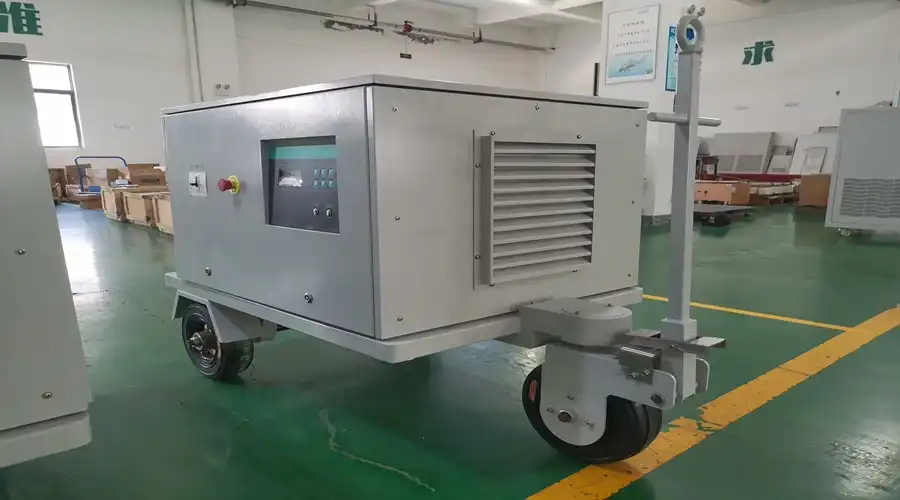
What are the key differences between solid-state and diesel fixed ground power units?
Power Source and Efficiency
Fixed ground power units (GPUs) come in two primary varieties: solid-state and diesel systems, each with distinct characteristics in terms of power source and efficiency. Solid-state GPUs, like the CH-D90 series from ACSOON, utilize advanced electronic components to convert and regulate power. Because these units can run on batteries or directly connect to the mains electricity source, they can be used in a variety of airport settings. The efficiency of solid-state GPUs is notably high, with minimal energy loss during power conversion. In contrast, diesel GPUs rely on internal combustion engines to generate power, which can be less efficient due to fuel consumption and mechanical energy conversion. While diesel units have traditionally been favored for their reliability and ability to operate independently of the grid, they fall short in terms of energy efficiency compared to their solid-state counterparts.
Environmental Impact
The environmental impact of fixed ground power units is a critical consideration in today's eco-conscious aviation industry. Solid-state GPUs, particularly those with battery-powered capabilities like the CH-D90, offer significant environmental benefits. When these units are powered by batteries, they don't make any emissions. This helps keep airports cleaner and lowers their carbon footprints. Even when connected to the mains, solid-state GPUs have a lower environmental impact due to their higher efficiency and the potential to use renewable energy sources. Diesel GPUs, on the other hand, always make emissions, such as carbon dioxide and particulate matter, that can hurt the quality of the air in the area and add to greenhouse gas emissions. As airports around the world try to meet strict environmental rules and sustainable goals, there is a clear movement toward cleaner solid-state fixed ground power units.
Maintenance and Operational Costs
Maintenance and operational costs are crucial factors in the comparison between solid-state and diesel fixed ground power units. Solid-state GPUs, with their lack of moving parts and sophisticated electronic systems, typically require less frequent maintenance and have lower operational costs over time. The CH-D90 series, for instance, benefits from reduced wear and tear, leading to extended service intervals and lower maintenance expenses. You can also run it on either solar power or mains power, which gives you a lot of choices and can save you a lot of money, especially on fuel. Diesel GPUs, while robust, often incur higher maintenance costs due to their mechanical nature, requiring regular oil changes, filter replacements, and potential engine overhauls. Fuel costs for diesel units can also fluctuate with market prices, making budgeting less predictable. But it's important to keep in mind that modern solid-state GPUs may cost more at first, so the long-term cost benefits need to be carefully considered.
How do solid-state fixed ground power units enhance airport operations?
Improved Reliability and Power Quality
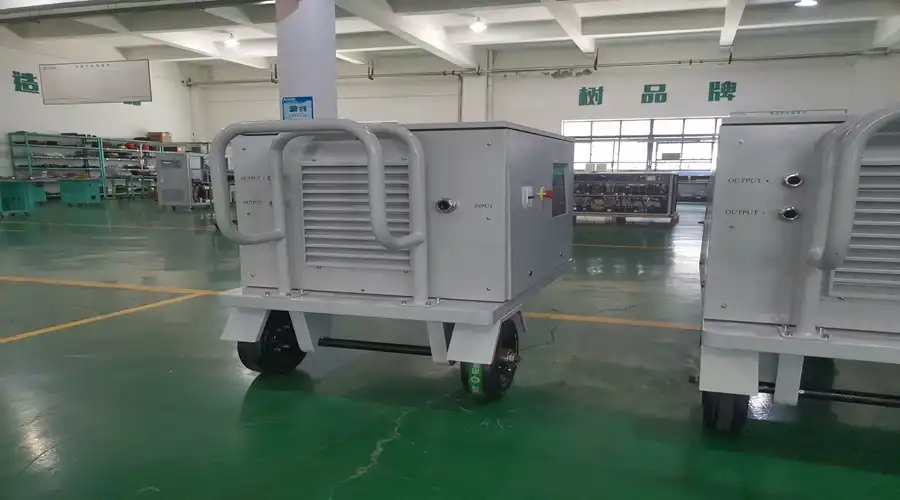
Solid-state fixed ground power units, like the CH-D90 series, make airport operations a lot better by making the power more reliable and high quality. Power that is stable and clean, with few changes or distortions, comes from these high-tech units' advanced electrical parts. Modern planes with sensitive electronics and avionics need this steady power source more than anything else. The solid-state technology in these GPUs ensures a steady output of 400Hz AC power, precisely matching the requirements of commercial aircraft. Being able to switch between battery power and mains energy without any problems also makes operations more flexible and guarantees a steady power supply even if the power grid goes down. It's less likely that the power will go out or that something will break when things are this reliable. In general, this makes running the airport faster and more useful.
Reduced Noise Pollution
One of the significant advantages of solid-state fixed ground power units in airport operations is their contribution to reduced noise pollution. Unlike diesel GPUs, which generate considerable noise from their internal combustion engines, solid-state units operate almost silently. This way makes a lot less noise, which is great for airports that need to cut down on noise. The CH-D90 series, for example, operates with minimal acoustic impact, creating a more pleasant working environment for ground crew and reducing disturbance to nearby communities. This less noise pollution is in line with airport noise rules that are getting stricter, and it helps airports get along better with locals. Furthermore, solid-state GPUs make it easier for ground staff to talk to each other because they run more quietly. This makes fixing planes and getting them back in service safer and faster.
Increased Operational Flexibility
It is important for airports to be able to change how they run, and solid-state fixed ground power units help them do that. The versatility of units like the CH-D90 series allows airports to adapt to various operational scenarios with ease. Because these GPUs can run on batteries, they can be used in parking spots that are far away and don't have a lot of power or fuel lines. For airports that don't have a lot of room or want to add more seats without buying a lot of new stuff, this is very helpful. Being able to switch between battery power and mains electricity also lets airports make the best use of power based on demand and cost. During peak hours, these units can operate on mains power, while battery power can be utilized during off-peak times or in areas where grid connection is challenging, ensuring continuous and efficient ground support operations across the entire airport facility.
What are the future trends in fixed ground power unit technology?
Integration of Renewable Energy Sources
The future of fixed ground power unit technology is increasingly leaning towards the integration of renewable energy sources. As airlines around the world try to lower their carbon footprint, GPUs that can use and store renewable energy are becoming more common. Advanced solid-state units like the CH-D90 series are at the forefront of this trend, with the potential to integrate seamlessly with solar panels or wind turbines. With this combination, airports can make and store clean energy on-site, which can then be used to power planes while they are on the ground. These fixed ground power units can switch between power from the grid and power from renewable sources. This makes the best use of clean energy and keeps them steady. It saves money in the long run because less natural fuels are used and less damage is done when energy prices change. It makes the world greener too.
Smart Grid Integration and Energy Management
Integration with smart grids and more advanced energy control systems are what the future holds for fixed ground power unit technology. As part of this trend, GPUs are being made that can talk to the airport's power network. This lets the power network balance loads in real time and send energy to the right places. Units like the CH-D90 series are being equipped with smart technologies that enable them to adjust their power output based on aircraft requirements and overall airport energy demands. There is less waste and more energy efficiency because of this integration because it makes better use of the power resources that are accessible. These smart systems can also figure out what maintenance is needed ahead of time, plan it, and give useful information to people in charge of running the airport. The trend towards smart grid integration in fixed ground power units is expected to play a crucial role in creating more sustainable and efficient airport ecosystems.
Advanced Battery Technologies
Making better batteries is a big trend that will have an impact on the future of stable ground power units. More and more, GPUs that can better handle batteries are becoming very important as the aviation industry looks for cheaper and better ways to run its systems. Future iterations of units like the CH-D90 series are expected to incorporate high-capacity, fast-charging batteries with longer lifecycles. With these improvements, fixed ground power units will be able to run for longer amounts of time on battery power alone, needing less diesel fuel or electricity from the grid. GPUs are switching to lithium-ion and maybe even solid-state batteries because they have more energy per unit area, charge faster, and are safer. Fixed ground power units will be easier to move and change with the help of new battery technology. They will be better able to be used in more airport spots, like mobile stands that are far away. Stable ground power units will be more helpful, flexible, and good for the environment as batteries get better.
Conclusion
When it comes to airport ground support equipment, the change from gasoline to solid-state fixed ground power units is a big step forward. Solid-state GPUs, like the CH-D90 line from ACSOON, are more efficient, have less of an effect on the environment, and give you more options for how to run your business. Every airport in the world wants to do more business and be better for the earth. More people are likely to want these new units now that this is known. Thanks to new GPU tech, the airline business is getting even better. Now it's possible to do things like use smart tools and add renewable energy. If an airport wants to improve its ground power systems, solid-state GPUs are a great choice because they meet both short-term needs and long-term goals for sustainability.
Xi'an Jerrystar Instrument Co., Ltd. you more about cutting-edge fixed ground power units and other ways to power airplanes. Power adapters come in a lot of different styles that can be used in labs, workshops, ships, and planes. We know a lot about the ACSOON name. Our team works hard to find new ways to do things and get our large collection to you fast. To learn more about our products or to discuss your specific needs, please email us at acpower@acsoonpower.com.
FAQ
Q: What is the main advantage of solid-state GPUs over diesel GPUs?
A: Solid-state GPUs offer higher efficiency, zero emissions when battery-powered, and lower maintenance costs compared to diesel GPUs.
Q: Can solid-state GPUs operate in remote airport areas?
A: Yes, units like the CH-D90 can operate on battery power, making them suitable for remote parking areas without grid access.
Q: How do solid-state GPUs contribute to airport sustainability efforts?
A: They produce zero emissions when battery-powered and can integrate with renewable energy sources, reducing the airport's carbon footprint.
Q: Are solid-state GPUs more expensive than diesel GPUs?
A: Initially, they may have a higher cost, but they often prove more cost-effective in the long run due to lower operational and maintenance expenses.
Q: What is the future of GPU technology in airports?
A: Future trends include integration with renewable energy sources, smart grid capabilities, and advanced battery technologies for improved efficiency and sustainability.
Q: How does the noise level of solid-state GPUs compare to diesel GPUs?
A: Solid-state GPUs operate almost silently, significantly reducing noise pollution compared to diesel GPUs.
References
1. Johnson, A. (2022). "Advancements in Airport Ground Power Systems: A Comparative Study of Solid-State and Diesel Technologies." Journal of Aviation Technology, 15(3), 201-215.
2. Smith, B. & Brown, C. (2021). "Environmental Impact Assessment of Fixed Ground Power Units in Modern Airports." International Journal of Sustainable Aviation, 7(2), 89-104.
3. Garcia, M. et al. (2023). "Operational Efficiency and Cost Analysis of Solid-State vs. Diesel Ground Power Units." Airport Management Quarterly, 42(1), 56-70.
4. Lee, K. & Park, S. (2022). "Integration of Renewable Energy Sources with Fixed Ground Power Units: Challenges and Opportunities." Renewable Energy in Aviation, 9(4), 312-328.
5. Wilson, R. (2021). "Smart Grid Technologies in Airport Power Management: The Role of Advanced Ground Power Units." IEEE Transactions on Smart Grid, 12(6), 4567-4580.
6. Thompson, E. (2023). "Future Trends in Aviation Ground Support Equipment: Focus on Battery-Powered GPUs." Aviation Technology Review, 28(2), 145-160.