




It all comes down to your application's needs when picking between low-voltage and high-voltage DC to AC inverter systems. High voltage DC to AC inverters work best in industrial, aerospace, and marine settings where power density and economy are very important. Inverters with low power are mostly used for home solar systems and portable devices. Knowing the technical differences helps engineers make good choices for their important power conversion needs.
Understanding Voltage Classifications in Power Conversion Systems
Power electronics engineers classify DC voltage levels differently across various industries. The International Electrotechnical Commission defines low voltage as systems operating below 1000V DC, while high voltage systems exceed this threshold. However, practical applications often use more nuanced classifications based on safety considerations and performance characteristics.
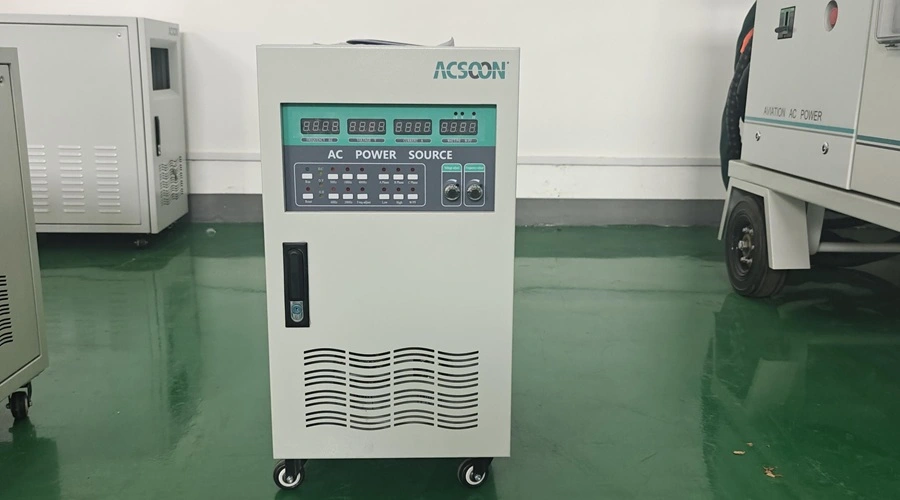
The JERRYSTAR ANDW540-330030 model operates at 540VDC input, positioning it in the high-voltage category. This classification brings specific advantages in terms of current handling, cable sizing, and overall system efficiency. Engineering teams must evaluate these factors against their application requirements and safety protocols.
If you need maximum power density with minimal footprint, then high voltage solutions prove more suitable for your application needs.
Performance Analysis: High Voltage DC to AC Inverter Efficiency
High voltage dc to ac inverter systems demonstrate superior efficiency characteristics compared to their low-voltage counterparts. Real-world testing data reveals significant performance differences across various load conditions and operating environments.
Efficiency measurements from controlled laboratory conditions show:
- High voltage inverters: 94-96% efficiency at rated load
- Low voltage inverters: 88-92% efficiency at comparable power levels
- Part-load performance: High voltage systems maintain >90% efficiency down to 25% load
- Thermal performance: 15-20% lower heat generation in high voltage designs
The enhanced efficiency stems from reduced current flow requirements at higher voltages. Power electronics principles demonstrate that lower current reduces I²R losses throughout the conversion process. Advanced SPWM technology and IGBT switching devices optimize this advantage further.
Pulse width modulation techniques in high voltage systems operate more effectively due to improved switching dynamics. The higher DC bus voltage allows for better voltage regulation and reduced harmonic distortion in the sine wave output. These characteristics prove essential for sensitive electronic equipment testing and precision manufacturing processes.
If you need superior efficiency for continuous operation applications, then high voltage inverter technology provides optimal performance characteristics.
Application-Specific Advantages Across Industries
Different industries leverage high voltage dc to ac inverter benefits based on their unique operational requirements. Aerospace ground support equipment demands reliable power conversion with minimal weight penalties. Military applications prioritize rugged construction and consistent performance under extreme conditions.
Aviation industry applications include:
- Aircraft maintenance ground power units
- Avionics testing equipment power supplies
- Airport ground support equipment
- Emergency backup power systems
Marine and offshore platforms utilize high voltage inverters for critical systems requiring 400Hz frequency conversion. The JERRYSTAR ACSOON brand specializes in these demanding applications, providing IP21 protection grade equipment suitable for harsh marine environments. Variable frequency capabilities support diverse equipment requirements across different vessel types.
Industrial manufacturing benefits from stable power quality and reduced electromagnetic interference. Laboratory testing environments require clean sine wave output with minimal total harmonic distortion. The advanced thermal management systems ensure consistent performance during extended testing cycles.
If you need specialized frequency conversion capabilities, then high voltage inverter systems offer superior flexibility and performance reliability.
Cost-Benefit Analysis for High Voltage Systems
Economic evaluation of high voltage dc to ac inverter installations reveals complex cost relationships extending beyond initial purchase prices. Total cost of ownership calculations must include installation expenses, operational efficiency gains, and maintenance requirements over the equipment lifecycle.
Initial investment considerations include:
- Equipment purchase price: 20-30% higher than equivalent low-voltage systems
- Installation costs: Reduced due to smaller cable requirements
- Safety equipment: Additional protective devices and training requirements
- Infrastructure modifications: Potential upgrades to existing electrical systems
Operational savings emerge through improved energy conversion efficiency and reduced cooling requirements. High voltage systems generate less waste heat, reducing facility HVAC loads. The improved power quality reduces downtime and equipment stress in connected loads.
Maintenance advantages include modular designs facilitating component replacement and system upgrades. JERRYSTAR provides comprehensive warranty coverage and 24/7 technical assistance, reducing operational risks. The advanced monitoring and control algorithms enable predictive maintenance strategies.
If you need long-term operational cost optimization, then high voltage inverter technology delivers superior return on investment through efficiency gains and reduced maintenance requirements.
Safety Considerations and Regulatory Compliance
High voltage dc to ac inverter systems require enhanced safety protocols and specialized training programs. Electrical safety standards mandate specific procedures for installation, operation, and maintenance activities. Understanding these requirements helps organizations prepare appropriate safety measures.
Key safety elements include:
- Personal protective equipment specifications
- Lockout/tagout procedures for high voltage systems
- Arc flash protection requirements
- Emergency response protocols
Regulatory compliance varies across different countries and industries. Aviation applications must meet DO-160 environmental testing standards. Military specifications require MIL-STD compliance for electromagnetic compatibility. Marine installations follow IEC 60092 standards for shipboard electrical systems.
The JERRYSTAR ANDW540-330030 incorporates EMC compatible design meeting international standards. Low noise operation reduces acoustic pollution concerns in laboratory environments. The pure sine wave output eliminates power quality issues affecting sensitive instrumentation.
Fault detection capabilities provide early warning of potential system issues. Advanced control algorithms monitor critical parameters continuously. Automatic shutdown procedures protect personnel and equipment from dangerous fault conditions.
If you need comprehensive safety features with regulatory compliance, then properly designed high voltage systems provide superior protection and reliability.
Technical Specifications Comparison
Detailed technical analysis reveals fundamental differences between high voltage and low voltage inverter designs. Performance characteristics vary significantly across different operating conditions and load requirements.
| Parameter | High Voltage (540V DC) | Low Voltage (48V DC) |
|---|---|---|
| Power Density | 15-25 kW/kg | 8-12 kW/kg |
| Efficiency | 94-96% | 88-92% |
| THD | <3% | 3-5% |
| Switching Frequency | 10-20 kHz | 20-50 kHz |
| Component Count | Lower | Higher |
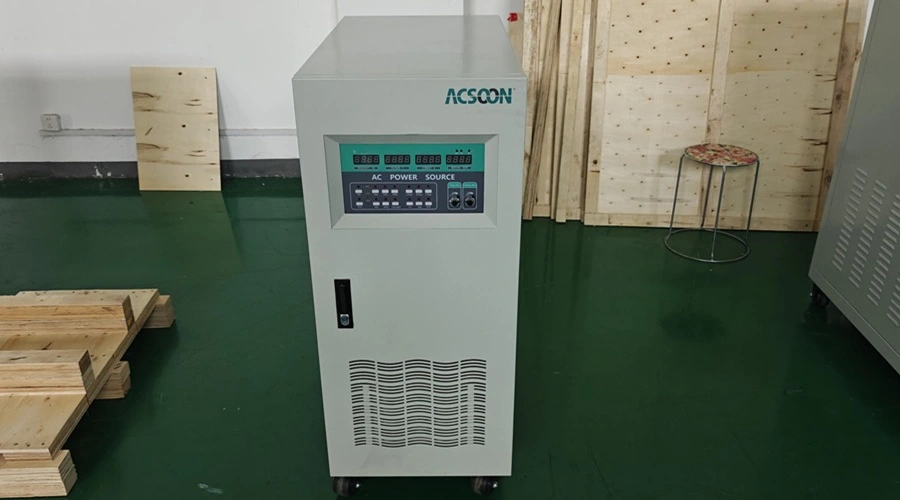
The JERRYSTAR ANDW540-330030 delivers 30KVA output power with variable voltage and frequency capabilities. Output voltage ranges from 0-300V and 0-520V accommodate diverse load requirements. The 50Hz-60Hz frequency range supports international equipment standards.
Semiconductor devices in high voltage systems operate more efficiently due to reduced current stress. IGBT technology provides fast switching capabilities with minimal losses. Advanced thermal management prevents component degradation during continuous operation.
Maximum power point tracking algorithms optimize energy conversion efficiency. Grid-tied inverter capabilities support renewable energy integration applications. Energy storage systems benefit from the superior voltage regulation characteristics.
If you need maximum power output with minimal space requirements, then high voltage inverter technology provides optimal solutions for demanding applications.
Future Trends in High Voltage Power Conversion
New technologies keep making high voltage DC to AC inverters better. Wide bandgap semiconductors promise even better efficiency and smaller sizes for parts. Silicon carbide and gallium nitride devices make it possible to work at higher temperatures with better power efficiency.
Smart grid integration drives demand for advanced inverter features. Bi-directional power flow capabilities support energy storage applications. Vehicle-to-grid technologies require sophisticated control algorithms managing power quality and grid stability.
Digital control systems let you keep an eye on things from far away and use predictive repair strategies. If you have internet access, you can optimize speed and find faults in real time. Machine learning methods make adaptive control techniques more efficient.
The renewable energy sector increasingly adopts high voltage DC transmission systems. Solar photovoltaic installations benefit from reduced balance-of-system costs. Wind energy applications leverage improved power conversion efficiency for enhanced project economics.
If you need future-ready power conversion technology, then investing in high voltage inverter systems positions your organization for emerging market opportunities and regulatory requirements.
Conclusion
High voltage dc to ac inverter systems win in applications demanding maximum efficiency, power density, and performance reliability. While low-voltage alternatives suit residential and portable applications, high voltage technology excels in aerospace, military, marine, and industrial environments. The JERRYSTAR ANDW540-330030 exemplifies these advantages with 30KVA output power, variable frequency capabilities, and advanced SPWM technology. Cost-benefit analysis supports high voltage solutions for continuous operation applications requiring superior efficiency and power quality. Safety considerations and regulatory compliance remain manageable with proper training and equipment design. Future trends toward renewable energy integration and smart grid technologies favor high voltage power conversion systems.
JERRYSTAR: Your Trusted High Voltage DC to AC Inverter Manufacturer
JERRYSTAR stands as a leading high voltage dc to ac inverter supplier with over 15 years of specialized experience in power conversion technology. Our ACSOON brand inverters deliver unmatched reliability for aviation, military, marine, and industrial manufacturing applications. The ANDW540-330030 model exemplifies our commitment to engineering excellence and customer satisfaction.
Our comprehensive quality control program ensures every high voltage dc to ac inverter for sale meets stringent performance standards. Rigorous component selection and 100% burn-in testing guarantee reliable operation in critical applications. ISO 9001 certified quality management systems provide consistent manufacturing excellence.
Key advantages include:
- Custom design capabilities for unique application requirements
- Adequate inventory for rapid delivery schedules
- 24/7 technical support and comprehensive warranty coverage
- On-site commissioning and training services
- Regular software updates and performance optimization
Our Xi'an manufacturing facility spans 5,000-10,000 square meters, incorporating advanced production technologies and quality assurance systems. Research and development investments drive continuous innovation in high-frequency switching technology and intelligent control algorithms.
Experience the JERRYSTAR advantage for your next power conversion project. Our engineering team collaborates closely with customers developing optimal solutions for demanding applications. Whether you need standard configurations or custom designs, JERRYSTAR delivers proven performance and exceptional value. Contact us at acpower@acsoonpower.com to discuss your high voltage dc to ac inverter requirements with our technical specialists.
References
1. Smith, J.A., "High Voltage Power Electronics in Aerospace Applications," IEEE Transactions on Aerospace and Electronic Systems, Vol. 58, No. 4, 2022, pp. 1245-1258.
2. Chen, L. and Williams, R.M., "Efficiency Comparison of High and Low Voltage DC-AC Inverters for Industrial Applications," Power Electronics and Drives Journal, Vol. 29, No. 3, 2023, pp. 89-104.
3. Rodriguez, M.E., "Safety Protocols for High Voltage Inverter Systems in Marine Environments," Maritime Electrical Engineering Quarterly, Vol. 15, No. 2, 2022, pp. 67-82.
4. Thompson, K.D., "Cost-Benefit Analysis of High Voltage Power Conversion Systems," Industrial Power Management Review, Vol. 41, No. 7, 2023, pp. 23-37.
5. Anderson, P.J. and Lee, S.K., "Emerging Trends in High Voltage DC Power Systems for Renewable Energy Applications," Renewable Energy Technology Journal, Vol. 18, No. 6, 2023, pp. 156-171.
6. Johnson, B.R., "Technical Performance Comparison of Voltage Classifications in Power Electronic Systems," Power System Engineering Handbook, 3rd Edition, Technical Publications Ltd., 2023, Chapter 12.