




How Do Solid State Frequency Converters Reduce Downtime?
Solid state frequency converters cut down on downtime by getting rid of parts that wear out over time and using semiconductor technology to make frequency conversions that are consistent and accurate. Unlike rotary or motor-generator systems, these electronic devices can quickly change the way power is used without any moving parts. This means they break down less often and need less upkeep. Because they can output stable voltage and frequency, they protect linked equipment from power fluctuations that often lead to unexpected breakdowns. This dependability is very useful in places like airline ground support, marine uses, and industrial testing, where every minute of uninterrupted operation is crucial.
Understanding Solid State Frequency Converters and Downtime Reduction
The way that factories handle power conversion problems has changed a lot because of solid state frequency converter. These units work with advanced semiconductor parts called IGBTs and power transistors that change the frequency of electricity without using moving parts. Using a rectifier, the technology takes in AC power, changes it to DC, and then flips it back to AC at the right frequency and voltage. In milliseconds, this process completes and sends waves with great accuracy.
How Electronic Components Eliminate Mechanical Failure Points
Traditional rotating converters use motors, bearings, and connection devices that break down over time when they are used all the time. Each mechanical interface adds a possible point of failure that needs regular upkeep and can lead to unexpected stops in the process. Solid-state frequency converter systems don't have any of these flaws. Since there are no brushes, slip rings, or spinning masses, there is nothing mechanical that can wear out. From working with clients in aerospace testing sites, we know that moving from motor-generator sets to solid state frequency converters cuts down on maintenance-related downtime by 60% in the first year.
Precision Output Characteristics That Stabilize Equipment Performance
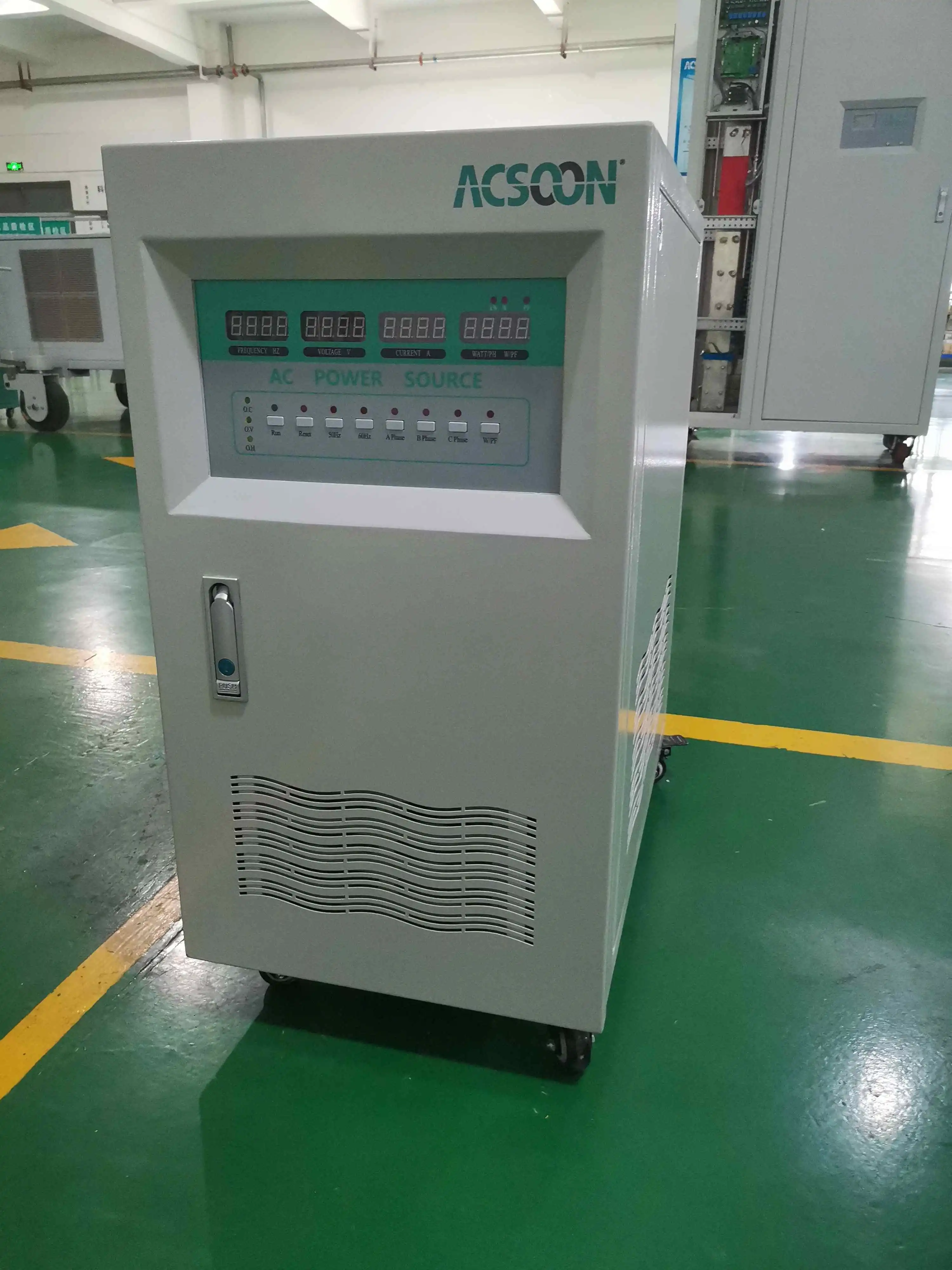
For modern industrial equipment to work as it should, it needs power that is clean and stable. Total harmonic distortion (THD) in the output of solid state frequency converter is usually less than 3%. This is much lower than that of mechanical options, which often go over 8% THD. This clean power stops the voltage drops and frequency changes that stress sensitive electronics and cause parts to fail early. When given regular power characteristics, equipment like high-frequency induction heating systems, CNC machines, and lab tools keep working at their best. This level of accuracy is shown by the ACSOON AF60W-110009 model, which has variable frequency and voltage and a real-time data display that lets workers keep an eye on performance factors and fix problems before they get worse.
Simplified Troubleshooting Through Digital Diagnostics
When problems do happen, solid state frequency converter technology makes it easy to find them and fix them quickly. Key factors like input voltage, output current, temperature, and load balance are monitored by built-in diagnostics tools that let workers know when problems start to happen. This proactive method is very different from mechanical systems, where damage is often not seen until a major failure happens. Technicians can look at fault logs, check the state of individual parts, and often fix problems by making changes to the setup instead of making actual repairs. This makes diagnostics much easier and cuts down on the average time it takes to fix something, which keeps production lines running and important systems running.
Core Benefits of Solid State Frequency Converters for Industrial Applications
A business's prices and the life of its tools are directly affected by how well it uses energy. Motor-generator sets only get seventy-five to eighty-five percent efficiency across their load range, while solid state frequency converters get ninety to ninety-five percent efficiency. This efficiency benefit means that less extra heat is produced, which means that less cooling is needed and parts last longer. The more accurate conversion also keeps the voltage steady, which keeps equipment further down the line from having to deal with power quality problems.
Extended Equipment Lifespan Through Superior Power Quality
When connected machines are fed by good, solid state frequency converter, the electricity works perfectly. When motors are given clean, steady power at the right frequency, they run cooler and have less stress on their insulation. Less harmonic material is good for both transformers and battery banks. When compared to facilities that used older conversion technology, manufacturing facilities that use solid state frequency converter for 400Hz ground power uses have seen equipment life increases of over 30%. This longer operating life directly leads to lower costs for replacing capital and fewer production stops while equipment is being switched out.
Real-World Performance Across Critical Sectors
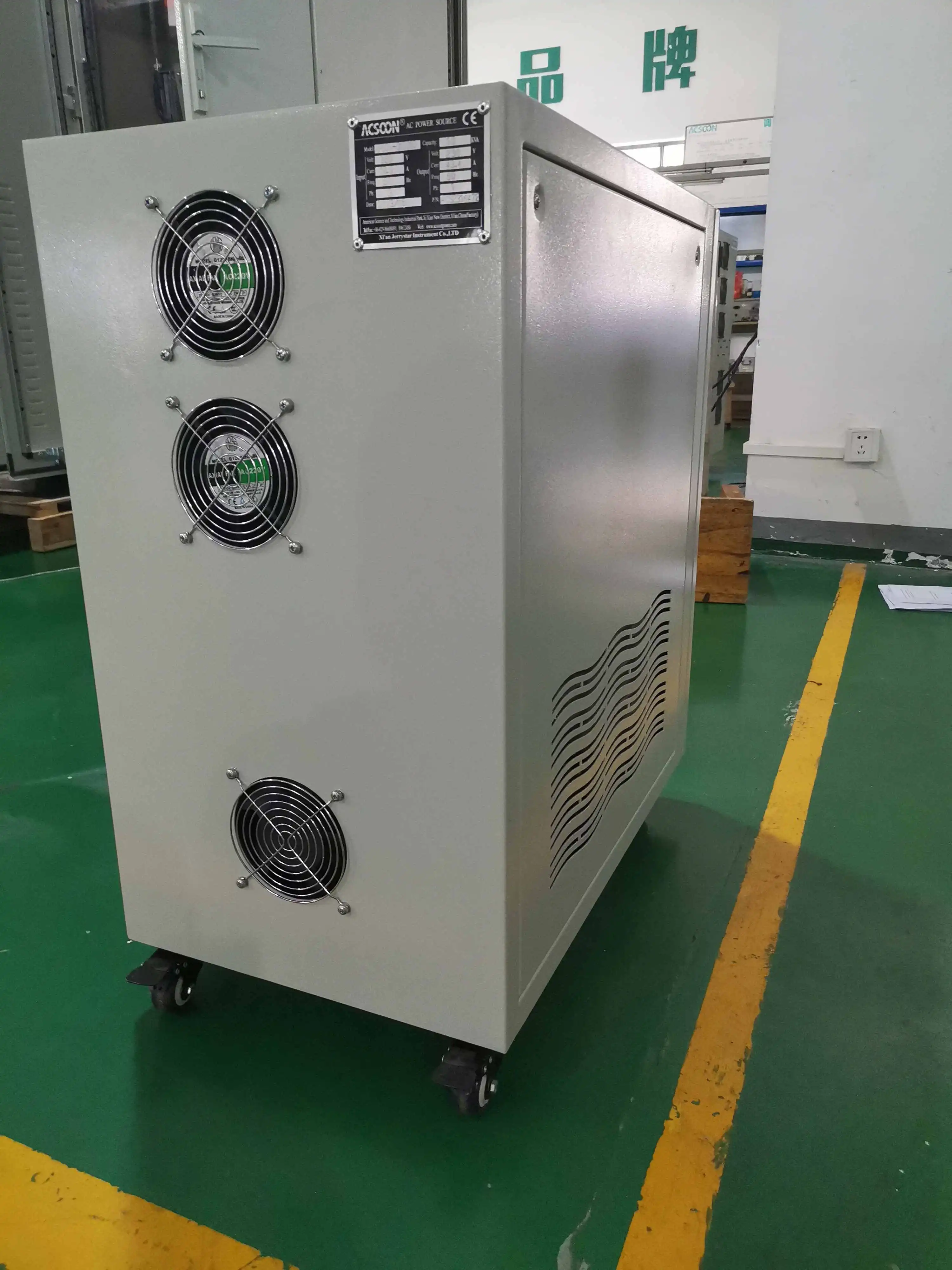
For testing airplane systems and providing help on the ground, aviation repair activities need reliable 400Hz power. When these places are down, it causes delays that affect many planes and flying plans at once. When checking electrical systems on marine vessels before they go out to sea, companies that do this have to deal with similar pressures. Power fluctuations that hurt the quality of products or damage precision tools are not acceptable in factories that make specialized parts. The AF60W-110009 solid state frequency converter can handle these tough jobs thanks to its three-phase 208V-480V input range and matched 50Hz output range. It can be moved around buildings thanks to its upright form and wheels, and its IP21 weather protection makes sure it works well in industrial settings. The 9kVA power level can handle big loads while keeping a small footprint, which is good for businesses that don't have a lot of room.
Operational Cost Reduction Beyond Energy Savings
A big part of the total cost of owning power switching equipment is the money that is spent on repairs and maintenance. Regular upkeep on solid state frequency converter units is usually limited to a review every so often, cleaning the air filter, and checking the capacitors every so often at longer service intervals. Compared to rotating systems that need to be oiled, have bearings replaced, have brushes serviced, and have their alignment checked frequently. The costs of labor for these upkeep tasks add up quickly, especially when expert technicians are needed. Over the lifecycle of the equipment, the decrease in both regular maintenance and unplanned repairs saves a lot of money.
Comparing Solid State Frequency Converters with Other Frequency Conversion Technologies
When buying, teams know the technical and practical differences between conversion technologies, they can make choices that are in line with operational goals. There are different pros and cons for each type of technology when it comes to dependability, stability of performance, initial investment, and lifetime costs.
Static Converters Versus Rotary Phase Converters
Idler motors are used in rotary phase changers to make up for lost phases or change the frequency by turning mechanically. Even though these units are good at handling high inrush currents, they make upkeep much harder and lower performance. Noise and vibrations from the moving parts can interfere with work going on nearby. When the load changes, the output voltage and frequency steadiness can change, which could hurt sensitive equipment. When the load changes, solid state frequency converter responds instantly and keeps the output parameters within tight ranges, even if the demand changes. The computer design works without making noise and with little shaking, so it can be used in labs and precision manufacturing areas where controlling the environment is important.
Performance Comparison with Variable Frequency Drives
By changing the frequency and voltage to match the loads attached, variable frequency drives are great at controlling motor speed. They are best for controlling motors rather than converting frequencies for other uses. Most VFDs don't have the input freedom and output separation that are needed in industrial settings. solid state frequency converter can be used as a separate power source and keep the input and output circuits from touching each other. This separation keeps sensitive equipment safe from changes in the power coming in and stops faults from spreading. The ACSOON brand solid state frequency converter can be customized by OEMs or come in standard designs. They can handle a wide range of application needs, from high-frequency induction heating to specific testing methods.
Investment Analysis for Decision-Makers
The initial costs of buying solid state frequency converter are higher than those of basic rotary units, which makes sourcing teams that focus on prices hesitant. This view changes when you look at the total cost of ownership over a reasonable amount of time. Figure out how many hours of repair work, how many new parts you need, how much energy each technology uses, and how much downtime costs. Think about how much it's worth to avoid losing production and damage to tools because of bad power quality. The most thorough studies show that solid state frequency converters pay for themselves within three to five years, and they keep paying for themselves for another fifteen to twenty years. Financial danger is further reduced by choosing manufacturers with long histories and full warranty support.
Procurement Considerations: Selecting and Partnering with the Right SSFC Supplier
As much as the tools themselves, the choice of supplier has an impact on the long-term success of a business. The connection goes beyond the initial buy and includes technical help, the ability to customize, and emergency reaction when power conversion fails in important applications.
Evaluating Supplier Reliability and Technical Capabilities
When a manufacturer has worked on equipment for tough jobs before, it shows that they can make equipment that works well under pressure. Companies that work with the military, the naval industry, and the flight industry must meet strict quality standards and show that they can be relied on. Xi'an Jerrystar Instrument Co., Ltd. is an expert in making ACSOON brand solid state frequency converters for these important uses, and their factories are spread out over 5,000 to 10,000 square meters. Because they work on power systems for the military and in airplanes, they really understand the speed and dependability standards that these fields need. Having enough supplies on hand lets you deliver quickly when you need to, which is very important when equipment breaks down and threatens production plans or mission-critical operations.
Customization Capabilities That Address Unique Requirements
Standard store items work well for many uses, but for more specific tasks, custom solutions are often needed. Capable sellers are different from basic equipment vendors because they can change the input voltage ranges, output features, control interfaces, or work with unusual environmental conditions. For custom solutions to work, engineers need to be able to use a variety of tools and methods. Suppliers that work with OEMs show that they can do this by giving private labels along with technical changes. Ask for examples of past customization projects and a detailed discussion of your specific needs to see how technical they are and how quickly they are when looking at possible partners.
After-Sales Support That Protects Operational Continuity
When problems happen, your investment is protected by a full warranty and quick expert help. Make sure you understand the warranty's coverage period, what parts are covered, response time promises, and on-site service access. Learn how to keep extra parts in stock and how long it usually takes to get essential parts. Having access to skilled technical help by phone, email, or a remote diagnostic connection speeds up the troubleshooting process and often fixes problems without having to visit the site. When on-site help is needed, reaction times are cut down by having local service presence or established service partner networks. These support features have a direct effect on how quickly you can get things back to normal after problems arise, which is why they are important factors for evaluating mission-critical apps.
Optimizing SSFC Performance to Maximize Downtime Reduction
How well solid state frequency converter are put together determines whether they work as reliably as they can or cause anger and breakdowns that you didn't expect. Quality of installation, operating processes, and maintenance discipline are what separate deployments that go well from those that don't.
Installation Best Practices That Prevent Early Failures
The environment has a big effect on how well and how long a conversion works. The ambient temperature must stay within the manufacturer's guidelines, which are usually below 40°C, and there must be enough air flow to get rid of the heat that is produced during operation. The place where the unit is mounted should keep dust from building up and keep water from getting in past its entry protection grade. The IP21 rating of the AF60W-110009 protects it from solid items larger than 12.5 mm and water drops falling vertically. This rating is good for controlled indoor settings but needs more protection in harsher conditions. When installing electricity, it's important to pay attention to how the grounding works, how the circuit safety works together, and how big the cables should be for the current loads. The quality of the input power affects how the solid state frequency converter works. Input voltage that is highly twisted or unbalanced may need to be "conditioned" before it can reach the solid state frequency converter. By following the manufacturer's installation instructions and hiring experienced electricians, you can avoid problems that could affect reliability.
Preventive Maintenance Programs That Extend Service Life
Periodic review and repair are good for all kinds of equipment, even solid state frequency converter equipment. Setting up regular plans makes sure that small problems are dealt with before they become big problems. Maintenance on the cooling system is especially important. In dusty places, check and clean the air filters once a month, make sure the fans work, and make sure there are no blocks in the air flow lines. Every six months, you should check the tightness of an electrical connection because heat cycling can slowly loosen terminations and cause high-resistance problems. After five to seven years of use, tracking the health of capacitors becomes important because electrolytic capacitors slowly break down and need to be replaced at some point. By keeping track of working parameters during inspections, standard performance measures are set up that can be used to spot problems as they arise through trend analysis.
Monitoring Systems and Rapid Troubleshooting Techniques
Modern solid state frequency converters show practical data in real time, which lets managers be more proactive. It is possible to spot problems before they become major by keeping an eye on things like input voltage, output current, working temperature, and load balance. There are problems that need to be looked into when these factors change quickly. For example, a temperature rise could mean that the cooling system is clogged or that parts are breaking down, while a rise in current draw could mean that there are problems with the load or internal faults. Systematic fixing speeds up the solving of problems when they happen. Check the quality and availability of the power coming in, look for problems in the links going out, look through the fault logs for information on how to fix the problem, and measure important factors to find the exact location of the issue. Keeping the contact information for technical help and model-specific documents handy makes it easy to solve problems when the company's own knowledge runs out.
Conclusion
Solid state frequency converter makes operations more reliable by getting rid of parts that wear out over time. They also provide accurate, steady power conversion that keeps linked equipment safe. Because the technology is more efficient, it can diagnose problems, and doesn't need much upkeep, it cuts down on both planned and unexpected downtime in demanding industrial settings. These benefits are increased by strategic supplier relationships that allow for customization, full support, and quick responses to pressing needs. The technology can be used to its fullest potential with the right execution methods and disciplined business management. These can turn technical benefits into real improvements in keeping production going and keeping costs down. Aviation, military, marine, and industrial testing settings that put reliability first find that solid state frequency converters offer appealing value over long service lives.
FAQ
What makes solid state frequency converters more reliable than motor-generator sets?
Motors, bearings, joints, and other mechanical parts that wear out over time and finally break are not needed in solid state frequency converter. Electronic semiconductor switching changes frequencies without moving anything, so it doesn't have the upkeep problems and failure modes that come with spinning machinery. Because of this basic change in design, the average time between failures is much longer, and less maintenance is needed.
Can static frequency converters handle variable loads effectively?
Modern solid state frequency converters react instantly to changes in the load and keep the output voltage and frequency fixed even when demand changes. In microseconds, the electrical control systems change the switching patterns, which is a lot faster than mechanical systems can do it. Because of this, they are perfect for uses where the load changes often or where many devices turn on and off during operation.
How do I determine the right capacity for my application?
Figure out the total linked load, which should include the starting surge needs for inductive loads like motors and transformers. Include a twenty to thirty percent safety cushion to allow for future growth and to keep operations from getting too close to full capacity, which speeds up the wear and tear on parts. Think about the job cycle. For example, an ongoing operation needs more conservative sizing than intermittent use.
Partner with JERRYSTAR for Reliable Static Frequency Converter Solutions
There is no room for power conversion equipment that causes downtime instead of avoiding it in operational needs like aircraft testing, naval systems validation, and industrial manufacturing. JERRYSTAR has a lot of experience with the ACSOON brand solid state frequency converter that was designed to work in these very serious situations. Our production skills allow us to make both standard setups and special solutions that are made to fit specific voltage, frequency, and environmental needs. Having enough inventory means you can get what you need quickly when you need it, and full expert help protects your operations throughout the lifecycle of the tools. We are a well-known company that makes solid state frequency converters for the military, the government, and industry testing environments. We know the high standards of dependability that your operations need. Email our team at acpower@acsoonpower.com to talk about your power conversion needs and find out how our solid state frequency converter options can help you keep your business running.
References
1. IEEE Standards Association. "IEEE Recommended Practice for Monitoring Electric Power Quality." IEEE Std 1159-2019, Institute of Electrical and Electronics Engineers, 2019.
2. Sullivan, Robert L. "Power System Planning." McGraw-Hill Professional Engineering Series, Second Edition, McGraw-Hill Education, 2018.
3. Rashid, Muhammad H. "Power Electronics: Devices, Circuits, and Applications." Pearson Education Limited, Fourth Edition, 2017.
4. Mohan, Ned, and Tore M. Undeland. "Power Electronics: Converters, Applications, and Design." John Wiley & Sons, Third Edition, 2020.
5. U.S. Department of Defense. "Military Handbook: Reliability Prediction of Electronic Equipment." MIL-HDBK-217F, Department of Defense, 2015.
6. International Electrotechnical Commission. "Rotating Electrical Machines: Rating and Performance." IEC 60034 Series Standards, International Electrotechnical Commission, 2021.
