



How Does a DC Ground Power Unit Support Aircraft Systems?
An aircraft's ground activities depend on a DC ground power unit, which provides stable 28V direct current power to the plane's most important systems while it's on the ground. Because these specialized units don't need to run the engines during repair, pre-flight checks, and activities on the ground, a lot less fuel is used, and costs are cut. Ground power units make it possible for electronics, lighting systems, communication equipment, and other important parts of an airplane to keep working without using up on-board batteries or needing an extra power unit to be turned on and off.
| Request for Quotation |
Understanding DC Ground Power Units and Their Role in Aircraft Systems
Ground power equipment represents a fundamental component in modern aviation operations, bridging the gap between aircraft power requirements and efficient ground handling procedures. These sophisticated devices convert standard alternating current from ground-based electrical systems into the specific direct current voltage and amperage requirements that aircraft systems demand.
Core Functions and Operational Principles
Most aircraft electrical systems work with 28V DC power, which makes this a common requirement for both military and commercial aircraft. This need is met by DC ground power units, which use advanced rectification technology to change three-phase AC input into a stable DC output. Transformer circuits, rectifier bridges, and filtering parts are used in the conversion process to make sure that sensitive avionics equipment gets clean, regulated power. Modern ground power solutions use static solid-state technology to get rid of rotating parts that could cause electrical noise or mechanical failure points. This method makes the units more reliable while lowering the amount of upkeep they need. This makes them especially useful in places with a lot of use, like business airports and military bases.
Types and Configurations Available
Aviation ground support equipment comes in several configurations to accommodate different operational requirements and space constraints. Here are the primary categories available in today's market:
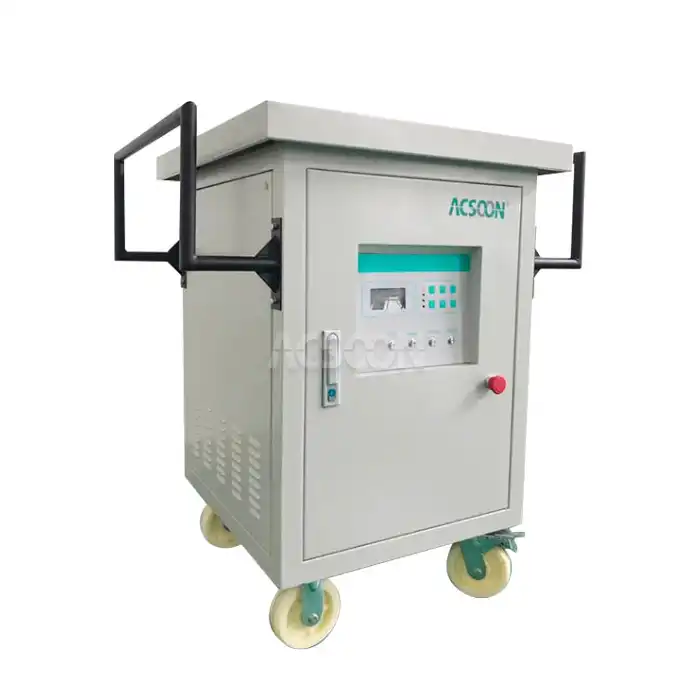
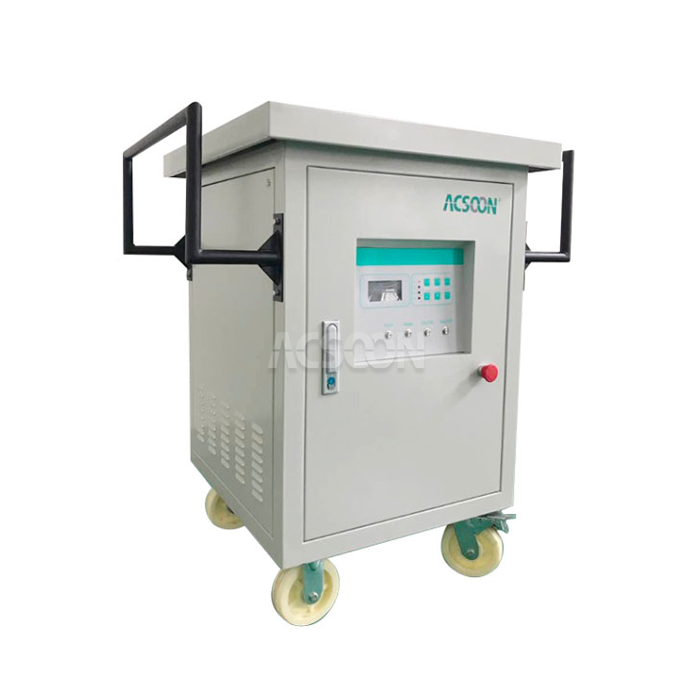
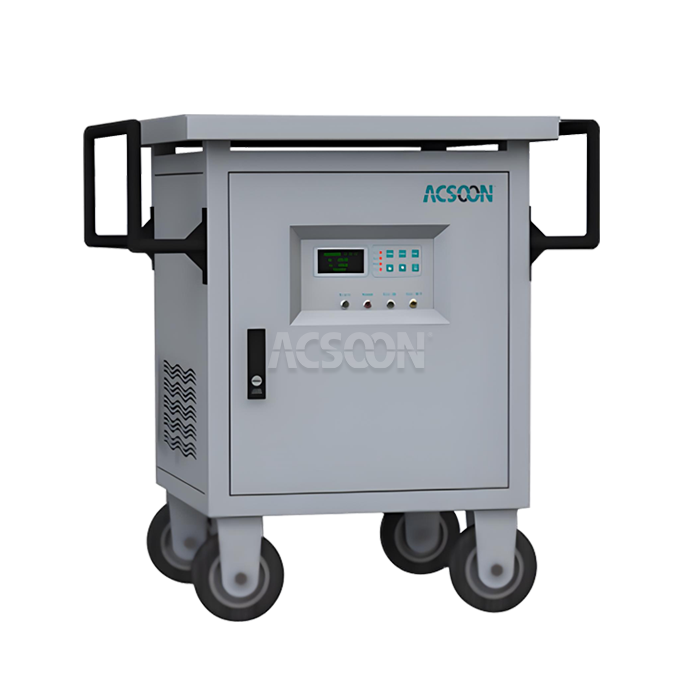
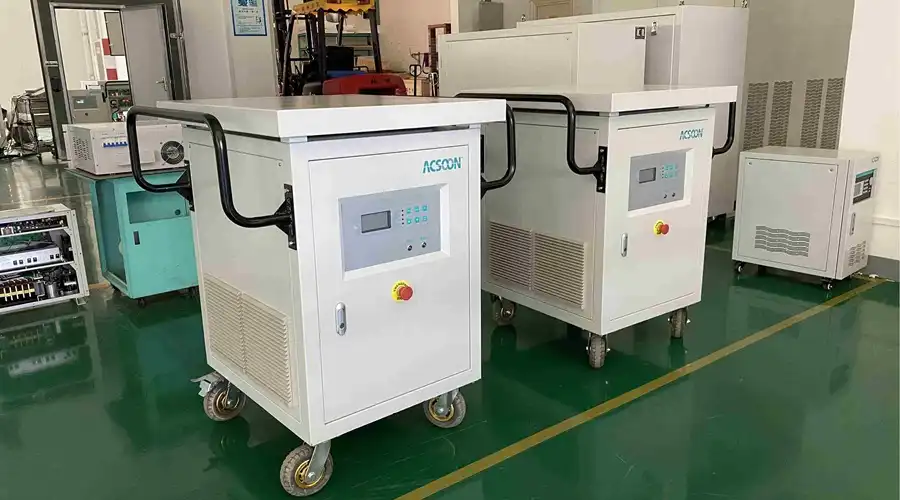
- Portable trolley-mounted units: Mobile solutions like the GPU-28700 model offer 700A continuous output with IP54 protection, enabling deployment across multiple aircraft locations within a facility
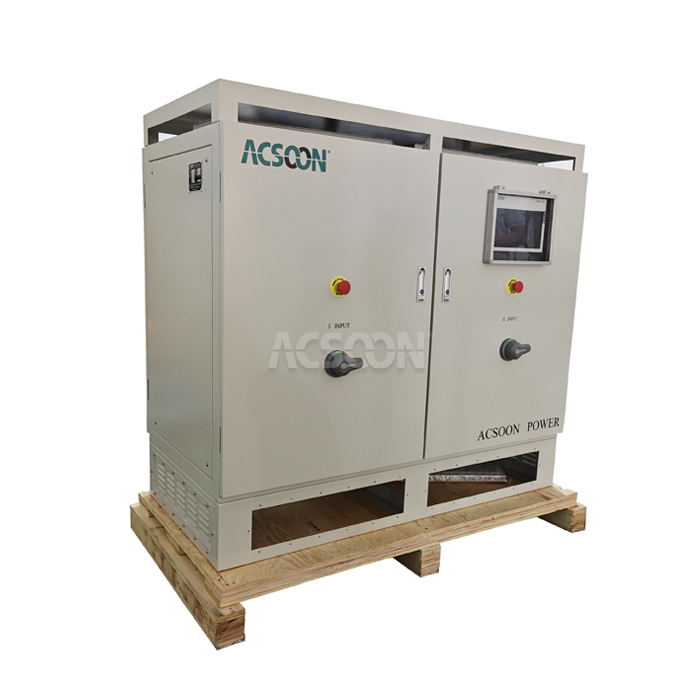
- Stationary fixed installations: Permanent installations provide centralized power distribution for dedicated aircraft parking positions, common in airline gate areas and maintenance hangars
- Custom-configured systems: Specialized units designed for unique aircraft types or specific operational environments, including military applications requiring enhanced durability and environmental protection
These diverse configurations ensure compatibility across aircraft types, from small general aviation planes to large commercial airliners and military transport aircraft. The flexibility in design allows procurement professionals to select equipment that matches their specific operational requirements and budget constraints.
Technical Specifications and Safety Features
To make sure it works reliably in tough aircraft settings, power exchange equipment has to meet strict safety and performance standards. Some important requirements are the tolerance for voltage control, the current capacity, the harmonic distortion levels, and the electromagnetic compatibility requirements. Over-current protection, short-circuit detection, ground fault cutoff, and emergency shutdown are some of the safety features. Ratings for environmental protection, like IP54, make sure that equipment can handle dust, wetness, and temperature changes that are common at airports. When it comes to movable units that may be used in different weather situations and outdoor settings, these specs become even more important.
Benefits of Using DC Ground Power Units in Aircraft Maintenance and Ground Support
It's important for flight companies to change how they service and maintain airplanes because external power sources, including the DC ground power unit, offer big benefits in many operating areas. These benefits go beyond just providing power; they also include bettering the environment, the economy, and operations.
Environmental and Economic Advantages
Environmental friendliness and lowering costs are becoming more important in aviation, which makes external power sources a good investment. Ground power units get rid of the need for engines to run while activities are taking place on the ground. This saves a lot of fuel and lowers carbon emissions. A normal business airplane engine uses hundreds of gallons of fuel every hour. This makes using external power for longer periods of time on the ground economically appealing. Another big environmental benefit is that it reduces noise. There is more and more pressure on airport neighborhoods to cut down on noise pollution, especially in the early morning and late evening. External power lets planes fly quietly while things are going on on the ground, which helps with community relations and following the rules.
Maintenance Best Practices and Equipment Longevity
Following the right upkeep steps will greatly increase the life of a ground power unit and ensure that it always works properly. Electrical links, cooling systems, safety casings, and control ports should all be inspected regularly. Preventive maintenance lowers the risk of unexpected breakdowns that could stop an airplane's operations and cause it to leave later than planned. Extreme temperatures, high humidity, and the acidic salt air near the coast require extra maintenance care. Protective measures like storing equipment correctly, cleaning it regularly, and replacing parts based on how many hours they've been used help the equipment keep working at its best throughout its lifetime.
Comparison with Alternative Power Solutions
When building ground support equipment, aviation sites usually look at more than one fuel choice. AC ground power units serve different parts of an airplane that need alternating current, and auxiliary power units let the plane's own power systems make electricity. Procurement professionals can make better decisions based on their operational needs when they know the specific benefits of DC systems. DC ground power units work especially well in situations that need stable voltage for sensitive electronic systems, battery charging, and equipment that needs direct current input. Choosing between DC and AC systems is often based on the type of airplane being handled and the tasks that will be carried out.
Selecting the Right DC Ground Power Unit for Your Aviation Needs
When making strategic buying choices, it's important to look at technical specs, practical needs, and long-term cost factors. As part of the decision process, present needs are looked at along with plans for future growth and new airplane technologies.
Procurement Considerations and Quality Standards
When buying aviation tools, you have to pay close attention to quality standards and licensing requirements. Units need to meet certain flight standards, like MIL-STD-704F for military use, as well as international rules for electromagnetic compatibility. Certification makes sure that the equipment works with airplane systems and meets safety standards that protect both the equipment and the people who use it. Supplier reliability is very important when choosing ground power equipment, especially for businesses that need to be able to replace it right away or get help in an emergency. People can be more confident in the quality of a product and the fact that it will always be supported by a maker with a history of success.
Portable Versus Stationary Unit Comparison
| Talk to Engineer |
Operational flexibility often drives the choice between portable and fixed installation options. Here are key considerations that influence this decision:
- Portable units: Offer versatility for multi-location use, easier maintenance access, and lower initial infrastructure investment, making them ideal for smaller operations or facilities with diverse aircraft parking areas
- Stationary installations: Provide integrated solutions for high-volume operations, reduce labor requirements for equipment positioning, and offer enhanced security in permanent installations
- Hybrid approaches: Combine both portable and fixed units to optimize operational efficiency while maintaining flexibility for varying operational demands
The decision often involves evaluating labor costs associated with DC ground power unit positioning against the capital investment required for fixed installations. Organizations with predictable aircraft parking patterns may benefit from stationary DC ground power units, while those with variable operations might prefer portable DC ground power unit solutions.
Leading Manufacturers and Support Networks
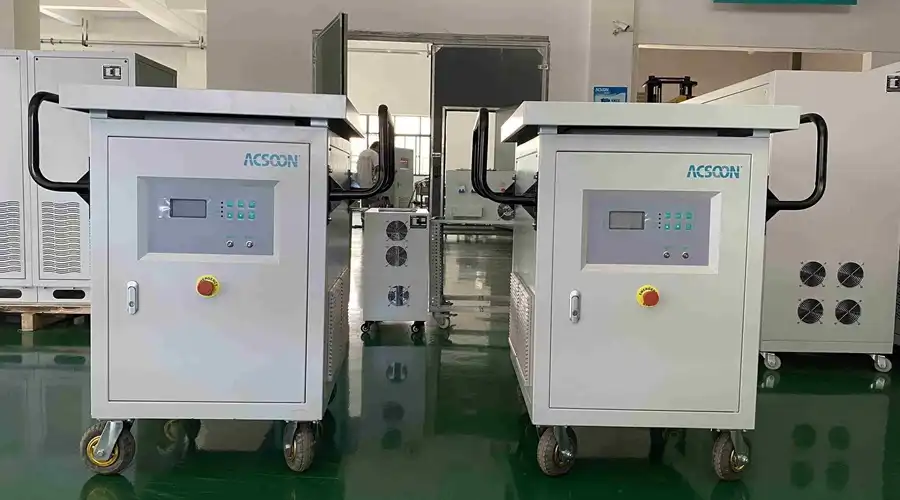
Well-known companies like JERRYSTAR offer complete solutions backed by a lot of tech know-how and help networks around the world. Our ACSOON brand is a result of advanced technology development aimed at aviation applications. It offers products that meet the strict needs of military, commercial, and industrial aviation operations. When looking at different manufacturers, you should think about things like technical support availability, spare parts inventory, customization options, and service coverage areas. These things become even more important for businesses that work in faraway areas or need to get key operational help quickly.
Practical Insights: Case Studies and Industry Use Examples
Implementations in the real world show how smart investments in ground power can help businesses in real ways. These examples can help buyers who are looking at similar options for their own businesses.
Commercial Aviation Applications
Major companies have shown that thorough ground power deployment programs save them a lot of money. One major airline cut the cost of ground operations by 15% a year after putting standard ground power tools in all of its hub sites. The savings came from using less fuel, requiring less engine maintenance, and making it easier for planes to be turned around more quickly. Maintenance centers say they are more productive when they don't have to start engines for regular checks and inspections. This feature lets technicians do repair work in protected hangars where running the engines would be unsafe or impossible. This gives technicians more time to work and makes them safer.
Military and Defense Applications
For military bases, ground power systems must meet higher standards for durability and security while also being able to support a wide range of aircraft types. When it comes to defense applications, quick deployment is common, and portable, ruggedized equipment is essential for operations in harsh environments. The reliability standards in military applications are higher than those in commercial applications, which makes choosing the right equipment even more important. Units must be able to successfully work in harsh environments and meet electromagnetic compatibility standards so they don't mess up important defense systems.
Emerging Technology Trends
With improvements in smart tracking, remote diagnoses, and energy economy, technology keeps changing what ground power tools can do. Modern units have digital controls that let you check on operational parameters from afar, plan maintenance ahead of time, and connect to facility management systems. In the future, there will be hybrid power systems that use both traditional grid power and renewable energy sources to support green initiatives while keeping operations reliable. Because of these improvements, buying professionals now have more advanced choices for meeting changing business needs.
Company Introduction and Our DC Ground Power Unit Solutions
Since 2007, Xi'an JERRYSTAR Instrument Co., Ltd. has become one of the most important companies for making flight ground power options. Because we focus on power transfer technology, we've been able to make new goods that meet the tough needs of military, marine, flight, and industrial uses all over the world.
Our ACSOON Brand Excellence
The ACSOON product line, including the DC ground power unit, shows how dedicated we are to engineering quality and customer happiness. Our most popular model, the GPU-28700, shows how dedicated we are by being able to accept three-phase 380V inputs and work with frequencies of 50/60Hz, while also providing an exact 28.5V DC output and 700A constant capacity. This static solid-state design uses advanced correction technology in a mobile trolley configuration that makes operations more flexible. Our Xi'an manufacturing plant covers 5,000 to 10,000 square meters and can handle both production and special configurations. This infrastructure lets us keep enough stock on hand for quick shipping and support custom solutions that fit the needs of each business.
Comprehensive Service and Support
Before being shipped, quality testing methods make sure that every unit meets strict performance standards. Our goods have IP54 grades for entry protection, which means they will work reliably in harsh environments like those found in airports and military bases. The average time between failures is more than 30,000 hours, which shows how reliable the equipment needs to be for flight operations. Technical support goes beyond initial delivery and includes installation instructions, user training, and ongoing repair support. Our team of experienced engineers offers consulting services to help customers get the most out of their ground power infrastructure in terms of efficiency and dependability. We can also make products that fit specific needs that standard products can't. Our engineering team comes up with solutions that meet exact operational requirements. This includes changing units for specific airplane connections, improving environmental protection, or combining with existing building systems.
Conclusion
DC ground power units are an important part of modern flight operations because they provide stable power that makes handling planes on the ground easier while also lowering costs and having less of an effect on the environment. To meet the needs of more complex business, military, and industry uses, the technology keeps getting better. Strategically choosing and implementing the right ground power options can greatly improve business efficiency and help meet long-term cost management goals. When businesses buy good tools from well-known brands, they set themselves up for long-term operational success in an aircraft market that is becoming more and more competitive.
FAQ
What maintenance intervals ensure optimal ground power unit performance?
Regular maintenance schedules should include monthly visual inspections, quarterly electrical connection checks, and annual comprehensive servicing. Operating environment factors such as dust exposure, temperature extremes, and humidity levels may require more frequent maintenance intervals. Most manufacturers recommend professional servicing every 500-1000 operating hours or annually, whichever occurs first.
How do I determine aircraft compatibility with specific ground power units?
Aircraft compatibility depends on electrical interface specifications, voltage requirements, and current capacity needs. Most commercial and military aircraft use standardized 28V DC systems, but connector types and current requirements vary. Consulting aircraft maintenance manuals and coordinating with equipment manufacturers ensures proper compatibility verification before procurement.
What safety precautions are essential during ground power unit operation?
Essential safety measures include proper grounding procedures, regular inspection of electrical connections, and adherence to manufacturer operating guidelines. Personnel should receive appropriate training on equipment operation, emergency shutdown procedures, and hazard recognition. Maintaining clear operating areas and following lockout/tagout procedures during maintenance activities helps prevent accidents and equipment damage.
Can ground power units operate in extreme weather conditions?
Quality units with appropriate ingress protection ratings can operate reliably in various weather conditions. IP54-rated equipment handles typical airport environments, including rain, dust, and temperature variations. However, extreme conditions such as lightning storms, flooding, or ice accumulation may require operational restrictions or additional protective measures.
What power capacity should I specify for different aircraft types?
Power requirements vary significantly based on aircraft size and system complexity. Small general aviation aircraft typically require 200-400A capacity, while commercial airliners may need 700-1000A or more. Military aircraft often have specialized requirements that exceed standard commercial specifications. Consulting aircraft technical documentation provides specific power requirement information for accurate equipment sizing.
Optimize Your Aviation Ground Power Infrastructure with JERRYSTAR
JERRYSTAR delivers proven ground power solutions that enhance operational efficiency while reducing costs across aviation, military, and industrial applications. Our ACSOON GPU-28700 DC ground power unit combines advanced technology with proven reliability, offering 700A continuous capacity in a mobile configuration that serves diverse aircraft types. As an experienced DC ground power unit manufacturer, we provide comprehensive support, including custom configurations, rapid delivery from maintained inventory, and ongoing technical assistance. Contact our engineering team at acpower@acsoonpower.com to discuss your specific requirements and discover how our solutions can optimize your ground operations while supporting long-term operational excellence.
| About US |
| Know More |
References
1. Federal Aviation Administration. "Ground Support Equipment: Safety and Operational Guidelines." FAA Advisory Circular AC 150/5210-5D. 2020.
2. International Air Transport Association. "Ground Operations Manual: Aircraft Ground Power Systems." IATA Technical Publications. 2021.
3. Society of Automotive Engineers. "Aircraft Ground Support Equipment: Electrical Power Systems Requirements." SAE Aerospace Standard AS50881. 2019.
4. Military Standard. "Aircraft Electric Power Characteristics." MIL-STD-704F, Department of Defense Interface Standard. 2018.
5. European Aviation Safety Agency. "Certification Specifications for Ground Support Equipment." EASA CS-GSE Amendment 2. 2020.
6. Airport Ground Support Equipment Association. "Best Practices for Ground Power Unit Maintenance and Operation." AGSEA Technical Publication 2021-03. 2021.