




How Does an Aviation Ground Power Unit Support Aircraft Systems?
An aviation ground power unit serves as the lifeline for aircraft electrical systems during ground operations, providing essential external power when aircraft engines are shut down. These specialized units deliver precise 400Hz frequency power to avionics, lighting, air conditioning, and other critical aircraft systems, ensuring seamless maintenance operations and pre-flight preparations. Ground power equipment eliminates the need to run aircraft engines or auxiliary power units while parked, reducing fuel consumption, emissions, and operational costs while maintaining optimal system functionality for comprehensive aircraft servicing and testing procedures.
Understanding Aviation Ground Power Units (GPUs)
Essential Role in Aircraft Ground Operations
Ground support equipment is an important part of modern aviation, and power supply units are essential parts of airport facilities all over the world. These high-tech gadgets connect the power needs of airplanes to electrical systems on the ground. This lets repair, testing, and preparation work be done thoroughly without slowing down operations.
Flight ground power units are outside power sources that connect to planes using standard interfaces and provide clean, stable electricity that meets strict flight standards. Ground-based power systems work on their own, unlike onboard auxiliary power units that use jet fuel and produce pollution. They offer environmentally friendly options that are in line with sustainability efforts while still keeping operational excellence.
Distinguishing GPUs from Auxiliary Power Units
The main difference between aviation ground power units and auxiliary power units is how they work and where they get their power. Aviation ground power units are external devices that supply electrical power to aircraft while on the ground, typically using their own power sources rather than the aircraft’s fuel. In contrast, auxiliary power units are systems built into the structure of an airplane and use jet fuel to generate electrical and pneumatic power for activities on the ground and in emergencies. While APUs give operations more freedom, they use expensive aircraft fuel and produce noise and emissions, whereas GPUs can offer a more cost-effective and environmentally friendly alternative when external power is available.
On the other hand, ground power units work as separate systems that link to aircraft through standard power outlets. This means they don't use any fuel and have less of an impact on the environment. This outside method lets airports centralize power generation, get the most out of energy use, and keep tight control over power quality while supporting multiple planes at the same time through distributed infrastructure networks.
Categorizing GPU Types and Applications
Modern ground power options use a variety of technologies to meet the different needs of airports with different operational requirements. Electric ground power units use energy from the grid that is changed using high-tech power electronics to produce a precise 400Hz output. They operate quietly and produce no pollution in the area, and they keep the voltage and frequency very stable.
Diesel-powered units can work without access to electricity because they use internal combustion engines and generators to make power that is compatible with airplanes. These systems work great in remote areas or as backups when grid reliability is an issue, but they produce emissions and need to be managed in a way that affects operating planning and meeting environmental standards.
Key Benefits and Applications of GPUs in Aviation
Improving Airport Efficiency and Environmental Impact
Improving how well airports work and how they affect the environment
Ground power systems make airport operations much more efficient by keeping airplane engines from running during long periods of time when they are not in use. This saves thousands of gallons of fuel each year. This drop directly leads to lower carbon emissions, which supports airport sustainability goals and lowers operating costs for airlines and ground handling services.
Along with lowering pollution, noise reduction also has big environmental benefits. This is especially important for airports that are located in cities with strict noise laws. Ground power units make a lot less noise than airplane engines or auxiliary power units. This means that repair windows can be longer, relationships with the community can be better, and operations can be flexible at different times.
Critical Safety and Maintenance Protocols
When an aviation ground power unit system is put in place, operational safety is the most important thing to think about. This means that strict rules must be followed to protect people and make sure that the equipment works properly. These systems have many layers of safety, such as overcurrent protection, voltage regulation, ground fault detection, and emergency shutdown features that shut down the power right away if something goes wrong.
Electrical testing, mechanical inspections, and calibration processes are all part of regular maintenance schedules that keep equipment running at its best and stop expensive breakdowns. Professional maintenance programs include testing to make sure that parts are replaced on time, keeping records of what was done, and making sure that the equipment is always in line with manufacturer specs and aviation safety standards.
Case Studies Across Different Aircraft Types
Applications in commercial aviation show how flexible ground power options are for a wide range of aircraft types, from regional jets that need 90kVA of power to wide-body international planes that need 180kVA or more. Each type of aircraft has its own power distribution needs, interface requirements, and operational processes that ground power equipment must be able to handle by using flexible design methods.
Applications involving military and cargo planes often need specific power characteristics, such as precise frequency stability for sensitive avionics systems and longer running durations for thorough testing procedures. These tough uses show how important it is to have strong power transfer technology and reliable cooling systems that can keep running smoothly even when they're under a lot of stress and have to meet strict military standards.
Comparing GPUs: Selection and Performance Metrics
Analyzing Diesel versus Electric Power Solutions
When choosing between gasoline and electric ground power units, it's important to think about how the units will be used, how they will affect the environment, and what kind of infrastructure is available. Electric units are better for the environment because they don't release any pollution into the air and are quieter. They also have lower operating costs when grid electricity is available and cheap compared to diesel fuel options.
Diesel units offer operational freedom and mobility benefits, making them especially useful for backup power applications or airports that are far away or don't have good electrical infrastructure. These systems work the same way no matter how stable the power grid is, and they can be set up quickly. However, they need to be managed for fuel, they have to meet emissions standards, and they need more upkeep than electric alternatives.
Portable versus Fixed Installation Considerations
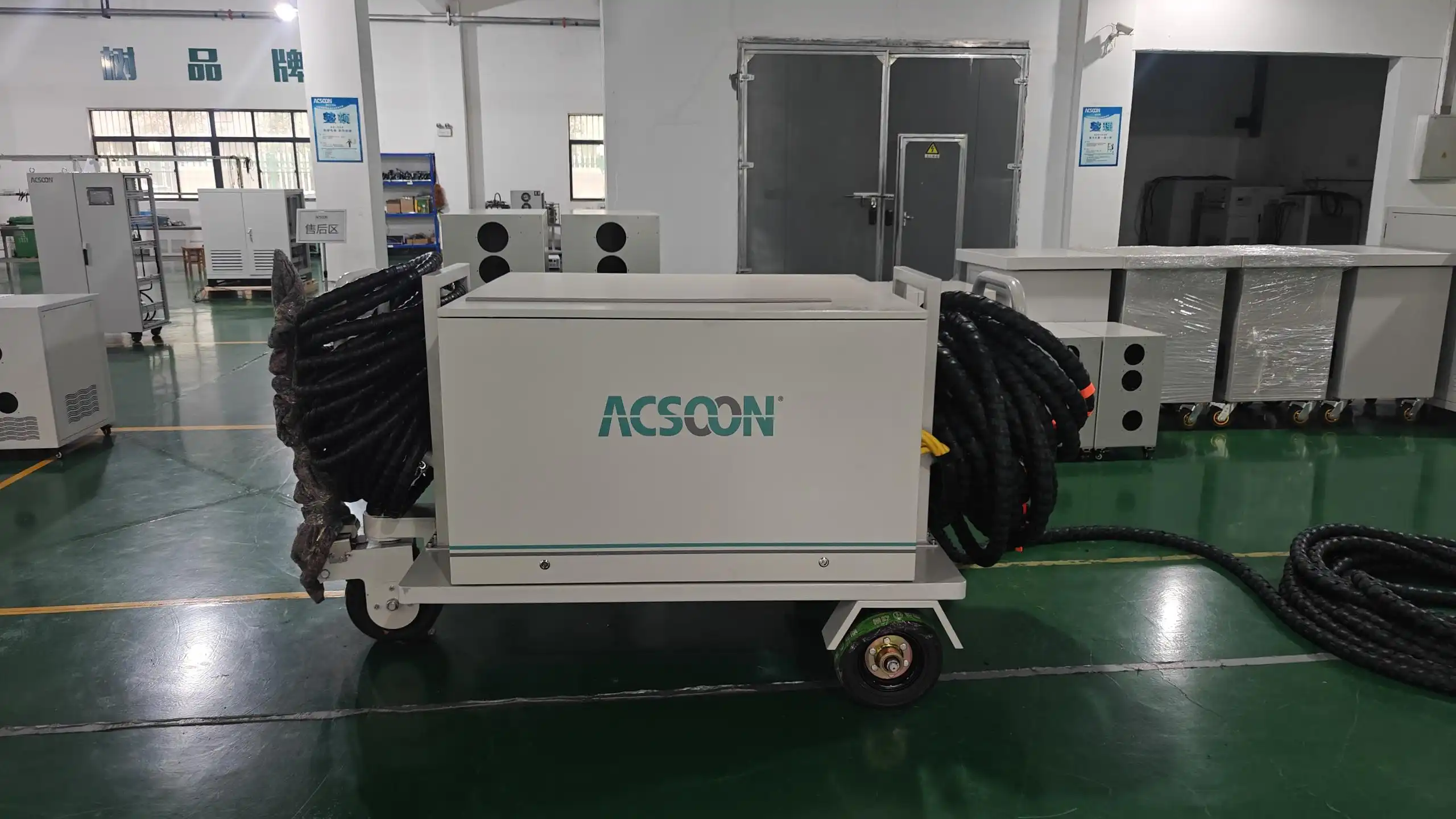
Portable ground power units are very useful for airports that have to deal with changing parking arrangements for planes or seasonal changes in traffic, as they allow equipment to be used most efficiently at a number of different gate places. For quick deployment and reliable operation in a wide range of weather conditions, these mobile systems are built to last with features like rugged construction, transportation, and quick-connect capabilities.
Fixed installation systems set up fixed power lines at specific gate locations. These systems are more reliable, require less work, and work well with airport management systems. These installations allow automated operation, remote monitoring, and less manual handling of equipment. However, they need a lot of infrastructure investment and are less flexible in how they are used than portable options.
Investment Analysis and Financing Options
Before buying equipment, you need to do a full financial analysis that includes the original capital costs, operational costs, maintenance needs, and the expected lifecycles of the equipment. Purchase options offer long-term benefits like tax breaks and full operational control, but they require a large initial investment and ongoing upkeep throughout the lifecycle of the equipment.
Leasing deals require less money up front, predictable monthly costs, and help for manufacturer maintenance. They also give airports operational flexibility when traffic patterns change or when money is tight. With these arrangements, you can get the newest technology without having to spend a lot of money on it, and the upkeep work is given to specialized service providers with a lot of technical knowledge.
Technical Specifications and Operational Insights
Power Ratings and Voltage Compatibility
Modern aviation ground power units provide exact electrical characteristics that meet the needs of aircraft. They usually offer 115V/200V three-phase output at 400Hz frequency with high stability and low harmonic distortion. Power ratings run from 60kVA for smaller planes to 180kVA or more for wide-body commercial planes, and voltage regulation stays accurate within ±1% even when load conditions change.
It can work with a wide range of input voltages, such as 380V, 440V, and 480V three-phase systems at 50Hz or 60Hz rates. This means it can be used in networks at international airports. Advanced power conversion technology makes sure that the output performance stays the same even if the input voltage changes. This keeps flight systems compatible while also working with different types of electrical infrastructure.
Interface Standards and Integration Protocols
Standardized receptacles and cable assemblies are used for aircraft power connections. These make sure that the connections are safe and effective and stop people from hooking them up wrong. These interfaces have mechanical interlocks, electrical safety features, and weatherproof design that keeps working even when exposed to harsh weather conditions like high or low temperatures, high or low humidity, or rain.
Communication protocols let ground power units talk to aircraft systems to do diagnostic, tracking, and controlling tasks that make operations safer and more efficient. These digital interfaces give real-time state information, the ability to find faults, and automated shutdown features that keep both aircraft systems and ground equipment from getting damaged. They also make operations more efficient by reducing the amount of work that needs to be done by hand.
Compliance and Environmental Standards
Regulatory compliance includes rules about electromagnetic compatibility, aircraft safety, and the environment that control how ground support equipment works. As part of the certification process, strict tests are done to make sure that the electrical performance, the functionality of safety systems, and measurements of the environmental effect are all correct under a range of stress and operating conditions.
Environmental compliance includes more than just controlling emissions. It also includes rules about noise, recycling, and energy economy that are in line with airport sustainability goals. Modern ground power units use cutting-edge technologies that reduce their effect on the environment while increasing their operational efficiency. These technologies help airport carbon reduction programs and community environmental stewardship programs by using responsible equipment design and operation methods.
JERRYSTAR: Your Trusted Aviation Ground Power Unit Supplier
Extensive Experience and Quality Manufacturing
Since 2007, Xi'an Jerrystar Instrument Co., Ltd. has become one of the best companies in the world at making flight ground support equipment. They specialize in ACSOON brand power converters that are used in many fields, such as aviation, the military, the marine industry, and lab testing. Government contracting agencies, aerospace engineers, and industrial equipment makers all over the world have praised our dedication to technical excellence and manufacturing quality.
Our factory in Xi'an, China, is between 5,000 and 10,000 square meters and has high-tech production tools and strict quality control systems that make sure all of our products are always reliable and work well. We keep a large inventory that lets us deliver quickly for urgent needs. We also offer custom manufacturing services that meet the specific application and operational needs of a wide range of businesses and market segments.
ACSOON GPU400-330180 Product Spotlight
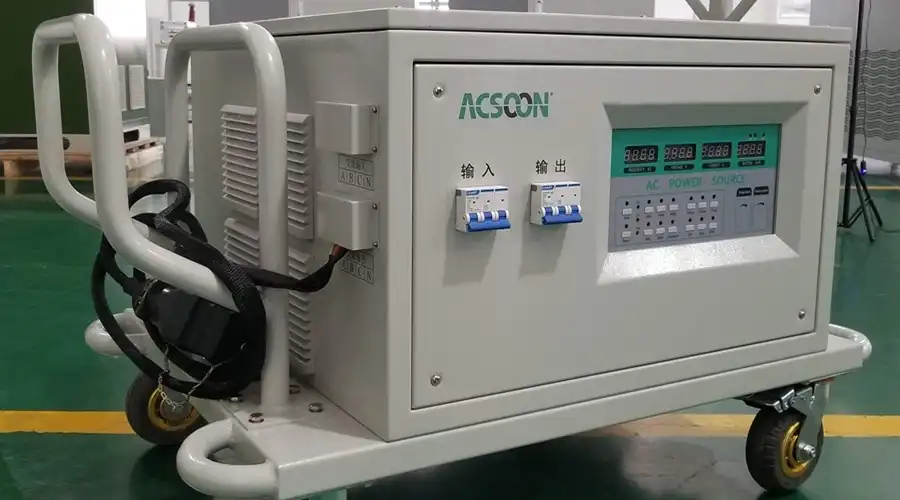
The ACSOON GPU400-330180 is our most advanced aircraft ground power unit. It has a 180kVA power capacity and very good voltage regulation and stability specs. This solid-state, floor-mounted unit takes in 3-phase 380V, 50Hz power and gives out precise 3-phase 115V/200V, 400Hz power that meets strict flight standards for testing and maintaining avionics.
The GPU400-330180 has advanced safety systems built in that can handle overvoltage, overcurrent, overload, and thermal issues. These systems keep the unit and any aircraft systems that are attached to it safe. The IP54 grade for ingress protection makes sure that it will work reliably in harsh environments. It also keeps the voltage regulation accuracy at ±1%, which is good for testing sensitive electronics and doing maintenance work that needs high power quality and stability.
Comprehensive Quality Control and Customer Support
Our dedication to customer satisfaction is reflected in quality control, which is carried out through strict processes for choosing components, thorough inspections during production, and thorough final testing procedures that confirm performance standards before shipment. Our programs for testing make sure that measurements are accurate, and our efforts for continuous improvement use customer feedback to improve both the products we make and the ways we make them.
We keep taking part in the International Aviation Ground Support Equipment Expo, MRO Americas, the Dubai Airshow, and the Singapore Airshow, which are all big events in the aviation business. These give us a chance to talk to customers directly and give them technical advice. Because we're connected to people in the industry, we can keep up with changing market needs and show global aviation pros our newest technologies and custom solutions.
Conclusion
Aviation ground power units represent essential infrastructure components that enable efficient, environmentally responsible aircraft ground operations while maintaining optimal system functionality and operational safety. The selection of appropriate ground power equipment requires careful consideration of technical specifications, operational requirements, and long-term cost factors that influence overall system effectiveness. JERRYSTAR's commitment to engineering excellence and customer satisfaction positions us as the preferred partner for organizations seeking reliable, high-performance ground power solutions that meet demanding aviation industry requirements while supporting sustainable operational practices.
Frequently Asked Questions
Q: What maintenance schedule should be followed for aviation ground power units?
A: Professional maintenance schedules typically recommend monthly visual inspections, quarterly electrical testing, and annual comprehensive overhauls that include component replacement, calibration verification, and performance testing. Critical maintenance activities encompass cooling system cleaning, electrical connection inspection, and protection system testing that ensure reliable operation while preventing costly equipment failures and safety incidents.
Q: How do GPUs differ from auxiliary power units in aircraft applications?
A: Ground power units operate as external systems that connect to aircraft through standardized interfaces, providing power without consuming aircraft fuel or generating onboard emissions. Auxiliary power units represent integrated aircraft systems that burn jet fuel to generate electrical and pneumatic power, offering operational independence but consuming expensive fuel while producing noise and emissions during ground operations.
Q: Are ground power units compatible with different aircraft sizes and types?
A: Modern ground power units accommodate diverse aircraft types through variable power output capabilities and standardized interface connections that support aircraft ranging from regional jets to wide-body commercial aircraft. Power ratings can be adjusted to match specific aircraft requirements while maintaining voltage and frequency specifications that ensure compatibility across various avionics systems and operational configurations.
Discover Advanced Ground Power Solutions with JERRYSTAR
Leading aviation professionals choose JERRYSTAR as their trusted aviation ground power unit manufacturer for reliable, high-performance solutions that meet demanding operational requirements. Our ACSOON brand equipment delivers exceptional voltage stability, comprehensive protection systems, and proven reliability for critical applications across aviation, military, and industrial sectors. Contact our technical specialists at acpower@acsoonpower.com to discuss custom configurations, receive detailed specifications, and explore how our ground power units can optimize your operational efficiency while meeting stringent performance requirements.
References
1. Federal Aviation Administration, "Advisory Circular AC 150/5220-25: Airport Ground Support Equipment," U.S. Department of Transportation, 2019.
2. International Air Transport Association, "Ground Support Equipment Sustainability Guidelines," IATA Environmental Standards Manual, 2021.
3. Society of Automotive Engineers, "ARP 1836: Aircraft Ground Support Equipment - General Requirements," SAE International Aerospace Standard, 2020.
4. International Civil Aviation Organization, "Airport Services Manual Part 9: Airport Maintenance Practices," ICAO Technical Publication, 2018.
5. Air Transport Association, "Specification 2400: Ground Support Equipment for Commercial Aircraft," Airlines for America Technical Standard, 2019.
6. European Aviation Safety Agency, "Certification Specifications for Ground Support Equipment," EASA Design Standards Publication, 2021.