




What Makes a High-Quality Aviation Ground Power Unit?
A high-quality aviation ground power unit serves as the critical backbone of aircraft maintenance operations, delivering reliable external power during ground procedures. These sophisticated systems ensure uninterrupted power supply to avionics, lighting, and pre-flight systems while maintaining precise voltage regulation and frequency stability. Quality units feature robust construction, comprehensive protection systems, and compatibility with diverse aircraft types across military, commercial, and industrial applications.
Understanding Aviation Ground Power Units
Fundamental Role in Aircraft Operations
Aviation ground power units are very important for maintaining and testing modern planes. When the engines are turned off, these specialized power transfer systems give the planes clean, stable electricity. This means that auxiliary power units don't have to be used while the planes are on the ground. This feature comes in handy especially in maintenance settings, where exact power control is needed for testing avionics and diagnosing systems.
The core feature goes beyond just delivering power. To keep sensitive electrical systems safe, ground support equipment has to keep the exact voltage and frequency levels. These units are different from regular industrial power supplies because aircraft electronics need 400Hz power at certain voltage levels. This special output makes sure that it works with electrical systems on both military and civilian planes around the world.
Types and Configurations
Today's power conversion equipment comes in a number of different styles to meet a wide range of practical needs. Fixed installations give fixed repair facilities high-capacity power, while portable units give workers in the field and in remote areas more options. The choice between diesel-powered and solid-state electric systems relies on the power needs and working conditions.
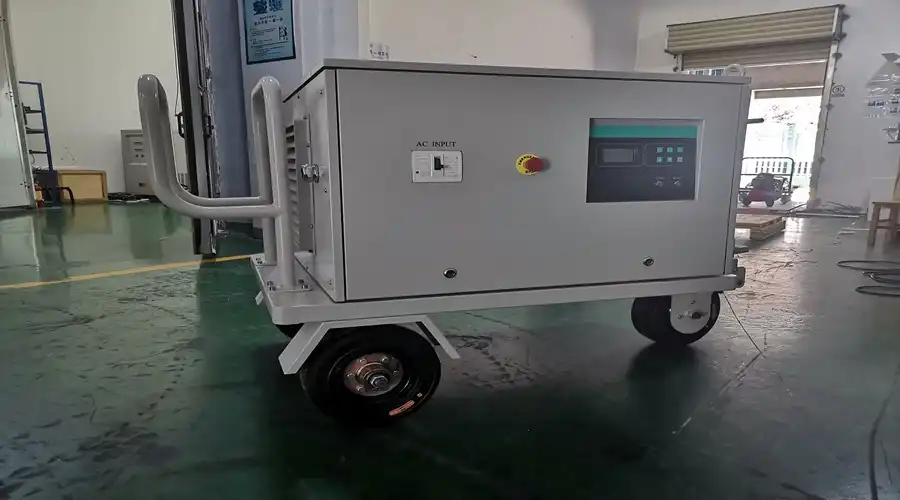
The most cutting edge technology in this area is solid-state frequency converters. These systems don't have any moving parts, so they are more reliable and accurate while also requiring less upkeep. This technology is shown by the ACSOON GPU400-330180, which provides 180kVA of clean power and excellent voltage control with ±1% full scale accuracy. This accuracy is very important for checking sensitive avionics, since changes in voltage can damage expensive electronic parts.
Technological Innovations
New developments in power conversion technology have made it possible to watch things more intelligently and improve safety systems. Modern units have many protections against situations like too much voltage, too much current, overload, and too much heat. These safety features keep tools from getting damaged and keep operators safe during long operation cycles.
Innovation in this field has also been sparked by concerns about the environment. The IP54 grade for ingress protection makes sure that the system works reliably even in tough conditions by keeping dust and water out of the internal parts. This durability is very important for units that work in harsh aviation settings where dependability can't be compromised.
Essential Criteria for Evaluating High-Quality Systems
Power Output and Efficiency Standards
When judging aviation ground power unit power exchange equipment, it's important to look closely at its output specs and efficiency levels. Stable 400Hz output from normal 50Hz or 60Hz input power is a sign of a good system. Tight voltage regulation is also important. Being able to offer both 115V and 200V output configurations makes sure that it works with a wide range of aircraft electrical systems in foreign fleets.
Ratings of efficiency have a direct effect on both running costs and environmental performance. Designs that are high-efficiency use less power and make less heat, which makes equipment last longer and needs less cooling. In continuous-duty situations, where units have to work for long amounts of time during maintenance cycles, these factors become even more important.
Durability and Construction Quality
Long-term dependability and business continuity depend on strong construction. Heavy-duty enclosures on high-quality units are made to last in industrial settings and make maintenance tasks easy to reach. Floor-mounted designs are stable and allow heat to escape properly, which is important for keeping performance at its best during long periods of use.
The choice of parts is very important for total durability. High-end makers use aerospace-grade parts and do strict quality checks all the way through the production process. This careful attention to detail makes sure that performance stays the same and lowers the chance of failures happening at key times.
Safety and Compliance Standards
A lot of safety measures keep both the equipment and the people using it safe. Several safety systems constantly check the electrical parameters and turn off the unit automatically if something goes wrong. These safety features keep tools from breaking and lower the risk of electrical hazards in work areas.
Compliance with regulations makes sure that the system works with both international flight standards and local electrical codes. Manufacturers of good products keep their licenses from well-known testing groups and use design methods that meet or go beyond what the industry requires. This compliance gives operators faith in the equipment's performance and eases their worries about liability.
Comparing System Types and Manufacturers
Diesel versus Electric Systems
There are a number of operational factors to think about when deciding between diesel and electric power sources. Diesel engines don't need to be connected to an electrical grid, so they can be used in remote areas and emergencies. But these systems need to be managed for fuel and make pollution that might not be in line with environmental goals.
Electric frequency converters provide better accuracy and control while eliminating the need for fuel and pollution. Diesel alternatives are louder and need more upkeep than these systems. The solid-state design of units like the ACSOON GPU400-330180 makes sure they work reliably with few moving parts. This lowers the cost of wear and upkeep over time.
Fixed versus Portable Configurations
Another important choice factor is the flexibility of the installation. For permanent repair facilities, fixed installations offer the most power and stability. These systems are built into the structure of the building and make it easy to use. They also help get rid of heat efficiently through constant ventilation systems.
Portable units give up some capacity to be more flexible in how they work. These systems make it possible to send power to different parts of a building or to support operations in the field when fixed sites are not an option. The trade-off between capacity and mobility needs to be carefully thought through based on the needs of the business.
Manufacturer Comparison and Selection
Leading manufacturers have built their names on consistent performance and dependable customer service. Since 2007, companies like JERRYSTAR have focused on making power conversion tools, getting better at making 400Hz systems for use in aviation. Because of this knowledge, products are made that solve problems in the real world and last a long time.
When choosing a brand, you should think about both the quality of the product itself and how well it can be supported in the future. When it comes to technology problems, manufacturers with extensive service networks can respond quickly and keep enough spare parts on hand. In applications that need to work quickly, this support system is very important for keeping things running smoothly.
Practical Procurement Guidance
Budgeting and Cost Analysis
To do effective procurement, you need to do a full cost study that goes beyond the initial purchase price. Quality aviation ground power unit equipment for converting power is an investment, but better units offer better long-term value because they require less upkeep and last longer. The total cost of ownership covers the costs of setting up, maintaining, and using the equipment over its lifetime.
Financing choices can make it easier to get good systems while keeping working capital safe. A lot of manufacturers have leasing programs or longer payment terms that make it easier for businesses to pay for the tools they need. These arrangements make it possible to use high-end tools without affecting other business needs.
Supplier Selection and Support
To pick the right supplier, you need to look at both the standard of the products and the level of service they offer. Established companies with a lot of experience in aviation know what the specific needs of ground support apps are. They offer technical advice during the decision process and continue to be able to help with problems as long as the equipment is in use.
Service timeliness is especially important for mission-critical apps where downtime has a direct effect on how they work. When maintenance needs to be done, suppliers with local service networks and enough extra parts can keep things running smoothly as much as possible. For long-term satisfaction, this support system turns out to be just as important as the quality of the product itself.
Installation and Commissioning
If you put something correctly, it will work well and keep you safe for as long as it lasts. Before putting units into service, professional installation services check the electrical connections, test the safety systems, and make sure the units work properly. This initial investment in proper commissioning stops problems from happening in the future and proves that the guarantee covers them.
Maintenance workers learn how to properly operate machines and fix problems through training programs. Manufacturers who care about safety standards give complete instructions and paperwork that make operation possible while still meeting safety standards. This sharing of information is necessary to make equipment work better and be more reliable.
XI'AN JERRYSTAR INSTRUMENT CO., LTD: Your Trusted Partner
Company Overview and Expertise
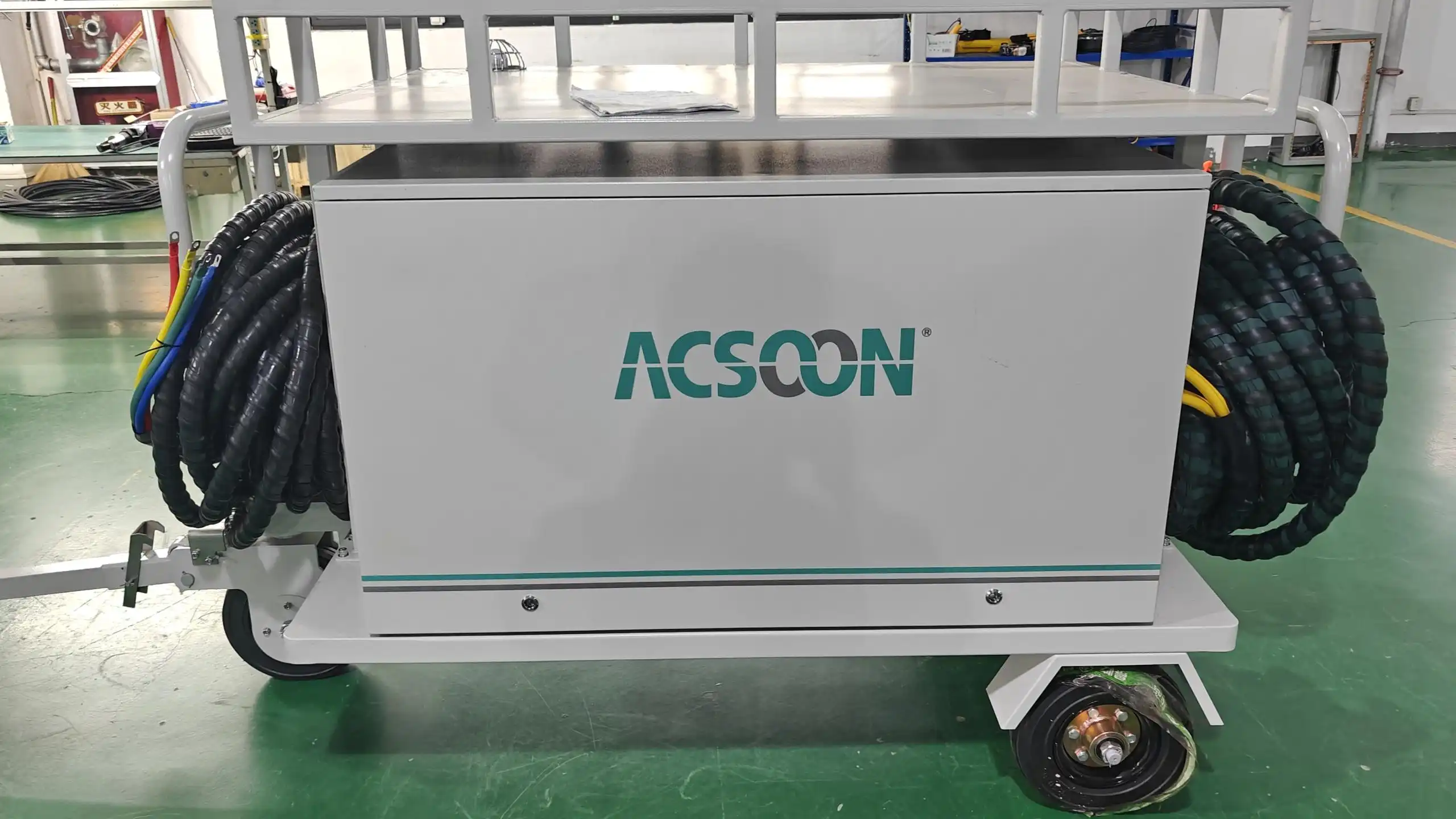
Since 2007, Xi'an Jerrystar Instrument Co., Ltd. has become one of the best companies in the world at making specialized power conversion tools. Focusing on ACSOON brand converters has given the company a lot of experience with 400Hz frequency conversion technology, which is important for aircraft uses. Because of this specialization, products can be made that are perfect for the strict needs of aircraft ground support activities.
The company's manufacturing space is between 5,000 and 10,000 square meters and is fully equipped with modern production equipment and testing tools. This infrastructure works with both regular product lines and solutions that are made to fit the needs of each individual customer. When you combine industrial flexibility with technical know-how, you can quickly solve problems that only happen in certain applications.
Product Portfolio and Customization
JERRYSTAR makes a wide range of products, such as 400Hz static frequency converters, variable frequency converters, and complete ground power systems. The top GPU400-330180 model shows how dedicated the company is to accuracy and dependability; it has a solid-state design and great voltage regulation abilities. This dedication to technical excellence applies to all of the products in the line.
The ability to make things to order meets specific needs that standard goods can't meet. The engineering team works closely with customers to come up with solutions that meet their unique needs for voltage, frequency, and packaging. When standard configurations don't work well for OEM uses or specialized testing environments, this flexibility comes in handy.
Quality Assurance and Support Services
Tough quality control measures make sure that all product lines work the same way. The manufacturing method includes careful selection of parts, inspections while the product is being made, and thorough final testing. Calibration of testing tools on a regular basis keeps measurements accurate, and efforts to improve things all the time use customer feedback to help make new products.
Maintenance programs, professional help, and the ability to respond quickly are all part of comprehensive support services. It's important for urgent uses that the company keeps enough inventory on hand to meet quick delivery needs. This dedication to customer support goes beyond the original delivery and covers the entire lifecycle of the equipment, ensuring that it is always operational and that the customer is happy.
Conclusion
Selecting a high-quality aviation ground power unit requires careful evaluation of technical specifications, construction quality, and manufacturer capabilities. The most reliable systems combine solid-state technology with comprehensive protection features and precise voltage regulation. Manufacturers like JERRYSTAR demonstrate the importance of specialized expertise and ongoing support in delivering solutions that meet the demanding requirements of aviation ground support operations. Quality units provide long-term value through reliable performance, reduced maintenance requirements, and comprehensive safety features that protect both equipment and personnel.
FAQ
Q: What factors determine the lifespan of ground power equipment?
A: Equipment longevity depends primarily on usage intensity, maintenance practices, and environmental conditions. Units operating in controlled environments with regular maintenance typically achieve 15-20 years of reliable service. Proper installation, adequate ventilation, and adherence to recommended maintenance schedules significantly extend operational life while reducing unexpected failures.
Q: How do I choose between diesel and electric power systems?
A: Electric frequency converters offer superior precision, lower maintenance requirements, and cleaner operation compared to diesel alternatives. Diesel systems provide independence from electrical infrastructure but require fuel management and produce emissions. Electric units like the ACSOON GPU400-330180 deliver exceptional voltage stability essential for sensitive avionics testing while eliminating fuel-related operational complexities.
Q: What maintenance challenges should I expect with these systems?
A: Common maintenance requirements include regular inspection of electrical connections, cooling system cleaning, and protection system testing. Solid-state designs minimize maintenance complexity by eliminating moving parts and reducing wear components. Preventive maintenance programs help identify potential issues before they impact operations, while comprehensive protection systems prevent damage from electrical faults and environmental conditions.
Partner with JERRYSTAR for Premium Ground Power Solutions
JERRYSTAR delivers world-class power conversion equipment engineered specifically for demanding aviation applications. Our ACSOON GPU400-330180 provides exceptional 180kVA output with industry-leading ±1% voltage regulation, ensuring reliable performance for critical avionics testing operations. As an experienced aviation ground power unit supplier, we combine advanced solid-state technology with comprehensive protection systems and IP54 environmental ratings. Contact our technical team at acpower@acsoonpower.com to discuss your specific requirements and discover how our customizable solutions can enhance your ground support capabilities while delivering superior long-term value.
References
1. International Civil Aviation Organization. "Standards and Recommended Practices for Aircraft Ground Support Equipment." ICAO Annex 14, Volume I, Aerodrome Design and Operations, 8th Edition.
2. Federal Aviation Administration. "Advisory Circular AC 150/5220-10D: Guide Specification for Aircraft Rescue and Fire Fighting Vehicles." Department of Transportation, 2015.
3. Society of Automotive Engineers. "SAE AS6858: Performance Standard for 400 Hz Ground Power Units for Commercial and Military Aircraft." SAE International Aerospace Standard, 2019.
4. European Aviation Safety Agency. "Certification Specifications for Ground Support Equipment." CS-GSE Amendment 2, Technical Requirements for Aviation Ground Power Systems, 2020.
5. Institute of Electrical and Electronics Engineers. "IEEE Standard 519-2022: Recommended Practice and Requirements for Harmonic Control in Electric Power Systems." IEEE Power and Energy Society, 2022.
6. National Institute for Occupational Safety and Health. "Criteria for a Recommended Standard: Occupational Exposure to Aviation Ground Support Equipment Emissions." NIOSH Publication No. 2018-106, Centers for Disease Control and Prevention, 2018.