



How Reliable Is an Airport Ground Power Unit System?
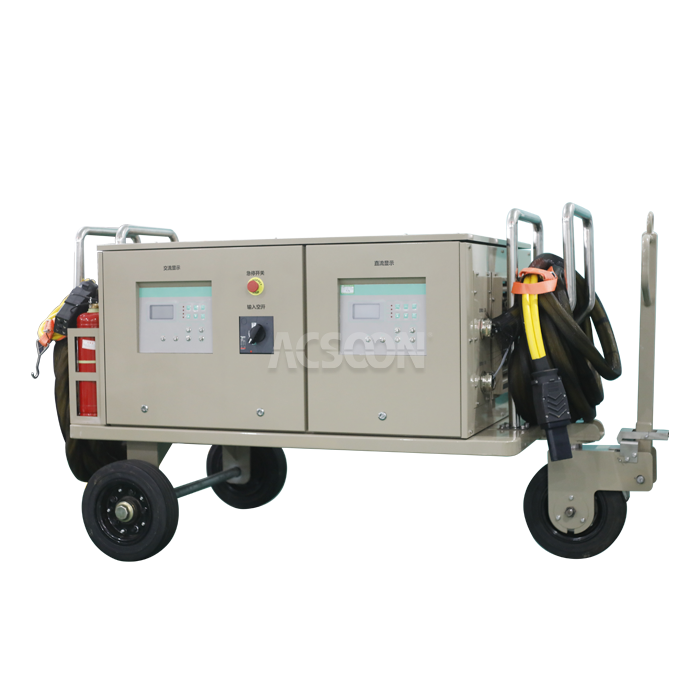
When designed and kept correctly, airport ground power unit systems are very reliable, with uptime rates usually topping 98% in business flight settings. Modern ground power equipment has advanced frequency conversion technology, strong environmental protection features, and full tracking systems that make sure airplanes always get 400Hz power. These important power systems depend on strict repair schedules, high production standards, and correct operating processes that work together to keep service delays to a minimum and improve the general efficiency of airport operations.
Understanding Airport Ground Power Units and Their Reliability
Operational Principles and Power Delivery Methods
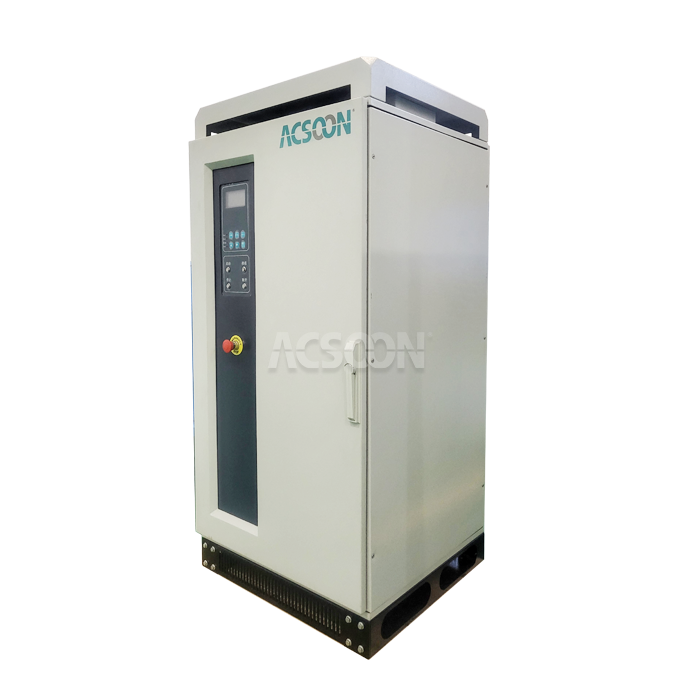
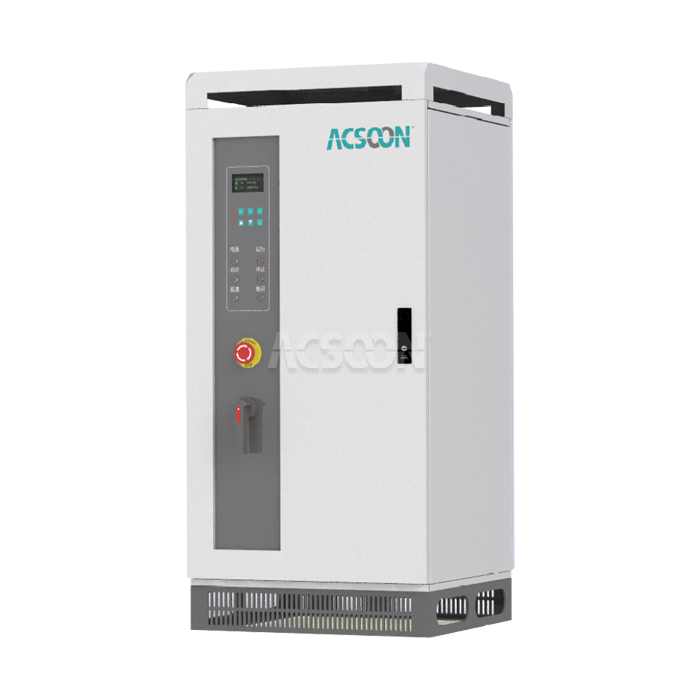
Airport ground power systems are very complex frequency processors that change regular energy from the grid into the 400Hz AC power that commercial and military planes need. To make sure they work with sensitive aircraft electrical systems, these units must keep precise voltage regulation, frequency stability, and phase balance. Ground power equipment is reliable because it can provide consistent power quality even when the load changes. These days' static frequency converters use advanced switching technology and digital control systems that keep the power features at their best even when the load changes.
GPU Types and Design Impact on Dependability
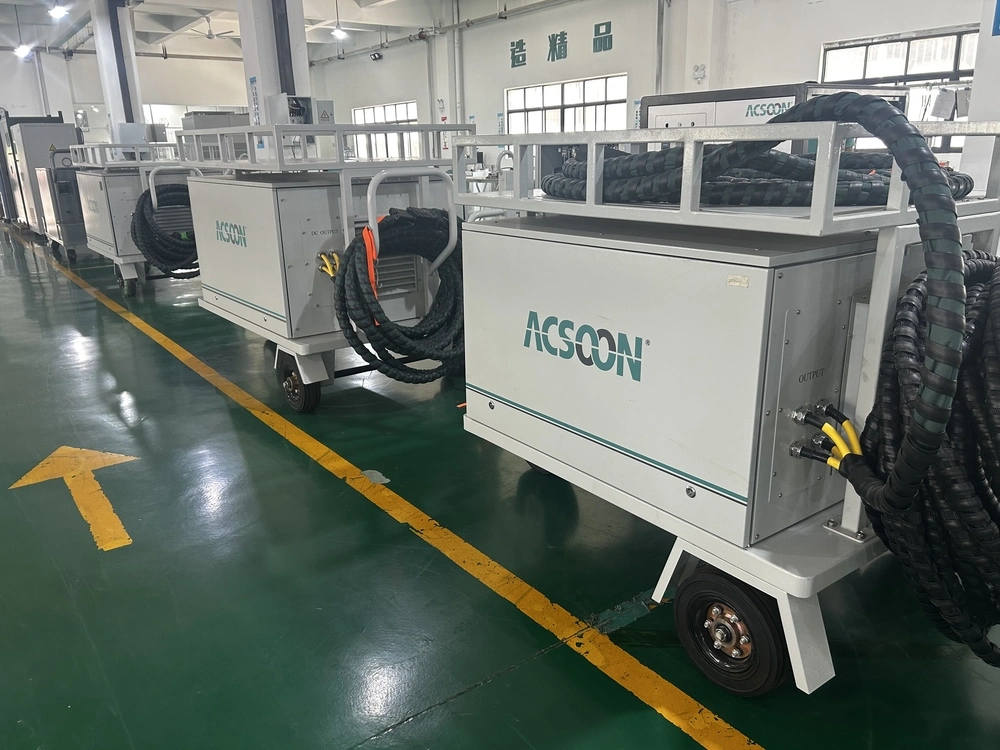
Different ground power unit configurations offer distinct reliability advantages depending on operational requirements and environmental conditions. Here are the primary system types and their reliability characteristics:
• Static Frequency Converters: These solid-state units provide superior reliability through the elimination of mechanical components, reduced maintenance requirements, and precise digital control systems that enable real-time performance monitoring and fault detection capabilities.
• Diesel-Powered Mobile Units: Self-contained systems offer operational flexibility and independence from grid infrastructure, though reliability depends heavily on engine maintenance schedules and fuel quality management protocols.
• Electric Fixed Installation Systems: Grid-connected units deliver excellent reliability in controlled environments with backup power provisions, featuring simplified maintenance requirements and reduced operational complexity.
• Hybrid Power Solutions: Combined systems integrate multiple power sources to enhance overall system reliability through redundancy and automatic switchover capabilities during primary system maintenance or failures.
These diverse configurations enable airports to select optimal solutions based on specific operational demands and reliability requirements.
Advanced Features Enhancing System Reliability
The airport ground power units use cutting-edge technologies that make them much more reliable and allow for better tracking of performance. Smart monitoring systems offer real-time diagnostics, alerts for planned maintenance, and full performance data logging that lets you plan maintenance ahead of time. Energy efficiency technologies lower the stress of heat on important parts while lowering costs and harm to the environment. Advanced cooling systems, high-efficiency transformers, and optimized power conversion circuits all help to extend the life of components and lower the number of times they break. Noise reduction features make sure that airport environmental rules are followed and protect sensitive electronic components from stress caused by vibration. All of these changes to the combined design make the system more reliable and last longer.
Factors Influencing the Reliability of Airport Ground Power Units
Maintenance Regimes and Preventive Care Protocols
Systematic ordering of repair is the most important factor in determining the long-term dependability and operating performance of an GPU. Regular preventive maintenance checks should be done on electrical connections, the cooling system, the control circuit, and the power quality. Every 5000 hours of operation, professional maintenance teams should do full inspections that include thermal imaging, insulation resistance testing, and harmonic distortion analysis. These preventative steps find possible problems before they become expensive system breakdowns or service interruptions. Troubleshooting methods must include both electrical and mechanical system parts, with a focus on checking power quality and weather sensors. Keeping good records of maintenance tasks lets you look at patterns and improve predicted maintenance.
Environmental Exposure and Performance Impact
There are special problems that only happen at airports that affect how reliable ground power units are and how long they last. Extreme changes in temperature and humidity, as well as exposure to aircraft exhaust emissions, make operating conditions very difficult and require strong equipment design. Protective enclosures with the right ingress protection ratings keep electronics safe from moisture, dust, and other corrosive elements that are common in airport environments. The IP54 protection standard keeps external contaminants out well enough while still allowing for easy entry for regular maintenance. Frequent startup and stop processes in operations put heat stress on power conversion components. Advanced temperature management systems and slow power boosting procedures help keep parts from overworking and make tools last longer.
Safety Protocols and Operator Training Requirements
A lot of safety rules make sure that everything works right and keep people and the plane safe from electrical dangers. Operators of ground power units must get special training in how to connect and disconnect equipment properly, what to do in an emergency, and how to spot possible dangers. Regular safety checks make sure that operators are following aircraft industry standards and look for ways to make operating processes better. These tests should check the integrity of the grounding system, the state of the cables, and the use of personal safety equipment by workers. Standardized working methods lower the chance of mistakes and make sure that the quality of power delivery is always the same. Making sure that safety rules and emergency reaction plans are written down clearly helps with daily operations and avoiding accidents.
Airport Ground Power Unit vs. Alternative Power Solutions: Reliability Perspective
Comparison with Auxiliary Power Units (APUs)
As an alternative to airport ground power unit, aircraft auxiliary power units can generate electricity on board, but they have different dependability issues. During ground operations, APUs use a lot of fuel and make noise and emissions that may be against airport environmental rules. Ground power units get rid of the costs and problems caused by APUs while also providing more stable power through special frequency conversion systems. External power solutions also cut down on engine maintenance needs, and the number of hours an APU component has to work means it lasts longer. The reliability benefit of ground power systems becomes clear in high-use situations where consistent power quality and lower maintenance costs are more important than the convenience of onboard generation.
Diesel vs. Electric vs. Mobile GPU Reliability Metrics
Diesel-powered ground power units can work on their own, but they need to be serviced regularly to keep the engine, fuel management, and emission control systems in good shape. These units work very well in remote areas that don't have good electrical connections. Electric ground power systems are more reliable because they have simpler designs, need less upkeep, and don't have any failure modes related to burning. Grid-connected units have stable power sources and centralized repair facilities. Mobile setups give operators more options, but they also add more failure spots and make operations more complicated. Transport methods, storage systems, and release processes all add variables that could affect how reliable the system is as a whole.
Power Source Implications on Durability and Maintenance
The power source you choose has a big effect on how long something will last and how much it will cost to maintain. Electric systems usually don't need to be serviced as often and have a lower total cost of ownership because they use fewer parts and are easier to maintain. Diesel systems, on the other hand, need regular engine maintenance, fuel system cleaning, and emission control servicing, which makes them more difficult to use and costs more to maintain. However, these units are useful as backups during grid failures or times when the electrical system needs maintenance. Scheduling for maintenance must take into account the needs of power sources while also making sure the system is available enough for peak operating times. Strategic planning for repair improves dependability while reducing the number of interruptions to operations.
Procurement Insights: Choosing Reliable Airport Ground Power Unit Systems
Essential Evaluation Criteria for Procurement Professionals
A brand's image is one of the best ways to tell how reliable a product is and how well the maker can back it. Established companies with a lot of experience in the aviation industry usually offer better technical support, spare parts availability, and warranty coverage that make systems more reliable over time. Warranty terms should include clear performance guarantees and response time commitments, as well as long coverage periods. For setups that get a lot of use and where system downtime costs a lot, extended protection choices may be worth it. After-sales support should include technical training, managing extra parts supplies, and emergency service reaction procedures. For foreign airport operations that need uniform support standards, manufacturers with global service networks are a plus.
Cost-Benefit Analysis and Total Cost of Ownership
The initial cost of buying tools is only a small part of the total costs of owning a ground power unit over its lifetime. When doing a full cost analysis, you need to think about things like construction costs, training needs, upkeep costs, energy use, and eventually replacement costs. Energy efficiency has a direct effect on operating costs by lowering the amount of electricity used and the amount of cooling that is needed. The higher starting cost of high-efficiency systems may be worth it in the long run because they save energy over longer periods of time. When estimating maintenance costs, it's important to take into account what the maker recommends, how well local service can handle the system, and how readily available extra parts are. Systems that need specialized tools or rare parts may have higher repair costs, even if they cost less to buy in the first place.
Capacity Planning and Specification Matching
When you choose the right capacity, you can be sure that power will be delivered reliably without spending too much or too little on capacity. The amount of power an airplane needs depends on the type of plane it is, its operational phase, and the weather, which can change the cooling and heating loads. The 60KVA power rating of advanced ground power units is enough for most commercial aircraft applications while still being efficient during partial load operations. When doing the right size calculations, you need to think about both high-demand cases and plans to grow your fleet in the future. When matching specifications, you need to pay close attention to how well the input voltage and output frequency work together and how the environment needs to be protected. When compared to general-purpose options, systems that are made for special tasks usually offer better stability.
Company Introduction and Our Reliable Airport Ground Power Units
Since 2007, Xi'an Jerrystar Instrument Co., Ltd. has been one of the best places to get an airport ground power unit. They focus on making the ACSOON brand of advanced frequency conversion tools. Our many years of experience in aviation, military, marine, and industrial settings show that we are dedicated to providing dependable power solutions for important operations all over the world. Our cutting-edge design and production methods make sure that our products meet the highest standards of dependability and efficiency needed for airport operations to run smoothly. Before sending equipment to users around the world, the company has strict testing methods and full quality control systems that make sure the equipment works as expected.
Advanced Product Portfolio and Reliability Features
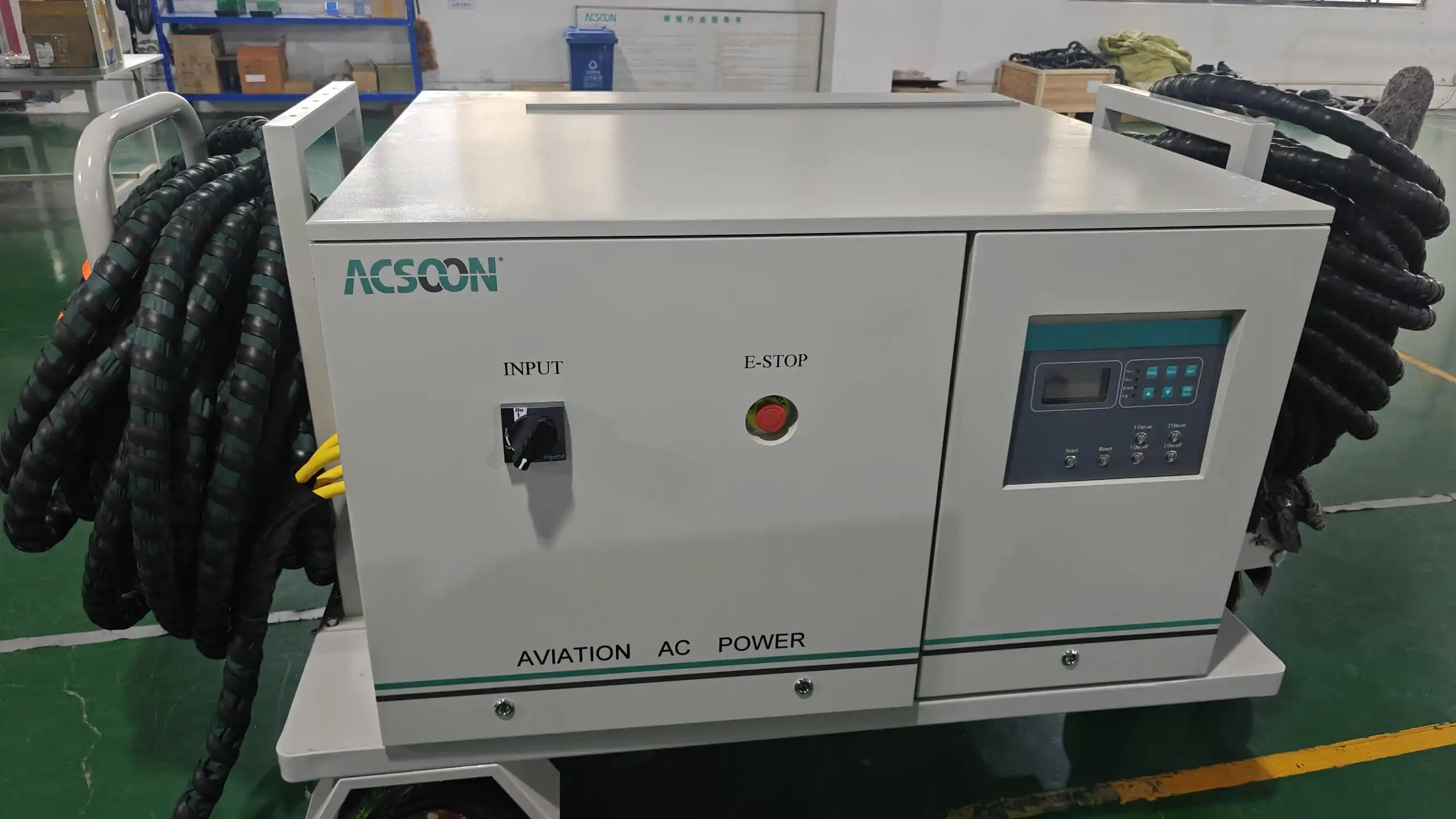
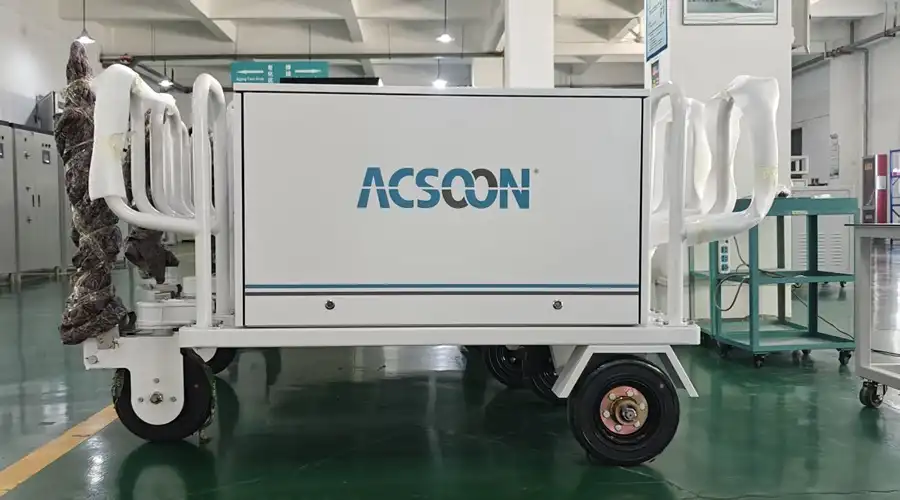
Our top-of-the-line GPU400-330060 model is the best static frequency converter on the market. It uses advanced solid-state conversion methods to give 60KVA of stable 400Hz power. This unit has a precise phase angle symmetry of 120°±1° for balanced loads and 120°±2° for 30% unbalanced conditions, which makes it fully compatible with sensitive aircraft electrical systems. The integrated design combines the power supply and cable coil systems into a single IP54-rated enclosure, which protects them from the environment and makes installation and maintenance easier. The 26-meter cable length allows for flexible positioning under passenger boarding bridges while still making it easy to do regular inspections. Key features that improve reliability include advanced thermal management systems, fault detection tools that can find and fix all kinds of problems, and strong construction that is made to last in tough airport environments. All of these design elements work together to make sure that the system is always online and performing at its best for long periods of time.
Comprehensive Service and Support Capabilities
Our global location lets us provide quick technical help and extra parts to customers all over the world, ensuring that there is little downtime and maximum operating efficiency. We keep enough standard and custom-configured systems in stock so that we can quickly deliver them to meet pressing business needs. Our technical support services include full user training, advice on preventative maintenance, and the ability to respond to emergencies. Our experienced engineering team creates custom solutions for applications that need special power conversion or environmental changes. Our presence at major industry events like the Inter Airport Expo, the Dubai Airshow, and the Singapore Airshow shows that we are dedicated to keeping up with customer needs and industry trends. Based on feedback from real-world operations, these exchanges allow for ongoing product growth and service improvement.
Conclusion
Reliability of airport ground power units relies on many linked factors, such as the quality of the design, upkeep processes, environmental concerns, and how the units are used. Modern static frequency converters are very reliable because they have advanced control systems, are built to last, and have full monitoring features that allow for proactive maintenance and fault prevention. When choosing ground power solutions, procurement professionals need to look at the total cost of ownership, the manufacturer's support options, and the product's track record of long-term reliability. When you combine new technologies with regular maintenance and full operator training, you get the best system performance and longer operating lifecycles. This makes the initial investment costs worth it because you save money on running costs and make the airport more efficient.
FAQ
What are the typical service intervals for ground power units?
Standard maintenance intervals typically occur every 5000 operating hours or quarterly, whichever comes sooner. Comprehensive annual inspections should include electrical system testing, cooling system verification, and power quality analysis to ensure continued reliable operation.
How can operators identify early indicators of reliability issues?
Key warning signs include voltage fluctuations, frequency instability, excessive noise levels, elevated operating temperatures, and unusual vibrations. Modern units with integrated monitoring systems provide real-time alerts for parameter deviations that may indicate developing problems.
Are electric GPUs viable replacements for diesel systems?
Electric ground power units offer superior reliability and lower maintenance costs compared to diesel alternatives, making them excellent replacements where adequate electrical infrastructure exists. The elimination of engine maintenance requirements and fuel system complications significantly improves overall system dependability.
What factors affect power quality reliability in ground power units?
Power quality depends on input voltage stability, load characteristics, ambient temperature, component aging, and maintenance conditions. High-quality static frequency converters maintain excellent power quality through advanced control algorithms and robust component selection designed for aviation applications.
How do environmental conditions impact ground power unit performance?
Extreme temperatures, humidity variations, and exposure to contaminants can affect system reliability. Proper enclosure protection, adequate ventilation, and regular cleaning procedures help maintain optimal performance across diverse environmental conditions commonly encountered in airport operations.
Partner with JERRYSTAR for Reliable Ground Power Solutions
Xi'an Jerrystar Instrument Co., Ltd. stands ready to support your ground power requirements with our proven ACSOON technology and comprehensive service capabilities. Our airport ground power unit supplier expertise spans aviation, military, and industrial applications, ensuring optimal solutions for your specific operational demands. Contact our technical team at acpower@acsoonpower.com to discuss custom configurations, bulk procurement opportunities, and comprehensive support packages tailored to your reliability requirements and operational objectives.
References
1. International Civil Aviation Organization. "Standards and Recommended Practices for Aerodromes - Aerodrome Design and Operations." ICAO Annex 14, Volume I, 2018.
2. Society of Automotive Engineers. "Aircraft Ground Power Systems Safety Requirements." SAE Aerospace Standard AS6858, 2019.
3. Federal Aviation Administration. "Advisory Circular on Ground Power Unit Operations and Safety." AC 150/5220-25B, U.S. Department of Transportation, 2020.
4. European Aviation Safety Agency. "Certification Specifications for Ground Power Equipment." CS-APU Amendment 3, European Union Aviation Safety Agency, 2021.
5. International Air Transport Association. "Ground Support Equipment Management Guidelines." IATA Airport Handling Manual, 35th Edition, 2022.
6. Institute of Electrical and Electronics Engineers. "Recommended Practice for 400 Hz Electrical Systems in Commercial Aviation." IEEE Standard 738-2021, IEEE Power and Energy Society, 2021.