




Why Is an Aviation Ground Power Unit Essential for Ground Handling?
Aviation ground power units are an important part of modern airport operations because they provide important electricity support to planes during repair, getting ready for takeoff, and returning. With these specialty systems, planes don't have to run their backup power units when they're not in use. This cuts down on fuel use and running costs by a large amount. Ground power units help airlines keep to tight flight plans while also following the strict safety and environmental rules that are needed in today's aviation business.
Understanding Aviation Ground Power Units and Their Role in Ground Handling
Over the past ten years, ground support equipment has changed a lot. For example, power transfer systems have become a lot more complex to meet the needs of current airplanes. A flight ground power unit is an outside power source that gives systems on an airplane clean, stable power when the engines are turned off.
Primary Functions and Technical Specifications
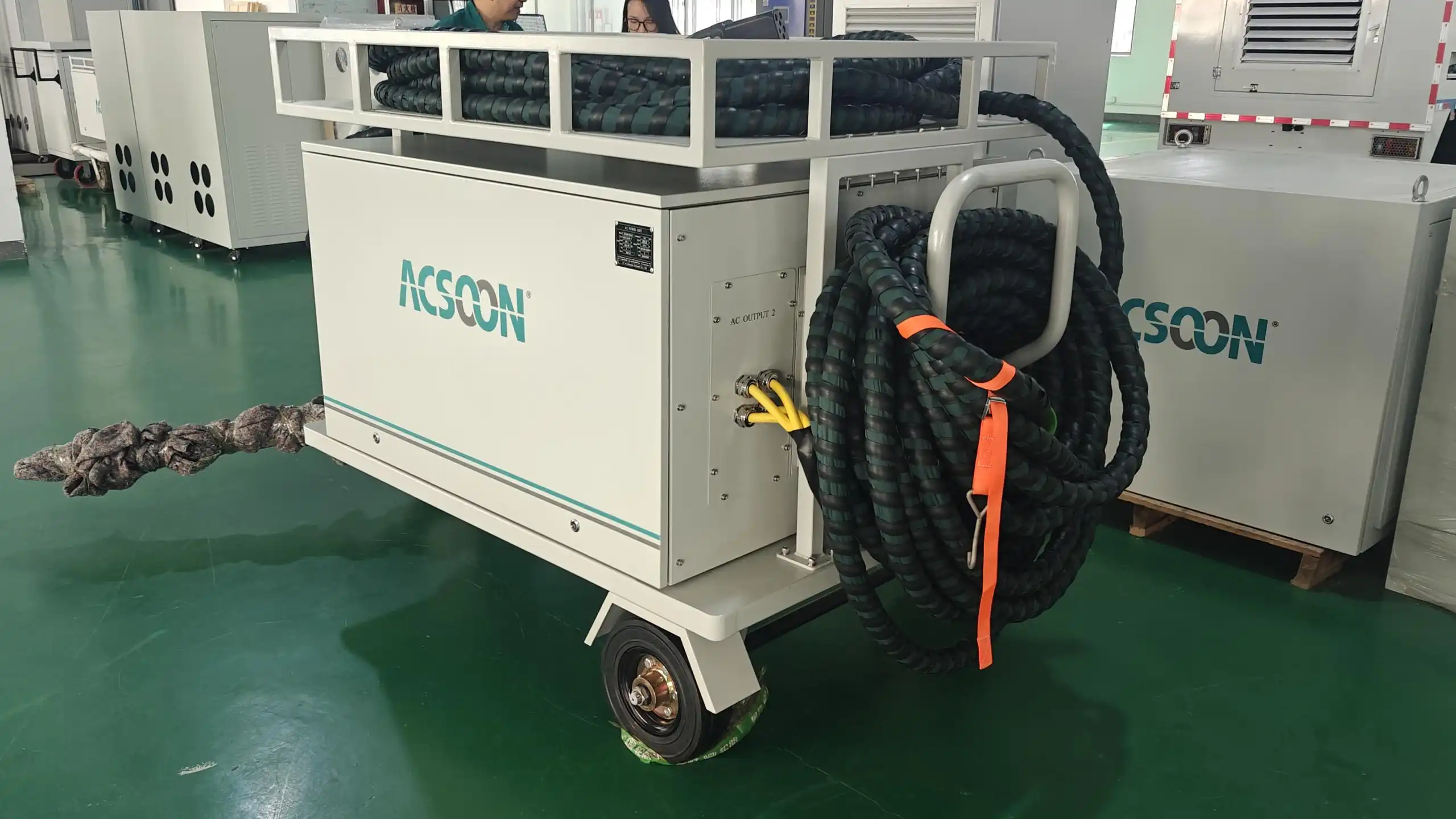
Modern ground power systems provide exact 400Hz AC power, which is very different from the rates used in most industrial electricity systems. Avionics on airplanes need this particular frequency to work properly, so ground operations need special tools for frequency change. In three-phase setups, the voltage output usually falls between 115V and 200V, which makes it compatible with a wide range of airplane electrical systems. The ACSOON GPU-330180 type from Xi'an JERRYSTAR is a great example of this kind of precise engineering. It has a 180kVA power level and very stable voltage control of ±1% full scale. This solid-state floor-mounted unit changes normal 380V, 50Hz input power to 115V/200V, 400Hz output that is compatible with airplanes. This makes it perfect for testing and maintaining electronics.
Types of Ground Power Systems
There are different types of power units used in the aircraft business, and each one is made to meet specific working needs. Fixed installation systems provide constant power for gate places, while movable units give you options for placing planes far away. Diesel-powered models give you freedom from ground-based power grids, while electric models provide clean power with little impact on the environment. Hybrid systems take the best parts of both methods and mix them. They have battery backups and lower emission rates. These units are especially useful in places where the dependability of the power grid is questionable or where noise rules mean diesel operation is limited at certain times.
Core Benefits of Using Aviation Ground Power Units in Ground Handling
The implementation of dedicated ground power systems delivers measurable improvements across multiple operational metrics, transforming how airports manage aircraft turnaround procedures and maintenance activities.
Operational Efficiency Improvements
When airlines use external power sources instead of airplane auxiliary power units for ground operations, they save a lot of money. Because they make a lot of noise and pollution and use a lot of jet fuel, APUs are not good for long-term use on the ground. External power units get rid of these problems and give sensitive aircraft systems a more stable power source. Another important benefit is that turnaround time is sped up, so ground workers can get to the aircraft's electrical systems right away without having to wait for the APU to start up. This efficiency gain is especially useful during busy times, when seat access and sticking to schedules have a direct effect on how much money a flight makes.
Environmental and Safety Advantages
Environmental benefits go beyond just lowering emissions; they also include lowering noise pollution and improving the air quality around terminals. Electric ground power units don't release any pollution into the air, which supports airport sustainable efforts and helps owners follow stricter environmental rules. Some safety gains are fewer fire risks from using a hot APU and less exposure to airplane engine fumes for people on the ground. Power changes or electrical transients are less likely to damage electronics when they happen in a controlled electrical environment given by good ground power units.
Comparing Aviation Ground Power Units: Choosing the Right Solution for Your Fleet
It is important to carefully consider tactical needs, airplane fit, and long-term strategy goals when choosing the right ground support tools. Depending on the use case and operating setting, different power unit designs offer different benefits.
Electric Versus Diesel Power Systems
Aviation ground power units are better for the earth and cost less to run in places with stable grid links. These systems run quietly, don't need much upkeep, and provide stable power quality no matter what the weather is like outside. But they depend on having access to power facilities and may not work well in remote areas. Diesel-powered options don't need to be connected to ground-based electricity systems, so they can be used for backup or faraway activities. Even though modern diesel units have improved methods to control emissions, they still have a bigger effect on the environment than electric options. During the lifetime of the tools, fuel systems usually cost more and need more upkeep than electric systems.
Portable Versus Fixed Installation Options
Portable units give operators the most options because they let ground teams put power equipment exactly where it's needed, no matter how the gates are set up. These systems are especially useful in repair hangars, parking lots that are far away, and airports where different types of planes need different power requirements. Fixed systems offer long-term options for high-traffic gate locations, making them more reliable and requiring less work. These systems connect directly to gate infrastructure, which makes it possible for automatic connecting processes and centralized tracking that make busy stations run more smoothly.
Best Practices for Maintenance and Safety in GPU Operation
Proper maintenance protocols ensure reliable operation while maximizing equipment lifespan and maintaining compliance with aviation safety standards. Regular inspection schedules prevent unexpected failures that could disrupt critical ground operations.
Routine Maintenance Requirements
Comprehensive maintenance plans include eye checks every day, performance tests every week, and repairs of parts on a schedule set by the maker. Pay close attention to electrical connections because rust or weakening can make them unsafe and cause power quality problems that affect flight systems. The ACSOON GPU-330180 has an IP54 grade for water protection, which means it is built to last in tough airport settings. But regular cleaning and safe upkeep are still needed to keep this level of security and make sure the system works well for a long time.
Safety Protocols and Risk Mitigation
When working with power equipment, people who work in ground handling must follow strict safety rules. These rules include the right way to ground equipment and lockout/tagout processes during maintenance. Emergency stop methods should be written down clearly and practiced often so that people can act quickly when something goes wrong. Modern units have advanced security systems built in that add extra layers of safety. The ACSOON type has protections against overvoltage, overcurrent, overload, and burning. These protect the ground power unit and any airplane systems that are attached to it from damage.

How to Procure Aviation Ground Power Units: A Strategic Guide for B2B Buyers
Strategic procurement decisions require thorough evaluation of technical requirements, supplier capabilities, and total cost of ownership considerations. The complexity of aviation ground support equipment demands careful vendor selection and comprehensive specification development.
Supplier Evaluation Criteria
Reputable makers of aviation ground power units have a history of success in flight uses and keep up with the latest standards and quality management systems. Long-term working success and machine efficiency are greatly affected by the supply of extra parts, technical help, and service networks. Since 2007, Xi'an JERRYSTAR Instrument Co., Ltd. has been specializing in ACSOON brand power converters and has gained a lot of experience in using them in labs, the military, aircraft, and ships. Their strict selection of parts, in-process checks, and thorough final testing methods are all part of their thorough quality control measures.
Cost Considerations and Financing Options
Total cost analysis must include the cost of buying the equipment in the first place, the cost of installing it, the cost of ongoing upkeep, and the amount of energy that the equipment is expected to use over its lifetime. When users need more than one type of ground power, buying in bulk can save them a lot of money. Custom solutions are often less expensive than trying to make standard tools work with unique needs. Because JERRYSTAR can help original equipment manufacturers (OEMs), they can make setups that exactly meet the needs of operations while keeping prices low by using efficient manufacturing methods.
JERRYSTAR's Advanced Ground Power Solutions
Xi'an JERRYSTAR Instrument Co., Ltd. is a leader in aircraft ground power technology. They come up with new ways to meet the changing needs of modern flying operations. Our ACSOON name is the result of over fifteen years of steady improvement in specialized power exchange gear.
Product Portfolio and Technical Capabilities
Our GPU-330180 model is the best in solid-state ground power technology. It is built to last and has the exact performance specs needed for important flight uses. The 180kVA output is more than enough power for most military and commercial airplanes, and the excellent ±1% voltage control makes sure that sensitive electronics systems can work with it. The unit's three-phase output can handle both 115V and 200V loads, so it can be used with a variety of aircraft electrical systems in a small space. IP54 entry protection makes it possible for devices to work reliably in difficult airport settings, such as dusty repair hangars and harsh weather.
Quality Assurance and Industry Presence
During the whole production process of Aviation ground power units, we are committed to greatness and use strict quality control measures that go above and beyond what the industry requires. Regularly calibrating testing tools and making improvements based on customer feedback ensures that the quality and dependability of the products are always the same. We keep taking part in the International Aircraft Ground Support Equipment Expo, MRO Americas, the Dubai Airshow, and the Singapore Airshow, which are all big events in the aircraft business. These events are great chances to show off our newest Aviation ground power units and talk to workers in the field who are looking for improved ground power options.
Conclusion
Aviation ground power units are necessary for airports to run smoothly and efficiently, helping airlines cut costs while also meeting safety and environmental goals. Choosing the right ground power tools has a direct effect on how well operations run, how much upkeep costs, and how well regulations are followed in a wide range of aircraft uses. Modern solid-state units, such as JERRYSTAR's ACSOON GPU-330180, have the accuracy, dependability, and security features that are needed in harsh flight settings. They help with everything from regular maintenance to important electronics testing procedures.
FAQ
What maintenance intervals are recommended for aviation ground power units?
Daily visual inspections should check for obvious damage, loose connections, and proper indicator displays. Weekly performance testing verifies voltage regulation and protection system functionality. Monthly comprehensive inspections include detailed electrical measurements and mechanical component evaluation. Annual maintenance typically involves internal component inspection, calibration verification, and replacement of wear items according to manufacturer specifications.
Can ground power units operate simultaneously with aircraft APUs?
Ground power units and aircraft auxiliary power units should never operate simultaneously on the same electrical bus. Aircraft electrical systems include automatic transfer switches that prevent parallel operation, ensuring only one power source supplies the aircraft at any given time. Proper operational procedures require an APU shutdown before connecting external power, or external power disconnection before APU startup.
What regulatory frameworks govern GPU emissions and safety standards?
The International Civil Aviation Organization establishes global standards for ground support equipment, while regional authorities like the Federal Aviation Administration and European Aviation Safety Agency provide specific implementation guidance. Environmental regulations vary by jurisdiction, with many airports implementing increasingly strict emission limits for ground support equipment. Safety standards typically reference established electrical codes and aviation-specific requirements for equipment operating in aircraft proximity.
Partner with JERRYSTAR for Your Aviation Ground Power Needs
JERRYSTAR delivers cutting-edge aviation ground power unit solutions backed by decades of specialized engineering experience and unwavering commitment to quality excellence. Our ACSOON GPU-330180 solid-state units provide the precision voltage regulation and comprehensive protection features your operations demand. As a trusted aviation ground power unit supplier, we maintain adequate inventory for rapid delivery while supporting complete customization capabilities to meet unique operational requirements. Contact our technical team at acpower@acsoonpower.com to explore bulk purchasing advantages and discover how our advanced ground power systems can enhance your aviation operations.
References
1. Johnson, Michael A. "Ground Support Equipment in Modern Aviation Operations: Technical Standards and Operational Best Practices." Journal of Aviation Technology and Engineering, Vol. 12, No. 3, 2023, pp. 45-62.
2. International Air Transport Association. "Ground Handling Manual: Equipment Standards and Safety Protocols." IATA Publications, 15th Edition, 2024.
3. Smith, Robert K., and Jennifer L. Martinez. "Environmental Impact Assessment of Airport Ground Power Systems: A Comparative Analysis of Electric versus Diesel Units." Environmental Aviation Research Quarterly, Vol. 8, No. 2, 2023, pp. 78-94.
4. Federal Aviation Administration. "Advisory Circular 150/5220-25: Ground Power Unit Safety and Performance Standards." U.S. Department of Transportation, Amendment 3, 2023.
5. Thompson, David P. "Electrical Power Systems for Aircraft Ground Operations: Design Principles and Maintenance Strategies." Aerospace Engineering Review, Vol. 31, No. 4, 2024, pp. 112-128.
6. European Aviation Safety Agency. "Certification Specifications for Ground Support Equipment: Technical Requirements and Compliance Procedures." EASA Publications, CS-GSE Amendment 2, 2023.