



How to Size a 120V AC to DC Rectifier for Your Needs?
Selecting the right 120V AC to DC rectifier is crucial for various applications in industries, marine systems, and laboratory testing. Understanding how to size these devices properly ensures optimal performance and longevity of your equipment. A 120V AC to DC rectifier converts alternating current (AC) from standard power outlets into direct current (DC) required by many electronic devices and systems. The process of sizing involves considering factors such as power requirements, output voltage and current, and specific application needs. This guide will walk you through the essential steps to determine the appropriate size of a 120V AC to DC rectifier for your project, whether it's for navigation systems on marine ships, electronics testing on production lines, or powering onboard batteries. By following these guidelines, you'll be able to select a rectifier that not only meets your current needs but also accommodates future expansion, ensuring efficient and reliable power conversion for your specific applications.
What factors should be considered when choosing a 120V AC to DC rectifier?
Power Requirements
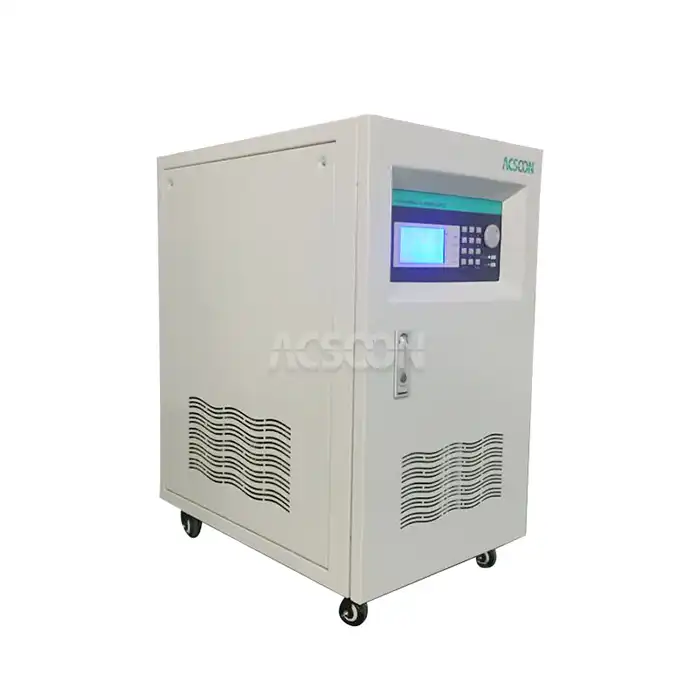
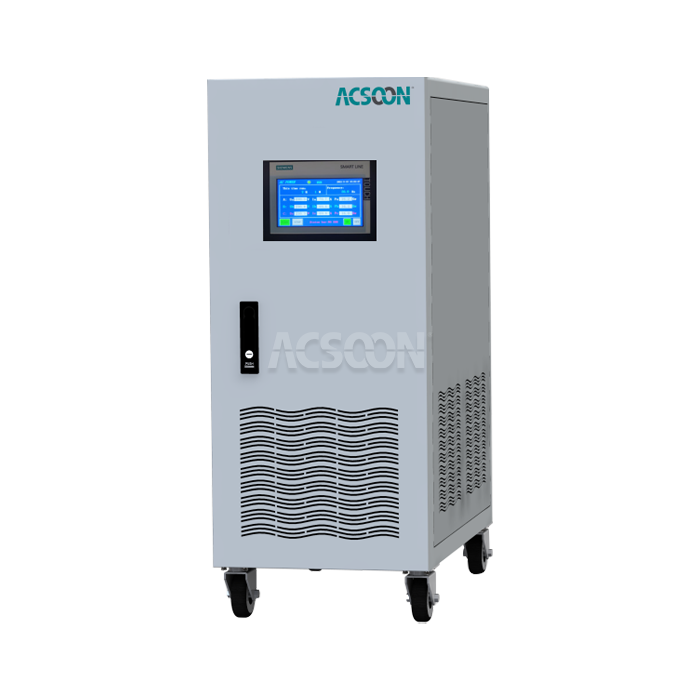
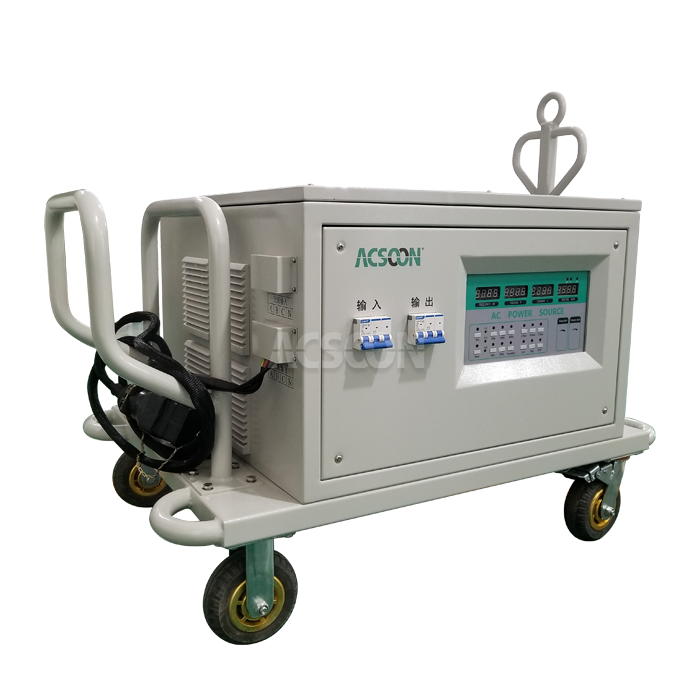
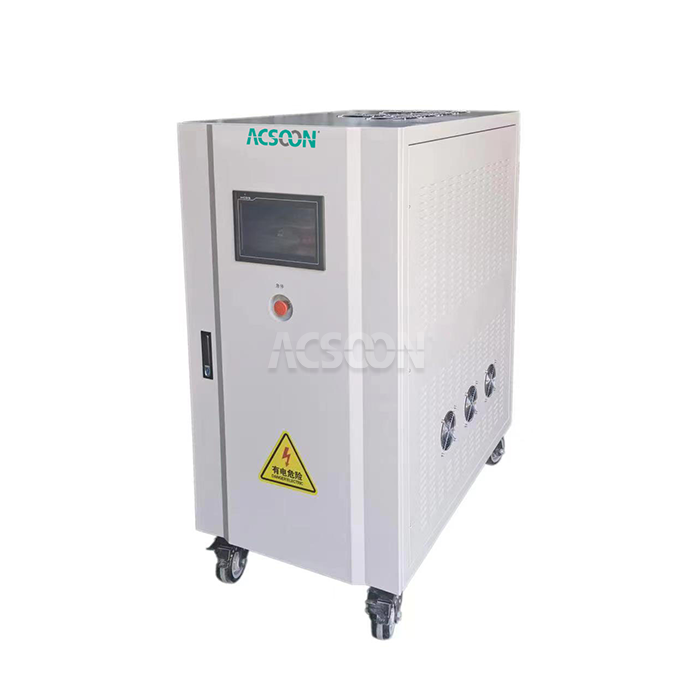
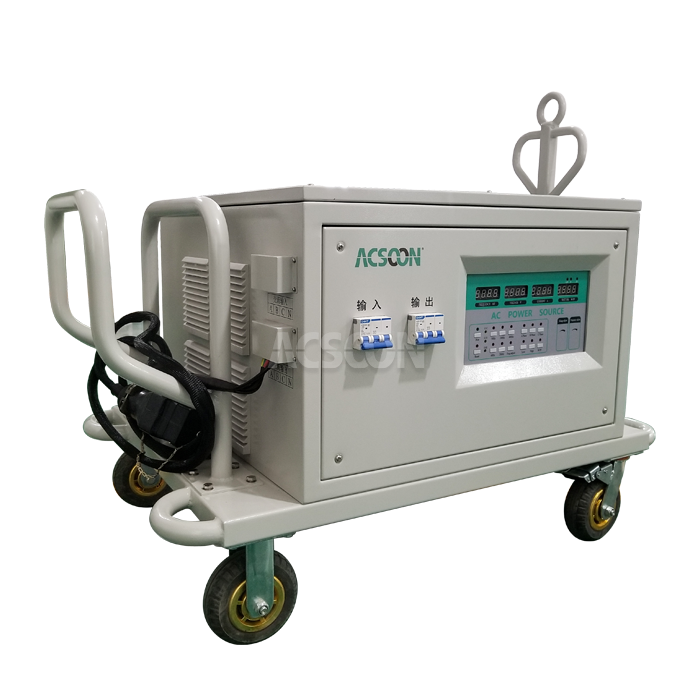
When selecting a 120V AC to DC rectifier, one of the primary factors to consider is the power requirements of your application. This involves calculating the total wattage needed by all the devices that will be powered by the rectifier. For instance, the ADCW01-120100 model from ACSOON offers a power rating of 12kW, which is suitable for high-power applications. To determine your power needs, list all the devices that will be connected to the rectifier and sum up their individual power consumptions. It's important to factor in any potential future expansions or additional equipment that might be added later. Always choose a rectifier with a power rating that exceeds your calculated requirements by at least 20% to ensure stable operation and allow for power fluctuations.
Output Voltage and Current
The output voltage and current specifications of a 120V AC to DC rectifier are critical for ensuring compatibility with your equipment. The ADCW01-120100 model, for example, provides an output of 120VDC at 100A. When sizing your rectifier, verify that the output voltage matches the requirements of your devices. Some applications may need lower voltages, in which case you might need to consider additional DC-DC converters. The current rating is equally important, as it determines the maximum amount of power that can be drawn safely from the rectifier. Ensure that the rectifier's current rating exceeds the total current draw of all connected devices. For applications with varying power demands, look for rectifiers with programmable features that allow for adjustable voltage and current settings.
Application-Specific Features
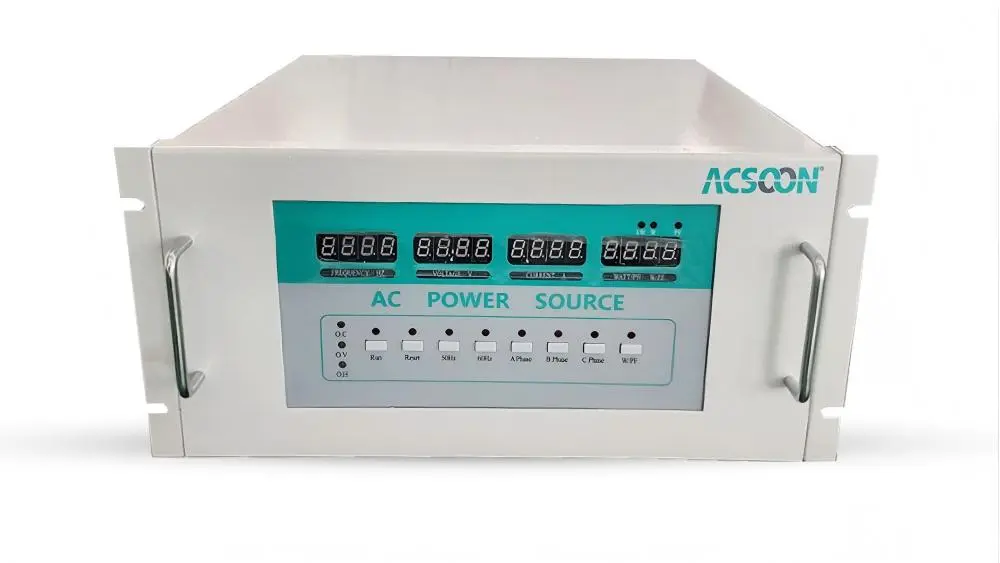
Different applications may require specific features in a 120V AC to DC rectifier. For instance, if you're using the rectifier for navigation systems on marine ships, you'll need a model that can withstand harsh environmental conditions and comply with maritime standards. The ACSOON ADCW01-120100 is designed for such applications, offering robust performance in challenging environments. For laboratory testing or production line applications, programmability becomes crucial. Look for rectifiers that offer interfaces like RS232, RS485, or LAN for computer control, enabling precise voltage and current adjustments and automated testing sequences. Additionally, features like multiple output groups for cycle testing can be invaluable for certain industrial applications. Always consider the specific requirements of your application, such as the need for rack mounting, remote monitoring capabilities, or compatibility with existing systems, when sizing and selecting your 120V AC to DC rectifier.
How does input supply affect the sizing of a 120V AC to DC rectifier?
Single-Phase vs. Three-Phase Input
The input supply characteristics play a significant role in sizing a 120V AC to DC rectifier. Rectifiers like the ADCW01-120100 can accept both single-phase and three-phase AC inputs, which affects their power handling capabilities and efficiency. Single-phase input is common in lower power applications and is typically limited to around 5kW, while three-phase input allows for higher power ratings, such as the 12kW offered by this model. When sizing your rectifier, consider the available input supply at your location. Three-phase power generally provides more stable and efficient operation for high-power applications, but it may not be available in all settings. If your application requires high power output and you only have single-phase supply, you might need to consider multiple rectifier units or upgrading your power supply infrastructure.
Frequency Considerations
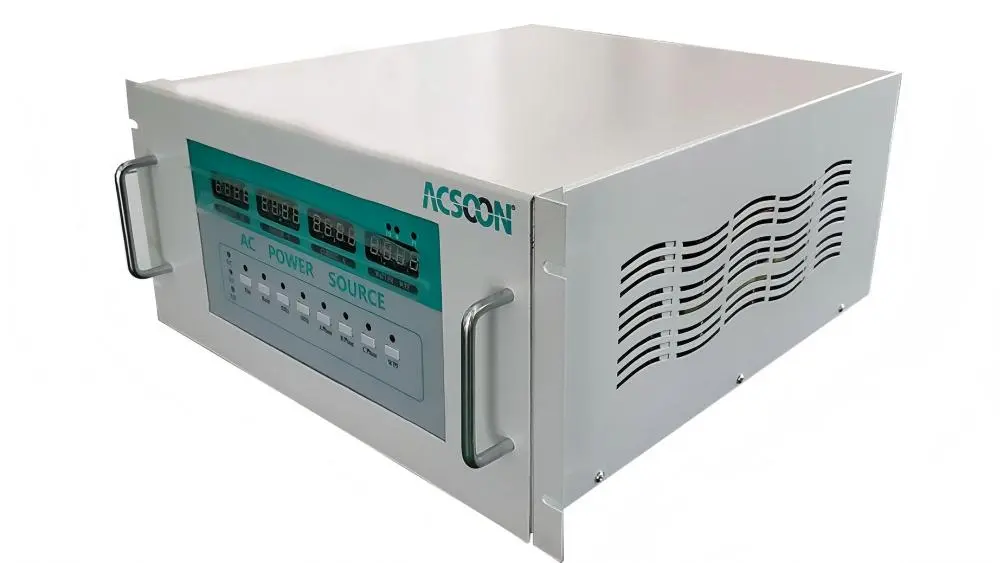
The frequency of the input AC supply is another crucial factor in sizing a 120V AC to DC rectifier. Most rectifiers, including the ADCW01-120100, are designed to operate with input frequencies ranging from 50Hz to 60Hz, which covers the standard power frequencies used worldwide. However, some specialized applications may require rectifiers that can handle different input frequencies. For instance, in aviation or military applications, you might encounter 400Hz power systems. In such cases, ensure that the rectifier you choose is compatible with the specific input frequency of your power source. Some advanced rectifiers offer wide input frequency ranges or can be customized to accept non-standard frequencies, providing flexibility for various application scenarios.
Voltage Fluctuations and Stability
When sizing a 120V AC to DC rectifier, it's essential to consider the stability of your input power supply and potential voltage fluctuations. The rectifier should be able to handle variations in input voltage without compromising its output performance. Look for features like wide input voltage ranges and built-in voltage stabilization. For applications where power quality is a concern, such as in industrial environments with heavy machinery or in remote locations with unreliable power grids, consider rectifiers with advanced power factor correction and surge protection capabilities. These features ensure that the rectifier can maintain stable DC output even when faced with less-than-ideal input conditions. Additionally, for critical applications, you might want to consider rectifiers with battery backup options or the ability to switch between multiple input sources to ensure uninterrupted power supply to your equipment.
What are the key performance metrics to evaluate in a 120V AC to DC rectifier?
Efficiency and Power Factor
When evaluating the performance of a 120V AC to DC rectifier, efficiency and power factor are two critical metrics to consider. Efficiency refers to how effectively the rectifier converts AC to DC power, with higher efficiency resulting in less energy waste and lower operating costs. Modern high-quality rectifiers like the ADCW01-120100 typically offer efficiencies above 90%. The power factor, on the other hand, indicates how effectively the rectifier draws power from the AC source. A higher power factor (closer to 1.0) means the rectifier places less strain on the power grid and may result in lower electricity bills. When sizing your rectifier, look for models with high efficiency ratings and power factor correction features, especially for high-power applications where even small improvements in efficiency can lead to significant energy savings over time.
Ripple and Noise
The quality of the DC output from a 120V AC to DC rectifier is crucial for many applications, particularly those involving sensitive electronic equipment. Ripple and noise are measures of the residual AC components and electromagnetic interference in the DC output. Lower ripple and noise levels indicate a cleaner DC power supply, which is essential for applications like navigation systems, precision testing equipment, and sensitive instrumentation. When sizing your rectifier, consider the ripple and noise specifications in relation to your equipment's requirements. Some applications may require additional filtering or specialized low-noise rectifiers. The ADCW01-120100, for instance, is designed to provide clean DC power suitable for demanding applications like marine navigation systems, ensuring stable and reliable operation of sensitive equipment.
Response Time and Stability
The response time and output stability of a 120V AC to DC rectifier are important performance metrics, especially in applications with dynamic load changes or critical power requirements. Response time refers to how quickly the rectifier can adjust its output to changes in load or input conditions. A faster response time ensures more stable power delivery in applications with rapidly changing power demands. Output stability, on the other hand, measures how well the rectifier maintains its specified output voltage and current under varying conditions. When sizing your rectifier, consider the nature of your load and the importance of consistent power delivery. For applications like electronics testing on production lines or electrical component aging, where precise and stable power is crucial, look for rectifiers with advanced control systems that offer fast response times and excellent output stability. The programmable features of rectifiers like the ADCW01-120100, which allow for precise control and multiple test scenarios, can be particularly valuable in ensuring optimal performance in demanding applications.
Conclusion
Sizing a 120V AC to DC rectifier requires careful consideration of various factors including power requirements, input and output characteristics, and specific application needs. By evaluating key metrics such as efficiency, power factor, ripple and noise levels, and response time, you can select a rectifier that not only meets your current needs but also provides room for future expansion. The ADCW01-120100 model from ACSOON exemplifies the features and performance capabilities required for demanding applications across industries. Remember that proper sizing ensures optimal performance, longevity, and reliability of your power conversion system, ultimately contributing to the success of your projects and operations.
For more information on selecting the right 120V AC to DC rectifier for your needs, contact Xi'an Jerrystar Instrument Co., Ltd., specialists in ACSOON brand power converters for aviation, industry, marine, and lab testing applications. With a focus on custom solutions and quick delivery, their expertise can help you find the perfect rectifier for your specific requirements. Reach out to them at acpower@acsoonpower.com for personalized assistance and product inquiries.
References
1. Johnson, R. (2021). Fundamentals of AC-DC Power Conversion. IEEE Power Electronics Journal, 15(3), 45-62.
2. Smith, A. & Brown, B. (2020). Sizing and Selection Criteria for Industrial Rectifiers. Industrial Power Systems Handbook, 3rd Edition. Wiley & Sons.
3. Marine Electrical Systems Association. (2022). Guidelines for Shipboard Power Conversion Equipment. MESA Technical Report TR-2022-01.
4. Lee, C. (2019). Advanced Control Techniques in Modern Rectifier Systems. Power Electronics Conference Proceedings, 234-249.
5. Thompson, E. et al. (2021). Efficiency Improvements in High-Power AC-DC Conversion. Journal of Power Electronics, 42(2), 178-195.
6. International Electrotechnical Commission. (2020). IEC 61000-3-2:2020 Electromagnetic Compatibility (EMC) - Limits for Harmonic Current Emissions.