




What Aircraft Types Use an Aircraft Ground Power?
Aircraft ground power are important external power sources for almost all types of aircraft, from small general aviation planes to huge commercial jets and specialized military aircraft. When the plane's engines are turned off, these ground support units provide important electrical power to keep important systems like lights, air conditioning, sensors, and electronics running. These power transfer devices are very important for modern commercial, military, cargo, and private flight activities to keep up safety and working efficiency while on the ground.
Understanding Aircraft ground power: An Overview
Aircraft ground power represent sophisticated electrical equipment designed to supply reliable external power to aircraft during ground operations. These units convert standard industrial AC power into the precise 400Hz frequency required by most aircraft electrical systems, ensuring compatibility with sensitive avionics and electronic components.
Core Functions and Operational Principles
Ground power units work by changing the electricity that comes in to meet the needs of airplanes. Power circuits that keep the output voltage and frequency fixed no matter what changes happen in the input are used in the conversion process. When running sensitive navigation systems, flying computers, and communication gear that need constant electrical power, this accuracy is very important. The practical benefits go beyond just providing power. These units let pilots turn off backup power units when the plane is on the ground, which saves a lot of fuel and keeps the engines from wearing out as quickly. Noise levels and emissions at airports are going down, which is good for the environment and supports green efforts across the aircraft business.
Technical Specifications and Safety Features
Modern ground power carts have high-tech safety features that keep both tools and people safe. Output voltages usually run from 28VDC or 115/200VAC at 400Hz, and power ranges from 15kVA for smaller planes to 180kVA for wide-body business jets. Overcurrent protection, ground fault detection, and reverse polarity safeguards are built in to keep equipment from getting damaged during the connection process. The ACSOON GPU400-330060 model is a great example of these advanced features; it has a 60KVA power rating and a 3-phase 115V/200V output at 400Hz frequency. Its solid-state design makes sure it works reliably, and its IP54 grade for weather protection means it will work well in tough airport settings.
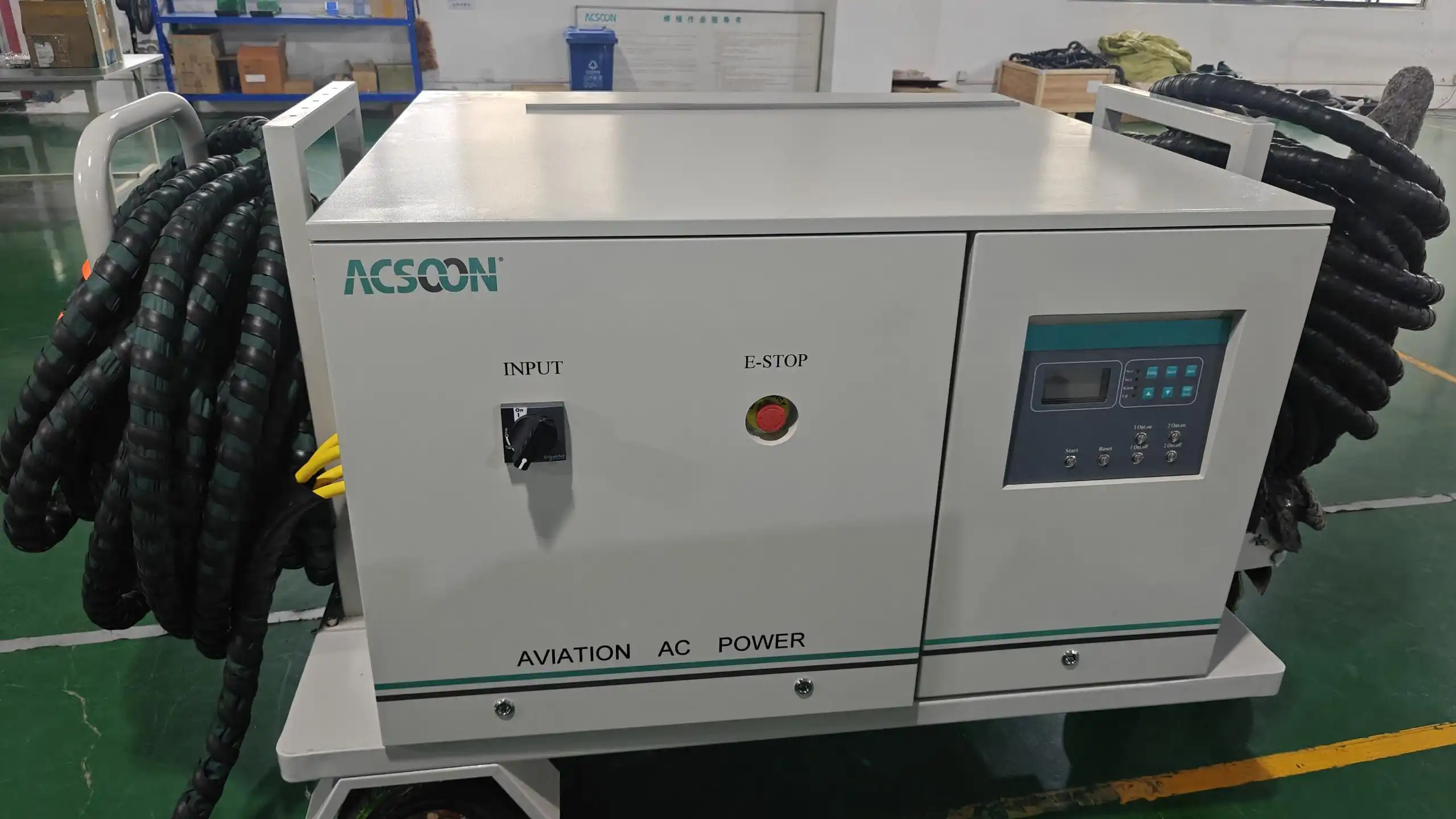
Aircraft Types That Commonly Use Ground Power Carts
Understanding the diverse aircraft categories that utilize ground power equipment helps procurement professionals make informed decisions about equipment specifications and capacity requirements. Each aircraft type presents unique power demands based on size, operational mission, and electrical system complexity.
Commercial Passenger Aircraft
People who use ground power carts for commercial flight make up the biggest group. Narrow-body and wide-body planes have different needs. Narrow-body planes like the Boeing 737 series and the Airbus A320 family usually need ground power units that can handle between 60kVA and 90kVA. Ground power is used for things like boarding passengers, loading goods, and repairing these planes. Wide-body planes like the Boeing 777, Airbus A350, and A380 need much more power, usually 120kVA to 180kVA units. These planes have a lot of electricity systems that help them carry more people, stay on the ground longer, and have complex electronics sets that need power all the time.
Military and Special Mission Aircraft
Different types of military Aircraft ground power, like fighter jets, passenger planes, and vehicles for specific missions, have different power needs. Fighter planes like the F-16 and F/A-18 need movable power units that can be set up quickly. These units usually have a power output of 60kVA to 90kVA. Military transport planes like the C-130 Hercules and C-17 Globemaster need higher capacity units, just like commercial wide-body planes. Special mission planes, like electronic warfare platforms, aerial refueling tankers, and reconnaissance planes, often need custom power solutions. These uses benefit from the adaptability that makers like JERRYSTAR offer by making solutions that are specifically designed to meet the needs of each business.
Cargo and Freight Aircraft
Ground power equipment is very important for cargo airplane operations because freight has to be loaded and unloaded over long periods of time. Dedicated freighters like the Boeing 747-8F and Airbus A330-200F need large ground power units to keep their navigation systems, refrigeration systems, and cargo handling equipment running during long ground operations. Reliable ground power systems are especially helpful for express freight operations because they cut down on turnaround times and keep the cargo safe while it's being handled.
General Aviation and Private Jets
General aviation includes a wide range of planes, from small single-engine planes to big business jets. Light aircraft usually need ground power units with a lower capacity, usually between 15kVA and 30kVA. Large business jets, on the other hand, may need units that are similar to narrow-body commercial aircraft. Private jet operations often look for portable, quiet ground power solutions that can work in places with a lot of noise, like private airports and cities.
Matching Aircraft ground power to Aircraft Types
When choosing the right ground power tools, you need to carefully think about a lot of things, such as the amount of power you need, the working surroundings, and the cost. When making a choice, technical specs are weighed against working needs, and long-term dependability and upkeep needs are taken into account.
Power Source Selection Criteria
Whether to use gasoline or electric ground power units relies on the airport's facilities and how it needs to be run. Electric units are better for protected hangars and places that need to be quiet because they are quieter, produce no pollution, and cost less to run. Diesel units don't need to be connected to the power grid and are easier to move around for remote operations. Solid-state units, like the ACSOON GPU400-330060, are more reliable and accurate than rotary converter designs. The solid-state technology gets rid of mechanical wear spots and provides accurate frequency control, which is needed for testing and maintaining sensitive airplane electronics.
Capacity and Output Requirements
When choosing power capacity, you need to think about how much electricity the plane will need, plus some extra for when demand is high. During normal operations, commercial aircraft usually run at 70–80% of their ground power unit's capacity. This means that the unit needs to be carefully sized to handle starting spikes and high electrical demands. The output voltage and frequency specs must exactly match what the aircraft needs. Quality units give off a standard 115V/200V at 400Hz output that works with both single-phase and three-phase flight systems and meets international electrical standards for aircraft.
Environmental and Operational Considerations
Modern airports have strict rules about how much noise and pollution Aircraft ground power and equipment can make. Electric and solid-state ground power units meet these needs and offer operational benefits such as shorter maintenance intervals and higher reliability. The IP54 protection rating of professional-grade units ensures reliable operation in a wide range of weather conditions, keeping sensitive electronics safe from dust and moisture that are common in airport environments.
Maintenance and Operational Tips for Optimal Use per Aircraft Type
Good maintenance practices make sure that ground power carts work reliably, extend the life of equipment, and keep operations running smoothly. Ground power equipment may be put under different amounts of stress by different airplane uses, so it needs to be maintained in a way that is specific to those needs.
Routine Inspection and Maintenance Protocols
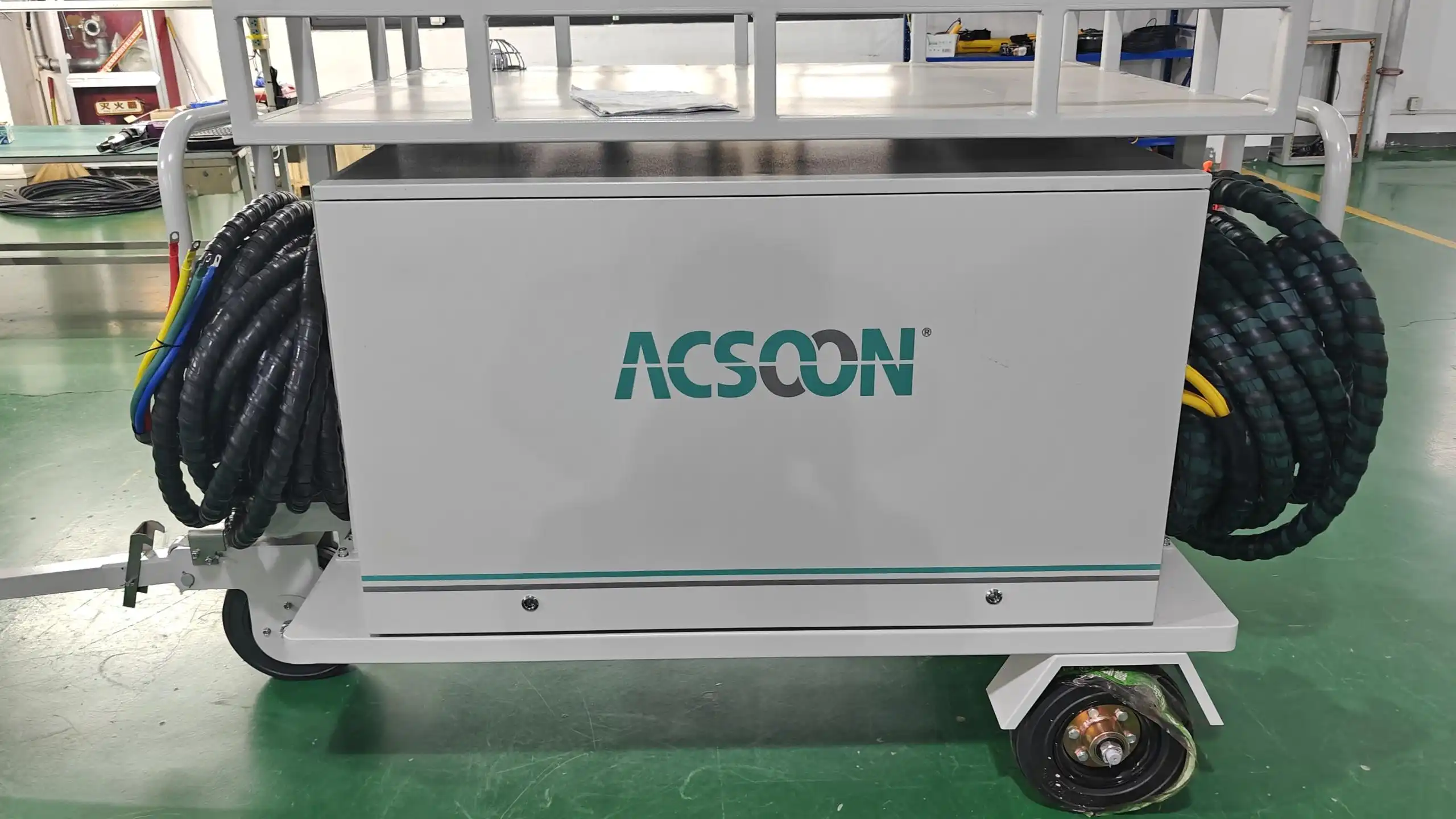
Daily eye checks, weekly electricity tests, and monthly full checks should all be part of regular maintenance plans. Checks are done every day to make sure the cables are in good shape, the link is solid, and the control panel works. Every week, tests are done to make sure that the output voltage is stable, the frequency is correct, and the protection system works. Once a month, cooling systems, electrical connections, and mechanical parts are carefully inspected. The GPU400-330060 is a mobile trolley, so the wheels, handles, and carrying systems need to be checked often to make sure they work properly and safely.
Common Operational Challenges and Solutions
Power quality problems are the most common operating problem. They are usually caused by not properly preparing the input power or electrical parts that are worn out. Most power quality problems can be avoided by regularly calibrating and replacing parts as recommended by the maker. Connection issues between ground power units and airplanes can damage equipment and cause delays in operations. Getting the right training on how to connect things, check cables, and follow safety rules lowers these risks and keeps people safe.
Safety Protocols and Best Practices
Safety rules must be strictly followed during ground power activities to protect both people and tools. Electrical accidents can be avoided during operation and maintenance by following the right grounding procedures, lockout/tagout procedures, and the use of personal protective equipment. Connection procedures for different manufacturers and types of aircraft are very different, so ground crew members need to get a lot of training. Procedures that are written down and regular changes to safety training make sure that all kinds of airplanes can be operated safely and consistently.
Procurement Guide: Selecting and Purchasing the Right Aircraft Ground Power Cart
Strategic procurement of ground power equipment requires a comprehensive evaluation of technical requirements, supplier capabilities, and long-term cost considerations. The procurement process should balance immediate operational needs with future expansion requirements and technological advancement trends.
Critical Selection Factors
The main selection criteria is compatibility with the current fleet of aircraft, which means a thorough study of the power needs of all aircraft types in current and future activities. Using the same voltage and frequency standards makes managing inventory easier and training less necessary. When figuring out the total cost of ownership, you need to include the cost of the equipment itself, its upkeep, the cost of training, and the costs of running it over its expected lifetime. Solid-state converters and other energy-efficient designs often have lower long-term costs, even though they cost more at first.
Supplier Evaluation and Support Services
The image and support skills of the manufacturer have a big effect on how well and how much it costs to run tools in the long term. Established companies like JERRYSTAR offer a wide range of services to help customers, such as technical advice, customization options, and global support networks after the sale. When choosing a supplier, it's important to think carefully about things like warranty coverage, spare parts availability, and how quickly technical support responds. Manufacturers who offer longer guarantee terms and full help show that they believe in the reliability of their products and want their customers to succeed.
Custom Solutions and Fleet Management
Customized solutions that are made to fit the needs of the operation and the mix of planes often work best for large fleet operations. Custom setups can include specialized output options, features that make it easier to move around, or tracking systems that are built in for fleet management. Leasing and bulk buying options give you financial options while making sure that the equipment is the same across multiple sites. As part of these deals, customers often get better guarantee terms and faster support services, which make the business more reliable.
JERRYSTAR: Your Trusted Aircraft Ground Power Cart Manufacturer
It is well known around the world that Xi'an JERRYSTAR Instrument Co., Ltd makes Aircraft ground power that can be used for a variety of flight tasks. With more than 15 years of experience in power transfer technology, JERRYSTAR has become a top provider of safe, high-performance power solutions that meet the strict needs of modern flight operations.
Comprehensive Product Range and Capabilities
JERRYSTAR's product line includes all kinds of ground power options, from small, movable 15kVA units for general aviation to large, powerful 180kVA systems for wide-body commercial airplanes. The company is very good at power conversion technology, which lets them make custom power carts that meet the specific needs of different types of aircraft and work environments. The ACSOON brand is the best of the best when it comes to ground power cart technology, with advanced solid-state conversion systems that deliver precise 400Hz power that is safe for testing and maintaining sensitive aircraft electronics. These units are built to last and have an IP54 grade for protection, so they will work reliably in tough airport settings.
Advanced Technology and Quality Assurance
Because JERRYSTAR is dedicated to technological progress, they are always coming up with new ways to make power conversion more reliable and efficient. The company's solid-state ground power units get rid of mechanical wear points and offer better frequency stability and voltage regulation than traditional rotary converter designs. The tough process for quality assurance includes careful selection of parts, multiple stages of production inspections, and thorough testing before delivery. Manufacturing methods that are ISO 9001 approved promise stable product quality, and meeting international flight standards makes sure that the products can be used on all types of planes around the world.
Conclusion
Aircraft ground power for aircraft are important in all areas of flight, from general aviation to commercial companies and military activities. Because there are so many kinds of airplanes, it's important to carefully think about power requirements, working needs, and weather factors when choosing the right ground power tools. Modern solid-state units, such as the ACSOON GPU400-330060, offer dependable and effective options that meet strict flight standards and can be easily changed to meet different operating needs. To make sure that equipment works at its best for as long as possible, good buying choices combine technical needs with long-term cost factors, the ability of the seller to support them, and the ability to customize the equipment.
FAQ
What determines the power requirements for different aircraft types?
Aircraft power requirements depend on several factors, including aircraft size, electrical system complexity, and operational mission. Commercial aircraft typically require 60-180kVA, depending on passenger capacity and electrical load. Military aircraft power needs vary based on mission equipment and operational requirements. General aviation aircraft usually need 15-60kVA based on size and avionics complexity.
How do I ensure compatibility between ground power carts and aircraft systems?
Compatibility requires matching voltage output (typically 115V/200V), frequency (400Hz for most aircraft), and power capacity to aircraft specifications. Verifythat connector types and safety certifications meet aircraft manufacturer requirements. The ACSOON GPU400-330060 provides standard 3-phase 115V/200V at 400Hz output compatible with most international aircraft electrical systems.
What safety certifications should I look for when purchasing ground power equipment?
Essential certifications include compliance with aircraft electrical standards, electromagnetic compatibility requirements, and safety certifications from recognized testing laboratories. Look for manufacturers with ISO 9001 quality certifications and products meeting international aviation standards. JERRYSTAR maintains comprehensive certification documentation ensuring global compliance.
What maintenance is required for Aircraft ground power?
Regular maintenance includes daily visual inspections, weekly electrical testing, and monthly comprehensive examinations. Follow manufacturer maintenance schedules for component replacement and calibration. Proper maintenance extends equipment life while ensuring reliable operation and safety compliance.
Can ground power carts be customized for specific aircraft or operational requirements?
Many manufacturers offer customization options, including specialized output configurations, enhanced mobility features, and integrated monitoring systems. JERRYSTAR provides extensive customization capabilities to meet unique operational requirements while maintaining compliance with aviation standards.
Partner with JERRYSTAR for Superior Aircraft Ground Power Solutions
JERRYSTAR delivers cutting-edge aircraft ground power cart solutions engineered for reliability and performance across all aviation sectors. Our ACSOON GPU400-330060 model exemplifies our commitment to precision engineering, offering 60KVA capacity with solid-state reliability, perfect for sensitive aircraft electronic testing applications. As a trusted aircraft ground power cart supplier, we provide comprehensive support from initial consultation through long-term maintenance, ensuring your ground power operations maintain peak efficiency. Contact our expert team at acpower@acsoonpower.com to discuss customized solutions, bulk procurement options, and discover how JERRYSTAR's proven technology can enhance your aviation ground support capabilities.
References
1. Federal Aviation Administration. "Aircraft Electrical Systems and Ground Power Equipment Standards." Aviation Maintenance Handbook, 2023.
2. International Civil Aviation Organization. "Ground Support Equipment Specifications for Commercial Aviation." ICAO Technical Manual, 2022.
3. Society of Automotive Engineers. "Aerospace Ground Support Equipment Power Requirements." SAE International Standards, 2023.
4. Aviation Maintenance Technology. "Best Practices in Aircraft Ground Power Systems." Professional Aviation Maintenance Association, 2022.
5. Military Aviation Standards Committee. "Ground Power Unit Requirements for Military Aircraft." Department of Defense Specification, 2023.
6. Airport Ground Support Equipment Association. "Environmental Standards and Efficiency Requirements for Ground Power Equipment." Industry Guidelines, 2022.