




What Is an Aircraft Power Unit and How Does It Work?
An aircraft power unit (APU) serves as an independent energy source mounted within aircraft to supply electrical and pneumatic power for auxiliary systems when main engines are inactive. These compact turbine-driven generators operate autonomously during ground operations, pre-flight preparations, and emergency situations, enabling aircraft to function without external ground support equipment. APUs generate 400Hz electrical power and compressed air through integrated turbine compressors, supporting critical systems including cabin environmental controls, lighting, avionics, and engine starting sequences across commercial, military, and private aviation sectors.
Understanding Aircraft Power Units: Definition and Core Function
Primary Role and Independence from Main Engines
Aircraft auxiliary power units are energy-generating systems that are separate from an airplane's main engines and can work on their own. Unlike major engines, which are designed to make thrust, APUs only make electricity and compressed air for systems on board. This independence is very useful for activities on the ground because it lets planes keep the cabin comfortable, power avionics, and prepare systems without needing to
These days, aircraft power units (APUs) make three-phase electricity at 400Hz, which is different from the usual 60Hz power used in factories. This higher frequency lets electrical parts in airplane systems be lighter and smaller while still meeting the efficiency standards needed for flight uses.
Distinction Between APUs and Ground Power Units
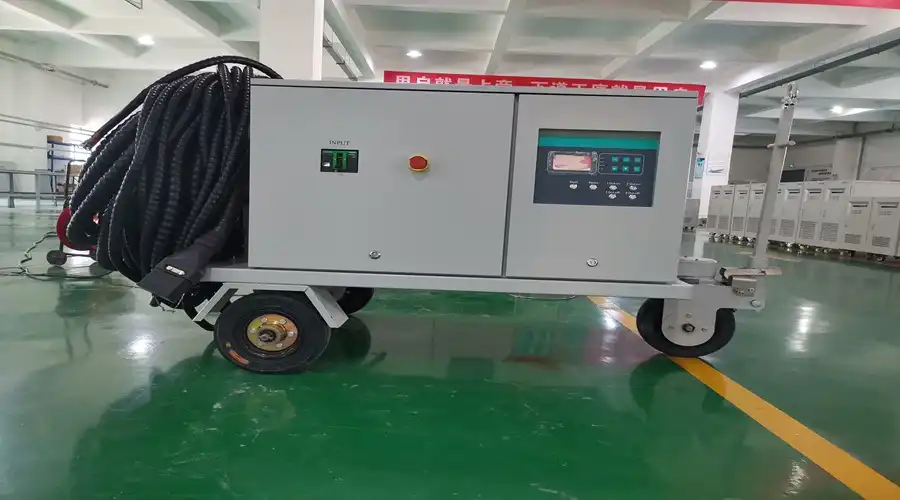
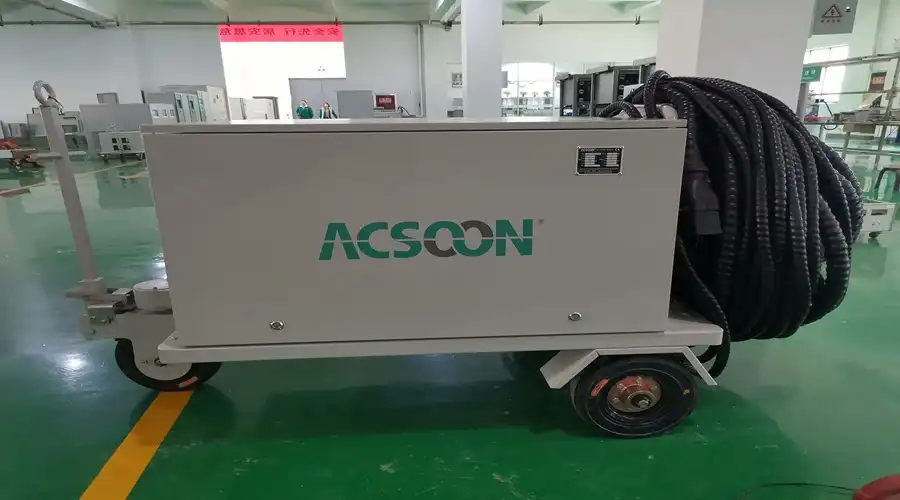
Similar tasks are done by ground power units (GPUs), which are separate pieces of equipment that are placed outside of aircraft during maintenance and ground activities. APUs stay forever inside the structure of an airplane, but GPUs only connect for a short time through external power outlets. As an example of modern GPU technology, the ACSOON GPU400-330100 model produces 100kVA of power with the ability to accept 3-phase 208-480V inputs and create the necessary 3-phase 115V output frequency at 400Hz.
In maintenance tasks, where APU use may be limited or not possible, this difference is especially important. External power options, such as the GPU400-330100, offer dependable options that meet the specific 400Hz frequency needs of flight electrical systems.
Working Principles and Power Generation Methods
Power for airplanes comes from turbine-compressor systems that work together to make both electrical and pneumatic energy. A small gas turbine engine burns fuel to start the process. This engine then mechanically connects to and powers both an electrical generator and an air compressor. This two-output design makes it as efficient as possible while also reducing weight and space needs, which is very important in aviation uses.
Power is sent to electronics, lighting, environmental controls, and passenger services through complex distribution systems. Compressed air from pneumatic power is used to start engines, pressurize cabins, and control weather conditions. Modern control systems keep an eye on and adjust both outputs to keep the power quality stable even when operating needs change.
Key Components and Technical Working Principles of Aircraft Power Units
Critical Internal Components and Their Functions
The heart of any aircraft power unit (APU) system is the turbine section, which is made up of combustion chambers, turbine wheels, and exhaust systems that are designed to work continuously in tough circumstances. Jet fuel is burned efficiently in combustion tanks that keep the temperature just right to keep parts from breaking. Both electric generators and pneumatic compressors are powered by turbine wheels, which turn heat into mechanical spinning.
Generator assemblies change mechanical energy into electricity that meets strict aircraft standards for harmonic distortion, frequency stability, and voltage regulation. These machines have to keep the 400Hz frequency within very small ranges, no matter what the load is or what the weather is like. While control systems handle startup sequences, operational parameters, and emergency shutdown procedures, fuel systems give exactly metered amounts of fuel.
Different airplane systems need compressed air at certain pressures and volumes, which is provided by compressor sections. Multi-stage compression is used in advanced designs to get the right pressure ratios while still meeting the high standards of efficiency and reliability needed for important applications.
Operational Advantages and Performance Benefits
APUs provide big practical benefits that have a direct effect on how much money airlines make and how efficiently they use their planes. During long ground operations, the amount of fuel used by the APU is usually 10-15% of the fuel used by the main engine to meet the same power needs. This saves a lot of money. Noise levels are still much lower than when the main engine is running, which supports airport noise rules and good relationships with the neighborhood.
When aircraft have stable onboard power generation, they don't have to rely on ground support equipment being available, which cuts down on gate occupancy time. This freedom is especially useful at airports that are far away or during irregular operations, when power sources from outside the airport might not be available or might not work reliably.
Besides saving money on fuel, other environmental perks include lower emissions from ground equipment and better air quality overall at airports. Today's APUs use advanced combustion technologies that keep performance standards high enough for demanding aircraft uses while reducing pollution emissions.
Environmental Compliance and Noise Mitigation
These days, APU designs use advanced burning technologies and noise reduction engineering to meet stricter environmental rules. While keeping the speed and dependability of combustion, low-emission combustors cut down on nitrogen oxide and particulate matter emissions. To meet airport noise rules, sound-dampening enclosures and improved inlet designs keep noise signatures as low as possible.
Modern noise control engineering is shown by the GPU400-330100 ground power unit, which keeps operation levels below 65dB while putting out full 100kVA of power. With this noise control feature, operations can happen in sensitive areas without affecting airport operations or the lives of people nearby.
Advanced filter systems and closed-loop designs keep the damage to the environment to a minimum while still meeting international environmental standards. As environmental and sustainability rules get stricter around the world, these traits become more and more important at airports.
Maintenance, Troubleshooting, and Safety of Aircraft Power Units
Best Practices for Routine Maintenance and Inspections
APU maintenance programs that work well stick to the manufacturer's suggested schedules and take into account how the aircraft is used and the operating environment. Routine checkups include looking at the outside of parts, making sure the fluid level is correct, and keeping an eye on performance parameters to find problems before they affect operations. These preventative steps make the service last longer and keep it working at its best throughout all operational cycles.
Visual inspections might not be able to see internal component wear, contamination, or degradation right away, but oil analysis tools can. Samples taken regularly and analyzed in a lab show patterns that let you plan preventative maintenance instead of fixing problems as they happen. Replacement of filters, changes of fluids, and inspections of parts must be done at strict times based on working hours or calendar time, whichever comes first.
Documentation rules for aviation maintenance require that all repair actions, part changes, and performance data be carefully recorded. In addition to helping with legal compliance, these records give useful information for predictive maintenance programs and reliability analysis.
Common Troubleshooting Techniques and Expert Escalation
Typical operating problems include fuel system irregularities, changes in electrical output, and changes in pneumatic pressure that need systematic ways to find the cause. Problems with fuel are usually caused by contamination, clogged filters, or broken pumps, which can be fixed by trained technicians following standard methods. If the electricity isn't coming out right, it could mean that the engine isn't working right, the control system isn't working right, or the load isn't balanced.
Performance monitoring tools give real-time information on important factors like electrical outputs, temperatures, pressures, and speeds. Trending analysis can help you find patterns of slow degradation that could mean a part is about to fail. If troubleshooting shows problems that can't be fixed by regular maintenance, they should be sent to certified experts or OEM technical support to be fixed properly.
The latest diagnostic tools allow for accurate problem isolation while keeping aircraft downtime to a minimum. During line maintenance, when quickly fixing problems has a direct effect on flying schedules and customer service, these skills become even more useful.
Integrated Safety Features and Regulatory Compliance
These days, APUs have many safety features that work together to stop fires, explosions, and other dangerous situations that could put flight safety at risk. Critical areas are constantly watched by fire monitoring systems, which shut down automatically and activate fire suppression systems when needed. Monitoring the temperature stops things from getting too hot, and pressure release systems stop pneumatic pressures from getting too high.
When a fault occurs, such as overspeed, overheating, low oil pressure, or a fire detection, automatic shutdown systems turn off the machine. When potentially dangerous conditions arise, these systems quickly secure the APU to make sure the safety of the aircraft comes first. Being able to shut down manually gives you extra control in case automatic systems might not work right.
International flight safety standards, such as those set by the Federal Aviation Regulations (FAR) and the European Aviation Safety Agency (EASA), make sure that APUs meet high standards for safety and dependability. Compliance is kept up throughout the life of the tools through regular audits, tests, and certification renewals.
Buying Guide: Selecting the Best Aircraft Power Unit for Your Needs
Essential Selection Criteria and Compatibility Factors
When choosing aircraft power unit (APU) equipment, the most important thing to think about is the power output requirements. Capacity needs change a lot depending on the type of aircraft and its operational profile. Commercial planes usually need larger units that can handle a lot of passengers, while military uses might put more emphasis on durability and being able to be set up quickly. Units like the GPU400-330100 can output 100kVA, which is enough power for medium to large aircraft that need a lot of power for ground activities.
Size and weight limitations affect the types of installations that can be used and how well the airplane performs. Modern designs focus on small layouts that take up as little room as possible while still packing a lot of power in. How easy it is to install and what certifications are needed depend on how well it works with existing airplane electrical systems.
As airports make noise rules stricter, noise level standards become more important. Keeping the noise level below 65dB allows for more operational flexibility while also helping with neighborhood relations and following the rules. Environmental protection ratings, like IP54, make sure that things work reliably in a wide range of weather and working situations.
Evaluating New versus Refurbished Equipment Options
New equipment comes with the newest technology, a full warranty, and the longest possible service life. This makes it ideal for demanding applications and long-term operational responsibilities. Original equipment maker support includes technical help, access to spare parts, and upgrade options that make products more valuable in the long term.
Refurbished units are cheaper for businesses that want to stick to a budget, but they still work well and are reliable. Good refurbishment programs include thorough testing, replacing parts, and a limited guarantee that gives you peace of mind about how well the equipment will work. However, the remaining service life and the supply of parts need to be carefully looked at.
Life-cycle cost analysis should look at the initial buy price, the cost of installation, the cost of maintenance, the amount of fuel used, and the final disposal or resale value. This all-around method shows the real costs of ownership, which go beyond the initial costs of buying the property.
Warranty Coverage and After-Sales Service Evaluation
Complete warranty programs protect against flaws in the manufacturing process and give customers faith in the reliability of the equipment and the support of the maker. Parts replacement, labor costs, and technical help for a certain amount of time or during certain operational hours are usually covered by the terms of the contract. For important uses where the costs of downtime are higher than the warranty premiums, extended warranty choices might offer extra protection.
The ability to provide service support, such as technical help, spare parts availability, and field service choices, has a direct effect on the cost and reliability of operations. Manufacturers with larger service networks can respond more quickly and charge less for help than those with smaller networks.
Training programs for maintenance staff make sure that equipment is properly cared for, which helps with warranty compliance and operating safety. Full training includes how to operate, do regular upkeep, fix problems, and follow safety rules that are necessary for long-term dependability.
JERRYSTAR: Your Trusted Aircraft Power Solutions Partner
Comprehensive Product Portfolio and Technical Expertise
With our ACSOON brand portfolio, Xi'an Jerrystar Instrument Co., Ltd. specializes in high-tech power conversion solutions for the flight, military, marine, and lab testing industries. Because we've been in business for more than 15 years, we know the unique problems that procurement workers and technical teams in charge of important power systems face.
The GPU400-330100 type we offer as our top choice is the result of years of perfect engineering and real-world experience. The 100kVA output from this solid-state ground power unit is reliable, and it can accept input voltages from 208V to 480V at 50-60Hz. It can also turn input voltages to the precise 3-phase 115V at 400Hz output that aircraft systems need. The small design weighs less than 900 kg and is protected against the elements with IP54, so it can be used in a wide range of settings.
The best things about our power solutions are that they are very reliable for mission-critical tasks, they can be customized in a lot of ways to meet specific business needs, and they can be delivered quickly because we keep a lot of stock on hand. When it comes to reliable power options, these features directly address the main concerns of government procurement agencies, aerospace engineers, and MRO providers.
Quality Assurance and Manufacturing Excellence
We have strict quality control measures in place to make sure that every unit meets the high standards of the aviation business. These measures include thorough testing and validation procedures. We only get high-quality parts from reliable suppliers who have a history of success in aerospace uses. Quality problems can be avoided by inspecting the manufacturing process at every step, and before the goods are shipped, they are put through thorough practical testing to make sure they work properly.
Each unit goes through demanding conditions that go beyond standard operational parameters as part of environmental stress screening. This makes sure that the units will last and work reliably in real life. Test equipment needs to be calibrated on a regular basis to keep measurements accurate. Programs for continuous growth take customer feedback and changes in the industry into account.
Manufacturing skills include creating unique solutions, making rapid prototypes, and being able to change production schedules to meet urgent delivery needs. Our 5,000 to 10,000-square-meter center makes production quick and easy while keeping quality standards that are important for aerospace uses.
Conclusion
Aircraft power systems, including aircraft power units, represent critical infrastructure requiring careful consideration of technical specifications, operational requirements, and long-term support capabilities. Understanding the fundamental principles of power generation, component interactions, and maintenance requirements enables informed decision-making for procurement professionals and technical teams. Modern solutions like the ACSOON GPU400-330100 demonstrate how advanced engineering addresses real-world challenges while providing reliable, efficient power conversion for demanding aerospace applications.
FAQ
Q: What factors influence aircraft power unit fuel consumption rates?
A: APU fuel consumption varies significantly based on electrical load requirements, ambient temperature conditions, and altitude operations. Typical consumption ranges from 100-400 pounds per hour, depending on power output demands and environmental factors. Higher ambient temperatures increase fuel consumption as cooling requirements intensify, while electrical loads directly correlate with fuel burn rates.
A: Operational profiles, including continuous versus intermittent operation, also impact fuel efficiency. Units operating at consistent loads typically achieve better fuel economy compared to frequently cycling operations. Maintenance condition significantly affects consumption rates, with well-maintained units consuming 10-15% less fuel than units requiring service.
Q: How do aircraft power units differ functionally and economically from ground power units?
A: Aircraft power units remain permanently installed within aircraft structures, providing immediate power availability without external connections or setup time. Ground power units require positioning, connection, and startup procedures that extend preparation time but offer flexibility for multiple aircraft servicing. Economic considerations include acquisition costs, maintenance requirements, and operational expenses that vary significantly between approaches.
A: APUs enable aircraft independence from airport ground support infrastructure, particularly valuable at remote locations or during irregular operations. Ground power units concentrate maintenance requirements and operational costs while serving multiple aircraft, potentially reducing overall fleet support costs for high-utilization operations.
Q: What warranty coverage and support services are available for power conversion equipment?
A: Standard warranty coverage typically includes one to three years of protection against manufacturing defects, with extended options available for critical applications. Coverage encompasses parts replacement, labor costs, and technical support during warranty periods. Service support includes 24/7 technical assistance, field service capabilities, and comprehensive spare parts programs, ensuring rapid problem resolution.
A: Training programs for customer personnel cover operation procedures, maintenance protocols, and troubleshooting techniques that maximize equipment reliability while maintaining warranty compliance. Custom service agreements provide tailored support levels matching specific operational requirements and risk tolerance levels.
Contact JERRYSTAR for Professional Aircraft Power Unit Solutions
Aviation professionals seeking reliable aircraft power unit supplier partnerships will find comprehensive solutions through JERRYSTAR's extensive expertise and proven track record. Our engineering team provides technical consultation services addressing specific operational requirements, custom modification capabilities, and integration support for complex applications. The ACSOON brand represents quality assurance and performance reliability essential for mission-critical operations.
We invite you to explore how our aircraft power unit solutions can enhance your operational efficiency and reliability. Contact our technical specialists at acpower@acsoonpower.com to discuss your specific requirements, request detailed specifications, or schedule consultation meetings. Our commitment to customer success extends beyond initial sales to encompass ongoing support, maintenance services, and technical assistance throughout equipment service life.
References
1. Aircraft Auxiliary Power Unit Design and Performance Optimization, Society of Automotive Engineers International, Aerospace Engineering Standards, 2023.
2. Federal Aviation Administration Advisory Circular AC 25-22: Auxiliary Power Unit Installation and Certification Requirements, Department of Transportation, 2022.
3. Gas Turbine Auxiliary Power Units for Aircraft Applications: Technical Performance and Operational Guidelines, American Institute of Aeronautics and Astronautics, 2023.
4. Environmental Impact Assessment of Aircraft Ground Support Equipment and Auxiliary Power Systems, International Civil Aviation Organization Environmental Standards, 2022.
5. Maintenance and Safety Protocols for Aircraft Electrical Power Generation Systems, Aerospace Maintenance Council Technical Publication, 2023.
6. Power Quality Standards for 400Hz Aircraft Electrical Systems: IEEE Standard 1789, Institute of Electrical and Electronics Engineers Aviation Power Standards Committee, 2022.