




What Safety Features Should an Aircraft Ground Power Have?
An aircraft ground power needs to have a lot of safety features to keep people and important flight equipment safe while it's being used. Electrical shielding systems, automatic voltage control, emergency stop options, proper grounding systems, overload protection, and following international flight standards like FAA and ISO rules are all important for safety. These built-in safety features make sure that power transfer is reliable, reduce the risks that come with high-voltage electrical systems, and keep expensive equipment from breaking down during important airplane repair and testing procedures.
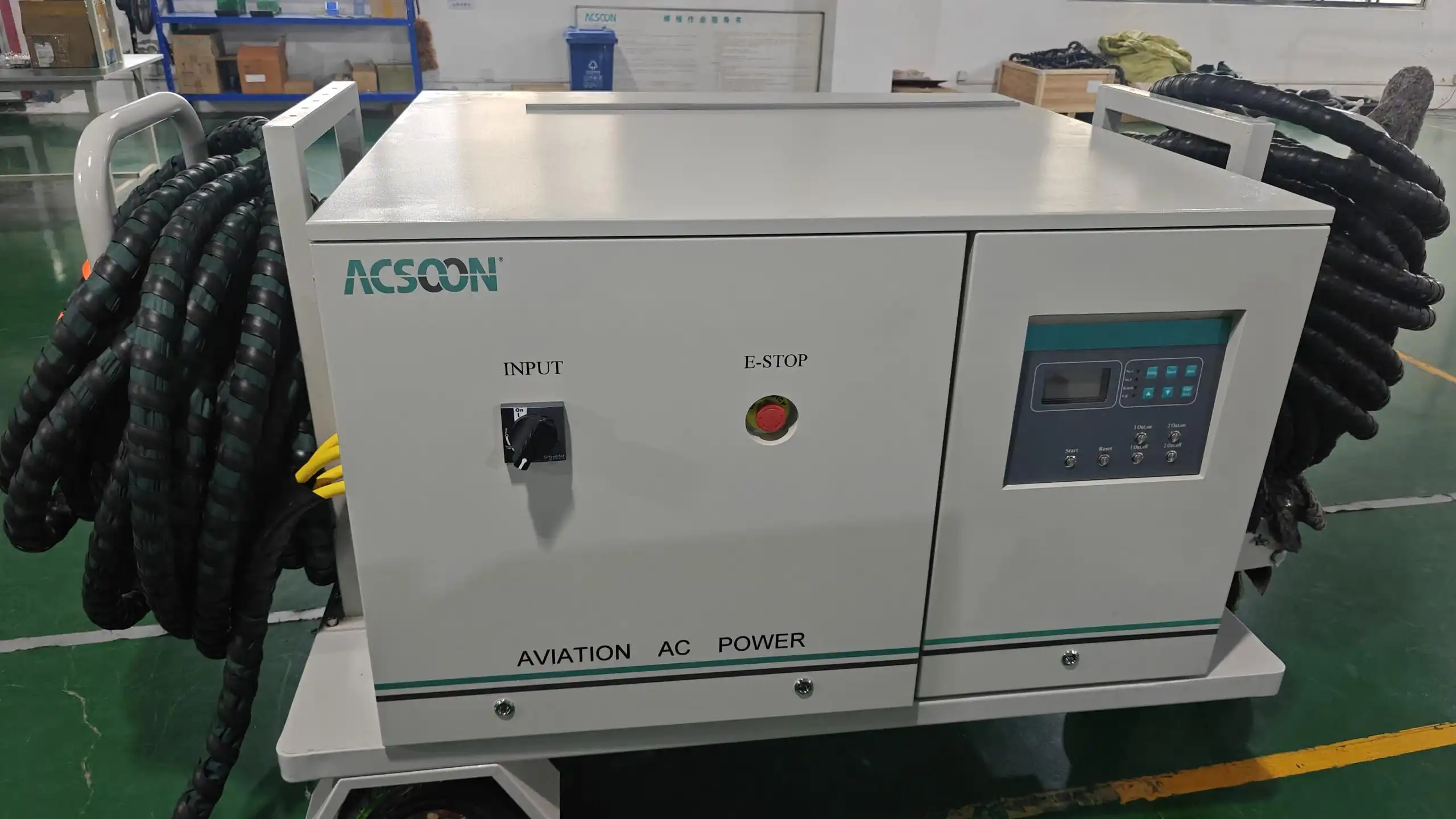
Understanding the Core Safety Requirements of aircraft ground powers
Safety requirements for ground power units represent the foundation of reliable aviation support operations. Aviation ground support equipment operates in demanding environments where electrical hazards, mechanical risks, and operational complexities converge to create potential safety challenges that must be systematically addressed through proper design and engineering.
Electrical Insulation and Protection Standards
To keep operators safe and stop dangerous voltage leaks, modern ground power units must meet strict electrical insulation standards. Electricity problems that could hurt sensitive airplane equipment or put repair workers in danger are kept from happening by the shielding systems. International standards set minimum voltage withstand capabilities and dielectric strength requirements for good insulation materials and design practices. Electrical protection goes beyond basic insulation and includes fault detection systems that continuously check electrical parameters. These systems find possible problems before they get worse and become dangerous. They do this by giving early warnings that allow maintenance to be done before they get worse.
Grounding and Bonding Requirements
Proper grounding is an important safety measure that keeps people from getting electrical shocks and ensures that equipment works safely. Ground power equipment needs to make sure that it can reliably connect electrically to aircraft systems while also keeping itself away from ground potential differences that could create dangerous conditions. Bonding rules make sure that all metal parts have the same electrical potential, which stops voltage differences that could cause arcing or electrical faults. These links have to be able to handle the stresses that come with working in an airport, such as changes in temperature, vibrations, and water.
International Compliance Standards
Aviation safety standards from groups like the Society of Automotive Engineers (SAE), the Federal Aviation Administration (FAA), and the International Organization for Standardization (ISO) make sure that ground power equipment meets certain safety requirements. These standards cover electrical safety, electromagnetic compatibility, environmental durability, and operational reliability. They make sure that the equipment works safely in a range of situations. To meet these standards, equipment must be thoroughly tested and have paperwork that shows it meets all safety requirements. Manufacturers must keep detailed records of compliance tests and provide approval paperwork to help flying organizations make decisions about what to buy.
Essential Safety Features in Modern aircraft ground powers
aircraft ground power units integrate advanced safety technologies that provide multiple layers of protection against electrical and operational hazards. These sophisticated systems work together to create comprehensive safety environments that protect valuable aircraft assets and ensure personnel safety during critical maintenance operations.
Automatic Voltage Regulation Systems
Voltage control technology keeps the exact parameters of the electrical output constant, even if the input voltage or load changes during normal operations. The ACSOON GPU400-330060 model has solid-state voltage regulation that provides a stable 115V/200V output at 400Hz frequency. This makes sure that sensitive aircraft electronics get clean, consistent power during testing and maintenance procedures. Advanced regulation systems continuously check electrical parameters and make real-time adjustments to account for changes in input voltage, frequency, or load conditions. This feature keeps pricey aircraft systems safe from power changes that might damage them permanently or make them work strangely during important testing procedures.
Overload and Overcurrent Protection
Protective systems look for too much current flow, which could mean that equipment isn't working right or that the links between ground power units and airplane systems aren't right. These protection circuits quickly cut off power before dangerous conditions can happen. This keeps equipment from breaking and lowers the risk of fire that comes with electrical overloads. Modern protection systems include smart monitoring that can tell the difference between normal startup transients and real fault conditions. This complex analysis stops unnecessary trips while still allowing quick responses to real dangers that need the power to be cut off right away.
Emergency Shutdown Capabilities
When dangerous conditions are discovered or when workers see possible safety risks while the equipment is running, emergency stop devices cut the power right away. These systems have a number of ways to be activated, such as manual controls, automatic fault detection, and remote shutdown options that allow for quick action in an emergency. The shutdown systems must work reliably in all situations, even when some equipment fails, which could affect the normal control systems. Independent emergency circuits make sure that the ability to shut down still works even if the major control systems have problems or lose power.
Environmental Protection Features
Environmental security systems keep internal parts safe from the extremes of temperature, wetness, and dust that are common in airports. The IP54 rating on units like the GPU400-330060 makes sure they can work reliably even when they are exposed to rain, snow, dust, and changes in temperature that are common in outdoor aviation environments. Protection systems do more than just seal out the environment; they also manage heat to keep things from getting too hot during long operations. Cooling systems keep sensitive electronic parts at safe working temperatures, and cleaning systems keep out dirt and other things that could damage electrical performance or put people in danger.
Comparison of Safety Features Across Different Types of aircraft ground powers
Different ground power unit configurations present unique safety considerations that influence design approaches and protection requirements. Understanding these differences enables procurement professionals to select equipment that provides appropriate safety features for specific operational environments and aircraft types.
Electric vs. Diesel-Powered Units
aircraft ground power units, such as solid-state converters, get rid of the fire risks that come with fuel while adding new electrical safety concerns for high-voltage power conversion systems. These units need complex electrical protection systems, but they don't have the risks that come with storing, handling, and burning fuel, which are present in diesel-powered alternatives. Diesel units pose fire safety issues related to fuel systems, but they may be useful in places where the electrical infrastructure can't handle high power needs. Whether to use an electric or diesel engine relies on the needs of the job, the equipment that is accessible, and the amount of danger that is accepted for that job.
Portable vs. Stationary Configurations
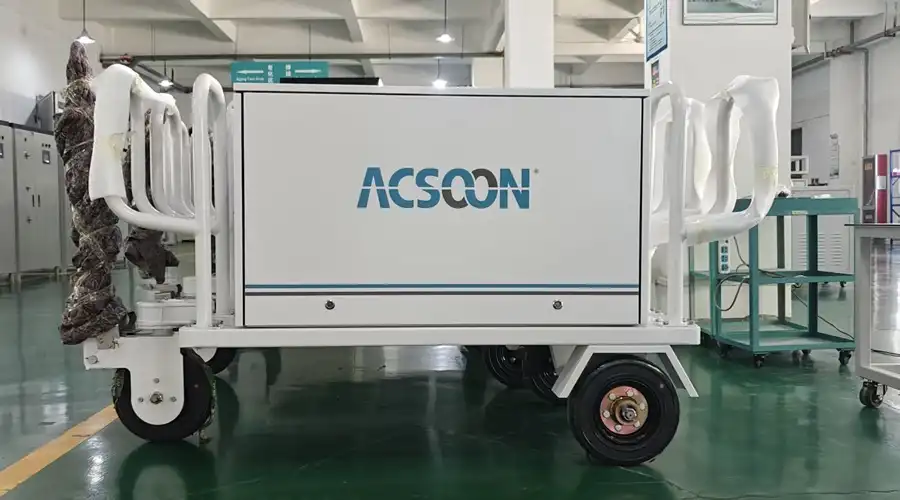
Mobile units with cart systems, like the GPU400-330060 type, give you more working freedom, but they also raise safety concerns when it comes to moving, placing, and connecting. These units need strong mechanical designs that keep the electricity safe while they are being moved and positioned, and provide stable platforms for reliable electrical connections. Static installations get rid of the risks that come with mobility, but they may present different problems when it comes to the requirements for a fixed installation and how easy it is to access for maintenance work. Whether the arrangement is movable or fixed changes the safety rules and training needs for operating staff.
Power Rating Safety Implications
Higher power rates, like the 60KVA ability of professional units, need better safety systems to handle the extra electricity properly. It is important for these systems to provide adequate protection while still maintaining the accuracy and dependability needed for sensitive aircraft electronics. Power rating affects the complexity of the safety system, the ratings of the protection devices, and the procedures needed to make sure that the equipment can work safely in all the different load conditions that might happen during aircraft maintenance and testing.
Maintenance and Operational Guidelines to Sustain Safety
To keep safety levels high throughout the lifetime of an item of equipment, it needs to be maintained in a way that meets both the needs for preventative maintenance and the needs for safe operating practices. These steps keep the safety standards needed for flight operations high while protecting investments in ground power equipment.
Routine Inspection Protocols
Regular inspections make sure that safety systems keep working within the limits that were set when they were designed. They also find possible problems before they get worse and damage safety performance. Electrical connections, grounding systems, protection device functionality, and environmental protection integrity are all things that should be looked at during inspections because they could affect how well safety measures work. Inspection procedures should be carefully written down with records that show how the equipment is used over time and any problems that keep happening, which could mean there are systemic issues that need engineering attention. These records help with both managing safety and guaranteeing claims when equipment breaks down.
Preventive Maintenance Requirements
Preventive maintenance programs take care of parts that wear out or break down during normal use. This makes sure that safety systems keep working properly throughout the lifecycle of equipment. Electrical component testing, lubrication of mechanical systems, inspection of environmental seals, and software updates that keep equipment working well and safely should all be part of these programs. The scheduling of maintenance must take into account operational needs while making sure that safety-critical systems get the attention they need. It may be necessary to have backup tools available to help with repair tasks without messing up important airplane maintenance plans that depend on having stable power on the ground.
Personnel Training and Certification
When users of aircraft ground power tools are properly trained, they know how to follow safety rules and can spot possible dangers. Electrical safety, how to connect things, what to do in an emergency, and how to use certain pieces of equipment safely should all be covered in training programs. The requirements for certification may be different depending on the organization's rules and the rules that apply to the specific work environment. Documentation for training helps with both managing safety and meeting the rules that guide aircraft ground support operations.
Diagnostic and Troubleshooting Procedures
It is possible to find and fix problems with tools while staying safe during fixing by using systematic testing methods. These steps should cover both normal performance problems and problems with safety systems that need to be fixed right away to avoid dangerous situations. While troubleshooting, the steps should stress taking safety precautions to protect people and equipment. Maintenance workers can tell the difference between problems that can be safely fixed on the job site and those that need to be taken to a specialized repair facility or to the factory for service.
Industry Standards, Certifications, and Supplier Reliability
Evaluating suppliers and equipment based on recognized safety certifications and industry standards provides procurement professionals with objective criteria for assessing safety performance and reliability. These standards represent accumulated industry experience and provide frameworks for comparing different equipment options systematically.
Relevant Safety Certifications
The manufacturer's dedication to safety and quality standards is shown by international certifications such as ISO 9001 quality management, CE marks for European compliance, and aviation-specific certifications. For these certifications to be valid, design practices, manufacturing processes, and quality control systems that impact safety must be checked by a third party. Aviation-specific certifications cover specific issues like electromagnetic compatibility, environmental durability, and electrical safety standards that apply to equipment used on aircraft grounds. These specific rules make sure that equipment works safely in flight settings, without messing up aircraft systems or posing operational risks.
Supplier Quality Assessment Criteria
When you look at a supplier's skills, you have to look at their manufacturing methods, quality control systems, technical knowledge, and service support skills, all of which affect how well and safely equipment works in the long run. Established suppliers with a lot of aviation experience can help with both choosing equipment and providing ongoing operational support. As part of the quality assessment process, suppliers' safety records, customer references, and technical support capabilities should be looked at to make sure that equipment continues to operate safely throughout its service life. Strong ties with suppliers give you access to technical know-how and support services that keep safety performance high over time.
Customization and Compliance Flexibility
Customized solutions are often needed for aviation operations that have to deal with certain kinds of planes, operating processes, or weather situations while still meeting all safety standards. Suppliers must show that they can make customized solutions that don't compromise safety or regulatory compliance. These customization options should include engineering support for specific needs, modification services for changing operational needs, and documentation support for regulatory compliance needs. These features make sure that customized solutions meet specific operational needs while still meeting safety standards necessary for aviation operations. Products like the GPU400-330060 from JERRYSTAR's ACSOON brand show these features by combining standard safety features with customization options that meet specific aircraft testing needs. The solid-state design makes the 400Hz power transfer stable and includes many safety features. It also lets OEMs make changes for specific uses.
Conclusion
Safety features on aircraft ground powers are important investments for operating efficiency and worker protection that have a direct effect on how well flight repair works and how well it meets regulations. Comprehensive safety systems that include electrical protection, environmental durability, emergency shutdown capabilities, and compliance with international standards make sure that equipment works reliably and protects aircraft assets and maintenance staff. Choosing the right ground power equipment requires a careful look at safety features, supplier capabilities, and ongoing support services that keep equipment safe throughout its lifecycle. Because JERRYSTAR has a lot of experience with flight power systems, is dedicated to safety, and can make things fit your needs, we are a good choice for businesses that need solid ground power solutions that can handle the needs of current aviation operations.
FAQ
What are the most critical safety features in an aircraft ground power?
The most critical safety features include automatic voltage regulation, overload protection, emergency shutdown systems, proper electrical grounding, environmental protection rated at IP54 or higher, and compliance with international aviation standards. These features work together to prevent electrical hazards, protect sensitive aircraft electronics, and ensure operator safety during ground operations.
How do environmental protection ratings affect ground power cart safety?
Environmental protection ratings like IP54 ensure that ground power units operate safely despite exposure to moisture, dust, and temperature extremes common in airport environments. Higher protection ratings prevent contamination that could cause electrical faults, equipment failures, or safety hazards during critical aircraft maintenance operations.
What maintenance procedures are essential for maintaining safety performance?
Essential maintenance procedures include regular inspection of electrical connections and grounding systems, testing of protection devices and emergency shutdown systems, verification of environmental seal integrity, and documentation of equipment performance trends. Preventive maintenance schedules should address both electrical and mechanical components that affect safety performance.
Partner with JERRYSTAR for Reliable Aircraft Ground Power Solutions
JERRYSTAR stands as a trusted aircraft ground power manufacturer with over 15 years of specialized experience in aviation power systems. Our ACSOON brand delivers comprehensive safety features, including IP54 environmental protection, solid-state reliability, and precise 400Hz power conversion suitable for sensitive aircraft electronic testing applications. The GPU400-330060 model exemplifies our commitment to safety through advanced voltage regulation, robust mechanical design, and compliance with international aviation standards. Our manufacturing capabilities combine rigorous quality control with customization flexibility that addresses unique operational requirements while maintaining stringent safety standards. Contact our technical team at acpower@acsoonpower.com to discuss your specific ground power requirements and discover how our proven aircraft ground power solutions can enhance your operational safety and efficiency.
References
1. Federal Aviation Administration. "Advisory Circular AC 150/5220-25: Airport Ground Support Equipment." Washington, DC: FAA Office of Airport Safety and Standards, 2018.
2. International Organization for Standardization. "ISO 6858:1982 Aircraft Ground Support Equipment - Electrical Power Units - General Requirements." Geneva: ISO Technical Committee 20/Subcommittee 9, 1982.
3. Society of Automotive Engineers. "SAE AS6081: Ground Support Equipment - Electrical Power Units for Aircraft." Warrendale, PA: SAE International Aerospace Standards, 2019.
4. Aircraft Ground Support Equipment Association. "Safety Standards and Best Practices for Ground Power Units." AGSEA Technical Publication 2020-03, 2020.
5. European Aviation Safety Agency. "Certification Specifications for Ground Support Equipment: CS-GSE." Cologne: EASA Technical Standards Department, 2017.
6. National Institute for Occupational Safety and Health. "Criteria for Electrical Safety in Aircraft Ground Support Operations." NIOSH Publication No. 2019-106, Cincinnati: NIOSH Division of Safety Research, 2019.