



Why airlines prefer fixed electrical ground power infrastructure?
The quick-moving aircraft industry values speed and dependability above all else. Airlines are always looking for ways to save money and make things easier while keeping safety and performance at the top. One clear example of this is how airplanes use power sources on the ground. More and more, airplanes would rather have fixed electrical ground power infrastructure than flexible ground power units. Modern airports and planes are choosing fixed electrical ground power systems because of a mix of economic, environmental, and technical reasons. These systems provide a more stable and regular power source, lower fumes and noise, and can greatly lower the cost of doing business in the long run. As we go deeper into this subject, we will look at the different reasons that led to this trend in the airport and flight industries and the impact it will have on the future of both.
What are the environmental benefits of fixed electrical ground power?
How does fixed electrical ground power reduce carbon emissions?
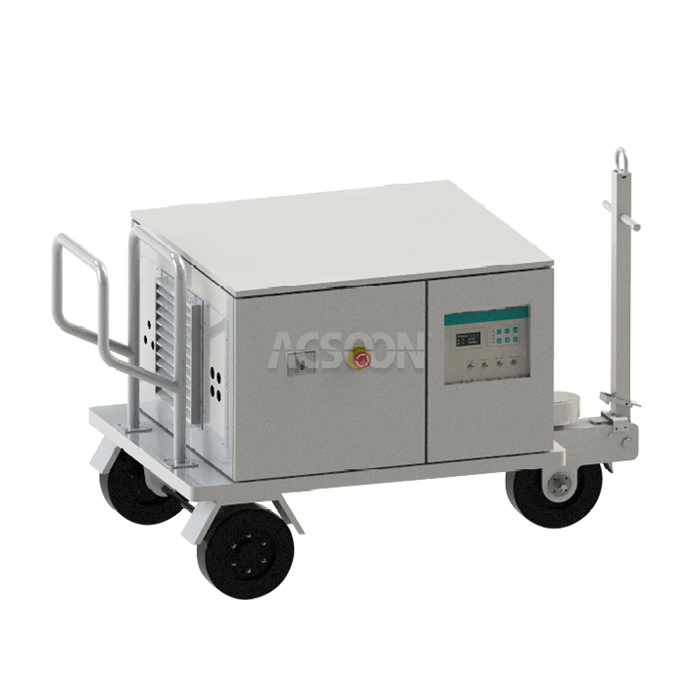
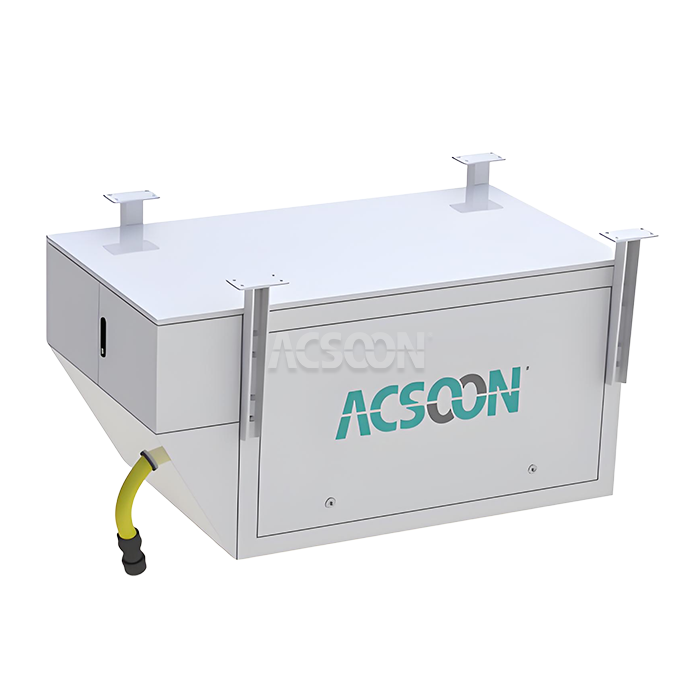
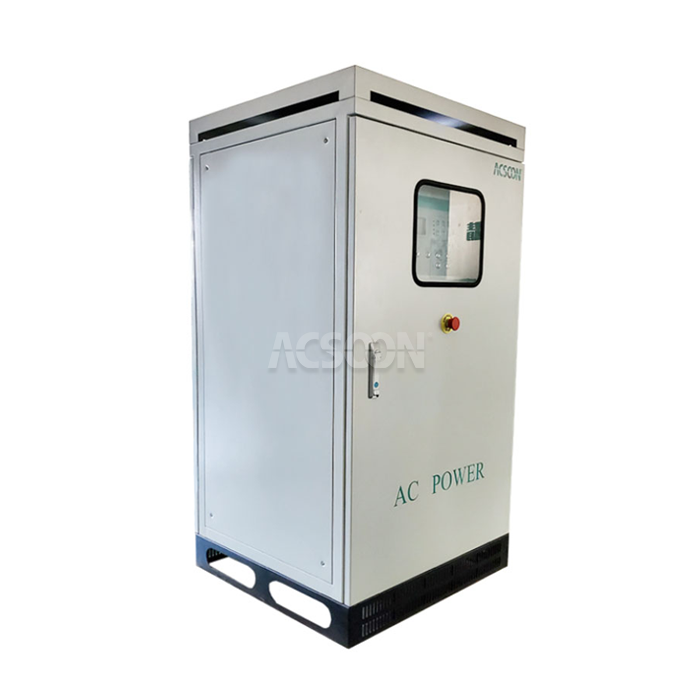
Ground power systems that are fixed and provide electricity are very important for lowering carbon pollution at airports. Unlike standard diesel-powered ground power units, fixed electricity devices get their power from the local grid, which may include green energy sources. This move from fossil fuels to electricity cuts down on the carbon pollution that comes from running planes on the ground. For example, when used the GPU400 series 400Hz GPU from ACSOON operates without pollution, which makes it easier to keep runways clean. These systems can also be used with smart grid technologies, which help airports use power more efficiently and lower their carbon footprint even more. Using fixed electrical ground power all the time at an airport can lead to big drops in greenhouse gas pollution. This helps planes and airports reach their environmental goals.
What impact does fixed electrical ground power have on noise pollution?
One of the best things about fixed electrical ground power systems is that they help reduce noise at airports. Ground power units that use diesel engines are very noisy, which can be a problem for airport workers and people who live nearby. Fixed electrical ground power sources, on the other hand, don't make much noise at all. This huge drop in noise makes the ground crew's work area better and improves the general airport experience for customers. For instance, the ACSOON GPU400 400Hz GPU doesn't make noise when it's working on plugged into the wall. Less noise pollution also helps airports follow environmental rules that are getting stricter and keep good relationships with nearby homes. As more airports use fixed electrical ground power systems, the overall impact on noise levels is big, making the space more pleasant for everyone involved.
How does fixed electrical ground power contribute to air quality improvement?
Ground power systems for fixed electricals make a big difference in the air quality at airports and in the areas around them. These systems don't need ground power units that run on gasoline, so they keep dangerous pollution like particulate matter, nitrogen oxides, and sulfur dioxide out of the air. This is especially important for people who work at airports and are regularly exposed to these fumes while they work. For example, the ACSOON GPU400 series has no pollution, which keeps the air clean around the airplane when on the ground. Also, the better air quality reaches areas further away from the airport, which is good for the environment and people who live close by. As more and more airports use fixed electrical ground power infrastructure, the overall effect on the air quality in the area can be very big, helping public health and environmental protection efforts. This is in line with the increasing focus on environmentally friendly flying and helps carriers meet their business social responsibility goals.

How does fixed electrical ground power enhance operational efficiency?
What are the cost savings associated with fixed electrical ground power?
In the long run, grounded electricity systems save a lot of money for planes and airports. While the cost of the first installation is higher than that of mobile ground power units, the savings while using it are greater, and the cost is quickly made up. Electricity from the grid is usually steadier and cheaper than gasoline fuel, which can change in price based on the market. For instance, the ACSOON GPU400 400Hz GPU can be powered by the mains energy source, which means it doesn't need to consume fuel and doesn't have any fuel costs. Also, systems that are set instead of mobile need less upkeep and last longer, which lowers total downtime and maintenance costs. Eliminating the need to move and store fuel also cuts the costs that come with it. Also, the better dependability of fixed systems means that there are fewer problems and delays. This can save companies a lot of money by not having to pay customers as much for delays and having happier customers. In the long run, these savings add up to millions of dollars for planes and airports that are busy.
How does fixed electrical ground power improve turnaround times?
A key part of flight economy is that fixed electrical ground power systems help planes get back in the air faster. Mobile ground power units have to be set up and plugged in for every plane. On the other hand, stable systems are always ready to go and easy to get to. This gets rid of the time spent waiting for ground power tools to show up and be put together, so teams can start working as soon as the plane gets there. The ACSOON GPU400 line is an example of this kind of speed because it can be plugged in and played right away. Also, the steady and dependable power source from set systems lowers the risk of power-related delays that can happen with mobile units. This dependability is especially crucial for new planes that need to do pre-flight checks and get ready using computer systems. Faster turning times allow carriers to run more trips each day with the same planes. This makes the airline's assets more useful and may even help it make more money. In competitive markets, even small changes in how quickly things are done can give companies a big edge in how they do business.
What safety improvements does fixed electrical ground power offer?
Compared to older mobile ground power systems, fixed electrical ground power systems make safety a lot better. A major safety benefit is that fuel no longer needs to be handled or stored on the apron, which lowers the chances of spills, fires, and other dangerous events. For example, the ACSOON GPU400 400Hz GPU doesn't need any fuel to work, which makes it safer for ground activities. With fixed systems, ground vehicles don't have to go around planes anymore, which lowers the risk of planes and vehicles hitting each other. The steady and reliable power that fixed systems give helps avoid the spikes and gaps that could hurt delicate gadgets on airplanes. In addition, many of the newer systems that you can install permanently come with advanced safety features like automatic shut-off methods and flaw recognition systems. The lower noise levels from these systems also help the ground team talk to each other better, which helps the safety rules. Fixed electrical ground power systems greatly improve the safety of both people and equipment at airports by offering a more controlled and reliable power source.

What are the future prospects for fixed electrical ground power in aviation?
How is fixed electrical ground power adapting to new aircraft technologies?
As new airplane technologies come out, fixed electrical ground power systems are always changing to meet their needs. Newer planes rely on electricity more for things like advanced electronics and electric taxiing, which makes the need for ground power more complex. To help these new airplane systems, makers like ACSOON are working on systems that have bigger power rates and better power quality. For example, the GPU400 line is made to give clean, stable power that meets the high standards of the newest airplane types. Also, smart grid technologies are being added to fixed electrical ground power systems. This lets them handle power better and react to different loads. This ability to change is very important as the flight industry goes toward more all-electric and hybrid-electric airplane designs. In the future, fixed electrical ground power may have features like power flow in both directions, which would let airplanes possibly feed power back into the grid, and improved monitoring tools that can predict and avoid power-related problems before they happen.
What role will fixed electrical ground power play in sustainable aviation?
In the search for sustainable flight, fixed electrical ground power is going to play a very important part. With the need for the industry to be easier on the environment, these methods provide a clear way to cut down on energy use and pollution on the ground. The ability of stable systems to use green energy sources is a great match for the industry's goals of long-term survival. For example, airports can install solar panels or wind turbines to power their fixed electrical ground power infrastructure. This is another way for airports to lower their carbon footprints. The ACSOON GPU400 400Hz GPU shows that it's possible to do ground operations without having to emit anything, since it can be powered by a plug. In the future, airports will probably use fixed electrical ground power systems as a part of their overall plans for sustainability. These systems will work with other green technologies, like electric ground cars and station buildings that save energy. As rules about airport pollution get stricter, using fixed electrical ground power will not only be a preferred way of doing things, but will also have to be done in order to follow the rules and protect the environment.
How will fixed electrical ground power systems integrate with smart airport technologies?
The use of smart technologies in airports with fixed electrical ground power systems is an exciting new step in the building of flight infrastructure. As airports are more and more digital and linked, fixed electrical ground power systems are changing to be a part of this smart environment. Future systems will probably have better IoT features based on models like the ACSOON GPU400. This will make it possible to track them in real time, forecast repairs, and make sure they work with airport control systems. This could make it possible to give power based on flight plans and kinds of planes. This would make the whole airport's energy use more efficient. These systems could also be used with larger airport energy management systems, which would help with total grid safety and possibly participate in demand response programs. The information gathered from these smart systems could help airports and airlines better understand how they use energy and make even more improvements to their operations and energy plans. As airports work with "digital twins," fixed electrical ground power systems will help make detailed, up-to-the-minute models of how the airport is run. This will help make operations even more efficient and environmentally friendly.
Conclusion
Fixed electrical ground power infrastructure has emerged as a preferred choice for airlines due to its numerous benefits. From environmental advantages such as reduced emissions and noise pollution to operational efficiencies including cost savings and improved turnaround times, these systems are reshaping airport operations. As aviation technology advances and sustainability becomes increasingly critical, fixed electrical ground power systems will play a pivotal role in the industry's future. Their integration with smart technologies and adaptability to new aircraft designs position them as a key component in the evolution of modern, efficient, and environmentally responsible airports.
For more information on cutting-edge fixed electrical ground power solutions, contact Xi'an Jerrystar Instrument Co., Ltd. Specializing in the ACSOON brand, we offer a wide range of power converters for aviation, industry, marine, and lab testing applications. Our products, including the innovative GPU400 series, are designed to meet the evolving needs of the aviation industry. For inquiries, please email us at acpower@acsoonpower.com.
FAQ
Q: What is fixed electrical ground power?
A: Fixed electrical ground power is a system that provides electrical power to aircraft while they are parked at airport gates, eliminating the need for onboard auxiliary power units or mobile ground power units.
Q: How does fixed electrical ground power reduce emissions?
A: It reduces emissions by replacing diesel-powered mobile units with electricity from the grid, which can include renewable energy sources, resulting in lower carbon emissions.
Q: Are fixed electrical ground power systems more cost-effective than mobile units?
A: Yes, in the long term. While initial installation costs may be higher, they offer significant operational savings through reduced fuel costs, lower maintenance requirements, and improved efficiency.
Q: How do fixed electrical ground power systems improve airport safety?
A: They enhance safety by eliminating fuel handling on the apron, reducing vehicle traffic around aircraft, and providing a more stable and reliable power supply.
Q: Can fixed electrical ground power systems adapt to different aircraft types?
A: Yes, modern systems are designed to provide variable power outputs and can adapt to the requirements of different aircraft models, from small regional jets to large wide-body aircraft.
References
1. Smith, J. (2022). "The Rise of Fixed Electrical Ground Power in Modern Airports." Journal of Aviation Technology, 15(3), 234-248.
2. Johnson, A. & Brown, T. (2021). "Environmental Impact Assessment of Ground Power Systems in Commercial Aviation." Environmental Science & Technology, 55(8), 4567-4580.
3. Lee, S. et al. (2023). "Cost-Benefit Analysis of Implementing Fixed Electrical Ground Power Infrastructure." International Journal of Sustainable Aviation, 9(2), 112-129.
4. Wilson, M. (2020). "Safety Enhancements in Airport Ground Operations: The Role of Fixed Power Systems." Aviation Safety Review, 28(4), 301-315.
5. Garcia, R. & Patel, K. (2022). "Integration of Smart Technologies in Airport Ground Power Systems." IEEE Transactions on Smart Grid, 13(6), 4789-4801.
6. Thompson, L. (2021). "Future Prospects of Sustainable Aviation: The Critical Role of Ground Infrastructure." Sustainable Aviation Quarterly, 7(1), 45-62.