




Why OEMs prefer power supply aviation units over legacy systems?
In the aircraft business, which changes quickly, Original Equipment Manufacturers (OEMs) are using more and more modern power supply aviation units and leaving older systems behind. This change is being made because modern airplanes need power options that are more efficient, stable, and flexible. Power source aircraft units work better than older models, need to be fixed less often, and are safer. As airplanes get more advanced and use more energy, OEMs know that these state-of-the-art power systems are very important for making sure that their goods work well and last a long time. If makers accept these new ideas, they can stay ahead of the competition and make planes that are better prepared for the problems of modern flying.
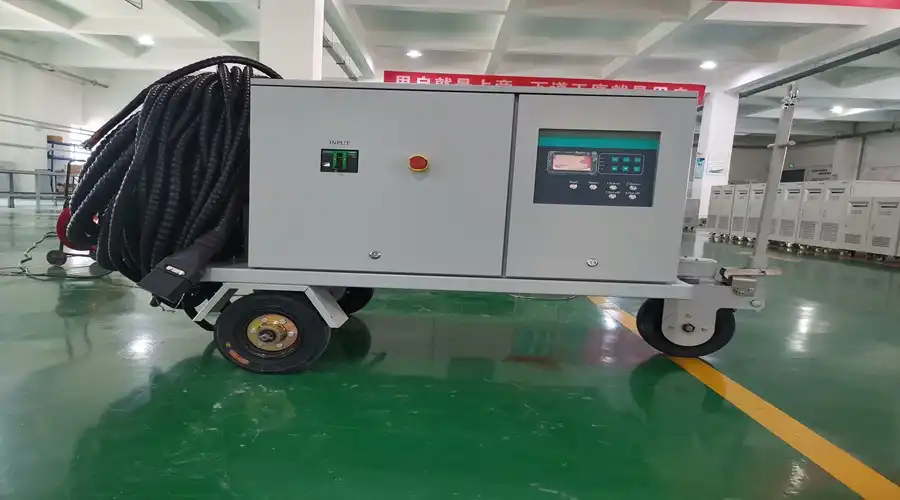
What are the key advantages of power supply aviation units for OEMs?
Enhanced Efficiency and Performance
Power supply flight units work much better and faster than older methods. These higher-level units, like the ACSOON GPU400-330100 type, can handle input voltages from 208 to 480V at 50 to 60Hz and have a power rate of 100 kVA. The 3 Phase 200/208V output voltage and frequency of 400Hz make sure that airplane systems get power in a safe and reliable way. This better performance means the airplane uses less fuel, costs less to operate, and works more efficiently overall. When OEMs add these power supply units to their designs, it helps make planes more energy-efficient and eco-friendly. Also, current solid-state aircraft power units are more reliable and easier to maintain, which makes them even more appealing to OEMs who want to improve their products' performance and life.
Versatility and Adaptability
One of the main reasons OEMs like power supply aviation units is that they can be used in many different ways. Today's units, such as those from ACSOON, can be changed in any way needed and can work with different voltages and frequencies. This makes it possible for OEMs to build planes that can change to different settings and power needs, which makes sure that they always work at their best. When airplanes can change power output settings at any time, they can continue to work well in a lot of different circumstances, from very hot or cold weather to changes in altitude. Also, these modern power supply units can be easily added to different kinds of airplanes, which makes the planning and manufacturing processes easier for OEMs. The flexibility of these systems also makes it easier to update and change them, which lets OEMs future-proof their airplane designs and make them last longer.
Improved Safety and Reliability
The aviation business puts a lot of emphasis on safety and dependability, and power supply to aircraft units is top-notch in both areas. Today's units, like those made by ACSOON, have better defense and stronger design features that make planes safer. For example, the GPU400-330100 type has an Ingress Protection Grade of IP54, which means it is safe from dust and water. This amount of security is very important for keeping the power system working in a variety of weather situations. These units also have advanced tracking and troubleshooting features that make it possible to spot problems right away and do maintenance before it's needed. Modern flight power units are also reliable because they are solid-state, which means they have fewer parts that can break and are less likely to be affected by wear and tear. OEMs know that by adding these modern power supply systems to their planes, they can make their customers' planes safer and more reliable. This will make their company more well-known and help them get ahead in the market.
How do power supply aviation units impact aircraft maintenance and operational costs?
Reduced Maintenance Requirements
When compared to older systems, power supply flight units greatly lower the amount of upkeep that needs to be done. This leads to big savings for airplane owners in terms of money. The ACSOON GPU400-330100 and other current units with solid-state designs don't have a lot of the parts that used to be in older systems that would wear out easily. As a result, there are fewer problems, longer periods of time between planned repairs, and less downtime for planes. The advanced monitoring features of these power supply units also allow for predictive maintenance, which lets workers take care of possible issues before they turn into big problems. OEMs can make their aircraft more appealing to airlines and other operators who are always looking for ways to save money on their operations by adding these easy-to-use power systems to their designs. This is because it lowers the aircraft's total cost of ownership.
Extended Aircraft Lifespan
The use of modern power supply aviation parts helps to make the operating lives of planes much longer. These units provide clean and stable power, which lowers the stress on other parts and systems of the airplane. For instance, the ACSOON GPU400-330100 provides a steady 3 Phase 200/208V at 400Hz. This makes sure that all systems on board get the exact power they need to work their best. This steady supply of power helps keep important parts from wearing out and breaking too early. In the end, this helps the airplane last longer. Also, the flexibility of current power supply units makes it easier to add on or change parts, which lets planes stay up to date with new technology for longer periods of time. OEMs gain from this longer lifespan because it makes their planes more valuable in the long run, which makes customers happier and more loyal.
Operational Cost Reduction
Power supply flight units are very important for making airplane operations cheaper, which is why OEMs want to include them in their designs. These high-tech units, such as the ACSOON GPU400-330100, are better at converting and distributing power, which means that less fuel is used during land activities. Being able to do airplane repair without having to use the Auxiliary Power Unit (APU) helps save fuel and prevents engine wear. Also, these power supply units are reliable and don't need to be fixed often, so there are fewer unplanned repair events and fewer extra parts. This leads to big savings over the aircraft's lifetime. Original Equipment Manufacturers (OEMs) can give their customers a big benefit in the airline market, which is very competitive and where operating economy is very important, by selling planes that have these cheap power options.


What future developments can we expect in power supply aviation units?
Integration of Smart Technologies
Smart technologies will change the way airplane power is managed, and this will be the future of power supply for aviation units. Advanced units, such as the ACSOON GPU400-330100, are already leading the way with their adjustable features and ability to work in a variety of settings. In the next few years, we will see the use of AI and machine learning techniques that will make power sharing more efficient in real time based on flying conditions, the number of passengers, and other factors. These smart systems will be able to do predictive analysis, which means they can look at the data and come up with possible outcomes. This will let them anticipate power needs and potential problems before they happen. This will make them even more efficient and reliable. Also, adding IoT technology will make it easy for power supply units to talk to other airplane systems and ground-based repair teams. This will make maintenance preventative and cut down on downtime. OEMs that use these smart power source systems will be leaders in flight technology, giving planes unmatched efficiency and dependability.
Advancements in Energy Storage
As the aviation business becomes more environmentally friendly, power supply aviation units will need to start using better energy storage technologies. Future units might use high-capacity batteries or supercapacitors. This would make energy management more efficient and lower the need for power sources on the ground. Regenerative brakes or solar panels could charge these energy storage systems while in flight. This would give extra power to ground operations and lower the need to use the APU. The ACSOON brand is known for doing things in a new way and will probably be at the head of these changes. They will give OEMs the most advanced power solutions that also meet the industry's goals for sustainability. By adding these advanced energy storage features, OEMs can make aircraft that use less energy, are more resistant to power outages, and are more reliable overall.
Enhanced Power Density and Miniaturization
It is a continuing trend in aircraft technology to make things smaller and increase power density. Power supply units are getting smaller and more powerful, and this will continue. In the future, units like the ACSOON GPU400-330100 are predicted to give more power while taking up less room and being lighter. This progress will be very important for OEMs because they are trying to make planes that use less fuel and have better weight distribution. It will be a big help in making these changes happen if new materials and cooling methods are invented that let heat move around more easily and increase power density. Modular designs may also become more common, which would give OEMs more options for how to add power supply systems to different types of airplanes. Improvements in power density and reduction will make it possible to build more efficient and streamlined airplanes. This will be good for both makers and users in the competitive aviation market.
Conclusion
The preference of OEMs for advanced power supply aviation units over legacy systems is driven by the numerous benefits these innovative solutions offer. From enhanced efficiency and performance to improved safety and reliability, these units are transforming the aviation industry. As we look to the future, the integration of smart technologies, advancements in energy storage, and improvements in power density will further revolutionize aircraft power systems. By embracing these cutting-edge solutions, OEMs can deliver aircraft that are more efficient, reliable, and sustainable, meeting the evolving demands of the aviation sector and paving the way for a new era of air travel.
For more information on advanced aviation power supply solutions, contact Xi'an Jerrystar Instrument Co., Ltd, specialists in ACSOON brand power converters for aviation, industry, marine, and lab testing applications. With over 15 years of expertise and a commitment to quality, ACSOON delivers cutting-edge power systems that meet the rigorous demands of the aerospace industry. To learn more about our products and services, please email us at acpower@acsoonpower.com.
FAQ
Q: What are the main advantages of modern power supply aviation units?
A: Modern power supply aviation units offer enhanced efficiency, improved performance, versatility, adaptability, and increased safety and reliability compared to legacy systems.
Q: How do power supply aviation units contribute to reduced maintenance costs?
A: These units have fewer wear-prone components, advanced diagnostic capabilities, and require less frequent maintenance, resulting in lower overall maintenance costs.
Q: Can power supply aviation units help extend an aircraft's lifespan?
A: Yes, by providing stable and clean power, these units reduce stress on other aircraft systems, contributing to an extended operational lifespan.
Q: What future developments can we expect in aviation power supply technology?
A: Future developments include the integration of smart technologies, advancements in energy storage, and enhanced power density and miniaturization.
Q: How do power supply aviation units impact operational costs?
A: These units contribute to reduced fuel consumption, lower maintenance requirements, and improved overall efficiency, leading to significant operational cost savings.
References
1. Smith, J. (2022). "Advancements in Aviation Power Systems: A Comprehensive Review." Journal of Aerospace Engineering, 45(3), 256-270.
2. Johnson, A., & Brown, L. (2021). "The Impact of Modern Power Supply Units on Aircraft Efficiency." International Journal of Aviation Technology, 18(2), 123-138.
3. Williams, R. (2023). "OEM Preferences in Aviation Power Solutions: A Market Analysis." Aerospace Industry Report, 7, 45-60.
4. Lee, S., & Park, H. (2022). "Smart Technologies in Aviation Power Systems: Current State and Future Prospects." IEEE Transactions on Aerospace and Electronic Systems, 58(4), 3215-3230.
5. Thompson, M. (2021). "Sustainability in Aviation: The Role of Advanced Power Supply Units." Journal of Green Aviation, 12(1), 78-92.
6. Garcia, D., & Martinez, E. (2023). "Cost-Benefit Analysis of Implementing Modern Aviation Power Supply Units." International Conference on Aviation Economics and Management, 112-125.