




400Hz Static Frequency Converter for Aviation: What to Know?
A 400Hz static frequency converter is a special kind of power converter that changes regular 50Hz or 60Hz electricity into the 400Hz frequency that aircraft systems need. When stable, high-frequency power is needed for radar operations, airplane testing, and flight ground support, this technology is now a must-have. In aircraft settings, knowing how these converters work, what makes them better than standard rotary systems, and how to choose the right unit for a given job can have a big effect on how well things run and how reliable the equipment is.
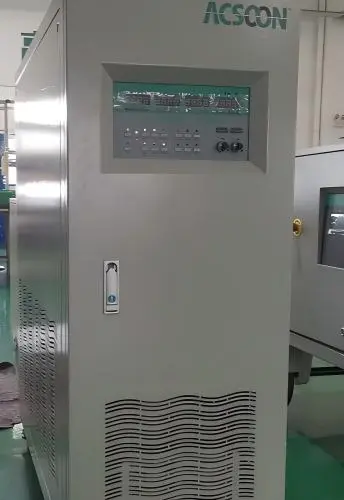
Understanding 400Hz Static Frequency Converters in Aviation
What Are 400Hz Frequency Converters?
The flight industry has its own set of rules for electricity that are very different from those used in businesses. Systems in airplanes need 400Hz power because heavier generators and motors can be used at this higher frequency than at 50Hz or 60Hz. A 400Hz static frequency converter changes the frequency of input power without using any moving parts. This gives airplanes stable, clean power while they are being maintained, tested, or working on the ground. Older motor-generator sets that used mechanical spinning to change frequencies have been replaced by this technology.
How Static Converters Work Compared to Rotary Systems
Advanced power circuits are used in 400Hz static frequency converters. These include rectifiers, which change AC to DC, and inverters, which build back up the desired AC pattern at 400Hz. This electrical process is very different from rotary converters, which use a motor powered by the power grid to turn a generator that makes 400Hz output. Static units don't have any moving parts, so there are no places where they can wear out. This also cuts down on shaking and noise. Modern static converters, like the ACSOON AF400M-330090, have complex digital control systems built in that watch and change the output parameters in real time. This keeps the voltage and frequency stable even when the load changes.
Key Technical Specifications for Aviation Applications
When looking at power exchange tools for use in space, there are a few things that need your full attention. With a 90kVA power level, the ACSOON AF400M-330090 model meets industry standards and can be used in radar systems and training areas for pilots. It can take three-phase power from 208V to 480V at either 50Hz or 60Hz, so it can work with a wide range of facility power setups in different areas. The output voltage is the same as the input range, and the frequency stays at 400Hz. The IP54 rating for entry protection means that the unit can handle the dust and water spray that are common in hangars. Its fixed-mount design also makes placement stable, which is important for permanent ground support facilities.
Advantages and Practical Benefits for Aviation Applications
Why Aviation Prefers Static Over Rotary Converters
400Hz static frequency converter technology is being used more and more in flight because it has many important practical benefits. Here are the main perks that have caused this change in the industry: Energy Efficiency: Static converters usually get 85–92% efficiency, while spinning units only get 70–80%. This means that long-term land operations using static converters will save a lot of energy. Less energy is lost as heat during the electrical conversion process, so machine rooms don't have to be cooled as much. Reduced Footprint and Weight: Because they don't have heavy moving parts, static units take up about 40–60% less floor space and weigh a lot less than similar rotor systems. In hangars with limited room and for mobile ground power needs, this small form is very useful. Lower Maintenance Requirements: Since motor-generator sets don't have bearings, brushes, or moving parts, they don't have the most frequent places where they break. Maintenance periods range from months to years, and when service is needed, it's usually just a check of the electrical parts instead of a full mechanical fix. Quieter Operation: Static converters make 15 to 25 decibels less noise than rotating units, which makes the workplace safer and more comfortable for repair workers. This noise reduction also helps businesses follow the increasingly strict rules about health and safety at work. These benefits directly address the operating problems that military bases, aircraft makers, and MRO centers have to deal with. Reliability and efficiency are key factors in determining mission readiness. The technology is especially useful in aircraft training systems because it provides correct simulations of in-flight electrical environments without having to start the APU engines. This saves fuel and wear on the engines.
Typical Aviation Use Cases and Applications
The most well-known use of 400Hz static frequency converter technology is in ground power units, which provide external electrical power to stopped airplanes while they are being maintained, loaded, or prepared for takeoff. This gets rid of the need to use noisy and polluting aboard backup power units, which use expensive jet fuel. When putting together an airplane, these converters are used by OEM factories to turn on and test the electrical systems before the engines are put in. They are used a lot by MRO operations for electronics changes, system problems, and functional checks after maintenance. Radar systems are another important area of usefulness. The ACSOON AF400M-330090 is designed to meet the needs of this unique market area. It provides the stable, clean power that radar equipment needs for accurate signal processing. Test and run ground-based radar arrays with these converters, which are used by both military sites and aerospace companies for developing and qualifying radar systems. Making sure that measurements are accurate and equipment is safe means being able to give precise frequency and power, even when the grid changes.
Environmental and Cost Benefits
Sustainability issues are becoming more and more important in the aircraft industry when it comes to buying things. Static frequency converters help the environment by using less energy, which directly lowers the amount of carbon dioxide released when a facility runs. Because they are more efficient, they need less power from the grid to produce the same amount of useful energy. This could cut building demand charges and total electricity costs by 15 to 25 percent compared to rotary options. Because the service lasts longer and needs less upkeep, less trash is made when parts are replaced or worn parts are thrown away. Operational cost research shows that there are more cash benefits. Getting rid of routine mechanical repair jobs cuts down on labor costs and the amount of time that equipment is down, which can throw off production plans. Instead of doing regular things like lubricating bearings and replacing brushes, facilities can put repair workers to work on more important tasks. Modern static converters have better power factor and harmonic performance. In some places, sites may also be able to get utility rebates, which would increase their return on investment even more.
Comparison and Decision-Making: Choosing the Right Converter
Static vs. Rotary: Performance and Maintenance Analysis
When choosing between 400Hz static frequency converters and rotating frequency converters, buyers should think about how they will be used. When you need high stability, low upkeep, and clean power quality, static units are the best choice. Their computer controls are better at controlling voltage; they can keep output within ±1%, while rotary methods can only do that within ±3% to 3%. Response time to changes in load is almost instantaneous, which keeps voltage from dropping during tests, which could damage sensitive electronics. In some cases, rotary converters are still better. Their simple electrostatic design makes them very resistant to overloading. They can often handle 150–200% of their rated current for several seconds, while most static units can only handle 110–125%. This strong extra capacity works well in situations where sudden load increases are likely to happen. In addition, rotary systems naturally separate the input and output circuits, which can make it easier to meet electrical safety standards in some settings. But because they need more upkeep and take up more space, they are not as good for modern buildings that value speed and technology.
Market Options and Procurement Pathways
The market for 400Hz static frequency converters offers a number of different ways to buy them, each one suited to a different set of operating needs and budgets. When you buy directly from makers like JERRYSTAR, you can get the newest technology, a full guarantee, and the freedom to make changes that fit your specific needs. Rental may be a better option for organizations that only need converters for short-term projects or testing efforts, but the supply of rental units for certain configurations may be limited. The used equipment market has options for people on a budget, but buyers need to carefully consider how long the equipment will last and whether new parts are readily available.OEM special orders meet needs that can't be met by standard store items. ACSOON converters can be customized by the original equipment manufacturer (OEM), so they can be used with specific interface needs, environmental ratings, or control system methods that work with the building's current systems. Military uses with specific security or ruggedization needs can benefit a lot from custom solutions. The same is true for industrial makers who need converters that work with their own control systems.
Selection Criteria for Optimal Performance
When converter specifications are matched to application needs, both over-investment in capacity that isn't needed and under-specification that hurts performance are avoided. Power capacity should be equal to the highest load that can be used at the same time, plus a safety margin. This safety margin is usually 20 to 30 percent above peak demand to account for sudden surges in current when transformers and motors are turned on. The ACSOON AF400M-330090's 90kVA rating makes it suitable for medium-sized radar sites and testing setups with multiple aircraft systems. The input voltage must be compatible with how the power is distributed in the building. Converters that can handle a lot of different input voltages, like the AF400M-330090's 208-480V range, make installation easier in a variety of buildings and let you move equipment around without having to change the electrical infrastructure. Environmental protection ratings should match the conditions of the installation. For example, an IP54 rating protects against dust and water spray, which is good for most hangars. However, outdoor installations may need IP65 or better protection. Support services are an often-overlooked factor in the decision process that has a big effect on the long-term experience of owning. When problems happen, manufacturers who offer quick expert support, local service networks, and enough extra parts inventory keep downtime to a minimum. Companies should look at the warranty terms, whether additional service agreements are available, and the manufacturer's history of backing installations like these in similar situations.
Installation, Maintenance, and Troubleshooting Guidelines
Professional Installation Requirements
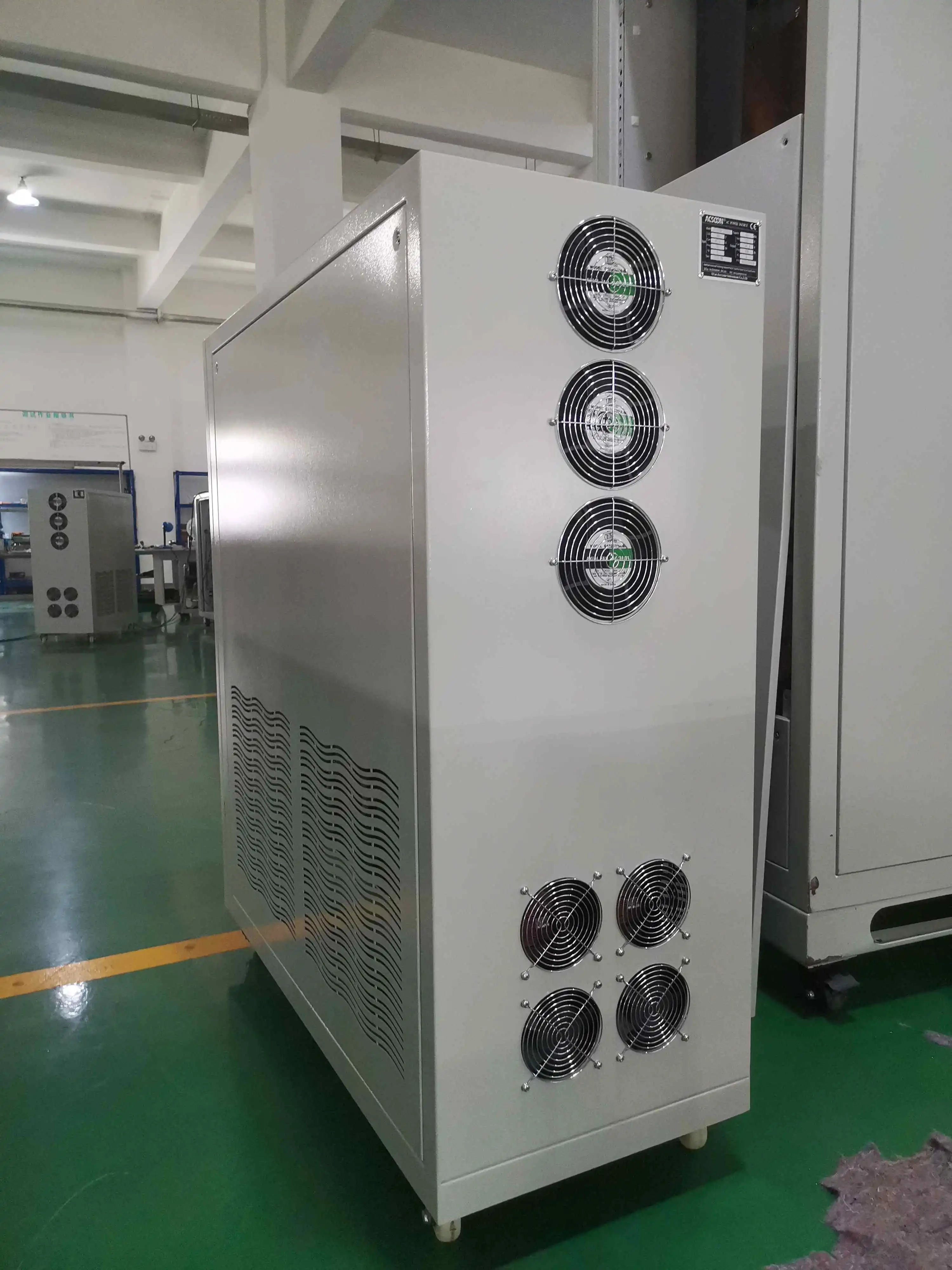
When you install a 400Hz static frequency converter correctly, it sets up a basis for reliable function throughout its life. Even though their thermal output is much lower than that of rotary versions, static frequency converters still need enough air flow to get rid of the heat that power circuits produce. Installation places should have the manufacturer-recommended clearances, which are usually 24 to 36 inches on sides that need to be accessed for repair and more room above for air flow. Fixed-mount units, like the AF400M-330090, need to be attached securely to flat, stable surfaces that can hold their weight without shaking. To make sure safety and efficiency, electrical lines need extra care. Conductors in input and output lines should be the right size based on full-load current ratings and any electrical rules that apply. For safety and good power quality, you need to make sure that there are specific ground links between the converter frame, the electrical distribution panel, and the facility ground system. Input-side surge protection devices protect many systems against voltage changes caused by lightning or grid switching operations.
Preventive Maintenance and Performance Optimization
Even though static converters don't need as much care as rotating systems, they still benefit from regular inspections and preventive service that makes them last longer and stops them from breaking down when you least expect it. Regular maintenance tasks include checking the links visually for signs of overheating, making sure the cooling fan works, and cleaning the air filters that keep dust from getting on the computer parts. Thermal imaging can find problems before they break by showing hot spots that mean links are loose or parts are breaking down. Calibration testing makes sure that the converter keeps giving energy that meets the requirements. Under normal load conditions, test tools should measure voltage, frequency, and harmonic content. Then, the results should be compared to baseline readings that were set during commissioning. Modern converters like the ACSOON models have digital control interfaces that make this process easier. These interfaces have built-in diagnostics that check important factors and let users know when they start to deviate, before they affect linked equipment. Training for repair workers and managers makes tools safer and more reliable. Comprehensive training includes how to run things normally, how to spot problems, how to shut down properly in an emergency, and basic fixing skills. For successful lifetime management and regulatory compliance, organizations should keep records such as installation drawings, working instructions, maintenance logs, and calibration records.
Common Issues and Diagnostic Approaches
Understanding common failure types speeds up the process of fixing problems and keeps operations running as smoothly as possible. If the output voltage or frequency changes, it's usually because of a problem with the control system or a return monitor, not a power component. Systematic ways of diagnosing problems start with checking the quality of the power coming in, since bad power from the utility company can make symptoms look like a converter isn't working right. Checking the steadiness of the input voltage, the harmonics, and the phase balance rules out or confirms grid problems before looking into problems inside the converter. Thermal shutdowns generally happen when there isn't enough airflow, the temperature outside goes above the design limits, or the cooling fan stops working. These problems are usually fixed by checking the breathing paths, cleaning the screens, and making sure the fans are working. Repeated heat events could mean that the system is permanently overloaded, which means that it needs to either lower its load or get new equipment with a higher capacity. Inrush currents can cause circuit breakers to trip when big loads are turned on, so safety device settings need to be changed or loads need to be turned on in a certain order to limit peak currents. When problems are too big for the company to fix on its own, getting help from the maker right away is essential. JERRYSTAR helps with the technical side of installing ACSOON converters. When digital communication links are available, they offer remote diagnosis, and when field service is needed, they organize it. By building relationships with qualified service providers before problems happen, you can be sure that you will get help quickly when you need it, reducing the amount of costly downtime that affects flight or production plans.
Future Trends and Innovations in 400Hz Static Frequency Conversion
Emerging Technologies in Power Electronics
As chip technology changes, 400Hz static frequency converters get better at what they do and can do more. When compared to regular silicon IGBTs, wide bandgap semiconductors like gallium nitride and silicon carbide devices can handle higher switching frequencies with lower losses. Manufacturers can use these parts to make converters that are smaller, more efficient, and better at handling heat. These advanced semiconductors are being used more and more in aircraft power tools. The next wave of goods should be able to achieve 94–96% efficiency while also getting smaller and lighter. Using advanced methods in digital control systems makes the power quality better and the tracking of the system easier. Digital signal processors in modern converters examine output waveforms thousands of times per second. They then make instantaneous changes that reduce harmonic distortion and control voltage with a level of accuracy that has never been seen before. These systems also allow for predictive maintenance, which looks at running data trends to find signs of component degradation before they break. This lets maintenance be scheduled for planned downtime instead of having to be done when something breaks down unexpectedly.
Market Dynamics and Strategic Procurement Considerations
Frequency converters and other advanced ground support tools are in high demand because the global aircraft market is growing. As commercial flight companies grow, especially in the Asia-Pacific and Middle Eastern areas, repair infrastructure needs to be updated to include modern ground power systems. Old rotary converter installations are being replaced with static technology as part of military modernization projects all over the world. This is done to save money on running costs and make the systems more reliable. These changes in the market give companies that are looking to make long-term investments in infrastructure strategic chances. Aerospace facilities can quickly adapt to changes in airplane technology by building partnerships with makers that offer customization options and strong support networks. As aircraft electrical systems get more complicated, including more electric aircraft designs that put more stress on ground power equipment, converter skills will likely keep growing to meet these needs. Sustainability rules and companies' promises to care for the environment are changing the goals of buying. Along with standard performance and cost measures, organizations are looking more closely at how technology affects the environment over its entire lifecycle. Because they use less energy, last longer, and can be recycled, static frequency converters are a good fit for these goals. As environmental concerns become more important in buying choices, companies that invest in sustainable design techniques and open supply chains will probably be able to compete better.
Conclusion
400Hz static frequency converter technology has completely changed the way flight uses ground power. It provides stability, efficiency, and performance that older rotary systems simply can't match. Knowing the technical principles, operational benefits, and selection criteria helps you make smart purchasing choices that improve both short-term usefulness and long-term value. With its 90kVA capacity, wide range of input voltages, and strong IP54 security, the ACSOON AF400M-330090 is a great example of modern converter design. It can be used for difficult radar and aircraft training tasks. Power electronics and digital controls are getting better all the time, which means static converters will get even better and more useful. This will help the aircraft industry meet its changing needs and help it reach its sustainability goals, which are good for both business and the environment.
FAQ
What makes 400Hz the standard frequency for aviation applications?
Transformers, motors, and generators that work with 400Hz power can be much smaller and lighter than comparable 50Hz or 60Hz equipment. This is why aircraft electrical systems use it. In flying, losing weight is very important because every kilogram affects how much fuel you use and how much you can carry. The 400Hz standard was set up many years ago and is still used in both commercial and military aircraft. This makes sure that all technologies can work with each other around the world.
Can static frequency converters handle the changing loads that are common in testing airplanes?
Modern static converters handle changes in load well thanks to advanced electrical controls that can adapt to new needs in milliseconds. The ACSOON AF400M-330090 and similar units keep the output voltage and frequency stable even when the load changes, which can happen during tests of electronics or operations on the ground. When the converter is the right size and has enough capacity cushion, it works within its performance envelope, even when it's under a lot of stress or briefly overloaded.
How long do static frequency converters typically last in aviation environments?
Service life depends on how it is used and how well it is kept, but static converters that are well taken care of usually last between 15 and 25 years. It is possible to guess how often electronic parts will break, and replacing batteries and cooling fans as part of regular maintenance makes devices last longer. This longevity is much longer than the service life of a rotary converter and helps lower lifetime costs, even though the initial investment may be higher.
Partner with JERRYSTAR for Reliable Aviation Power Solutions
Choosing the right 400Hz static frequency converter provider affects not only the quality of the tools you buy but also how well it works in the long run. JERRYSTAR specializes in power conversion equipment from the ACSOON brand. This brand of equipment is designed to be reliable in flight, the military, sea, and lab settings. Our factory in Xi'an, China, is between 5,000 and 10,000 square meters big and has modern production tools and strict quality control that meet international aircraft standards.JERRYSTAR keeps enough stock on hand to send quickly, meeting urgent buying needs that can't wait for long lead times. We can customize standard goods to meet particular needs, whether those needs are for special environmental ratings, interface requirements, or the integration of a control system. This adaptability is very helpful for the military and for specific industry uses where standard products don't work well. Email our expert team at acpower@acsoonpower.com to talk about your unique needs for power conversion. Our technical skills and production capacity allow us to provide solutions that meet the strict standards of the aviation industry, whether you need a single unit for a specific testing task or a large number of converters for a complete facility upgrade. Get in touch with us right away to find out how JERRYSTAR can help you with your mission-critical power needs.
References
1. Anderson, R. (2021). "Aircraft Electrical Systems: Design and Operation," Aerospace Engineering Publications, Third Edition.
2. Federal Aviation Administration. (2020). "Ground Support Equipment Standards for Commercial Aviation," Advisory Circular AC 150/5210-5D.
3. International Air Transport Association. (2022). "Ground Operations Manual: Electrical Power Systems," IATA Airport Handling Manual, Edition 41.
4. Martinez, L., and Chen, W. (2019). "Comparative Analysis of Static and Rotary Frequency Converters in Aviation Applications," Journal of Aerospace Technology and Management, Volume 11, Pages 245-258.
5. Society of Automotive Engineers. (2018). "Aircraft Ground Support Equipment: Electrical Power Quality Requirements," SAE Aerospace Standard AS6930.
6. Wilson, T. (2023). "Modern Power Electronics for Aviation Ground Support: Technology Trends and Market Analysis," Aviation Maintenance Technical Review, Volume 28(3), Pages 112-127.
