




Avionics Power Supply Buying Guide for Aerospace Applications
When choosing the right avionics power supply, you need to carefully think about the technical specs, the surroundings, and the reliability standards that are mission-critical. As aircraft systems get more complex, the equipment that changes power must be able to provide clean, stable electricity while also being able to handle high temperatures, vibrations, and electromagnetic interference. This detailed guide walks you through important factors, such as figuring out basic power needs and assessing the skills of potential suppliers. It is meant to help procurement teams, aerospace engineers, and systems integrators make smart choices that improve operational safety and regulatory compliance in military, industrial, and aviation testing scenarios.
Understanding Avionics Power Supply Fundamentals
Power transfer technology is what keeps an airplane's electricity system running. Ground power units and airborne power sources for aircraft turn receiving electricity into standard outputs that can power sensitive communication, navigation, and electronics systems.
Core Operating Principles
Power conversion systems in spacecraft keep voltage and frequency in check and block electromagnetic interference that could damage electronics that are needed for flying. Newer solid-state designs have mostly replaced older linear technologies because they are more efficient and better at managing heat. These units take in varying input sources, which are usually three-phase 208–480V at 50–60Hz, and turn them into the standard 400Hz AC power that flight systems need. The frequency conversion process makes sure that the voltage stays stable within ±2% tolerance bands and works with foreign flight equipment.
Technology Classifications
The aircraft power market is mostly made up of two main types: solid-state frequency converters and rotating transformer-based systems. Power electronics and advanced switching circuits are used in solid-state GPU technology to convert frequencies without using any moving parts. This means that the technology needs less upkeep and lasts longer. To meet MIL-STD standards, military-grade units have extra shielding and ruggedized parts. Commercial-grade options, on the other hand, balance cost with approval requirements for use in public flight.
Critical Specifications
Power rating tells you the highest continuous load capacity of ground power tools. It is usually given in kilovolt-amperes (kVA). During repair work, a 100kVA unit can run multiple airplane systems at the same time without having to turn on an auxiliary power unit. Different facility power systems can work with the input voltage freedom, and IP54 ingress protection keeps dust and water out in outdoor repair areas. Following the DO-160 weather testing guidelines makes sure that equipment can handle changes in altitude, temperature, and vibration patterns that are common in aircraft operations.
Criteria for Choosing the Best Avionics Power Supply
When making choices about buying aerospace equipment, technical skills must be carefully compared to operational needs. The process of choosing strikes a mix between efficiency requirements, installation limitations, and long-term cost factors.
Defining Operational Requirements
Avionics power supply needs are determined by the size of the aircraft and how repair work is done. When trying multiple systems at the same time, regional jets may need 60kVA to 90kVA systems, while wide-body commercial planes may need 150kVA or more. The environment at repair sites affects the amount of cooling needed and the rating of the enclosures. For example, airfields in the desert have different thermal problems than bases on the coast that are exposed to high humidity and salt. Mission types are also important. For example, UAV testing labs need small, movable solutions, while fixed-base operations benefit from infrastructure that is set up permanently and distributes power centrally.
Performance Metrics That Matter
Ratings for efficiency have a direct effect on running costs and the need to control heat. Modern solid-state converters are 90–95% efficient, which means they turn most of the power they receive into useful power while wasting as little heat as possible. Mobility and fitting difficulty are both affected by weight. Units weighing more than 600 kilograms need special handling tools and stronger fastening structures. In sealed repair hangars, where OSHA rules say long-term exposure to noise levels above 85 decibels is dangerous, acoustic performance is very important. People who aren't experts can use equipment with a rating of less than 65dB without any problems, so systems can be activated during normal processes.
Comparative Analysis of Leading Solutions
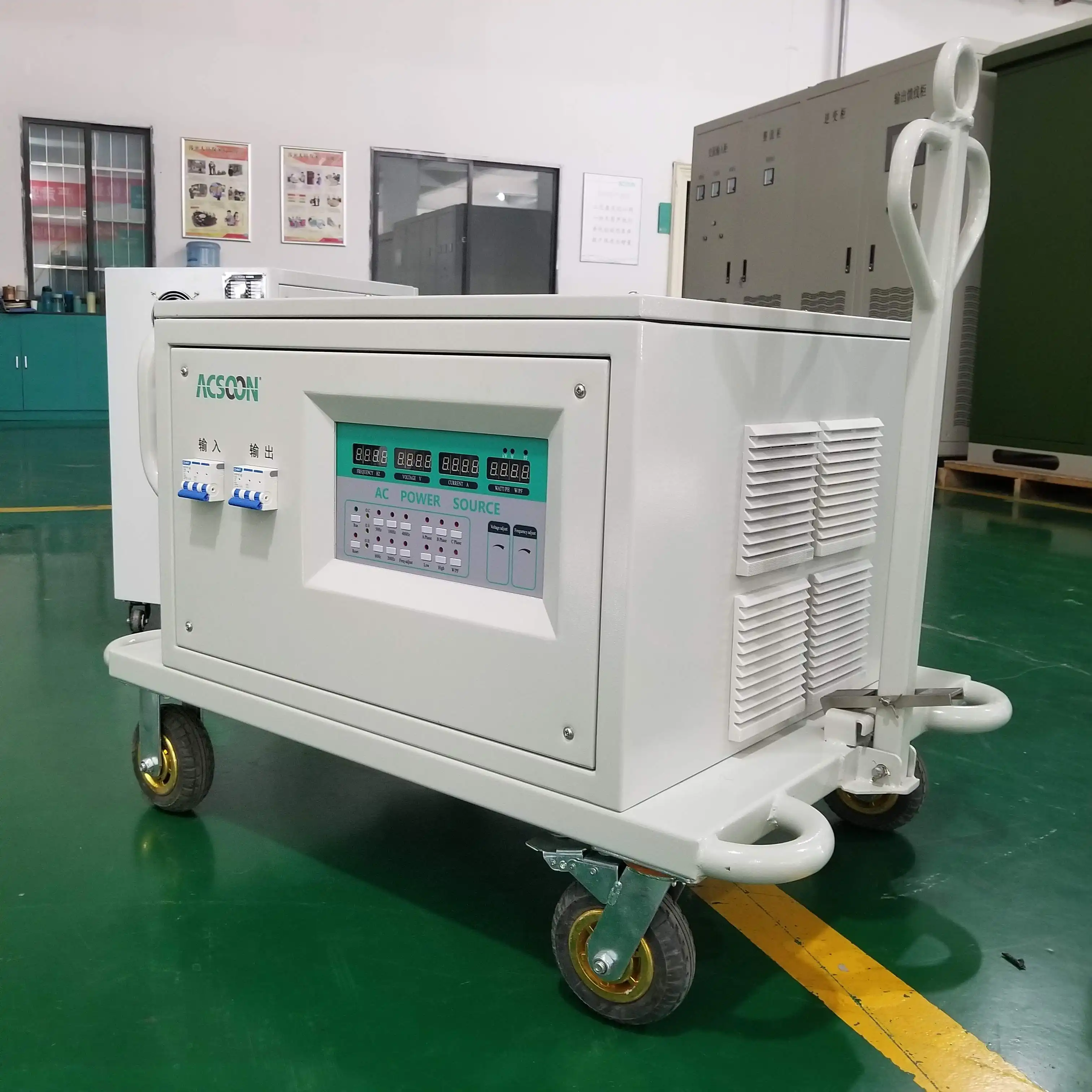
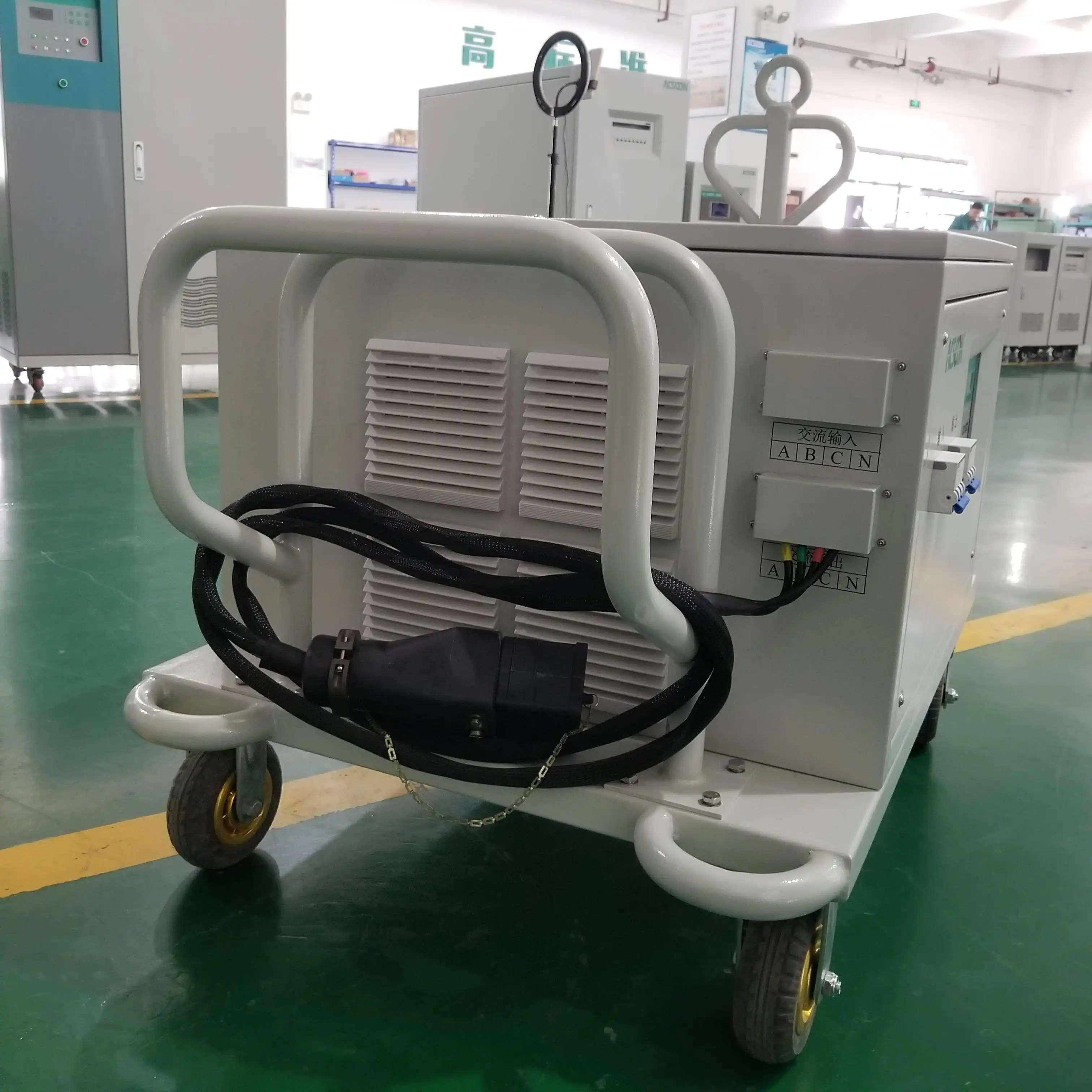
The ACSOON AF400W-330100 is a great example of modern ground power technology. It has a small size and weighs less than 600 kilos, but it can output 100kVA. Its three-phase 200/208V output at 400Hz is the same as normal aircraft electrical systems. It can accept a wide range of input voltages (208–480V), which makes installation possible in a variety of foreign facilities. IP54 environmental protection lets it be used outside in maintenance areas that are only partly covered, and sub-65dB sound performance lets it run continuously in noisy places. This solid-state fixed-mounted setup gets rid of the need for APU runs during long repair periods. This cuts down on fuel use and engine wear while also lowering noise levels in the facility.
Certification and Compliance Framework
Aviation officials all over the world make sure that ground support equipment goes through a lot of tests and paperwork. When equipment is certified to DO-160 environmental standards, it shows that it can work successfully in a wide range of temperatures, handle shock loads during transport, and block electromagnetic interference without affecting flight systems. Some other qualifications that may be needed are the CE mark for operations in Europe, the FCC Part 15 mark for electromagnetic compatibility, and an ISO 9001 quality management check. For military uses, equipment has to meet MIL-STD-461 EMI/EMC compliance and MIL-STD-810 weather approval. This makes the equipment much more expensive, but makes sure it can be used for defense purposes.
Procurement Considerations for B2B Buyers
When you're strategic sourcing aerospace power tools, you have to find your way through complicated supplier communities while keeping technical needs, price limits, and delivery dates in mind. Procurement teams that are good at their jobs come up with thorough evaluation factors that go beyond the initial buy price.
Supplier Selection and Vetting
To find reliable manufacturers, you need to look at their production skills, quality processes, and knowledge in the aerospace business. Established providers keep licenses that show they follow AS9100 aircraft quality standards and use traceability systems to keep track of parts from the time they are made from raw materials to the final assembly. Xi'an Jerrystar Instrument Co., Ltd. has factories that are 5,000 to 10,000 square meters and only make ACSOON brand power converters. These factories have the ability to make a lot of products and have engineers who have worked on military and flight systems. Direct ties with manufacturers give you more options for customization and access to technical support. Authorized distributors, on the other hand, offer localized supplies and faster replacement options in case of an emergency.
Volume Pricing and Customization
Through economies of scale and specialized production runs, bulk buying programs save a lot of money. When planning fleet-wide ground support upgrades, companies should work with makers early on in the specification development process. This lets engineering teams make designs that work best in certain operating situations. Custom changes could include different output setups, built-in tracking systems, or changes to the surroundings to work in harsh climates. Customization usually involves in-depth technical talks, testing of prototypes, and longer wait times—often an extra 12 to 16 weeks on top of normal product delivery times. However, customized solutions often work better than adjusted off-the-shelf options in tough operating settings.
Financial Considerations
The total cost of ownership includes a lot more than just the price of buying the item. Energy efficiency affects operating costs over the 15–20-year lifecycles of equipment, which could support charging more for models with better energy efficiency. Avionics power supply affects operating costs over the 15–20-year lifecycles of equipment, which could support charging more for models with better energy efficiency. Different suppliers offer very different warranty coverage. Some offer complete plans that cover parts, labor, and emergency service, while others may only cover replacing parts. Options for longer warranties give budget certainty for important activities where equipment failure has serious practical effects. Payment terms, bulk savings, and service agreements that last more than one year give smart buyers more ways to negotiate.
Lead Time Management
Standard production items from existing stock usually ship within two to four weeks, but special designs need longer production times. Companies working on projects that need to be done quickly should keep strategic inventory buffers or make framework deals that promise priority production slots. Good inventory management is especially important for repair operations that work on a variety of aircraft types, where equipment compatibility and quick access keep costs low and delays on the ground to a minimum. Suppliers with reliable on-time delivery records and clear production timing systems lower the risk of buying and help with better planning of resources.
Troubleshooting and Maintenance of Avionics Power Supplies
Preventive maintenance programs and organized diagnostic processes make sure that equipment works the same way in all operating settings and extends its useful life. Structured methods for problem detection keep expensive electronics working during power outages and cut down on unplanned downtime.
Common Failure Modes
Voltage regulation instability usually shows up as flashing lights or equipment that restarts itself every so often. This is usually caused by control circuits that are getting old or feedback parts that are breaking down. Thermal stress speeds up component wear in units that are working close to their limits or in places that don't have enough airflow. Thermal imaging during operation finds problems with the cooling system before they become catastrophic. Power electronics parts called electrolytic capacitors wear out quickly. As they get older, they show higher ripple voltage and less capacity. Corrosion on connectors in marine or industrial settings causes intermittent faults that make troubleshooting harder and require regular inspection and contact cleaning procedures.
Diagnostic Approaches
Systematic fault isolation starts with checking the inputs. Making sure the source voltage is stable and that the wiring is correct gets rid of any outside factors before looking into the internal parts. When you change the load on the output, you can see how well the control works and how much harmonic distortion there is. Thermal profiling can show you which parts are getting too hot, which means they aren't getting enough cooling or there is too much current stress. Power analyzers and harmonic distortion meters are examples of modern test tools that can be used to compare numbers to manufacturer specs. This helps make objective choices about whether to fix or replace something. Manufacturers can find ways to improve designs and estimate when maintenance will be needed by keeping track of failure symptoms, weather conditions, and operating history.
Preventive Maintenance Strategies
Every three months, cooling fans, air screens, and electrical connections should be visually checked as part of routine inspections. In dusty or corrosive settings, these checks should be done more often. Every year, the calibration is checked to make sure that the output voltage and frequency stay within the allowed range. This stops any slow changes that could harm linked devices. The amount of pollution in the environment affects how often filters need to be replaced. Facilities near building sites or factories may need to be serviced every month, while climate-controlled indoor locations can go up to every six months. During normal operation, thermal imaging scans create baseline thermal fingerprints that allow trend analysis to predict when a component will fail before it affects operation.
Future Trends and Innovations in Avionics Power Supplies
The development of aerospace power technology is in response to calls for higher efficiency, less weight, and better tracking tools. Organizations can make better purchasing choices that meet their long-term business needs when they understand new developments.
Advanced Power Electronics
When compared to standard silicon parts, wide-bandgap semiconductors made with silicon carbide and gallium nitride devices can handle higher switching speeds and better thermal performance. These materials can work at high temperatures while also requiring less cooling, which lets designs be smaller without losing durability. Efficiency gains of about 97% lower the facility's power use and waste heat production, which is especially helpful in maintenance facilities with limited room or mobile ground support uses. Wide-bandgap technology will slowly replace older designs in commercial and military ground power equipment as production rates rise and component costs fall.
Smart Monitoring and Predictive Maintenance
Avionics power supply, Input quality, output stability, component temperatures, and load characteristics are just some of the working aspects that integrated diagnostic systems keep an eye on all the time. Connectivity to the cloud allows for remote tracking and alerts, which lets support teams fix problems before they cause service interruptions. Machine learning systems that look at operational data can predict how parts will wear and figure out the best times to do maintenance. This cuts down on service calls that aren't necessary and stops sudden failures. These features are especially useful for companies that run repair sites in different places or that work in remote areas where technical help might not be available right away.
Modular and Scalable Architectures
New designs focus on field-replaceable modules and standardized connections, which shorten repair times and lower the need to keep extra parts on hand. Modular setups let you increase capacity by running multiple units at the same time, so you can adapt to changing operating needs without having to update the whole system. Standardization efforts in aircraft industry groups encourage makers to use interchangeable parts. This lowers vendor lock-in and lets customers find cheaper parts throughout the lifecycle of equipment. Companies that want to make long-term investments in infrastructure should give preference to sellers who show they are committed to open standards and working with older systems.
Conclusion
To buy an aerospace power source, you have to carefully look at the technical specs, the supplier's skills, and the long-term needs of the business. Solid-state frequency converters with a 400Hz output have become standard for airplane repair. They get rid of the need for an avionics power supply and an APU to run and give sensitive avionics systems clean, stable power. Key selection factors include power capacity that matches the needs of the airplane, environmental protection that fits the needs of the building, and acoustic performance that lets people work without hearing protection. Building partnerships with skilled makers that offer customization options, enough stock, and quick technical support is the best way to make sure that purchasing choices pay off over the long term of an item's life.
FAQ
How do I determine the appropriate power rating for my facility?
Find the total connected load of all the airplane systems that need power at the same time during normal repair tasks. Then, add 20 to 30 percent to account for startup inrush currents and future growth. Ground power needs for commercial jets usually run from 60kVA to 180kVA, based on their size and configuration, and are listed in the maintenance paperwork from the aircraft maker. Facilities that work with multiple kinds of airplanes at the same time should list the capacity needed to serve the biggest aircraft plus 40 to 60kVA for extra equipment.
What differentiates military-grade from commercial aviation power supplies?
According to MIL-STD-810, military standards require better electromagnetic shielding, wider temperature ranges (-40°C to +70°C), resistance to shock and shaking, and full outdoor tests. The choice of components is based on their proven trustworthiness and the length of time it takes for them to break down on average. Often, multiple circuits and ruggedized construction are used. Commercial units that meet DO-160 standards work well enough for civil flight and are as cost-effective as possible thanks to streamlined approval processes and reasonable environmental requirements.
Can manufacturers provide customized configurations for specialized applications?
Reliable providers usually can handle special connectors, custom voltage outputs, built-in monitoring systems, and changes to fit different environments. The process of customization starts with in-depth technical talks about describing working needs, environmental conditions, and interaction requirements. Engineering teams create custom solutions that include any changes that need to be made to stay in line with approval requirements. Custom projects usually add 12 to 16 weeks to delivery times, and prototypes may need to be tested before full production can begin.
Partner with JERRYSTAR for Reliable Avionics Power Supply Solutions
Xi'an Jerrystar Instrument Co., Ltd. makes ACSOON brand power adapters for use in laboratories, aircraft, ships, and the military around the world. Our 5,000–10,000-square-meter production center blends cutting-edge manufacturing skills with technical know-how gained from working on many military and aerospace power system projects. As long as we keep enough inventory on hand, we can quickly meet pressing needs and also provide full customization services for specific uses. The ACSOON AF400W-330100 shows our dedication to providing top-notch ground power options. It has 100kVA solid-state frequency conversion in a small box that weighs less than 600 kilograms and has IP54 protection for the environment and sub-65dB sound performance. As a company that both makes and sells goods, we offer direct access to technical knowledge, affordable pricing, and a range of flexible purchasing options to help businesses from the initial stages of developing their specifications to providing long-term operational support. Our team provides quick service backed by deep product knowledge, whether you need standard ground power units for business aviation repair or custom-engineered solutions for military use. Email our avionics power supply experts at acpower@acsoonpower.com to talk about your unique needs, look into the options for customization, or ask for full technical specs and quotes. We're excited to help you with your power infrastructure needs in the aircraft industry by providing you with dependable, cost-effective solutions made for mission-critical uses.
References
1. Aircraft Electrical Systems Standards Committee. (2019). DO-160G Environmental Conditions and Test Procedures for Airborne Equipment. RTCA Incorporated.
2. Society of Automotive Engineers International. (2021). AS9100D Quality Management Systems - Requirements for Aviation, Space and Defense Organizations. SAE International Standards.
3. Miller, R.H. & Anderson, P.T. (2020). Aerospace Ground Support Equipment: Design, Operation, and Maintenance. Aviation Technical Publishers.
4. United States Department of Defense. (2018). MIL-STD-461G Requirements for the Control of Electromagnetic Interference Characteristics of Subsystems and Equipment. Defense Technical Information Center.
5. Johnson, K.L. (2022). "Advances in Solid-State Power Conversion for Aerospace Applications." Journal of Aerospace Power Systems, 47(3), 215-234.
6. International Air Transport Association. (2023). Ground Support Equipment Standards and Recommended Practices Manual. IATA Technical Publications.