




Do You Need a Single Phase Frequency Converter for Motors?
Procurement professionals often check to see if a single phase frequency converter meets their needs when looking at motor control options for specific uses. The answer varies depending on the type of motor you have, how much power you need, and where you plan to use it. Single phase frequency converters are good for smaller motors up to 10 HP in home or light commercial settings. But three-phase static frequency converters are usually needed in industrial settings, like aviation, the military, marine, and lab testing, because they provide stable, reliable power conversion with little harmonic distortion and precise frequency control for mission-critical equipment.
Understanding Frequency Converters and Their Functionality
Frequency converters change the frequency of the electricity that goes to a motor to control its speed and function. These devices allow exact control over rotational speed, torque output, and energy usage. This makes them essential in situations where working conditions need to be changed or where non-standard power sources need to work.
Core Operating Principles
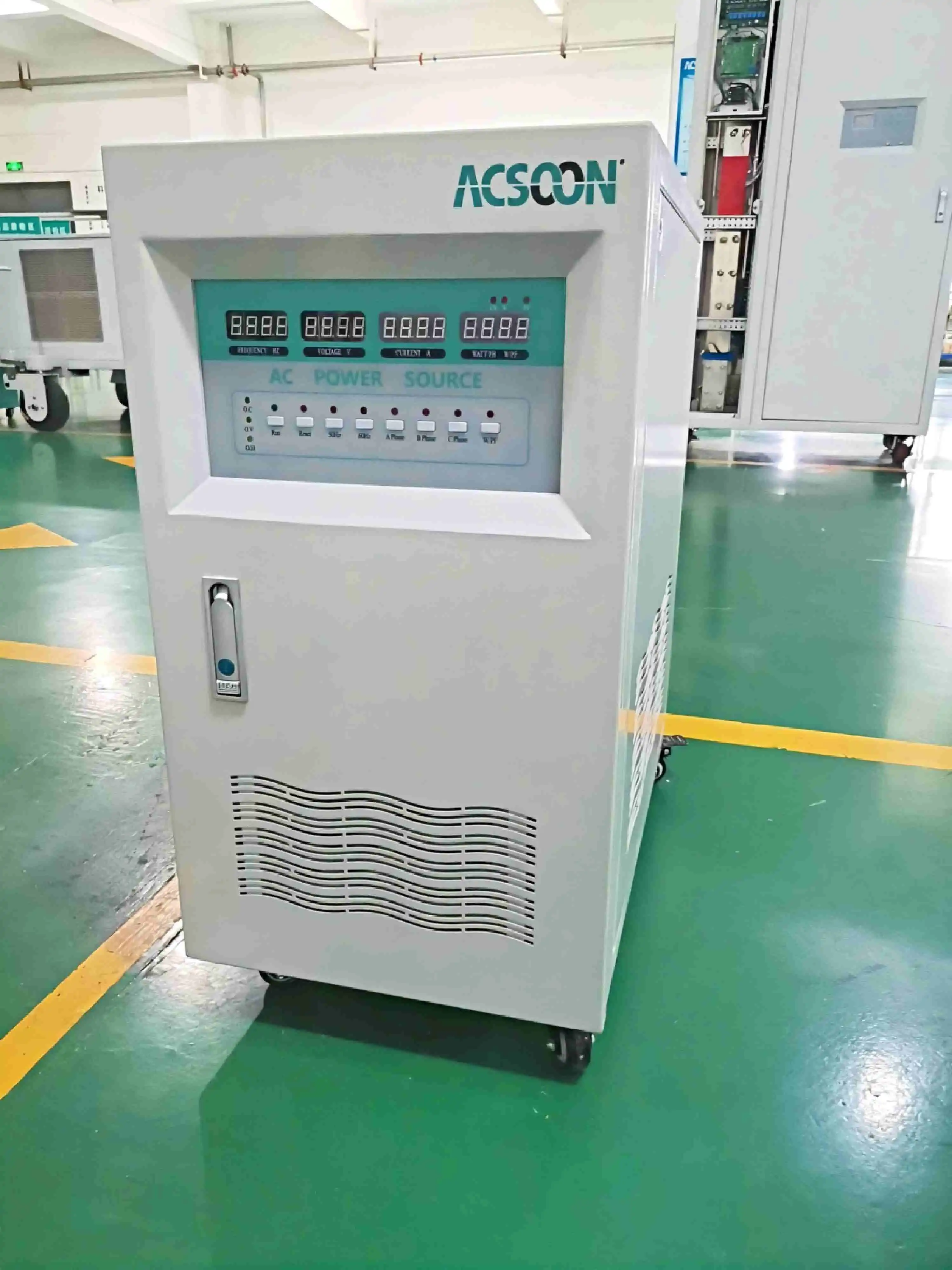
Modern frequency converters use solid-state electronics to change the AC power that comes in to DC power and then back to AC at the output frequency that you want. Both frequency and voltage can be changed in this way to meet the needs of each motor. Advanced PWM (Pulse Width Modulation) technology is used by static frequency converters like the ACSOON AF60-110001 type to create clean, stable output waves with harmonic distortion below 3%. This keeps sensitive equipment safe from power quality problems.
Types and Applications
The technology comes in a number of different forms that are made for specific operating situations. Industrial-grade static frequency converters produce a pure sine wave that can be used with precise lab equipment and in aircraft applications. Most of the time, these units have separate output steps that keep noise from damaging instruments that are sensitive to it. The tall form with wheels makes it easier to move in test rooms and manufacturing facilities where equipment is often moved around. Variable frequency converters let you make changes all the time over a wide range of frequencies, which helps with motor testing methods and making sure everything works together. Rotary converters have mechanical parts, but most of them have been replaced by static types that are more reliable and need less upkeep. Digital control systems let you finetune the frequency to within 0.1 Hz, which is important for testing tools and aircraft ground power uses that need 400 Hz output.
Energy Efficiency and Performance Impact
Frequency control has a direct effect on how well motors work and how much they cost to run. When motors are going at their best frequency, they use less energy, make less heat, and are under less mechanical stress. When used in a lab or factory, frequency control makes technology last 20 to 30 percent longer than when it is used with a set frequency. The ACSOON converter is EMC compatible, which means it delivers clean power and doesn't cause too much electromagnetic interference with close communication and equipment.
Comparing Frequency Converter Technologies
When procurement teams look at power conversion options, they need to know what makes each technology work differently. This comparison helps you figure out which option works best for your motor applications, installation settings, and operating needs.
Single Phase Versus Three Phase Converters
When it comes to power loads, three-phase frequency converters are much better than single phase frequency converters. It can take three-phase input (208V–480V, 60Hz) and send three-phase output (208V–480V, 50Hz), so it can be used for projects that want to make foreign equipment compatible and standardize frequencies. With three-phase systems, power is delivered more smoothly, and loads are balanced better. This lowers mechanical shaking and increases the life of motor bearings.Single phase frequency converters work well for motors with fractional horsepower in homes, but they don't have enough power for industry tools, aircraft ground support equipment, or marine propulsion systems. The phase design affects the power that is available. For example, a 1kVA three-phase unit can power stable equipment that would need a much bigger single phase frequency converter that costs more to install.
Installation and Operational Complexity
When compared to rotary converters, three-phase static frequency converters like the ACSOON type are easier to set up. The small size (meeting IP21 ingress protection standards) makes it possible to put it in places with limited room, and the upright form with wheels makes it easy to move it around. Because they don't make noise, these units can be used in labs where noise can affect the accuracy of readings. Transformers can change voltage, but they can't change frequency. This means they can't be used for things that need to go from 50 Hz to 60 Hz or from 400 Hz to 50 Hz for flight equipment. Inverters made for green energy don't have the frequency stability and harmonic control that military-grade tools and sensitive test equipment need.
Total Cost of Ownership Analysis
When procurement experts look at long-term value, they have to think about how much it costs to buy, how much it costs to build, how much energy it uses, and how often it needs to be maintained. Because they don't have any moving parts, static frequency converters don't need much upkeep. This lowers running costs over their 10 to 15-year service lives. The pure sine wave output keeps the motor from burning and breaking down too soon, which saves money on replacement costs that quickly outweigh the cost of the original equipment. For businesses that want to stick to certain setups, bulk purchases, and OEM customization choices, cut costs per unit by a large amount. The ACSOON brand lets you specify your own voltage ranges, frequency outputs, and control interfaces, so you can use them with your current infrastructure without having to make expensive changes.
Installation, Troubleshooting, and Maintenance Best Practices
Frequency translation equipment works best and lasts the longest when it is installed correctly. Knowing the best ways to do things helps procurement teams write accurate specs and work together with technology implementation teams in the best way possible.
Installation Guidelines
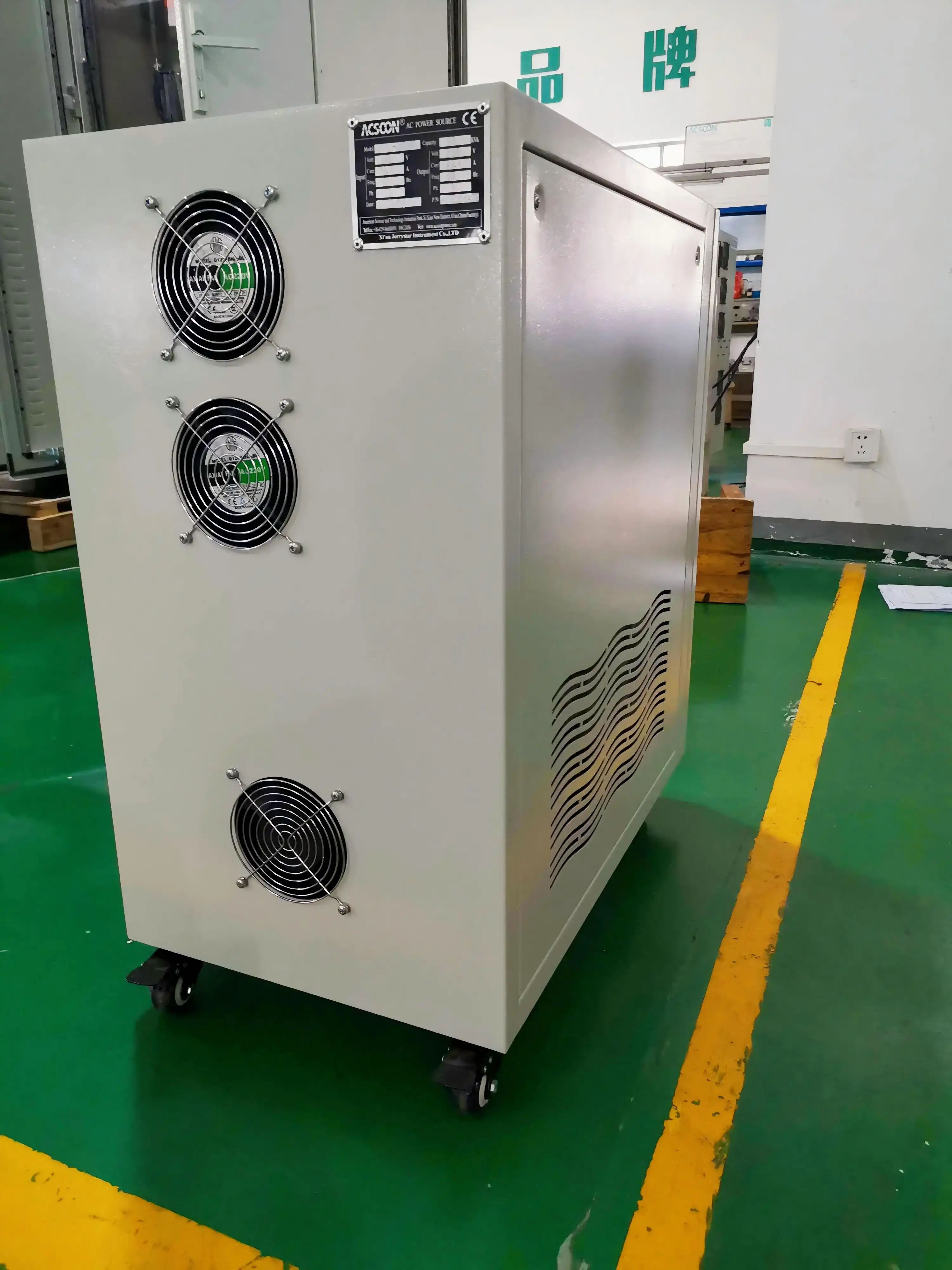
When choosing a location, you need to think about the temperature, humidity, air flow, and electrical noise sources. The IP21 rating means that the unit can withstand solid items bigger than 12.5 mm and water drops falling vertically. It is ideal for basic environmental control in indoor industrial settings. Mounting on flat surfaces keeps internal parts from being stressed mechanically, and airflow around venting holes is kept at the right level. The AF60-110001 needs three-phase 208V–480V at 60 Hz, so the electrical lines must be exactly the same. Grounding things correctly stops electrical shocks and lowers electromagnetic pollution. Using circuit safety devices with the right rating protects both the converter and the equipment that is attached to it from fault conditions.
Common Challenges and Solutions
Poor grounding or loads that don't work together can cause harmonic distortion problems. These worries are lessened by the ACSOON converter's naturally low harmonic distortion (below 3%), but interaction problems can still happen if you make sure that the equipment you connect has the right impedance characteristics. Output frequency drift usually means that there are problems with the control system that need to be fixed by the maker through testing or replacement of parts. Overheating happens when there isn't enough airflow, the temperature outside is too high, or the system is overloaded beyond its maximum capacity. The 1kVA number tells you the most power that can be delivered continuously; working close to the capacity limits makes things less reliable. Controlling the atmospheric temperature and making sure that the spacing between components is right for thermal management keeps the internal parts within the design limits.
Maintenance Protocols
Instead of regular maintenance, single phase frequency converters need to be inspected every so often. By making sure the connections are tight, checking the cooling paths for dust buildup, and comparing the output parameters to the specs, problems can be found early on, before they become catastrophic. Every year, the frequency accuracy is checked to make sure it stays within the acceptable range. This is especially important for laboratory and aircraft uses. Safety rules are different in each area, but for industrial electrical tools, they are usually based on IEC and UL standards. Inspection results and performance proof must be recorded to support quality management systems in ISO-certified factories and meet audit standards for government contracts.
Procurement Guide: Selecting the Right Frequency Converter
To do strategic procurement, you have to match technical specs to application needs while also looking at the skills and overall value proposition of the seller. This system helps people who work in procurement come up with detailed requirements and standards for evaluating vendors.
Defining Technical Requirements
The conversion needs are based on the motor's specs. Minimum conversion values are based on the nameplate voltage, frequency, current draw, and power factor. The AF60-110001's 1kVA ability works with low-power, high-precision electrical equipment that is used in testing labs, measuring equipment, and special manufacturing processes. Applications that need more power need units that are the right size or multiple converters for loads that are spread out. Frequency transfer needs depend on where the equipment comes from and where it's going. By changing 60 Hz to 50 Hz, North American equipment can be used in foreign sites. On the other hand, 400 Hz output serves aviation ground power units for servicing airplanes. The ability to change the frequency lets you try motors across a wide range of working conditions and make sure they work with other equipment for certification programs.
Evaluating Supplier Capabilities
Credentials from the manufacturer show how reliable the product is and how well it is supported. Aviation and military power systems companies have a lot of knowledge that general industry equipment sellers don't have. Xi'an Jerrystar Instrument Co., Ltd. only makes ACSOON brand power converters for use in flight, industry, sea, and lab tests. Their factories are spread out over 5,000 to 10,000 square meters and can handle both custom fabrication and large-scale production. Certification to industry standards makes sure that the quality of the product and its safety are met. Check to see if the company has ISO 9001 quality management certification, the right electricity safety approvals, and, if necessary, compliance with military specifications. OEM customization lets you make solutions that fit the needs of a specific application without having to pay a lot of money and wait a long time for full custom engineering.
Procurement Strategy Considerations
Pricing models are very different depending on the number of orders, the level of customization needed, and the time frame for delivery. Standard store items have lower unit costs, but the specifications may have to be lowered. There are technical fees for custom setups, but they give the best performance for specific uses. For businesses that have a lot of installation projects or standardization efforts, bulk sales offer big savings that cut the cost per unit by a large amount. Lead times depend on how much product is available and how complicated the customization is. Suppliers who keep enough stock on hand to deliver quickly can meet pressing project needs that come up in emergency repair, military readiness, and flight maintenance. Knowing how much a maker can make and where to get parts helps buying teams set realistic deadlines and stay on track. Total cost of ownership is affected by the terms of the warranty and the availability of professional help. Full guarantees that cover parts and work for 12 to 24 months protect against problems with the way the product was made. Having access to expert help for troubleshooting, calibration, and application advice cuts down on downtime and increases the life of tools. Setting up clear support channels before the buy guarantees quick help when problems appear.
Real-World Applications and Operational Benefits
By looking at real-life application examples, we can see the usefulness of frequency converters in a variety of working settings. These cases show how picking the right tools and putting it to use can solve certain operational problems.
Aviation and Military Applications
Ground power units that give 400 Hz power to planes while they are being serviced need frequency converters that provide stable, clean output with little harmonic distortion. The pure sine wave output and low distortion of the ACSOON converter protect sensitive electronics while they are being serviced on the ground. Military bases use frequency conversion equipment to run foreign equipment that was made for a different power standard. This keeps operations flexible without having to buy new, expensive equipment. Variable frequency converters are used in aerospace testing facilities to mimic different working conditions during equipment qualification processes. The separated output design keeps test equipment noise from affecting the accuracy of measurements, which is very important for certification testing that meets the needs of the FAA and other international flight authorities.
Laboratory and Research Environments
For precision measuring tools, calibration labs need power sources that don't change the frequency. The ACSOON converter works quietly, so it doesn't interfere with sensitive test processes in places where the temperature is managed. Because it's small, it can be installed in crowded labs where floor space is very valuable. In research and development labs that test motor performance over a wide range of frequencies, variable frequency converters are used to describe efficiency curves and find the best working points. Being able to exactly control frequency within narrow ranges makes it possible to use testing methods that can be repeated, which is important for peer-reviewed research and validating new products.
Marine and Industrial Manufacturing
Marine users have to deal with tough factors like vibration, humidity, and changes in temperature. single phase frequency converters with the right ingress safety let shore-power devices work with marine systems that are made for different frequency standards. The upright-mounted wheeled form makes it easier to move the vessel when its shape changes during repair. Frequency conversion lets industrial manufacturing facilities use both old and new machines. This way, they don't have to spend a lot of money replacing all of their equipment. By switching between 50 Hz and 60 Hz standards, producers can get equipment from sellers around the world without being limited by local power infrastructure. This lowers the cost of buying equipment and makes it easier to find.
Quantifiable Performance Benefits
When companies use the right frequency conversion solutions, they see changes in a number of measures. When motors are run at optimal frequencies instead of set speeds, energy efficiency goes up by 15 to 25 percent. When motors get clean, stable power that doesn't have voltage jumps or harmonic distortion, the rate of equipment failure drops by 30 to 40 percent. Bearings, windings, and control parts wear out less quickly when there is less mechanical and electrical stress, so maintenance times get 20–30% longer. These changes to operations lead to a strong return on investment. Most installations pay for themselves in 18 to 36 months because they use less energy and don't need as much upkeep. The value argument is even better for sites that run more than one motor or support mission-critical operations where downtime costs more than a thousand dollars an hour.
Conclusion
Careful consideration of motor specifications, application needs, and operating environments is needed to choose the right frequency conversion tools. Single phase consumer-grade converters are good for homes, but three-phase static frequency converters are needed for industry, military, aircraft, and lab uses because they provide the power, frequency stability, and harmonic control needed for mission-critical operations. With its pure sine wave output, low harmonic distortion, EMC compatibility, and small size, the ACSOON AF60-110001 is a great example of current converter technology. It can be used in challenging professional settings. When procurement professionals look at frequency converter choices, they should put technical reliability, the ability to customize, and the infrastructure for supplier support at the top of their list. This will ensure long-term operating success for your single phase frequency converter needs.
FAQ
In industrial settings, what makes single phase frequency converters different from three-phase frequency converters?
Three-phase frequency converters are much more efficient than single phase frequency converter units and can handle much higher power rates. Most industrial motors with more than 1-2 HP need three-phase power to work reliably. Three-phase systems provide more stable power with better load balancing, lowering mechanical vibration, and increasing equipment lifespan. These are important factors in military, naval, and aviation settings where dependability directly affects mission success and safety.
Can frequency changers work with power that comes in at both 50 Hz and 60 Hz?
Good industrial frequency converters can handle a lot of different frequency bands. The ACSOON AF60-110001 can take a 60 Hz input and send a 50 Hz output, which lets foreign devices work with North American power sources. This adaptability allows for activities involving multiple countries, testing of equipment compatibility, and the use of tools from around the world without making changes to the infrastructure.
What kind of upkeep do static frequency changers need?
Because they are solid-state electronics with no moving parts, static frequency converters don't need much upkeep. Electrical links, the cleaning of the cooling system, and the checking of output parameters should only be done once a year. When compared to rotary converters, which need to be oiled, have their bearings replaced, and be mechanically adjusted on a regular basis, static converters are much more cost-effective over their entire working life.
Partner with JERRYSTAR for Reliable Frequency Conversion Solutions
JERRYSTAR makes high-precision power transfer tools for use in the military, at sea, in the lab, and in aircraft, where performance and dependability must not be compromised. Our frequency converters from the ACSOON brand give you a clean sine wave output with harmonic distortion below 3%. They are also EMC compatible and have a separate output to keep your sensitive equipment safe. We offer reasonable prices on standard models and OEM customization for special needs because we are both a manufacturer and a trading business. Our 5,000–10,000-square-meter manufacturing plant keeps enough stock on hand to support quick shipping for urgent needs. You can email our technical team at acpower@acsoonpower.com to talk about your frequency converter needs, get full specs, or get quotes for single units or large orders. JERRYSTAR has the technical dependability and quick support that your important applications need, whether you need 400 Hz ground power units, variable frequency test systems, or custom power conversion solutions. Find out why military procurement officers, R&D labs, and flight engineers trust JERRYSTAR as their frequency converter source.
References
1. Chapman, Stephen J. "Electric Machinery Fundamentals, Fifth Edition." McGraw-Hill Education, 2011.
2. Mohan, Ned, Undeland, Tore M., and Robbins, William P. "Power Electronics: Converters, Applications, and Design, Third Edition." John Wiley & Sons, 2003.
3. U.S. Department of Defense. "Interface Standard: Aircraft Electric Power Characteristics, MIL-STD-704F." Department of Defense, 2004.
4. International Electrotechnical Commission. "Rotating Electrical Machines – Part 1: Rating and Performance, IEC 60034-1." IEC Standards, 2017.
5. Bose, Bimal K. "Modern Power Electronics and AC Drives." Prentice Hall, 2002.
6. IEEE Industry Applications Society. "IEEE Recommended Practice for Industrial and Commercial Power Systems Analysis (IEEE Brown Book), IEEE Std 3002.2-2018." Institute of Electrical and Electronics Engineers, 2018.