




What Industries Use Power Frequency Converters Most?
Power frequency converter units are necessary in fields where precise electricity control is a must. Facilities in aviation, the military, the marine industry, industrial manufacturing, and lab testing depend on these devices to make sure that technology works safely and efficiently with changing frequency needs. To power important systems in these areas, like airplane ground support, navy ship operations, and precise laboratory instruments, they need specialized conversion equipment, especially 400Hz and variable frequency solutions. Figuring out which industries use these converters the most helps procurement pros find dependable sellers who can quickly create unique solutions.
Understanding Power Frequency Converters: Key Concepts and Functions
What Are Power Frequency Converters and How Do They Work?
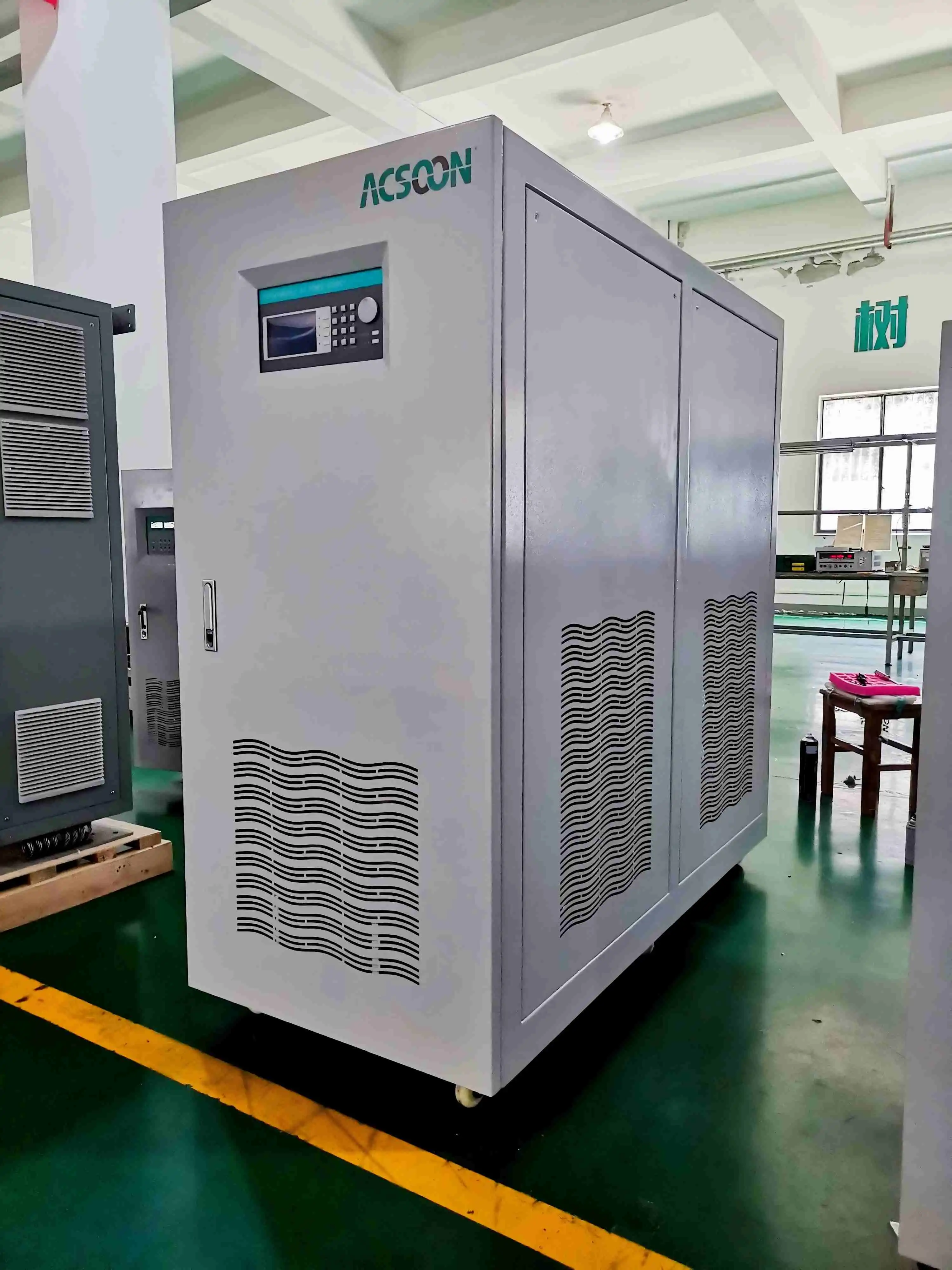
Power frequency converter systems change the frequency of electricity from one standard to another. This lets equipment made for different standards work effectively. Unlike regular transformers, which only change voltage, these devices change both frequency and voltage. Static frequency converters use cutting-edge semiconductor technology to make clean, stable output power without any moving parts. This means they require less upkeep and work consistently in even the toughest situations.
Types of Frequency Conversion Technologies
Variable Frequency Drives (VFDs) change the frequency and voltage of a motor at the same time to control its speed. They are perfect for controlling the speed of pumps, compressors, and transport systems. Inverters change DC power to AC power at certain frequencies. They are often used to add backup power and green energy sources. The ACSOON AF60W-330050 type is an example of a static frequency converter. It produces a clean sine wave with total harmonic distortion below 2%. This makes it perfect for sensitive electronics that can't handle bad power quality.
Core Benefits Driving Industrial Adoption
Frequency conversion technology makes operations better in ways that can be measured. By controlling speeds more efficiently, motor-driven systems use 20 to 50 percent less energy, which means big savings for facilities that run all the time. When motors start easily without the mechanical stress of across-the-line starting, equipment lasts a lot longer. When workers can fine-tune speeds to exactly match production needs, process accuracy goes up by a huge amount. This cuts down on waste and raises the quality of the product.
Top Industries Utilizing Power Frequency Converters and Their Specific Needs
Aviation and Aerospace Ground Support Operations
The electrical systems in airplanes work at 400Hz, which is a standard used around the world to make transformers smaller and lighter while increasing power density. At airports, ground power units need static power frequency converter units to provide this specific frequency for pre-flight checks, repair processes, and cabin services while planes are parked. For military airbases in particular, ruggedized equipment is needed that can handle a wide range of aircraft, from fighter jets to transport planes, in harsh circumstances. With an input range of 3-phase 208V to 480V at 60Hz and an output range of 50Hz to 499.99Hz, the ACSOON AF60W-330050 gives you the freedom you need for multi-aircraft support operations.
Military and Defense Critical Power Systems
When used for defense, apps need to be completely reliable in harsh situations. Frequency conversion is often needed to run equipment made to work with electricity standards from different countries in mobile command centers, communication arrays, radar sites, and weapons systems. Specifications for military purchases put a lot of emphasis on fault tolerance and require monitoring tools that make debugging go quickly. Modern static converters with fault event storage let support staff look back at specific failures and timestamps, which cuts down on downtime during important tasks.
Marine and Naval Vessel Electrical Infrastructure
Ships have their own separate power lines, and the security of the frequency affects their navigation, communication, and propulsion systems. A lot of the time, naval ships use equipment from more than one foreign company. This equipment is usually made for a different frequency standard, usually 50Hz or 60Hz. Variable frequency power conversion lets ships handle this variety while keeping the purity of the electrical system. Because of the rough conditions in the sea environment, like salt spray, shaking, and changing temperatures, converters need to have the right ingress protection. Equipment with an IP rating of 21 or higher is safe enough for controlled shipboard settings and can still be easily accessed for regular checks.
Industrial Manufacturing and Automation Systems
Precise motor control is needed to get the most work done in factories that follow the concepts of Industry 4.0. Variable frequency operation fits motor speed to real-time production needs, which is good for CNC machining centers, injection molding equipment, and automatic assembly lines. This flexibility cuts down on cycle times during times of high demand and saves energy during times of low demand. In automotive assembly plants, frequency conversion technology is used to coordinate dozens of robotic systems that need to be perfectly in sync with each other in order to keep production going.
Laboratory Testing and Research Facilities
For research labs that certify products, test materials, and make sure rules are followed, they need controlled electrical settings that mimic different foreign power standards. When testing electronics that will be sold around the world, they need to be put through a variety of frequency and voltage combinations to see how well they work and find any problems that might happen. Good static frequency converters give off a clean sine wave with a total harmonic distortion (THD) of less than 2%. This makes sure that test results are true to life without adding any errors caused by bad power. Models like the AF60W-330050 are upright-mounted and have wheels, which gives the lab freedom by letting the equipment be moved around as testing needs change.
HVAC and Building Management Systems
Variable frequency drives are used a lot in HVAC systems of large business buildings and industrial facilities to control fan speeds, pump operations, and chiller performance based on real-time usage and environmental conditions. This dynamic change feature cuts energy use by 30–40% compared to systems that keep the speed the same. It also makes people more comfortable by controlling the temperature more quickly. Data centers, where cooling uses almost 40% of all energy, can really benefit from frequency conversion technology that makes cooling more efficient while still keeping computer equipment within strict temperature limits.
How to Choose the Right Frequency Converter for Your Industry: A Decision Support Approach
Evaluating Power Requirements and Load Characteristics
Finding the right power frequency converter tools starts with figuring out how much work needs to be done. Figure out the total linked load, which should include the starting surge needs that can reach 3 to 5 times the nominal current for motor-driven equipment. The AF60W-330050 and other converters with a 50kVA rating are good for mid-range uses because they can power multiple pieces of equipment at once and still have extra power in case of rare peak demands. Carefully think about load duty cycles—continuous operation at full capacity needs different specs than irregular use with breaks for cooling in between runs.
Matching Converter Specifications to Application Demands
In different fields, different success traits are more important than others. Ground support in aviation values mobility and the ability to work with multiple voltages so that they can service a wide range of aircraft types quickly. For military uses, toughness and the ability to diagnose problems in the field are very important. To keep test accuracy from being affected, power quality in laboratories must be very high, and harmonic distortion must be kept to a minimum. Marine systems need to be protected from water and vibrations in the right way. Instead of chasing after features that aren't needed and add to costs without adding much value, procurement managers should set goals based on specifications that are in line with their business priorities.
Assessing Total Cost of Ownership Beyond Initial Purchase Price
Acquisition cost is important, but lifetime costs usually go over and above the initial investment. High-conversion-efficiency energy-efficient converters lower running costs by a large amount over long service terms. Equipment dependability has a direct effect on upkeep costs and production continuity. When equipment breaks down often, it costs money to fix and results in a loss of money because of lost time. Total ownership costs are greatly affected by warranty coverage and the ease of access to technical help, especially for businesses that don't have their own power electronics experts. Manufacturers that give full support, enough inventory for fast shipping, and the ability to create unique solutions are more valuable in the long run, even if they charge more up front.
Supplier Credibility and After-Sales Support Considerations
It's safer to buy from well-known companies that have a history of doing good work in serious situations than from unknown companies. Companies that work on flight and military power systems usually have strict quality standards and all the paperwork that the government needs to buy things. Manufacturing services, such as custom design, make it possible to create solutions that meet specific operating needs that normal catalog goods can't. When equipment breaks down and threatens mission-critical operations or production plans, having enough inventory to support quick shipping becomes very important.
Installation and Maintenance Best Practices for Power Frequency Converters
Proper Installation Procedures for Optimal Performance
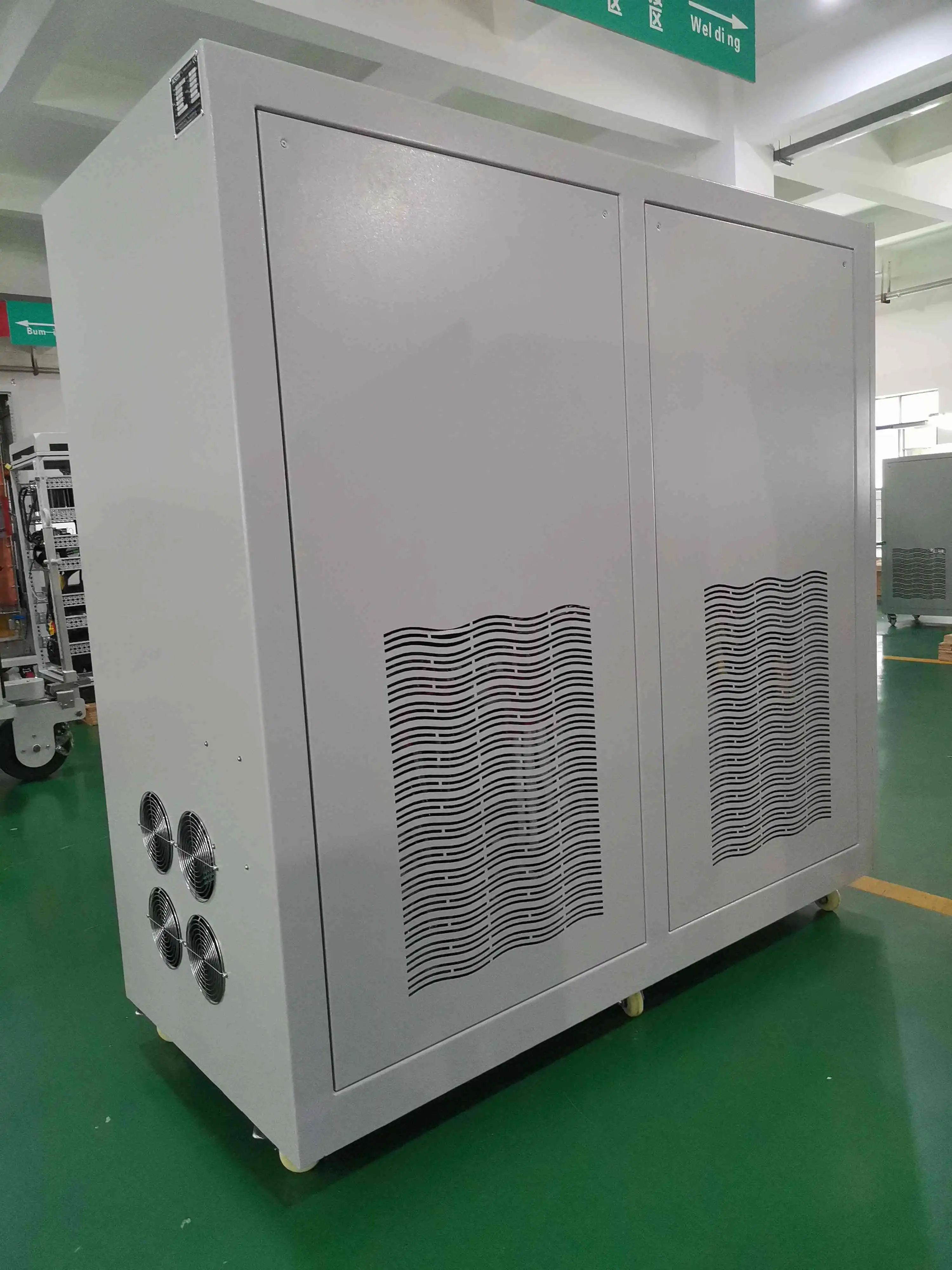
The basis for effective long-term power frequency converter function is set by proper installation. Before turning on the equipment, make sure that the input power meets the converter's specs. The voltage level, phase configuration, and frequency must all match the nameplate rates. Allow enough air flow around converter enclosures—usually at least 24 inches on sides with cooling vents—to keep components from overheating or breaking down early. Follow the electrical code for proper grounding to keep people safe and stop electromagnetic radiation from hurting sensitive equipment nearby.
Routine Maintenance Protocols Extending Equipment Lifespan
Systematic check plans keep things working at their best throughout their entire service life and stop problems before they happen. Visual checks should be done once a month to look for dust on the cooling fins, loose electrical connections, and any signs of burning, such as wire that looks different or smells like it's been burned. Using thermal imaging cameras to do detailed checks every three months can find hot spots that are starting to form before they cause failures. During the converter's annual preventive maintenance, all electrical connections should be tightened, the cooling fan should be checked to make sure it works, and fault event logs saved in the memory should be looked over to find recurrent problems that need to be fixed.
Troubleshooting Common Issues and When to Seek Professional Support
A lot of working problems are caused by problems with the input power, not by converter breakdowns. During fixing, make sure that the input voltage and frequency stay within the limits that have been set. Make sure the load connections are correct and that facility changes haven't caused the total linked load to exceed the converter's ratings. Look at the recorded fault events to figure out how failures happen. For example, multiple overcurrent trips could mean that the motor bearings are broken instead of the converters. When there are complicated problems with programming controls, fixing parts at the component level, or strange failure modes, you need professional technical help from manufacturers who have that kind of knowledge.
Industry Trends and Future Outlook for Power Frequency Converters
Integration of Smart Monitoring and IoT Capabilities
More and more modern power frequency converter units have connection features that let you watch and plan maintenance from afar. IoT-enabled systems send real-time working data to centralized control platforms, such as temperature, current draw, runtime hours, and metrics for efficiency. Maintenance teams can spot trends in equipment performance decline before it breaks down, planning repairs to happen during planned downtime instead of having to respond to emergencies. This connection is especially helpful for manufacturing and facilities management businesses with multiple sites, where having unified control makes the use of resources more efficient.
Growing Demand in Renewable Energy Infrastructure
To connect variable green production to the grid's needs, wind and solar systems need complex frequency conversion. Wind machines make electricity at frequencies that change depending on how fast the blades turn. This energy needs to be converted to 50Hz or 60Hz so it can be used on the grid. Inverters change the DC power from the panels to AC power from the grid at specific rates. As the use of renewable energy grows around the world—it's expected to make up more than half of all output capacity in many places by 2030—so does the need for effective frequency conversion equipment for both large-scale utility projects and smaller-scale distributed energy resources.
Strategic Procurement Recommendations for Forward-Looking Operations
People who work in procurement should look at new technologies while also keeping an eye on technologies that have already been proven to work well in serious situations. Focus on makers that offer upgrade paths that let old equipment get new tracking features without having to be completely replaced. Build relationships with providers and make sure you have enough inventory and the ability to make things to order so you can meet pressing needs and specific requirements. When you buy in bulk from a trusted maker, you can often save money and make sure that all of your sites have the same equipment specs. This makes managing upkeep and extra parts easier.
Conclusion
Power frequency converter systems are very important in many fields, like flight, the military, marine, industry, and laboratories, where accurate electrical control is key to success. For a wide range of uses, from 400Hz aircraft ground support to variable frequency industrial automation, specific tools are needed that can meet strict standards for performance, dependability, and customization. Organizations are set up for long-term operational success when they make procurement choices that balance technical standards, seller trustworthiness, and total ownership costs. With the Internet of Things (IoT) and more renewable energy being used, it's becoming more and more important to choose producers with both proven knowledge and forward-looking skills.
FAQ
What is the main difference between static frequency converters and variable frequency drives?
Static power frequency converter units change a fixed input frequency to a different fixed or variable output frequency. They are usually used to connect tools made for one standard to power sources that work at a different standard. Variable frequency drives change both frequency and voltage at the same time to control motor speed. This makes motor-driven tools work better. The ACSOON AF60W-330050 is a static converter that has an output range of 50Hz to 499.99Hz, so it can be used for both tasks in one device.
How do I determine the appropriate power rating for my application?
Find the total linked load, which includes all the equipment that is running at the same time. Then, add 20 to 30 percent to account for motor starting currents and future growth. A 50kVA converter can handle between 40 and 45kVA of steady motor load or 48kVA of resistive loads with only a small amount of starting surge. Check the equipment's nameplates to get correct information on how much power it needs, and think about duty cycles—intermittent operation lets you handle higher peak loads than full-power demands all the time.
Why is harmonic distortion important in sensitive applications?
Total harmonic distortion (THD) levels above 5% can hurt sensitive electronics, mess up measurements in lab equipment, and make motors less efficient while raising their temperature. THD levels below 2 to 3 percent are needed to make sure that equipment works properly in aviation, lab tests, and precision manufacturing. Good static converters, like the AF60W-330050, give off a pure sine wave that protects attached loads and works reliably.
Ready to Secure Reliable Power Conversion Solutions for Your Critical Operations?
JERRYSTAR specializes in providing ACSOON brand power frequency converter units designed for industries like flight, defense, marine, and industry that need to be reliable. Our manufacturing plant, which is between 5,000 and 10,000 square meters, keeps enough stock on hand to allow for quick transport when needed. We offer custom solutions that are made to fit special needs that can't be met by normal catalog items. We know how important high efficiency is for your operations because we have a lot of experience with military and aircraft power systems. Our engineering team can help you choose the best tools, whether you need 400Hz ground power units, variable frequency industrial converters, or specialized test equipment power sources. Get in touch with our team at acpower@acsoonpower.com to talk about your application needs with a power frequency converter maker that is dedicated to providing mission-critical operations with fast service and tried-and-true technology.
References
1. IEEE Standards Association. "IEEE Standard 519-2014: Recommended Practice and Requirements for Harmonic Control in Electric Power Systems." Institute of Electrical and Electronics Engineers, 2014.
2. Department of Defense. "MIL-STD-704F: Aircraft Electric Power Characteristics." United States Department of Defense Interface Standard, 2016.
3. Bose, Bimal K. "Power Electronics and Motor Drives: Advances and Trends." Academic Press, Second Edition, 2021.
4. International Electrotechnical Commission. "IEC 61800-9-1: Adjustable Speed Electrical Power Drive Systems - Ecodesign for Power Drive Systems, Motor Starters, Power Electronics and Their Driven Applications." IEC Standards, 2017.
5. American Bureau of Shipping. "Rules for Building and Classing Marine Vessels: Naval Vessel Rules - Electrical Systems." ABS Technical Publications, 2023.
6. Zhang, Lei, and Wong, David. "Frequency Converters in Industrial Applications: Selection, Installation and Maintenance Best Practices." Industrial Power Engineering Journal, Volume 28, Issue 3, 2023.